
Who Actually Lives in Your Rental?
Picture the person who would sleep in your spare bedroom or your empty second property for the next two months. If you are like most homeowners, the image is fuzzy at best, and a little worrying at worst. That fuzziness is exactly where the stress of renting comes from. You are not really afraid of "a tenant." You are afraid of a stranger you cannot picture. So let us actually picture them, because the people behind the words "construction crew" are probably not who you imagine, and once you can see them clearly, the whole idea of renting to them starts to feel a lot less like a gamble and a lot more like a quiet, steady arrangement with reliable tenants.
The words "construction crew" hide a lot of ordinary people
Construction is one of the largest workforces in the country. Around 8.3 million people work in the industry, and a meaningful slice of them travel for a living, following projects from one town to the next. These are not transient figures passing through. They are electricians, pipefitters, welders, crane operators, equipment techs, and the supervisors who run the job. The trades skew experienced and settled, with a median age in the low forties, which means the person renting your home is often someone with a mortgage of their own back where they came from.
Think about three of them specifically. There is the journeyman electrician on a six-week stint at a plant expansion, wiring panels ten hours a day and counting down to the weekend he drives home. There is the four-person road team on a bridge contract, who leave before sunrise and are usually asleep by nine. And there is the project supervisor who has relocated for a season to run the site, treating your property less like a rental and more like a temporary home base she wants to keep tidy. None of them chose your place to party in it. They chose it because it is close to work and it lets them rest.
Their schedule is your best tenant screening
The single most reassuring thing about crew tenants is their routine, and it is worth sitting with for a moment. A traveling worker's day is front-loaded and long. They are out the door early, on their feet through a full shift, and back late with little energy for anything but dinner and sleep. Not every crew works days, either. On plant shutdowns, road resurfacing, and infrastructure jobs that cannot disrupt daytime traffic, whole teams run the night shift, which means they leave for work in the evening, put in their hours while the neighborhood sleeps, and come home to rest through the morning. Either way the pattern is the same: the property is a place to recover, not to socialize. Many trades run assignments of two to six months, frequently on rotations like three weeks on and one week off, which means the property is often quiet or empty for stretches while they are home visiting family.
That rhythm quietly does the work you would otherwise lose sleep over. A tenant who is exhausted from honest labor is not throwing gatherings, is not coming and going at odd hours with a rotating cast of guests, and is not treating your home as a destination. Industry coverage of the traveling trades makes the same point that homeowners eventually notice on their own: these workers have come to expect their own quiet accommodations precisely so they can recharge and perform the next day. Rest is not a luxury to them. It is part of the job. And a tenant whose main goal is a good night's sleep is about as low-maintenance as renting gets.
A tenant whose main goal is a good night's sleep is about as low-maintenance as renting gets.
What they actually want from a home
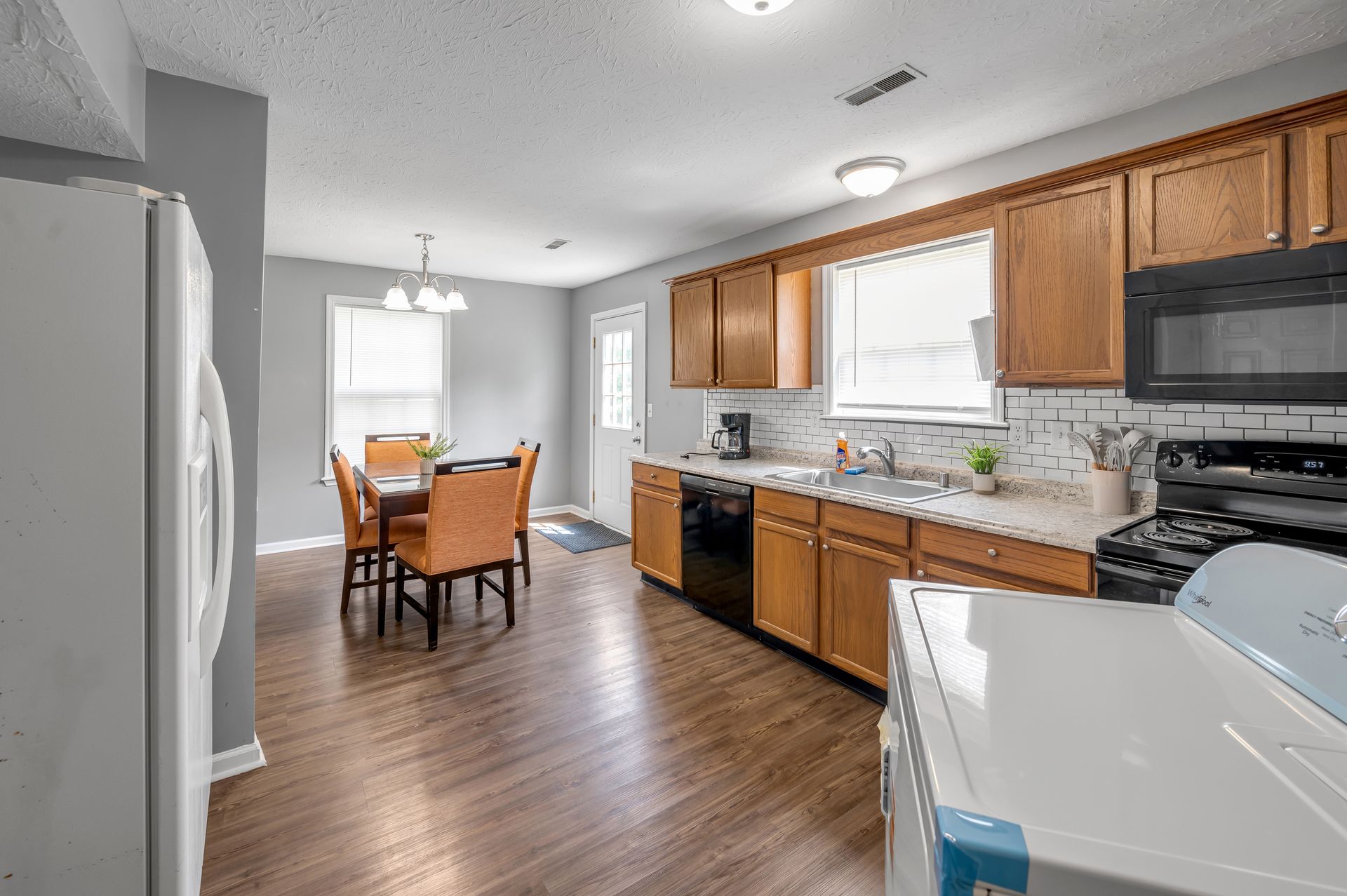
Here is where crew tenants differ most from the renters you may have dealt with before. They are not shopping for style. They are not comparing your finishes to a magazine spread or asking for upgrades. What they want is practical and short: a clean, comfortable, furnished home near the job, with a working kitchen, reliable hot water, a decent bed, and enough space to decompress. That is the whole list.
This is one reason a furnished home rented to a crew tends to feel less demanding than a traditional lease. You are not fielding requests to repaint or renovate to somebody's taste. The people staying there measure your property by one honest standard: does it let me rest and get to work? If it does, they are content, and content tenants are quiet tenants. If you want a fuller picture of what these workers prioritize in a place to stay, our breakdown of what construction crews actually need walks through it in detail.
Why this makes them reliable tenants
Put the pieces together and a clear profile emerges. Crew tenants are working adults, often with families and homes elsewhere, on a fixed assignment with a defined end date, who keep predictable hours and want nothing more than a calm place to sleep. Compare that honestly to the two rental paths most homeowners already know.
| Rental path | Who stays | What it means for you |
|---|---|---|
| Long-term lease | One household, signed for a year | Locked in for twelve months, even if the fit is wrong |
| Vacation rental | New guests every few days, in town to relax | Constant turnover, late nights, and steady wear |
| Crew placement | Vetted working tenants on a fixed assignment | A mid-term stay in town for the opposite of leisure |
That middle path is the one most homeowners never consider until someone describes it. Our comparison of crew housing against the usual options lays out how the numbers and the stress levels stack up side by side.
"Reliable" is not a marketing word here
It is fair to be skeptical when any service calls its tenants reliable. So it is worth being precise about why the word actually applies to a crew. Reliability, in a rental, comes down to a few plain things: does rent arrive on time, does the property get treated with respect, and does the arrangement stay predictable from start to finish. Crew placements are built around exactly those things. The stay has a known length. The tenant is there for a paycheck, not a party. And because the worker's employer and the placement partner both have a stake in the arrangement going smoothly, there is accountability layered in that a random online booking simply does not have.
Homeowners who try it tend to describe the same quiet surprise afterward: the month felt uneventful in the best possible way. That is the version of hassle-free renting that rarely gets advertised, because "nothing dramatic happened" does not make for a flashy pitch. But for a homeowner, an uneventful, fully occupied, rent-paid month is the entire goal.
Vetting you do not have to do yourself
One more piece belongs in the picture, because it is the part homeowners worry about most. You are not the one responsible for figuring out whether a given worker is trustworthy. Crew tenants are vetted before they are ever matched to a property, so the screening burden that normally falls on a landlord is handled for you. When a placement partner reaches out about your home, it is typically because a crew is already lined up and ready to move in. Your job is not to interview strangers. Your job is simply to have a home that is ready. If you want to see how that process looks from the homeowner's side, our homeowner's guide to renting to crews covers it start to finish.
The figures here draw on federal labor data. You can explore the full national numbers on the trades in the U.S. Bureau of Labor Statistics Occupational Employment and Wage Statistics release.
The takeaway
The fear of renting is almost always the fear of the unknown tenant. Once you replace that blank silhouette with the real people, the electrician counting down to Friday, the road crew asleep by nine, the supervisor keeping the place spotless, the anxiety has much less to stand on. These are working professionals who want the same thing you want for your property: for it to be a quiet, comfortable place where the day ends well. Rent your home to a crew and you are not handing your keys to a mystery. You are handing them to someone who is simply tired, grateful for a good bed, and gone before you would ever notice.
Picturing who would actually be sleeping in your property is the first real step. If you want to talk through the kind of crew that might fit your place, reach out and we will walk you through it.
Request Housing Options