
Short Term Rental Turnover Cleaning Hassle
Short term rentals can look attractive on paper. A property may earn more per night than it would under a traditional lease, and owners keep flexibility over when the home is available. Those higher nightly rates come with a demanding operational workload, especially when guests arrive and leave every few days.
One of the biggest challenges is short term rental turnover cleaning. Between each reservation the property must be inspected, cleaned, restocked, and prepared to hotel standards. A late checkout, a same day arrival, or unexpected damage can turn a routine task into a stressful and expensive problem.
For some property owners, switching to midterm rentals, meaning furnished stays of 30 days or longer, can reduce turnover pressure while preserving flexibility. Here is what owners should know.
01 What Is a Short Term Rental?
A short term rental is a furnished home, apartment, private room, or other accommodation rented for a relatively brief period. Depending on local law and industry usage, short term may mean anything from one night to several weeks. Listing platforms have made this model popular with vacationers, business travelers, and people needing temporary accommodation.
Unlike a traditional long term lease, short term rental agreements usually operate on a nightly or weekly basis. The owner or property manager handles frequent guest communication, check in instructions, maintenance requests, pricing changes, and cleaning between reservations.
The appeal is clear:
- Potentially higher revenue per occupied night
- Greater control over personal use of the property
- Flexibility to adjust prices according to demand
- Access to vacation, business, and event related travel markets
Short term rental income is not passive income. The property effectively operates as a small hospitality business. Owners must account for platform fees, furnishing, utilities, supplies, repairs, taxes, insurance, vacancies, and cleaning.
Local regulations also matter. Cities and counties may impose licensing requirements, occupancy limits, zoning rules, safety standards, or restrictions on stays below a certain number of days. Before choosing a short term strategy, owners should review the rules that apply to their property and confirm how rental income will be treated for tax and insurance purposes.
The frequent guest cycle is the defining feature of the model, and the primary source of the turnover cleaning hassle.
02 Why a Rental Must Be Cleaned Between Tenants
Cleaning between guests is not simply about making a property look attractive. It is part of delivering a safe, functional, and predictable experience to every new occupant.
A turnover clean usually begins immediately after checkout. The cleaner or property manager removes trash, strips beds, gathers towels, checks for damage, cleans surfaces, sanitizes bathrooms and kitchens, vacuums or mops floors, replaces linens, and restocks supplies. The property must then be inspected before the next guest arrives.
Guest expectations are high
Travelers compare short term rentals with hotels and other professionally managed accommodations. They expect clean bedding, spotless bathrooms, fresh smelling rooms, dust free surfaces, and a kitchen that is ready to use.
Even a small issue can affect a guest's perception:
- Hair in the bathroom
- Crumbs in a drawer
- Dirty dishes or appliances
- Used toiletries left behind
- Stained linens
- Full trash cans
- Dust on furniture or vents
A written checklist is essential, because turnover teams have to complete many tasks in a limited window. A repeatable process prevents overlooked details and creates a consistent standard for every reservation.
Cleanliness affects reviews and bookings
Reviews are a major part of short term rental marketing. Guests may forgive a minor inconvenience, but cleanliness complaints undermine confidence in a listing quickly. Poor reviews reduce future bookings, lower the property's ranking on a platform, and push an owner to compete through discounts.
Cleaning is therefore both an operating cost and a marketing investment. A reliable turnover routine protects the listing's reputation.
Cleaning supports health and safety
Between tenants, cleaners remove food residue, disinfect high touch surfaces, and identify maintenance concerns. They can notice leaking plumbing, broken locks, damaged furniture, mold growth, pests, or electrical problems before the next guest arrives.
The process should include appropriate laundering and sanitation of bedding and towels. In a property with frequent occupancy, soft furnishings and high touch areas receive far more use than they would under a normal residential lease.
It protects the property
A turnover inspection identifies damage while there is still a clear connection to the departing reservation. Broken items, stains, missing kitchenware, and excessive mess are easier to document when found promptly.
A good system combines cleaning with before and after photographs, inventory checks, damage reporting, maintenance escalation, restocking, and a final quality control pass. Without these steps, an owner may not discover a problem until the next guest complains, or until a small repair has become a major one.
03 What Turnover Cleaning Includes and What It Costs
Short term rental turnover cleaning is usually more detailed than an ordinary residential cleaning visit, because it must prepare the home for a new guest on a deadline.
What a standard turnover clean covers
The exact scope varies by property, but a typical service covers the following.
Bedrooms. Strip and remake beds, launder or replace sheets and pillowcases, dust furniture and headboards, vacuum floors and rugs, check closets and drawers for forgotten belongings, inspect mattress protectors, and replace decorative items where needed.
Bathrooms. Clean and disinfect toilets, showers, tubs, and sinks, polish mirrors and fixtures, remove hair from drains and surfaces, mop floors, replace towels and bath mats, restock toilet paper and soap, and empty wastebaskets.
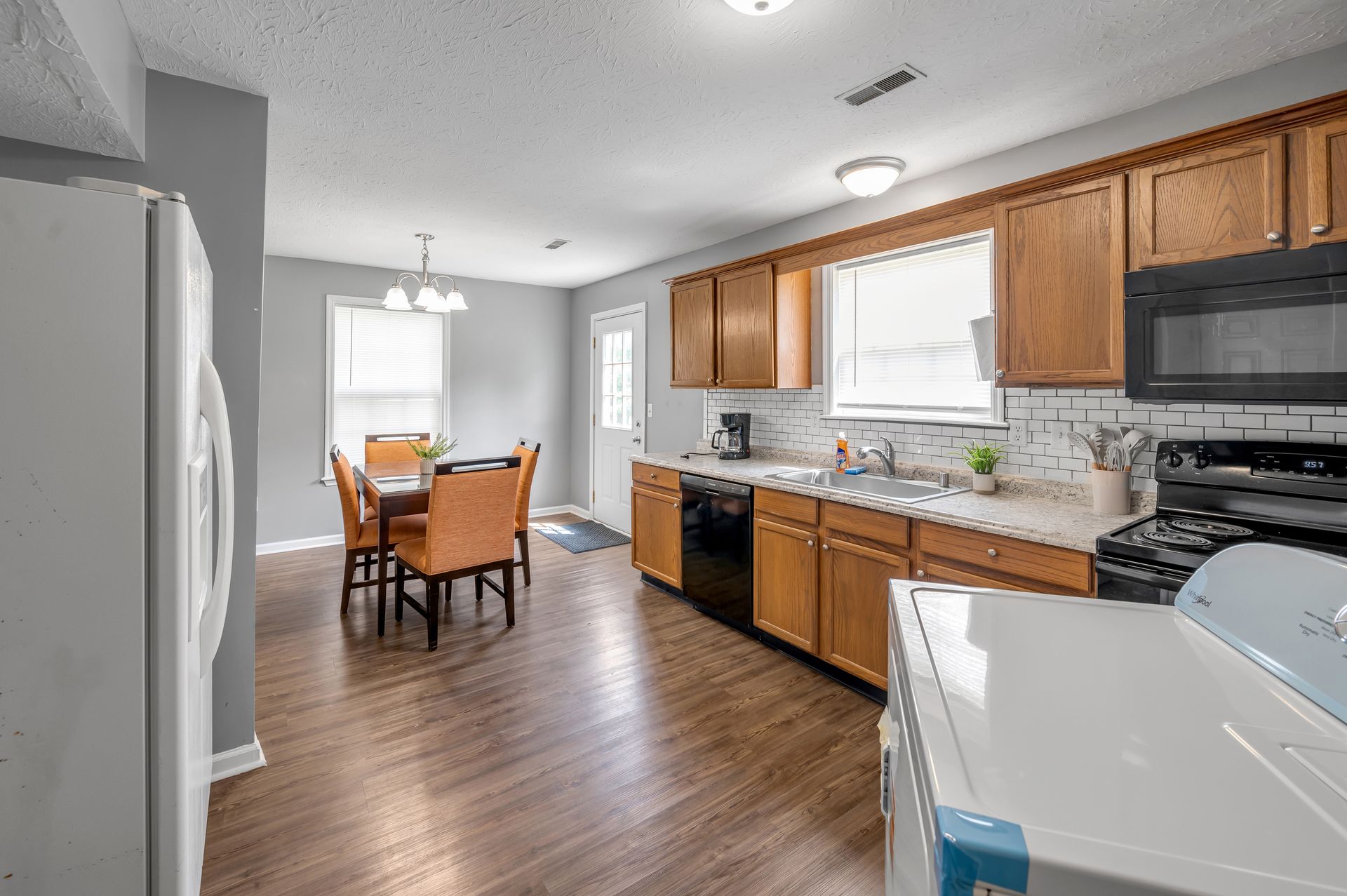
Kitchen and dining. Clean countertops and backsplash, wash dishes or run the dishwasher, wipe appliances inside and out, clean the sink and faucet, check the refrigerator for leftovers, empty trash and recycling, wipe tables and chairs, and restock basic supplies.
Living areas and entryways. Vacuum or mop floors, dust surfaces and electronics, clean glass and mirrors, arrange furniture, check remotes and amenities, remove marks from walls and doors, and confirm entry areas are presentable.
Final inspection. Confirm lights, heating, and cooling work, check for damage or missing items, test locks and access systems, confirm house materials and Wi-Fi information are available, replace consumables, and photograph completion where required.
Cleaning companies may charge extra for laundry, excessive mess, pet hair, stains, same day service, outdoor areas, or larger properties.
What it costs
There is no single national price. Cost depends on location, property size, bedroom and bathroom count, laundry arrangements, local labor availability, and required turnaround time.
Labor is the largest component. The U.S. Bureau of Labor Statistics reports that the median hourly wage for janitors and building cleaners was $17.71 in May 2025, with meaningful variation by state and metro area. A turnover clean that takes a team two to four hours, plus supplies, laundry, and travel, gives you a rough sense of the floor before any margin.
As a planning range, owners commonly budget along these lines. Treat them as illustrative, not as quotes:
- Studio or one bedroom: roughly $50 to $100
- Two bedroom: roughly $100 to $150
- Three bedroom home: roughly $150 to $250
- Larger or specialized property: $250 and up
Laundry may be included, charged separately, or handled off site. Ask whether a quoted price covers linens, towels, restocking, inspection, and travel time.
The monthly total is the real number
The issue is rarely the price of one clean. It is the cumulative cost.
At 5 turnovers per month and $125 per clean, cleaning costs $625 per month. At 10 turnovers, it costs $1,250. Neither figure includes replacement linens, cleaning supplies, laundry utilities, emergency callouts, damage repairs, or the owner's own time managing the process.
Owners can add a cleaning fee to each booking, bundle it into the nightly price, or absorb part of it. Each choice has a cost. A fee that is too high discourages shorter bookings. A fee that is too low leaves the owner subsidizing every turnover.
04 The Downsides of Cleaning Too Frequently
Regular cleaning is essential for any rental, particularly one with frequent guest turnover. But cleaning after every short stay becomes expensive, time consuming, and difficult to manage. The goal is not to avoid cleaning. It is to build a schedule that keeps the property safe and comfortable without wasting labor, supplies, or money.
It requires constant scheduling
Turnover cleaning is tied to strict check in and checkout times. A cleaner may have only a few hours to prepare the property before the next arrival. That creates ongoing pressure, especially when:
- A guest checks out late
- The next guest arrives early
- A reservation is extended unexpectedly
- A cleaner cancels
- Multiple properties need attention the same day
- A property needs extra laundry or repairs
Even when the cleaning itself is straightforward, coordinating people, keys, supplies, and access consumes a significant amount of the owner's time.
Frequent laundry increases wear and replacement costs
Short term rentals often need sheets, towels, bath mats, and kitchen linens washed after every guest. Frequent washing shortens the life of fabrics, and stains, makeup, food, and bodily fluids may require special treatment or replacement.
The costs accumulate across replacement sheets and towels, mattress and pillow protectors, detergent and stain removers, water and electricity, commercial laundry services, and additional linen sets for faster turnovers. Extra linen sets make turnover easier, but they require storage space and upfront investment.
Aggressive cleaning causes wear and tear
Cleaning products and equipment gradually affect surfaces and furnishings. Repeated exposure to strong chemicals, scrubbing, and moisture can damage natural stone countertops, wood flooring, painted walls, upholstery, grout and sealant, appliance finishes, and shower fixtures. More cleaning is not always better if the method is too aggressive for the surface.
It can crowd out maintenance and inspection
A turnover visit should include a basic inspection, but cleaning teams may not have time to investigate every issue. When the focus is getting the property ready for the next arrival, small maintenance problems get overlooked.
A proper turnover process should catch leaking faucets, slow drains, broken furniture, damaged locks, faulty appliances, water stains, pest activity, and heating or cooling problems. Unreported, these become more expensive to repair. A property that is cleaned frequently but not properly inspected can still deliver a poor guest experience.
Results become inconsistent
Frequent turnover often means relying on different cleaners, substitute staff, or rushed appointments. Quality varies from one reservation to the next, producing missed surfaces, unfinished laundry, missing supplies, poorly made beds, forgotten guest belongings, and unreported damage.
A detailed checklist, photographs, and a final inspection improve consistency, but those quality control measures add administration of their own.
It creates stress for the owner
The biggest cost may be the owner's time and attention. A short term rental requires constant coordination between guests, cleaners, maintenance providers, and booking platforms. One missed message or delayed appointment affects the entire day.
For owners managing a property remotely, it is harder still. They may need to find emergency cleaners, authorize repairs, arrange replacement supplies, or compensate guests when the home is not ready on time.
A tiered schedule helps
The solution is not to reduce standards. It is to match the task to the property's actual needs:
- Turnover cleaning after every guest: beds, bathrooms, kitchen, floors, trash, high touch surfaces
- Routine restocking: toiletries, paper goods, coffee, cleaning supplies, kitchen basics
- Periodic deep cleaning: baseboards, windows, cabinet interiors, vents, upholstery
- Preventive maintenance checks: appliances, plumbing, locks, smoke detectors, HVAC
- Additional cleaning as needed: excessive mess, pets, stains, damage
This keeps the home consistently presentable without treating every checkout as a full property reset. For some owners, though, even a well organized schedule cannot solve the underlying issue: frequent guests create frequent work.
05 Why Midterm Rentals Can Be a Better Option
A midterm rental accommodates a tenant for at least 30 days and often several months. These homes are usually furnished and serve people who need temporary housing without committing to a year long lease.
Common midterm tenants include:
- Traveling construction crews
- Traveling nurses and other medical professionals
- Relocating employees
- Project based workers
- Graduate students and interns
- People between homes
- Insurance displacement tenants
- Individuals completing renovations
- Military and government personnel
Fewer turnovers mean less cleaning
A tenant staying three months typically means one clean before move in, one clean after move out, and a scheduled clean each month during the stay. That is roughly five cleans across the whole tenancy, against the fifteen or more a short term calendar would generate over the same period.
Short term:
5 turnovers per month at $125 each is $625 per month, or about $1,875 across three months.
Midterm:
one move in clean, one move out clean, and three monthly cleans at $125 each is about $625 across the same three months.
These are illustrative figures, not guaranteed savings. The point is the frequency, not the exact number.
More predictable income
Short term rentals are exposed to seasonality, cancellations, platform changes, local events, and shifting traveler demand. Midterm rentals tend to provide longer occupancy and fewer gaps between tenants. The owner also spends less time adjusting nightly prices, answering booking inquiries, and coordinating arrivals.
Less operational stress
A midterm tenant completes one move in and one move out rather than arriving and departing repeatedly. The owner still handles maintenance, but the property does not need resetting to hotel standards every few days.
That matters most for owners who live far from the property, hold another full time job, manage multiple units, lack reliable local cleaners, or want fewer weekend and holiday interruptions.
Potentially better property preservation
Fewer guest changes mean less constant handling of linens, kitchenware, locks, furniture, and decor. A tenant staying months tends to treat the property more like a home than a hotel room.
This is not a guarantee. A clear agreement, deposit terms, inspections, and appropriate insurance still matter, and local landlord tenant law applies. The legal treatment of a 30 day stay differs by location, so confirm the rules for your property.
The trade off
Midterm is not automatically better for every property. An owner may earn more during an exceptionally strong tourist season through short term bookings, and a midterm agreement reduces flexibility if the owner needs the property back quickly.
Before switching, compare expected monthly revenue, vacancy assumptions, cleaning and laundry costs, utilities and internet, furnishing and maintenance, platform fees, taxes and insurance, local legal requirements, and the owner's own time. The goal is not to maximize the nightly rate. It is to maximize sustainable net income under a model the owner can actually run.
06 How Hard Hat Housing Fits
Once an owner decides to explore midterm rentals, the next question is where the tenants come from. General vacation rental platforms attract short stay travelers, which is the opposite of what a midterm strategy needs.
Hard Hat Housing places construction crews in furnished homes for stays of 30 days or longer. For property owners that means:
- No fees charged to you. You keep the full agreed rent.
- We place the tenants and handle their day to day support, so routine questions do not come to you.
- Cleanings are scheduled monthly during the stay.
- We contact you for emergencies and anything requiring an owner decision, not for routine matters.
Worth being clear on one point. The crews we place work for construction companies who employ and supervise them. We are not a property management company and we do not take over your obligations as an owner.
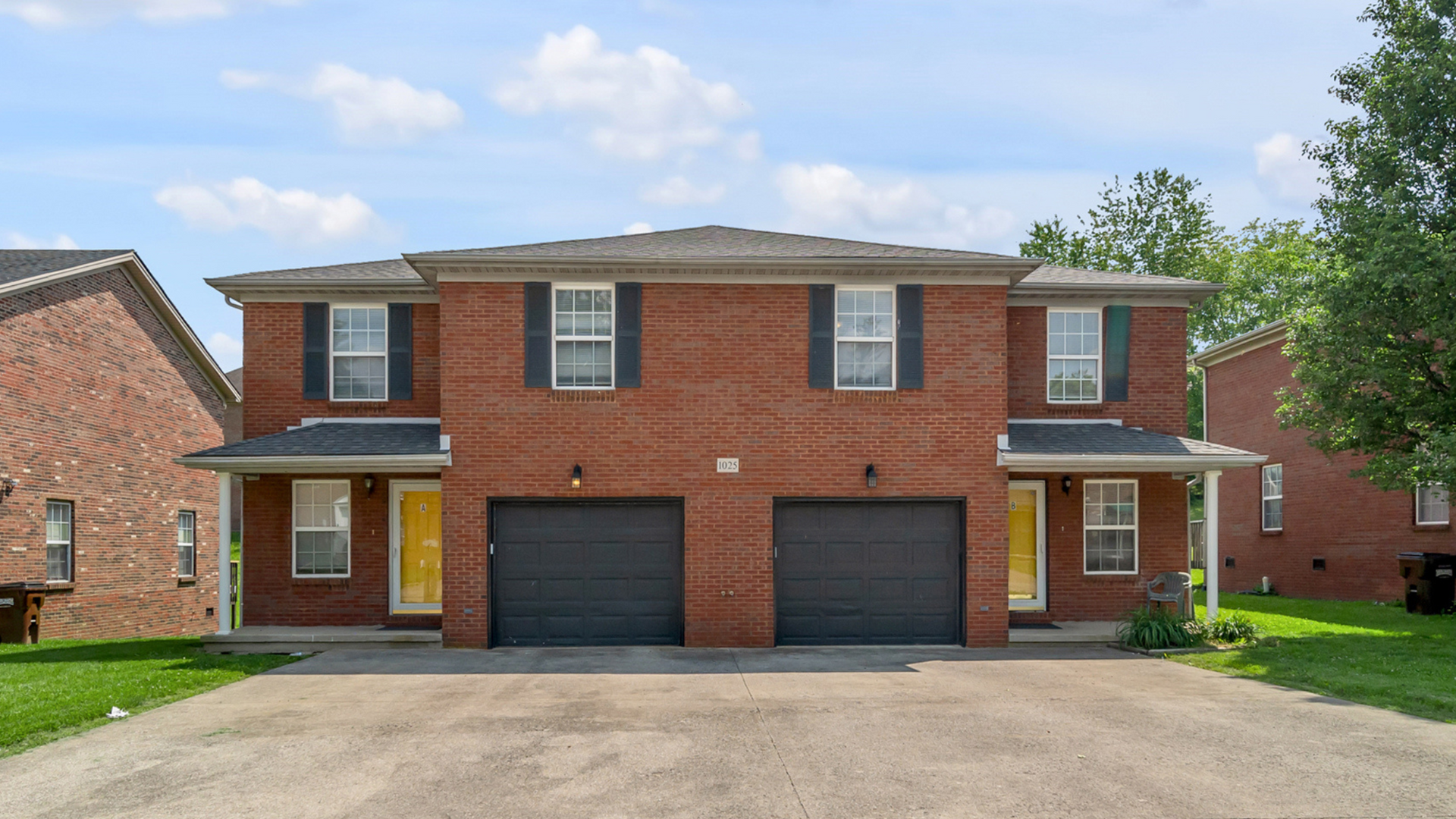
A strong property submission includes monthly rent expectations, what furnishings are included, how utilities and internet are handled, parking capacity including work vehicles, the neighborhood and its proximity to likely job sites, and any deposit or application requirements. Accurate detail and current photos help us match your property to the right crew.
Fewer Turnovers, Same Property
If you are ready to move away from constant short term turnover, tell us about your property and we will let you know whether it fits crew housing in your area.
Submit Your PropertyQuestions first? Call 859-249-8641.