
Construction projects rarely slow down because the work itself is impossible. More often, progress is lost in the gaps between planning, staffing, logistics, and communication. Housing is one of those gaps.
When a project brings workers into a new city or region, the team needs somewhere practical to sleep, shower, cook, park, and recover between shifts. If that housing is not arranged quickly, workers face long commutes, uncomfortable lodging, scattered bookings, or last-minute changes. The result is higher costs and unnecessary pressure on project managers, foremen, and crews.
The challenge is sharper while construction employers are already competing for skilled workers. Associated Builders and Contractors estimated in 2025 that the industry would need to attract 439,000 additional workers that year to meet demand. The Associated General Contractors of America has also reported that labor shortages contribute to project delays for many firms.
Reliable crew housing will not solve every workforce problem. It can, however, remove one major source of friction.
The fastest way to find housing for construction teams is to treat the search as a project requirement, not as a last-minute hotel booking. Here is how.
Why Finding Housing for Construction Teams Takes Longer Than It Should
Finding accommodation for one person is usually straightforward. Finding it for an entire construction team is different.
A crew may need several bedrooms, multiple beds, parking for work vehicles, laundry facilities, kitchens, flexible dates, and a location close enough to the jobsite. The stay may last a few weeks, several months, or change as the project schedule develops. Some workers arrive together while others join later or rotate out. That combination creates complexity.
The project details keep changing
Construction schedules are not always fixed. Mobilization may move forward or backward. A phase may finish early. A change order may extend the project. A subcontractor may add workers with only a few days' notice.
If housing is booked without considering these possibilities, the company faces cancellation fees, unused rooms, or a frantic search for additional beds.
The person searching is not always the person approving
A project coordinator may be responsible for finding housing but may not have authority to commit company funds. A superintendent may know exactly what the crew needs but may not control the budget. A finance or procurement team may need a quote, purchase order, contract, or tax documentation before approving the booking.
When the search begins before the approval process is understood, good options disappear while internal questions are being answered.
Price comparisons can become misleading
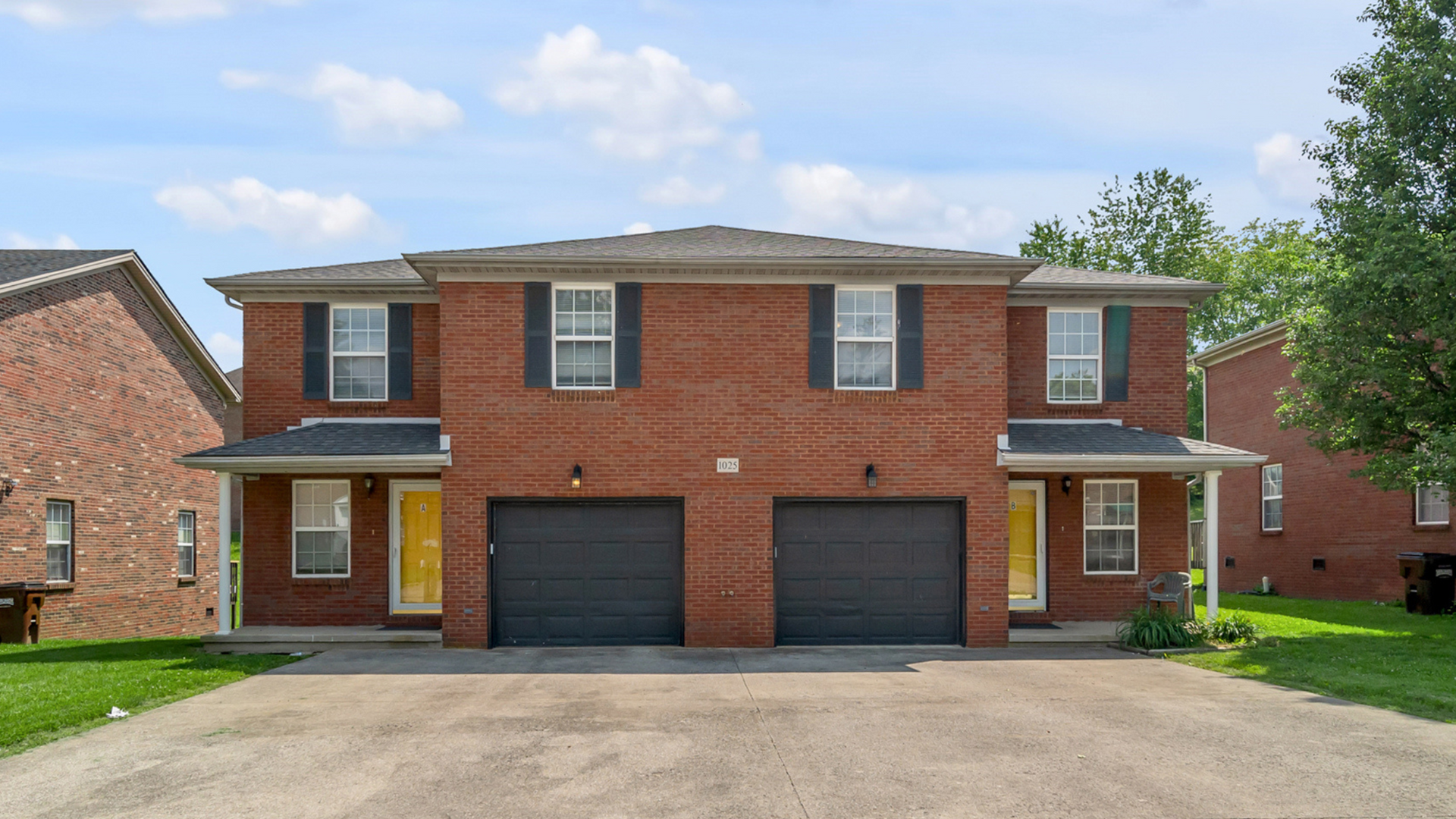
A low nightly rate is not the lowest total cost. A property farther from the jobsite requires more fuel, more vehicle wear, and more drive time. A hotel room looks inexpensive until the team needs several rooms for multiple months. A furnished house may cost more per night but include a kitchen, laundry, living space, and enough beds for the whole crew.
The correct comparison is not "what is the cheapest room?" It is:
- What will the entire stay cost?
- How much time will the crew spend traveling?
- What facilities are included?
- How much coordination will the arrangement require?
- Can the booking adapt if the project changes?
Long commutes deserve serious attention. Research on work schedules has connected long hours, commuting, and sleep concerns with fatigue and drowsy driving risk. Housing closer to the jobsite supports a more manageable daily routine, though every employer should still maintain appropriate fatigue-management and safety practices.
The search is often too broad
Searching for "cheap accommodation near [city]" returns too many irrelevant results. The search gets faster when the brief identifies the actual need: number of workers, number of beds, jobsite location, maximum acceptable commute, dates, parking, kitchen and laundry needs, room-sharing preferences, budget range, and flexibility requirements.
Specific information produces specific options.
Write the Housing Brief Before You Search
Before opening a booking website or contacting a housing provider, write a short housing brief. It does not need to be complicated. It needs to be accurate enough for someone else to quote the right solution.
Project and location
Start with the project address or nearest major intersection. If the work takes place at multiple sites, list each location and identify which one is the priority.
Do not rely only on the city name. A property in the same city may still be inconvenient if traffic, bridges, site access, or regional geography creates a long commute.
Include:
- Project address
- Nearest town or city
- Expected commute limit
- Worksite access restrictions
- Whether workers need to report at unusually early times
Dates and duration
List the expected arrival date, first workday, anticipated end date, and any known extension risk.
For example:
- Arrival: May 4
- Work begins: May 5
- Initial stay: 12 weeks
- Possible extension: 4 to 8 weeks
- Crew rotation: two workers may arrive in June
A clear date range lets the housing provider identify suitable availability. Mentioning a possible extension early also helps you request terms that do not create unnecessary disruption later.
Occupancy and bed arrangement
State both headcount and sleeping requirements. "Eight workers" does not tell a provider whether you need:
- Eight private bedrooms
- Four bedrooms with two workers per room
- A combination of private and shared rooms
- Separate accommodation for a supervisor
- Space for rotating workers
Be specific about the arrangement the company will accept. Our view on room sharing is that one worker per bedroom is worth protecting, but the decision is yours and the provider needs to know it up front.
Facilities and practical requirements
Construction teams need more than a bed. Consider:
- Full kitchen
- Refrigerator and freezer
- Laundry machines
- Reliable internet
- Parking for trucks, vans, and personal vehicles
- Outdoor space
- Multiple bathrooms
- Air conditioning or heating
- Workspace for a supervisor
- Accessibility requirements
- Pet policies, if applicable
- Quiet-hour restrictions
- Rules concerning work gear or equipment
Not every item is essential. Sort them into must have, strong preference, and nice to have. This stops minor preferences from slowing the search.
Billing and documentation
If the company needs invoices, tax forms, purchase orders, or a specific billing name, put that in the brief. The right property is unusable if it cannot meet the company's payment or documentation requirements.
Confirm Headcount and Who Can Approve the Spend
Two questions should be answered before serious searching begins. How many people need housing, and who has authority to approve it? They sound simple, but uncertainty in either area delays a booking more reliably than anything else on this list.
Confirm the real headcount
Project staffing often changes between the initial estimate and mobilization. Ask the project team to confirm:
- Current headcount
- Expected additions
- Expected departures
- Crew rotation dates
- Whether supervisors need separate rooms
- Whether subcontractors are included
- Whether workers will share bedrooms
Build in a small amount of flexibility where appropriate, but avoid paying for empty beds without a clear reason. A housing provider may be able to offer an adjustable occupancy arrangement or help add rooms later.
Identify the decision-maker
The person searching should know who approves the budget, who signs the agreement, who can authorize a deposit, who handles purchase orders, who can approve a change in dates, who receives invoices, and who is the on-site contact.
If several people are involved, set out a simple approval path:
- Project coordinator gathers options
- Superintendent confirms location and layout
- Finance approves budget
- Procurement issues purchase order
- Housing provider receives final authorization
This avoids the common situation where a housing option is found but cannot be secured because nobody is ready to approve it.
Set an approval limit
A budget range is more useful than a vague instruction to keep it cheap. Establish the maximum acceptable total cost and clarify whether it includes cleaning fees, utilities, taxes, service fees, deposits, parking, pet fees, and early termination or extension costs.
Ask for the total expected cost, not only the advertised rate.
Search on Requirements, Not Price
Price matters, but using price as the first filter makes the search slower.
If you begin with the cheapest available option, you spend hours reviewing properties that do not have enough beds, parking, laundry, or suitable dates. Then you repeat the process with a new set of requirements. Search by operational fit instead.
Start with the jobsite and commute
A practical commute is one of the most important requirements. Look at actual travel time during the hours workers will drive, not the distance on a map. A property that is close in miles may be slow to reach in congestion, while a slightly more distant property on a reliable route may be more practical.
Filter by capacity
Confirm the maximum occupancy and bed count. Pay attention to the difference between bedrooms, beds, sleeping surfaces, maximum guests, legal occupancy, and available bathrooms. A listing may describe itself as suitable for a large group while providing fewer beds than the crew requires.
Filter by facilities
For extended stays, kitchens and laundry materially affect comfort and total cost. The U.S. General Services Administration identifies furnished apartments, condominiums, and extended-stay residential options as categories used for longer-term lodging.
That reflects a useful principle: the best housing format depends on the length and structure of the stay. Hotels work for short mobilizations. Furnished homes are usually more practical for larger crews staying weeks or months. Our guide to construction crew housing covers the formats in more detail.
Compare total value
Evaluate each option using a consistent checklist:
- Total accommodation cost
- Cost per worker
- Commute time
- Parking capacity
- Number of beds
- Number of bathrooms
- Kitchen and laundry access
- Utilities and internet
- Deposit requirements
- Cancellation terms
- Extension flexibility
- Administrative effort
The right option meets the project's needs at a reasonable total cost. It is not necessarily the one with the lowest advertised nightly price.
Call Instead of Messaging
Online forms and messages are useful for creating a record, but a phone call is usually the fastest way to solve a time-sensitive housing problem.
A call clarifies in minutes what takes a day of back-and-forth messages:
- Is the property actually available for the full period?
- Can the property accommodate construction workers?
- Is parking suitable for work vehicles?
- Are utilities included?
- Can the stay be extended?
- What deposit is required?
- How quickly can the agreement be finalized?
A call also lets you explain the project. A housing provider may have an alternative property that is not obvious from the original listing.
Prepare before calling
Have the housing brief ready. Be prepared to state crew size, dates, jobsite location, bed arrangement, must-have facilities, budget range, approval timeline, and contact information for the decision-maker.
Avoid opening with a long, unstructured explanation. Lead with the facts that determine availability.
Confirm the conversation in writing
After the call, send a short written summary covering the property discussed, dates, number of workers, included services, total quoted cost, deposit, cancellation or extension terms, and next steps.
This protects both sides from misunderstandings and gives the approving manager a clear record.
Know Which Checks Are Safe to Skip
Speed does not mean ignoring important checks. It means separating essential due diligence from low-value research.
Checks you should not skip
Before committing, verify:
- The property address
- The identity of the housing provider or owner
- Availability for the complete initial stay
- Number of bedrooms and beds
- Maximum permitted occupancy
- Basic safety and habitability
- Working utilities
- Bathroom and kitchen access
- Parking arrangements
- Written pricing and terms
- Payment instructions
- Cancellation and extension policies
- Local rules that may apply to the rental
Smoke alarms, safe access, functioning utilities, and suitable occupancy are not optional details. Requirements vary by jurisdiction, so follow local law and company policy. Get the arrangement in writing rather than relying on informal assumptions.
Checks you can streamline
You probably do not need to spend hours on:
- Decorative details
- Neighborhood amenities unrelated to the project
- Minor furnishing preferences
- Reading every online comment
- Comparing dozens of properties after one meets the brief
- Demanding a perfect long-term fit for a short, clearly defined stay
The goal is not to eliminate due diligence. It is to focus it on the risks that affect safety, cost, legality, or project operations.
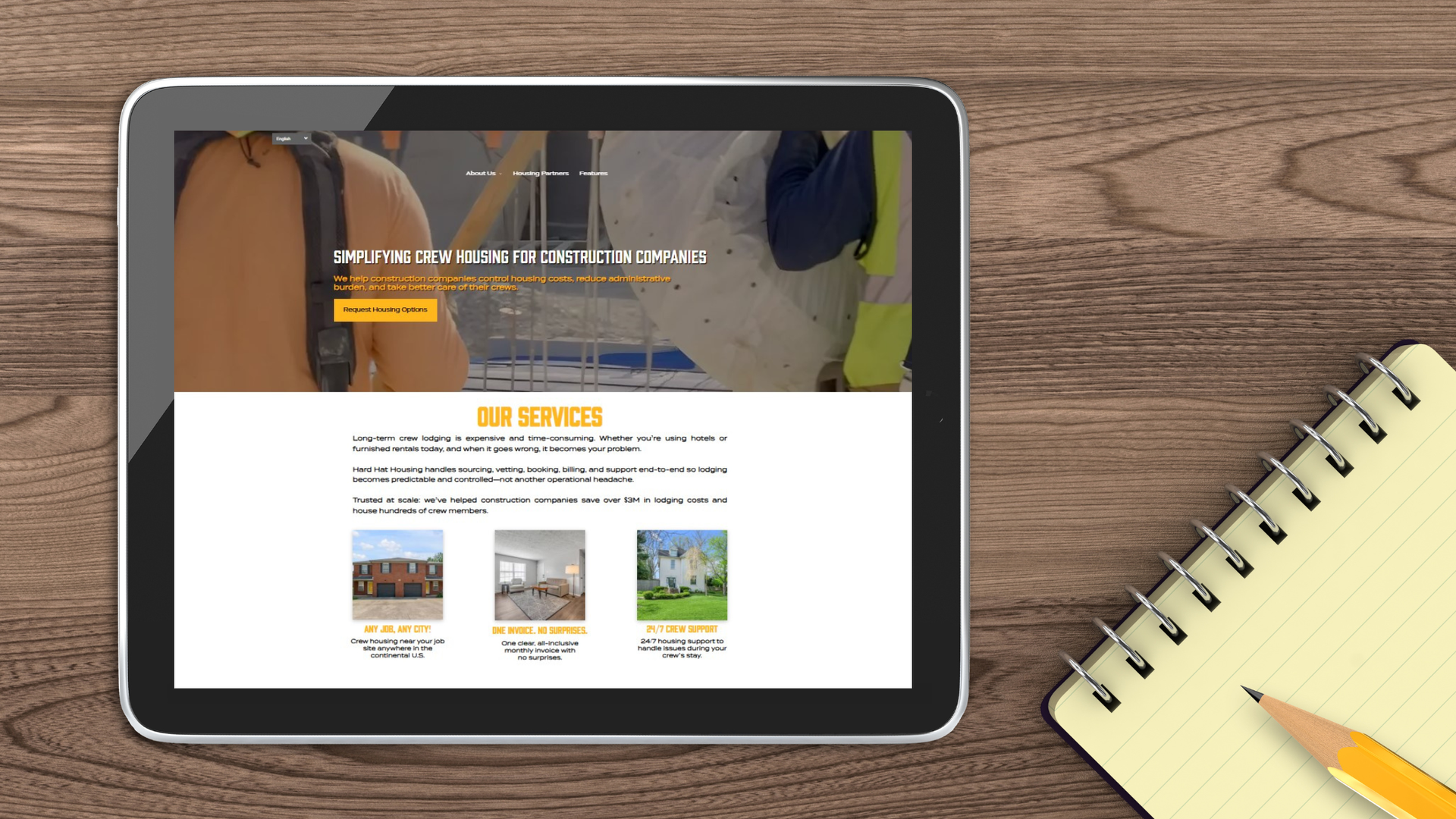
Find Housing for Construction Teams Fast With Hard Hat Housing
Construction teams need housing that works in the real world: near the project, available for the required dates, suitable for the crew, and straightforward to approve.
That is what we do. Instead of leaving project teams to search through unrelated listings, we work from the details that actually matter:
- Where the project is located
- How many workers need accommodation
- How long they will stay
- What bed arrangement they need
- What budget and approval requirements apply
With a clear brief, the search gets more efficient. Project managers spend less time reviewing unsuitable options and more time coordinating the work that keeps the project moving.
A faster housing process
- Send the project details.
- Confirm headcount, dates, and required facilities.
- Review suitable housing options.
- Verify the terms and total cost.
- Secure the accommodation through the approved contact.
- Manage extensions or crew changes as the project develops.
This matters most when a project is mobilizing quickly, when workers are traveling from outside the area, or when a large crew needs to be housed together.
Housing is part of project planning
Accommodation belongs alongside labor, equipment, transportation, and site logistics. It affects where workers sleep, how they travel, how much time they have to recover, and how easily the company can respond to staffing changes.
The fastest search is not the one with the most listings. It is the one that starts with a complete brief, reaches the right decision-maker, verifies the important details, and secures a suitable option without unnecessary delay.
Have a project mobilizing soon? Send us the location, dates, headcount, and bed needs, and we will come back with housing options near the site along with what each one costs all in.
Request Housing OptionsNeed it faster? Call 859-249-8641.