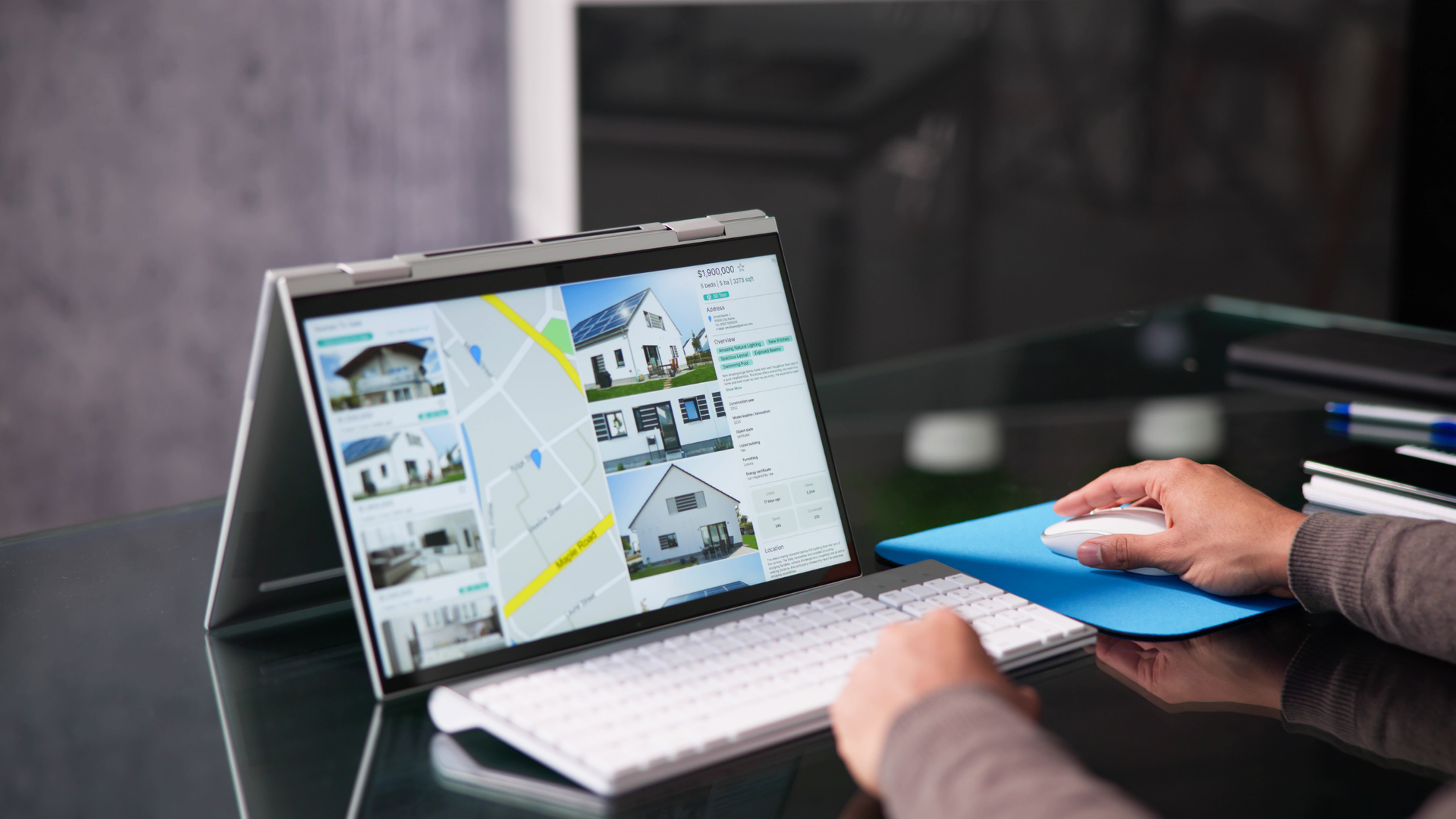

What Construction Workers Need in Temporary Accommodation
In construction, there’s one piece that often gets overlooked: where the crew goes at the end of the day.
We’re talking about housing.
It’s easy to assume a bed and a microwave are enough. But for the people spending long hours on job sites, in every kind of weather, housing can either help them reset, or wear them down even more.
Temporary accommodation for construction workers shouldn’t just meet the basics. It should support the physical and mental well-being of the crew. Because when workers are comfortable, rested, and treated with respect, everything runs smoother, from productivity to safety to project timelines.
So what do crews really need?
1. Room to Breathe
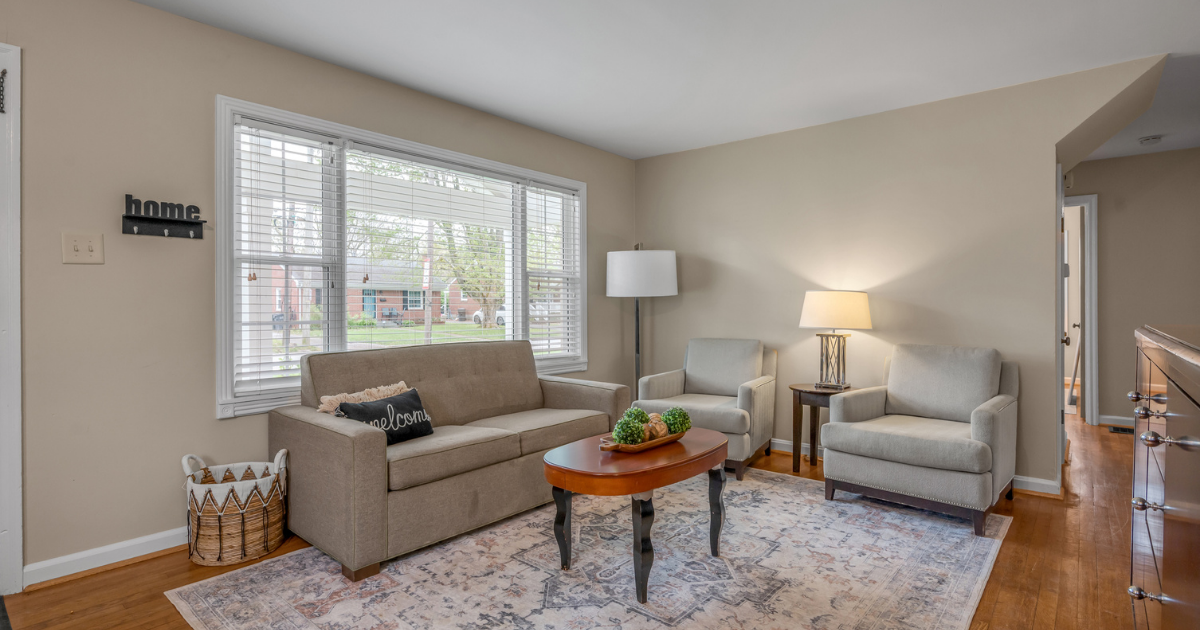
After a long shift, no one wants to feel boxed in. Crews need space: somewhere to relax, spread out their gear, maybe even call home in peace.
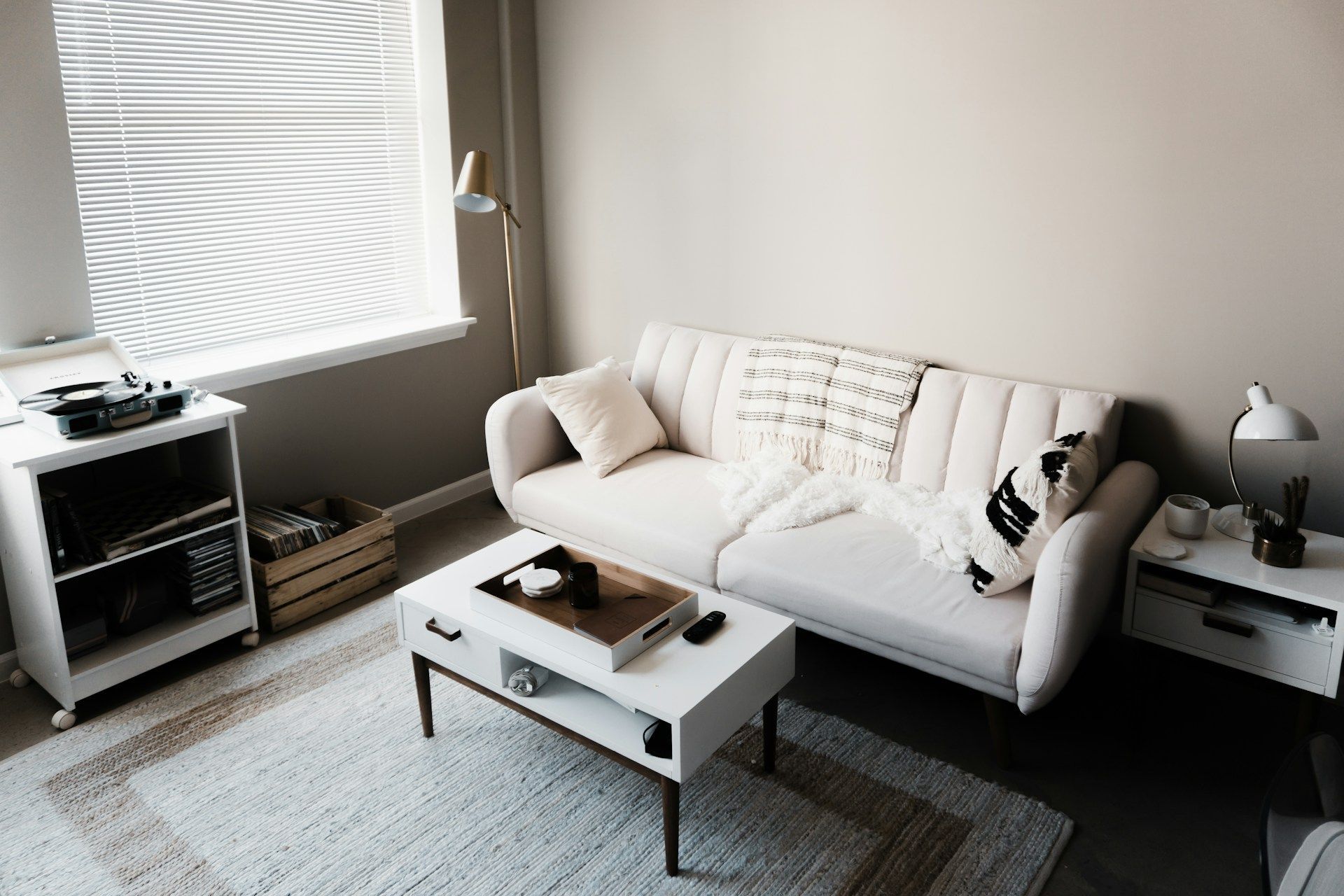
Open common areas, private or semi-private bedrooms, and storage options make a huge difference. When there’s space to breathe, there’s space to recharge.
2. Real Rest
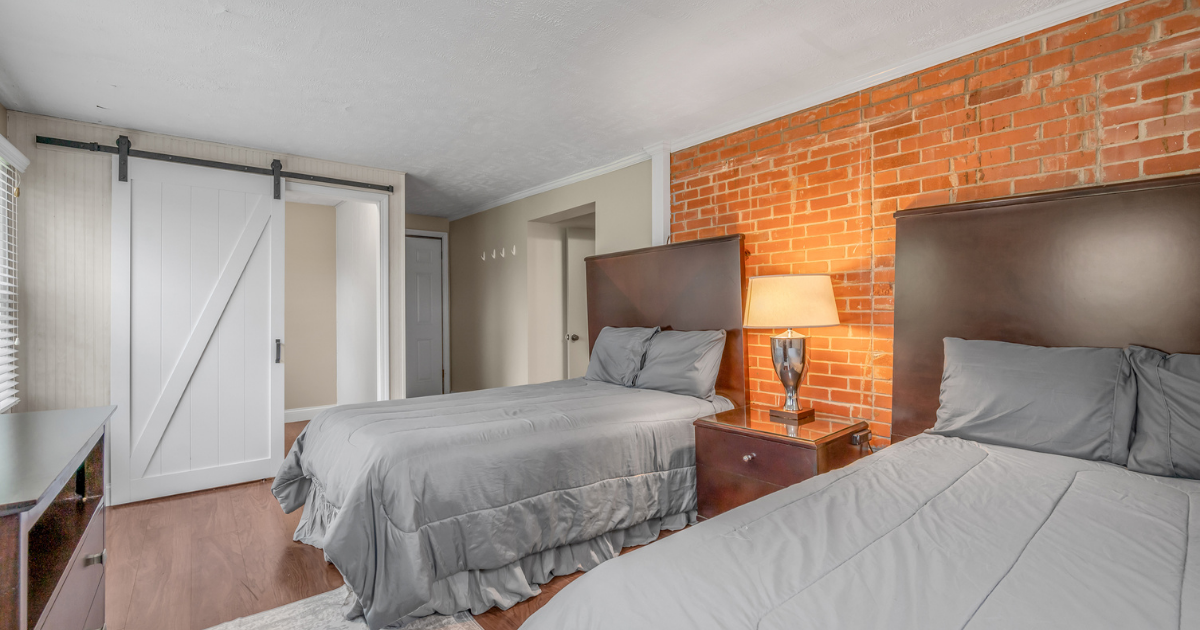
Construction work is tough. Getting solid sleep isn’t optional, it’s essential.
Things like blackout curtains, quiet neighborhoods, supportive mattresses, and no squeaky furniture can make or break a good night’s rest. And good sleep = better work.
3. Internet That Works

Crews don’t just unplug when the day ends. They call family, watch a game, scroll social, or plan tomorrow’s tasks. Fast, reliable internet helps them feel connected—even when they’re far from home.
And yet, it’s one of the most common things missing in temporary accommodation for construction workers.
4. A Kitchen That’s Actually Usable
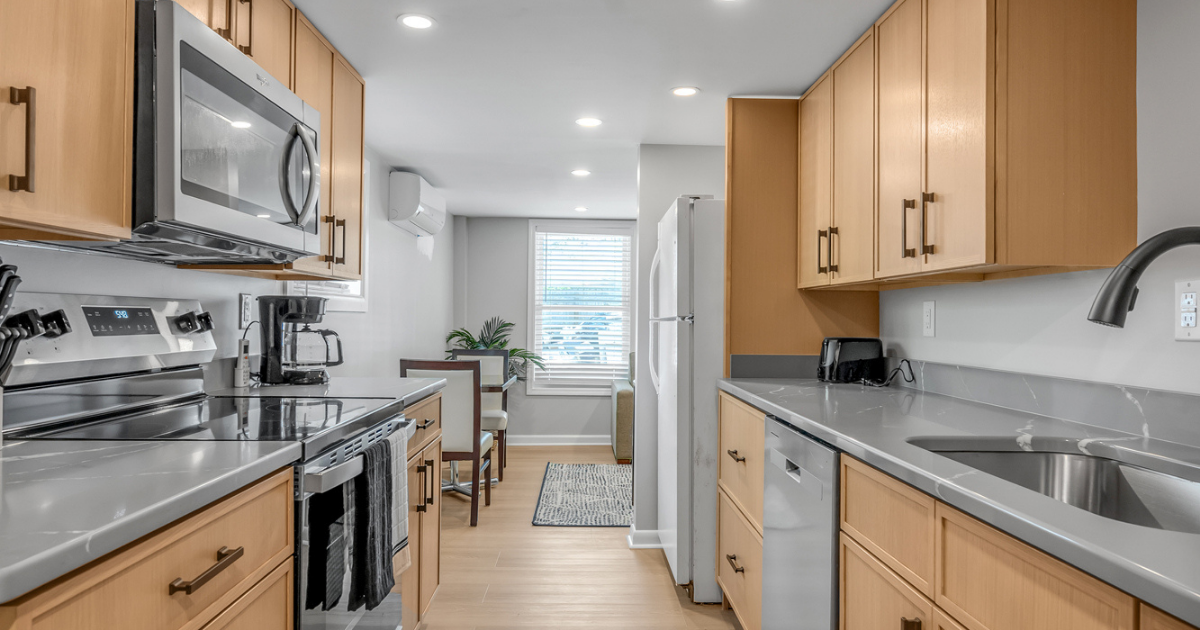
When you’re working 10+ hour days, having a real kitchen can mean the difference between eating fast food or a proper meal. Crews appreciate full-size fridges, working stoves, microwaves, and the cookware to pull a simple meal together. It gives them normalcy.
5. Laundry On-Site
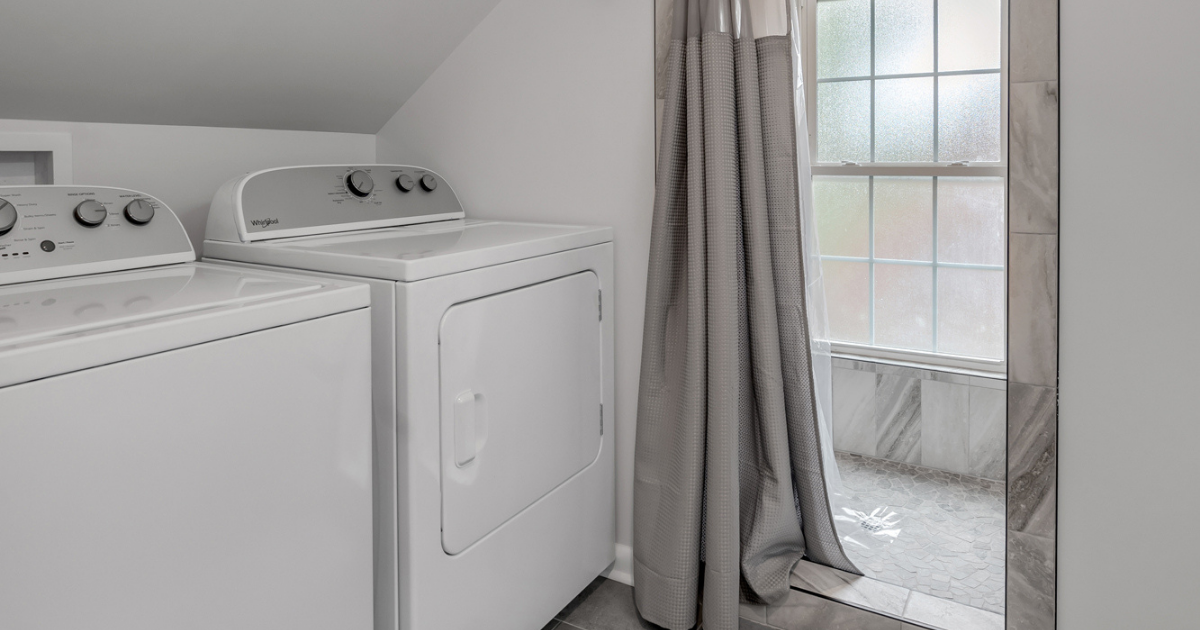
Work clothes get messy. Often.
If there’s no washer and dryer, crews are spending their evenings at a laundromat instead of recovering. On-site laundry is one of the most appreciated amenities—and one of the most overlooked.
6. Parking That Makes Sense
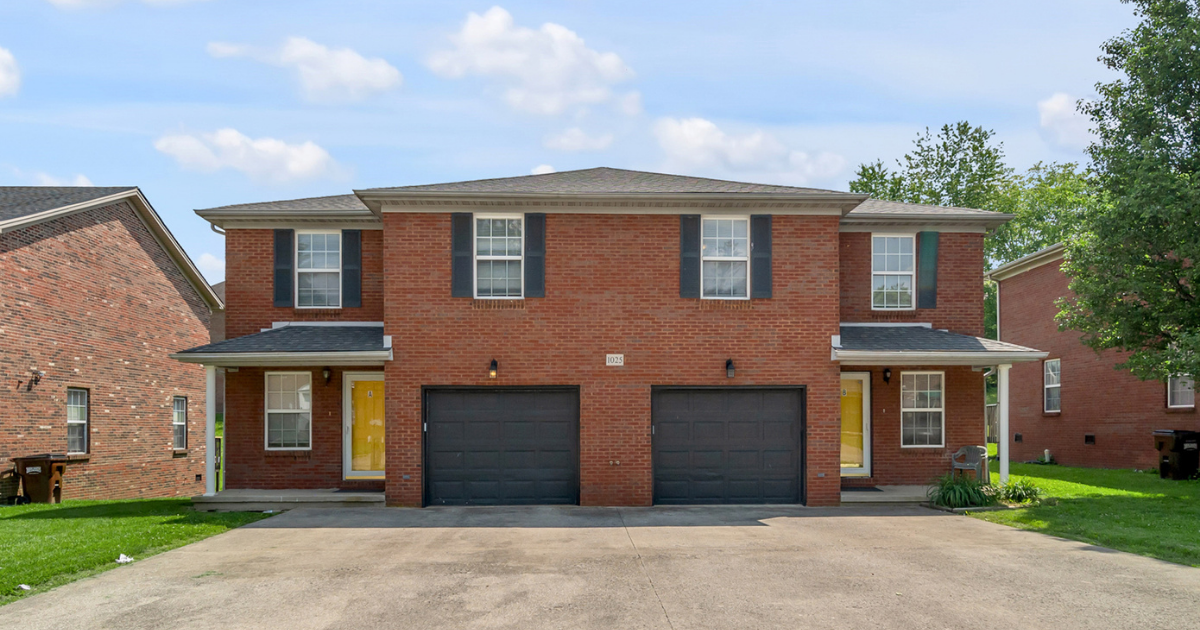
Big trucks. Trailers. Vans.
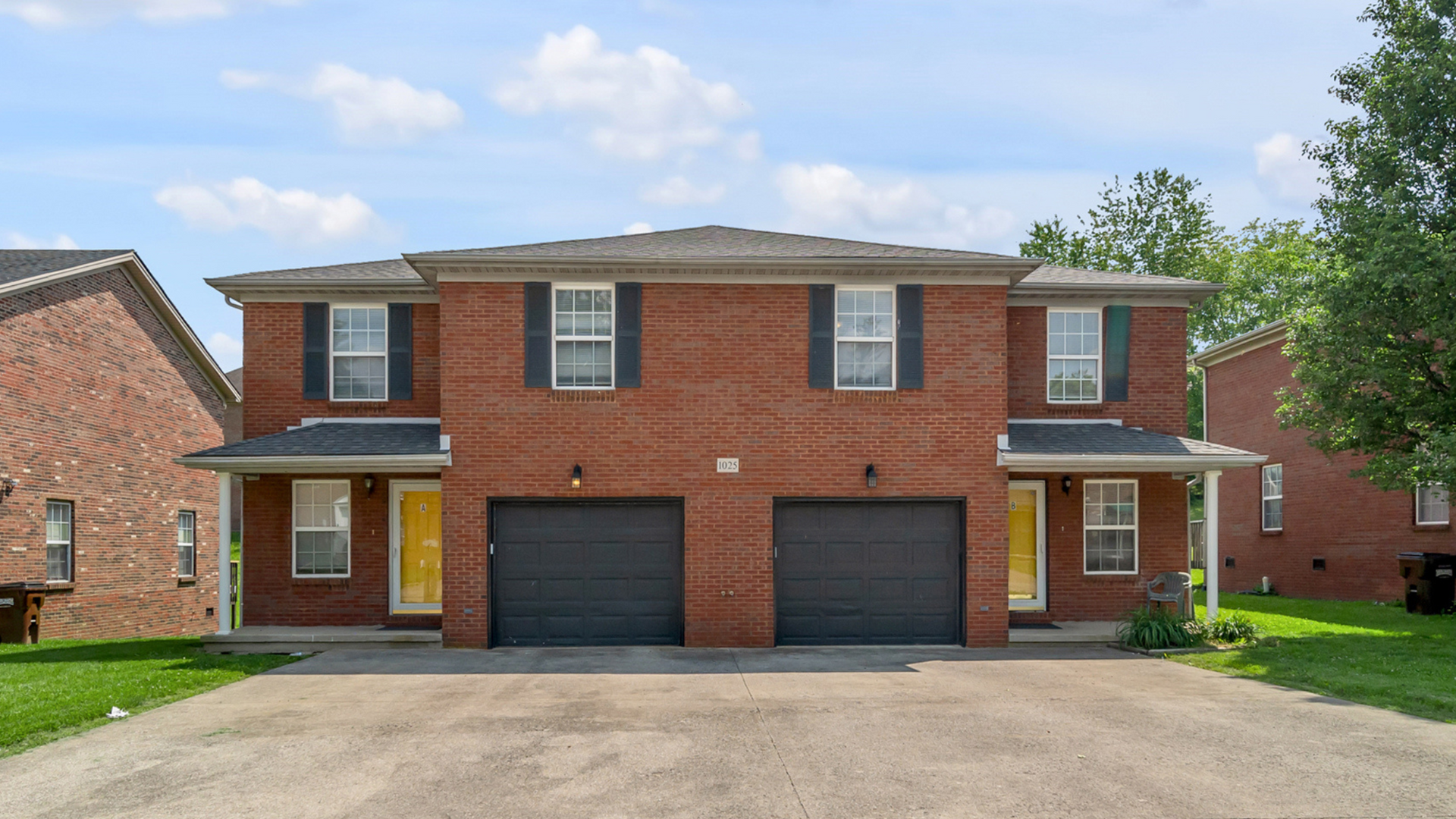
Parking should be spacious, easy to access, well-lit, and close by. Simple, but crucial. If crews have to circle the block or squeeze into tight spots, it adds more stress to an already long day.
7. Respect
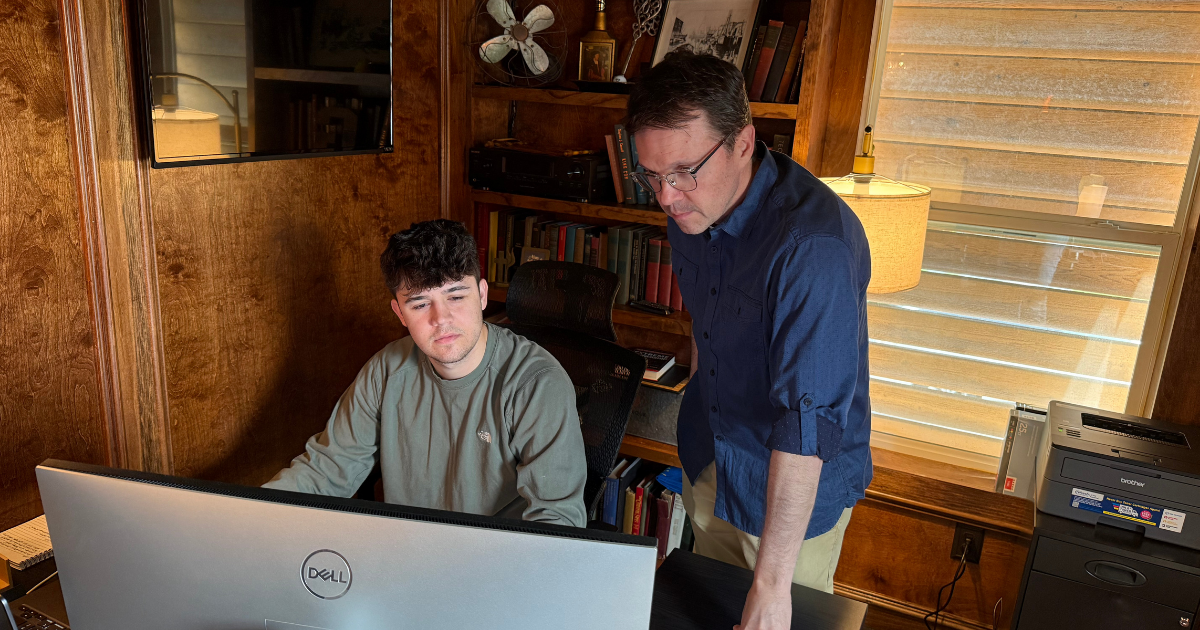
This one isn’t about furniture or fixtures—it’s about how people are treated.
Crews don’t want to feel like a hassle. They want clear terms, fair treatment, and housing providers who see them as professionals doing essential work.
Respect sets the tone for everything else.
8. Clean, Move-In Ready Spaces
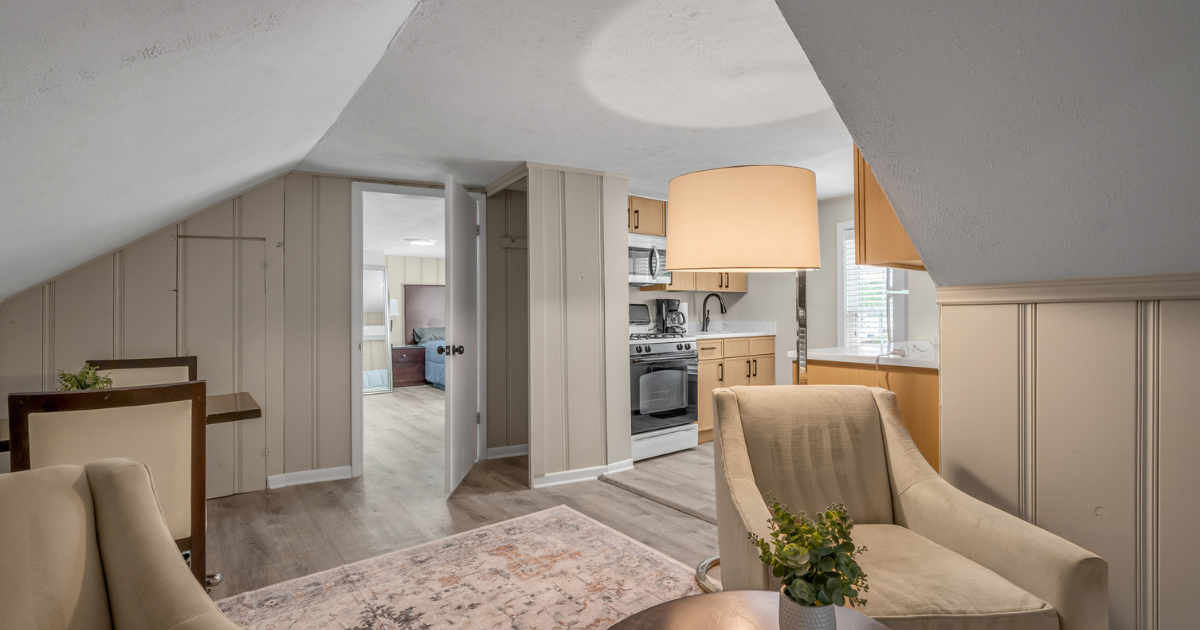
Nobody wants to walk into a dirty kitchen or a mystery smell in the bathroom. Clean spaces—fresh linens, tidy floors, stocked essentials—show that someone cared before they arrived.
And that goes a long way.
9. Close to the Job Site

A long commute after a long shift? No thanks.
The closer the housing is to the job site, the better. If that’s not possible, easy highway access helps. Time saved on the road is time earned for rest.
10. A Few Comforts
A soft chair. A decent table. A working TV.
Little things can make a temporary place feel more like a home. It’s not about extras—it’s about ease, familiarity, and care.
Temporary accommodation for construction workers isn’t just part of logistics—it’s part of project success.
When workers feel cared for, they stay longer, work safer, and create fewer delays. And that’s what we’re all aiming for.
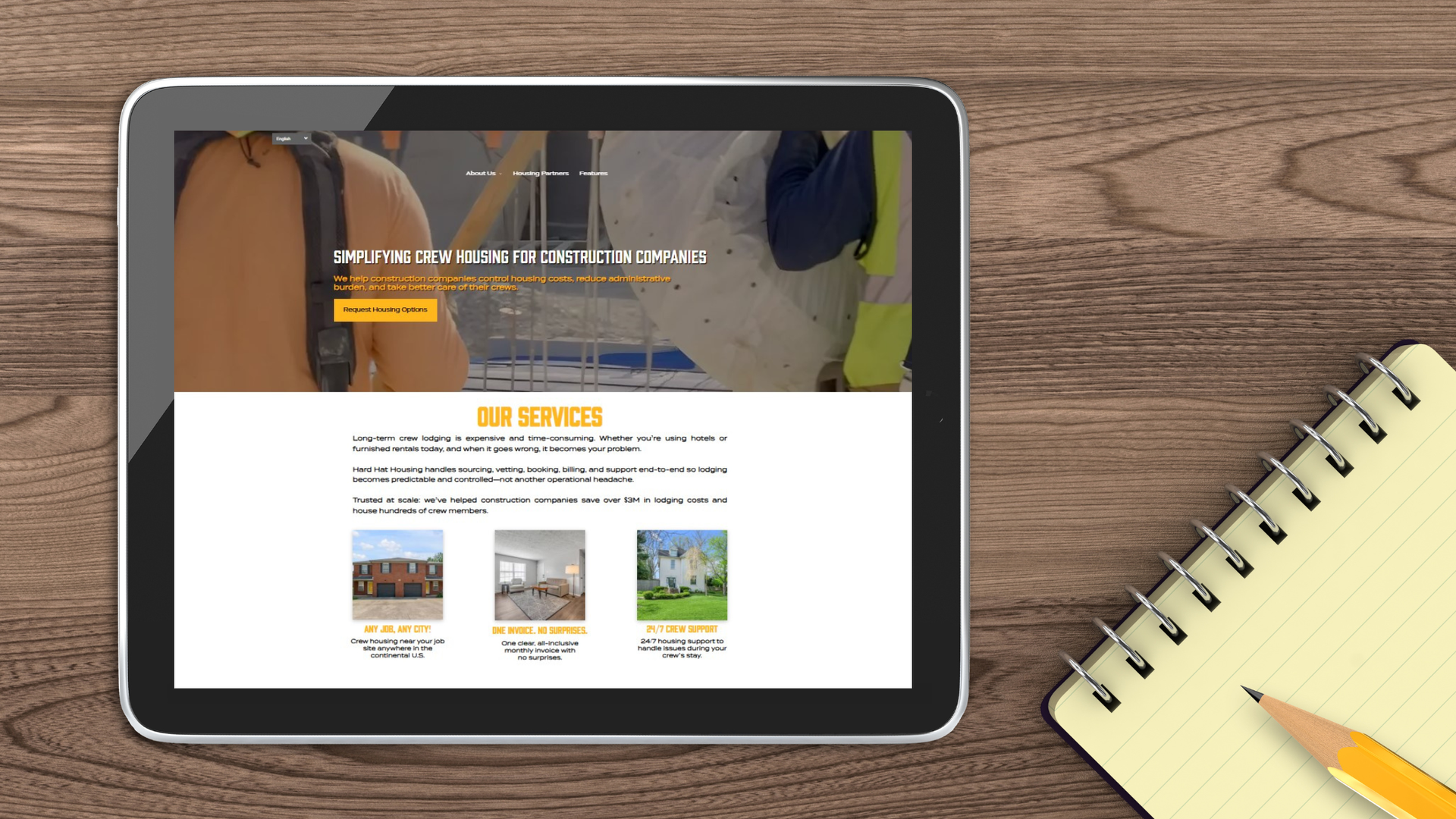
At Hard Hat Housing, we make sure every crew has a place that supports them, not just shelters them. Because the people doing the hard work deserve a place that works just as hard for them.
Need help finding better housing for your crew? Let’s make it simple. Contact us now.