
Why Construction Teams Need More Than Hotel Rooms
Ask any foreman or project manager who’s sent crews on the road, and they’ll tell you: living in a hotel for weeks on end gets old fast. Construction teams, whether they’re building a residential development or a commercial high-rise, often find that standard hotel rooms just don’t cut it for long-term stays. It’s clear that today’s construction crews need more than a place to sleep; they need a place to live.
Comfort and Morale: Why a Hotel Room Falls Short
After a 10 or 12-hour shift, a construction worker’s biggest need is real rest. Unfortunately, the typical hotel setup (often two or more crew members per room) is a recipe for poor sleep and low morale. Between a roommate’s snores, thin walls, and the general lack of privacy, it’s hard to recharge. Fatigue isn’t just a minor annoyance; it directly impacts safety.
In fact, accident rates are 18%
higher on evening shifts and 30%
higher at night, with marathon 12-hour days linked to a 37%
jump in injury risk. Combine those long days with a noisy motel situation, and you have a crew that’s burned out and prone to mistakes. It’s no surprise that crews vent about this online. For example, one tradesman on Reddit asked what to do about sharing a hotel room with his foreman who kept him up all night, and the outpouring of sympathy he received showed how common (and hated) forced room-sharing is. As one construction worker put it bluntly,
“Workers are already away from their own beds, family and friends. The least the companies can do is get workers their own private room.” When people feel like they’re just being “crammed in” to save a buck, it takes a toll on team morale.
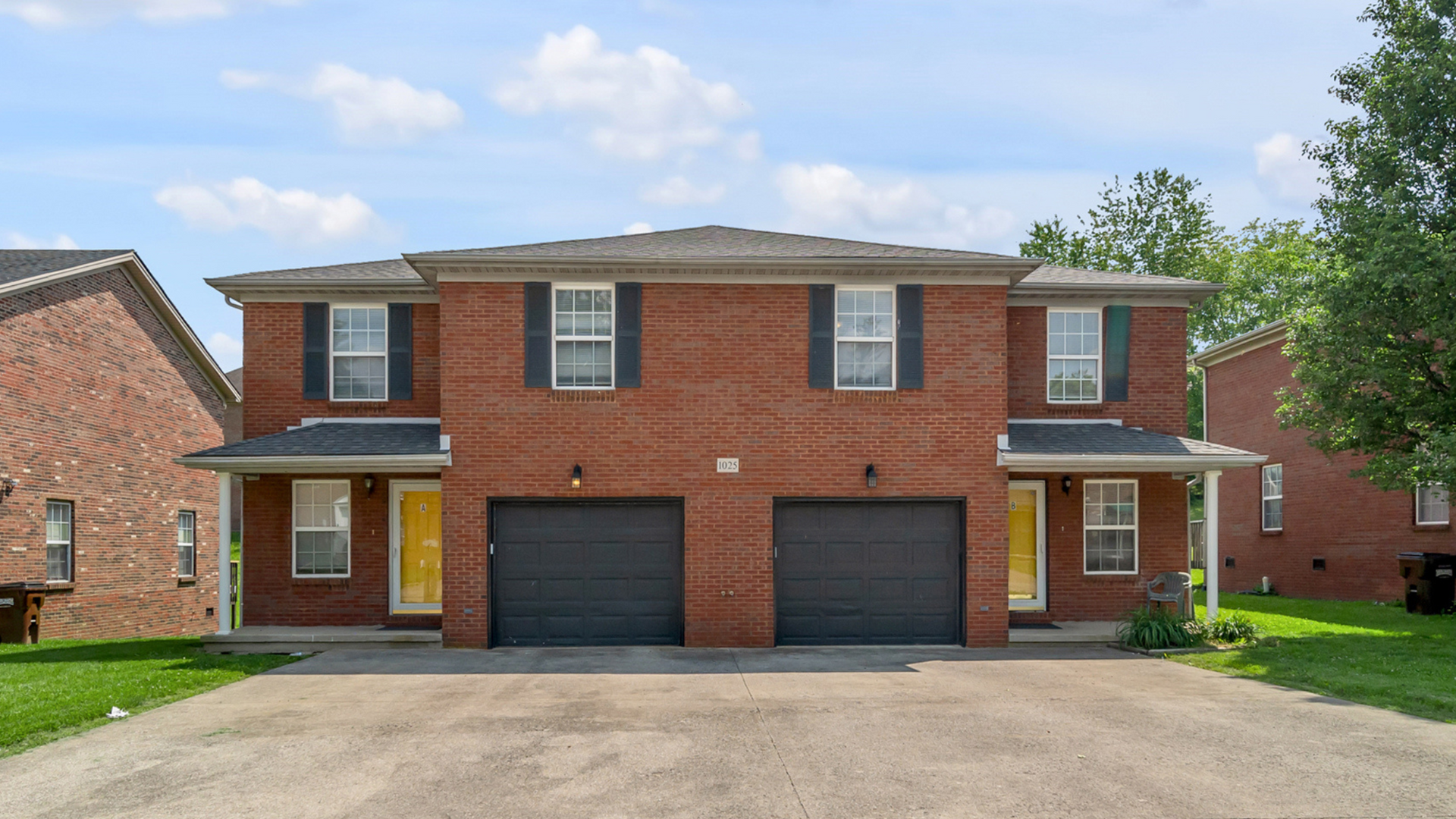
Now imagine giving that same crew a comfortable house or apartment to stay in. Instead of fighting over the TV or tiptoeing around each other in a single hotel room, each team member can have a private bedroom and a quiet space to decompress. It’s a world of difference. They can cook a decent meal in a real kitchen, do their laundry, and stretch out in a living room after work. One superintendent described the change vividly:
“Living in hotels on the road gets old quick. Switching over to [a place] with kitchens, laundry, and a living room has been a game changer.” When workers walk into a peaceful, home-like environment (maybe they grab a cold drink from their own fridge or call family over a stable Wi-Fi connection) they feel valued and can truly recharge for the next day. That refreshed energy shows up on the job site as better focus and higher morale. On the flip side, if they’re stuck splitting beds and living out of suitcases, you eventually pay for it through errors, accidents, or even crew members quitting early. In short, comfortable crew housing isn’t a luxury or “extra” perk – it’s fundamental to keeping a crew happy, safe, and productive.
Logistics & Location: Beyond the Hotel’s Limitations
Another major downside of the hotel routine is the daily commute and logistical juggling. Construction projects aren’t always near a city with plenty of hotels, so your crew might be driving 30, 40, or 60 minutes from the nearest available lodging. Those long drives aren’t just tiring;
commutes are actually a reason people change jobs. Every extra mile cuts into the small window workers have to sleep, eat, or talk to their families. (Academic research has linked long, grinding commutes to exhaustion and poorer performance on the job.) And let’s not forget the safety risks: driving pre-dawn or late at night on unfamiliar roads adds an element of danger that has nothing to do with the work itself. (About
24% of U.S. weather-related car crashes occur on snowy or icy pavement, which is exactly the conditions a winter construction crew might face on a long haul back from a motel.) Housing the team closer to the site is a smart hedge. A 5- or 10-minute commute means workers can sleep a bit longer and arrive more alert. It also means they’re less likely to be delayed by traffic or bad weather. There’s a direct payoff in productivity too as shorter commutes directly translate to more on-time, effective workdays. Simply put, putting your crew in lodging near the jobsite buys you extra hours of productivity and a lot fewer headaches.
Logistics matter for managers as well. Constant hotel check-ins, check-outs, and a stack of receipts can turn into a part-time job for your project coordinator. Midterm rentals simplify all that.
One superintendent noted that with a crew house, “we check in once at the beginning and once at the end. Hard Hat Housing has made it simple.” Instead of juggling multiple bookings and rooming lists, the crew settles into one residence and you receive
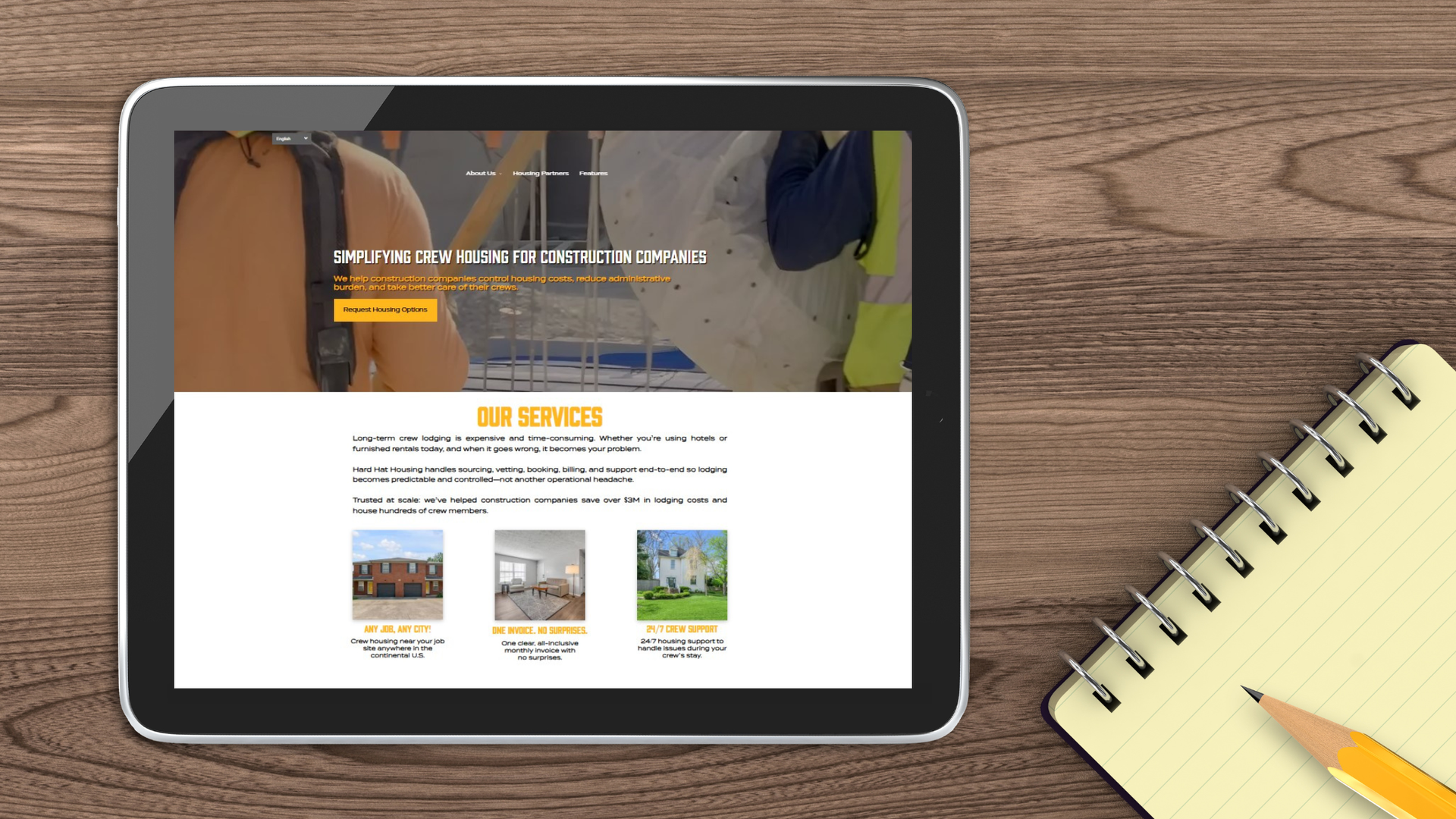
one monthly invoice with no surprises. We handle the furnishings, utilities, Wi-Fi, and even monthly cleaning. In short, dedicated crew housing lifts a huge burden off your plate and keeps everyone focused on the project, not the lodging.
Cost-Efficiency: Counting the Real Costs (and Savings)
Cost is often the first thing people consider in the hotel vs. housing debate. Hotel bills add up quickly, especially on long jobs. Even with so-called long-term rates, multiple rooms mean multiple nightly charges (and taxes). In contrast, renting a house or apartment for the crew often comes out much cheaper per person.
Many companies save about 25–35% by housing crews in rentals instead of hotels. Plus, with a real kitchen available, crews spend less on restaurant meals.
There’s another side to the equation: the
hidden costs of unhappy, unrested workers. Saving $100 a night on lodging means nothing if your crew is miserable and half of them quit mid-project. Turnover is incredibly expensive in construction. Replacing even one skilled worker can cost anywhere from
$6,000 to
$15,000 when you factor in recruiting, hiring, training, and lost productivity. And that’s for a single person. If a bad housing situation causes multiple crew members to bail, those costs skyrocket (along with the schedule impacts). That kind of turnover is devastating (and far more costly than paying for better lodging in the first place). Even short of outright quitting, consider the costs of fatigue-related mistakes or accidents: rework, downtime, or insurance claims can dwarf a lodging bill. The bottom line is that skimping on housing can be a false economy. Savvy construction managers recognize that paying a bit more for the
right accommodations yields a huge return. As one construction executive put it, the “ROI of housing” isn’t just a soft benefit, it can be the difference between keeping a high-performing foreman through the final phase or losing them to a competitor because your crew was doubled up in a far-off motel. In other words, investing in decent crew housing
pays for itself by preventing costly problems and delays.
At Hard Hat Housing, our mission is to give crews a
home-away-from-home so they can stay comfortable and productive on the road. We provide crew lodging that checks all the boxes: a real house or apartment near the job site, with
private bedrooms, a full kitchen, laundry, Wi-Fi, and regular cleaning – all bundled into one package. Our team handles all the planning and logistics, so you don’t have to worry about finding or managing housing.
One client told us that over the past year we “saved us money, made our field staff much happier and more comfortable,” calling the switch from hotels “a no-brainer.” The payoff for you is a crew that stays longer and works safer, because a crew that lives well works well.
It’s time to retire the old idea that a motel is “good enough” for traveling construction crews. Crew housing is directly tied to safety, efficiency, and employee happiness. A comfortable bed, a quiet room, a home-cooked meal – none of these are pampering. They’re practical investments in your team’s well-being. When construction teams have more than just a cramped hotel room – when they have a true home away from home – they perform better and stick around longer. At Hard Hat Housing, we’ve built our service around this simple truth. We know that when you treat crews like valued professionals by providing quality housing, they reward you with loyalty and quality workmanship. The bottom line: construction teams need more than hotel rooms, because better living conditions aren’t just about comfort – they’re about building a foundation for success on every jobsite.
Ready to move beyond hotels and give your hard-working crew the comfort and convenience they deserve?
Contact Hard Hat Housing
to discover crew-focused midterm rentals that boost morale, cut costs, and simplify logistics.