
Crew Housing Solutions for Construction Teams
Did you know that traveling construction crews face unique housing challenges? These hardworking individuals often find themselves shifting from one project to the next while seeking safe, comfortable, and affordable accommodations. If you've ever been part of a traveling crew, you know how crucial it is to have a reliable place to unwind after a long day's work. In this blog, we will dive into the importance of quality housing for your crew, share real stories of successful crew housing transformations, and guide you through improving the housing experience for your team. Join us as we explore invaluable insights that can elevate crew living conditions and, consequently, job performance.
Understanding Crew Housing Needs
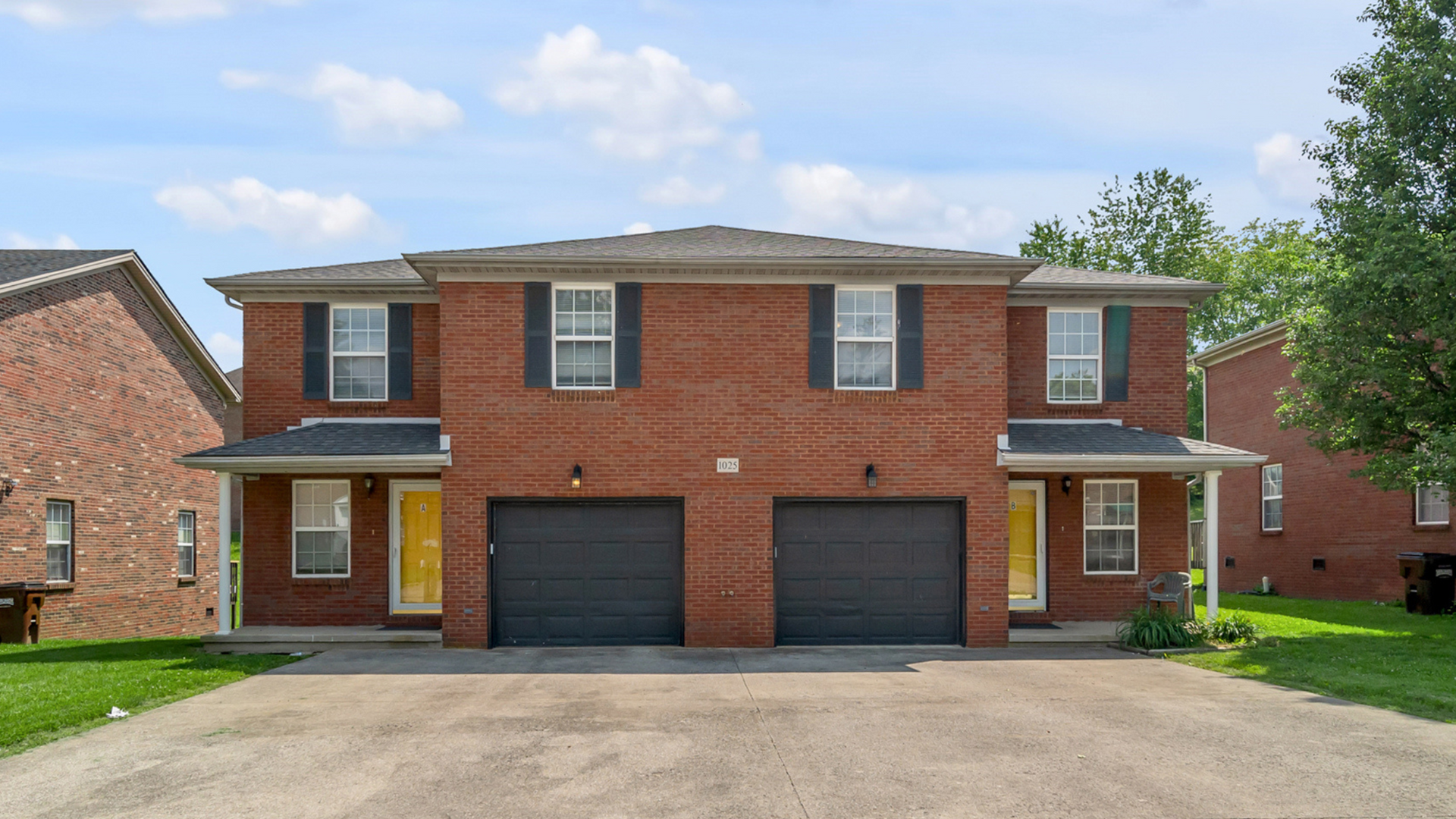
The need for proper housing becomes even more significant when considering the challenges faced by traveling construction teams. Unlike standard hotels, which may not accommodate group needs or offer an ideal environment for relaxation, tailored crew housing solutions offer flexibility, safety, and convenience. Moreover, improving the quality of crew accommodations can lead to happier, more productive workers.
The Impact of Poor Housing Conditions
Poor housing conditions can lead to lower morale, decreased productivity, and, ultimately, higher turnover rates. When crews are uncomfortable or feel unsafe, it affects their performance on the job site. Construction work often requires intense physical and mental focus, and without a proper environment to return to, crew members may struggle to maintain their motivation and effectiveness.
Why You Should Invest in Quality Crew Housing
Investing in quality crew housing can lead to long-term gains. Here are some reasons to consider:
1. Improved Worker Morale:
Comfortable and safe living environments lead to happier workers, leading to fewer issues on-site.
2. Enhanced Productivity: When crews can rest and recharge, they are more focused and dedicated. This can translate to better work performance.
3. Fostering Team Bonding: Quality crew housing encourages camaraderie, allowing workers to build relationships that positively impact teamwork.
4. Cost Efficiency: While it may seem counterintuitive, investing in better housing can save money in the long run as it reduces turnover and recruitment costs.
Real Stories: Crew Housing Transformations
To illustrate the effectiveness of investing in crew housing, let’s explore some inspiring stories of transformation from motels to dedicated crew accommodations.
Story 1: The Illinois Construction Crew
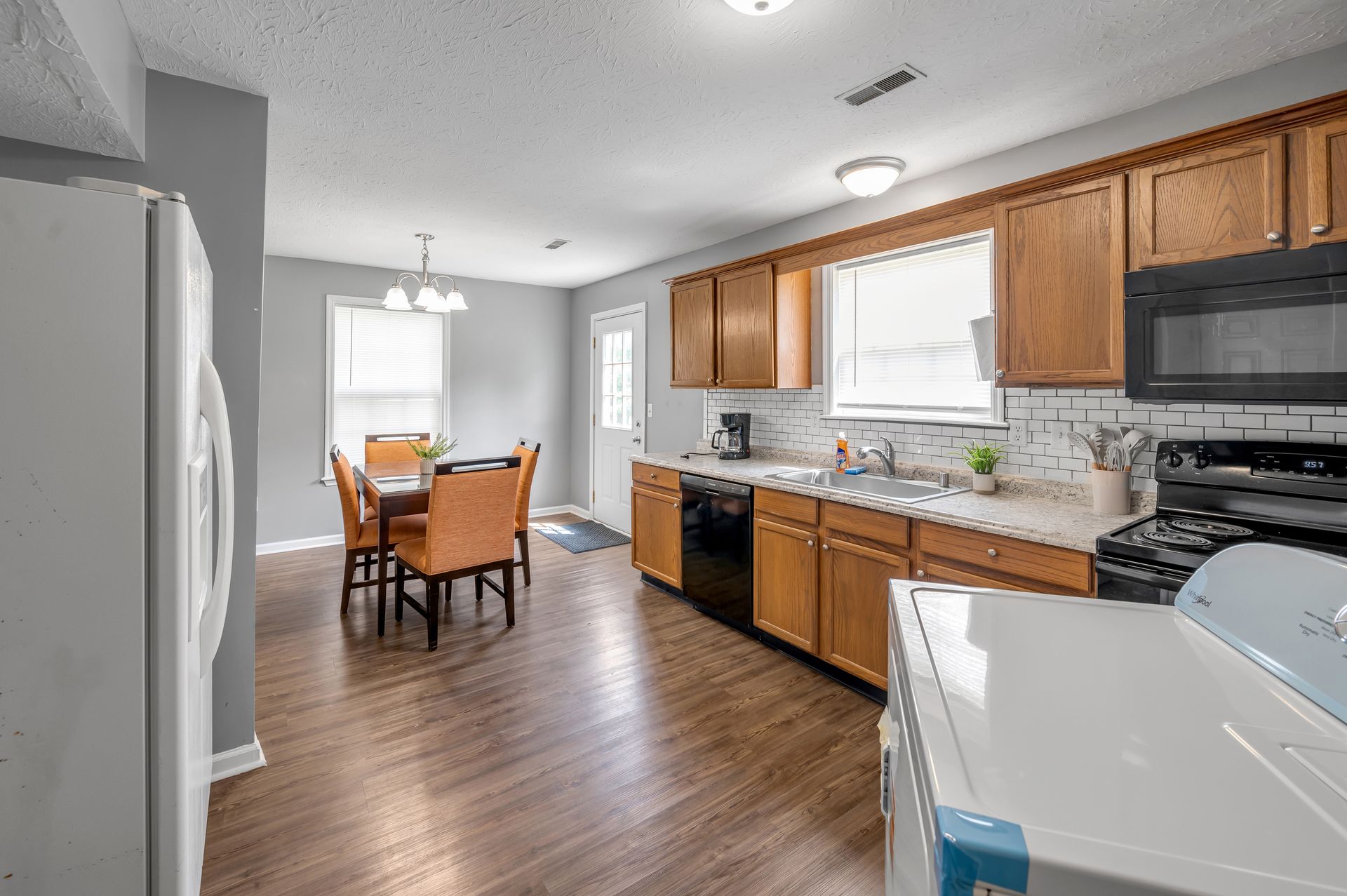
A construction crew in Illinois faced significant challenges staying in a series of motels, often dealing with poor conditions including dirty linens and an unwelcoming environment. After a management decision to invest in dedicated crew housing, the transformation was astounding. The new facility offered an array of amenities such as full kitchens, laundry services, and comfortable lounge areas. Crew morale increased dramatically, leading to a 20% productivity hike.
Story 2: The Texas Pipeline Crew
In Texas, a pipeline construction team often moved between several projects, staying at budget motels. The crews felt exhausted and unmotivated, affecting their output and safety practices. After relocating to a purpose-built crew housing accommodation, they enjoyed well-furnished rooms and recreational facilities. The improvement led to better performance and a notable reduction in safety incidents, ultimately making the project more successful than anticipated.
What Can We Learn from These Stories?
These transformations embody the significant impact that proper housing can have on construction crews. When each member feels valued and secure, it resonates through their work ethic and results. Motivated and satisfied workers not only complete projects on time but also contribute to the overall success story of the construction business.
Steps to Enhance Crew Housing Experience
For construction companies looking to transition from motels to crew housing, there are essential steps to consider:
1. Assess Your Needs: Determine what your crew requires, including the number of residents, types of amenities, and preferred locations.
2. Research Options: Explore different housing options available in the area of your construction site. Consider leasing, purchasing, or partnering with dedicated crew housing providers.
3. Consider Amenities:
Make sure to address critical amenities that enhance crew experience, such as kitchens, comfortable resting areas, and reliable internet access.
4. Plan for Maintenance:
Ensure housing facilities are well-maintained to provide continued comfort and reliability for crews.
5. Foster a Community: Create a community atmosphere by encouraging social gatherings and activities among crew members. The sense of belonging can significantly impact productivity and job satisfaction.
How Hard Hat Housing Can Help
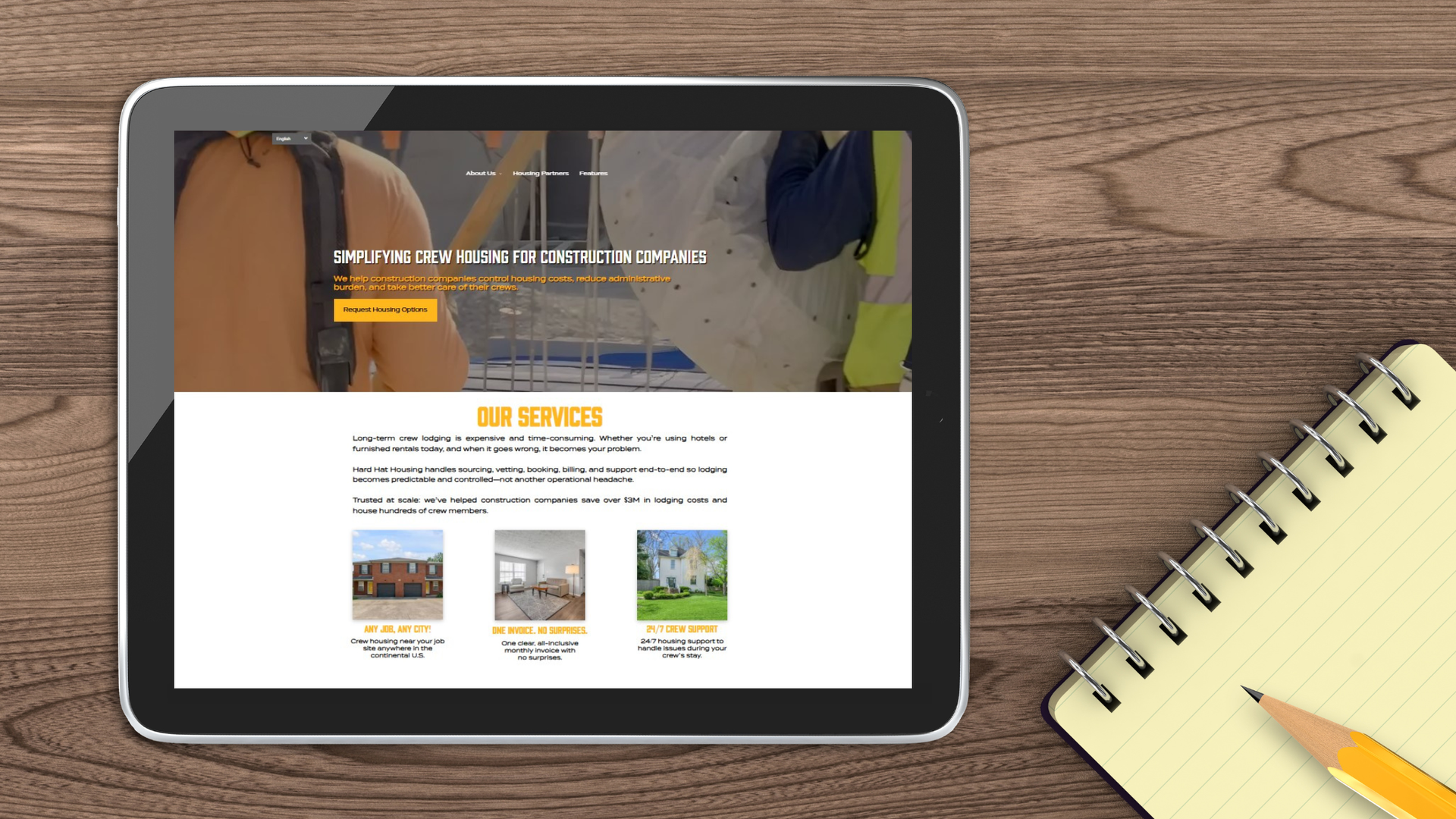
Although this article does not aim to pitch specific services, it’s worth noting that companies dedicated to improving crew accommodations can streamline the process. Partnering with a reliable housing provider can alleviate concerns about managing multiple contracts and housing logistics.
In summary, investing in better crew housing leads not only to higher productivity but also creates a happier work environment. The stories shared in this blog demonstrate real-world applications of this concept and serve as a guide for companies wanting to improve their crew’s living conditions. By adopting a proactive approach and prioritizing crew housing, construction firms can ensure they not only attract but also retain top talent.
Where Do We Go From Here?
As construction companies strive to improve their practices, it is crucial to reconsider how crew housing plays into overall success. Understanding the nuances and implementing changes can vastly improve the lives of traveling crews. Don’t wait.
Call us at Hard Hat Housing today and explore ways to transform your crew housing experience.