
What Crews Actually Expect from Where They Sleep
Content warning: This article includes discussion of suicide and mental health in the construction industry. If you or someone you know is struggling, free support is available 24/7 by calling or texting 988(Suicide and Crisis Lifeline) or by visiting 988lifeline.org.
Ask any superintendent what their crew complained about on the last out-of-town job, and you'll rarely hear about the work. You'll hear about the room. The mattress that felt like a folding table. The neighbor who slammed doors at 2 a.m. The fridge that didn't fit a week's groceries. The TV with five channels and a remote that lived under the bed. These small grievances sound petty until you stack them next to your turnover numbers, your safety incidents, and the silent toll that long stretches on the road take on the people doing the work. Then they stop looking small at all.
Crew comfort expectations are not soft, and they are not optional. They are quietly shaping whether your best people stay or start scanning LinkedIn during their lunch break. And the gap between what crews expect and what they receive on most jobs is wider than most companies realize.
What Crews Actually Expect from Housing
Comfort expectations have shifted. The image of a crew piled into a single hotel room or sleeping in shifts in a bunkhouse is outdated, and so is the assumption that workers will accept whatever housing shows up on the per diem sheet. The standard has moved.
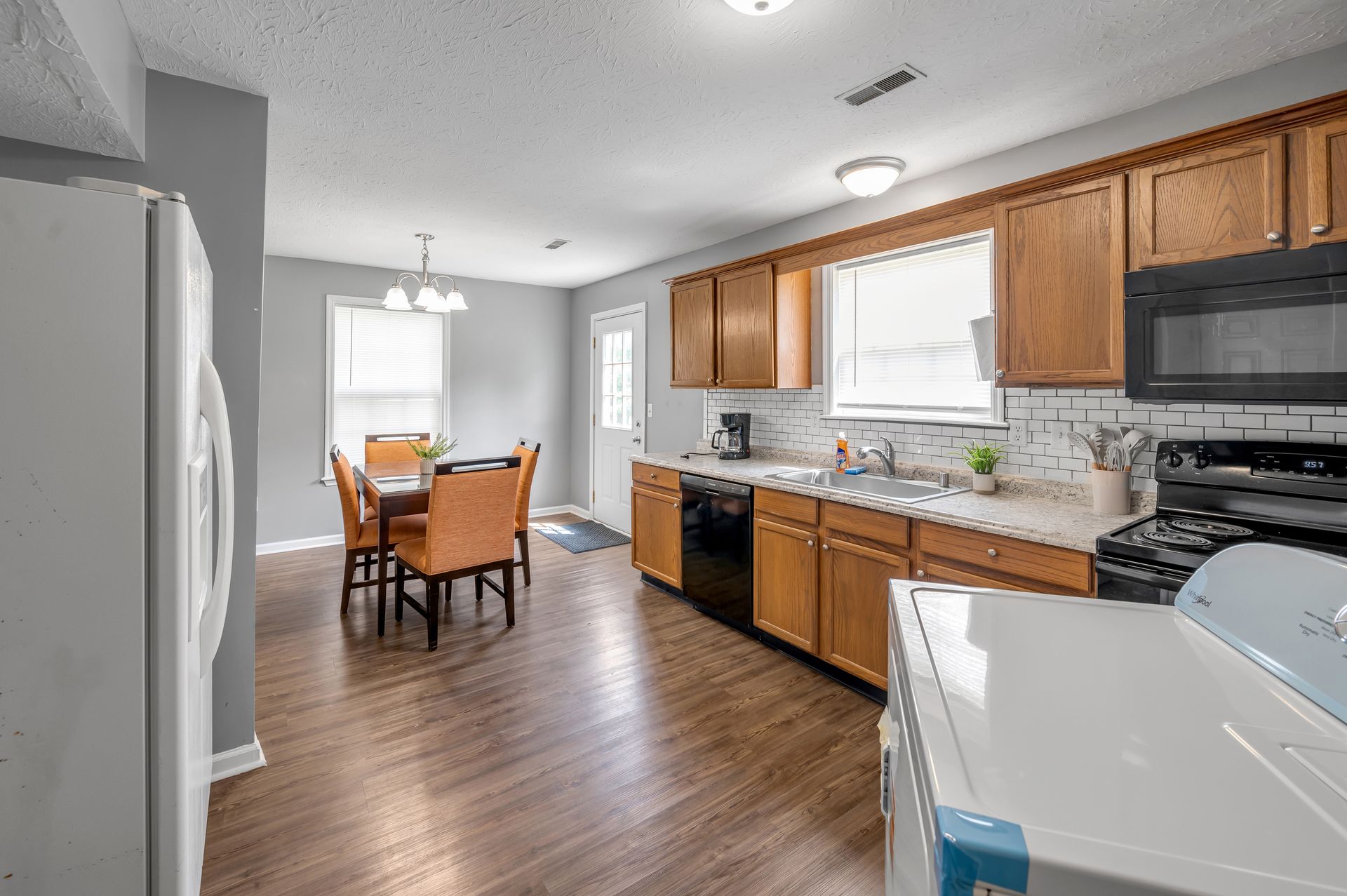
When you read through the construction subreddits and trade forums, the same expectations appear over and over. A private bedroom, not a shared one. A kitchen they can actually cook in, because hot wings five nights a week stops being a perk by week three. A washer and dryer onsite, so they're not driving thirty minutes to a laundromat after a 12-hour day. Reliable Wi-Fi to call home, watch a game, or handle bills. A safe place to park a work truck. Heat that works in February and air that works in August.
None of that is luxury. It is the new baseline. Companies still working from the old baseline are quietly losing people to companies that have figured this out. A clear-eyed look at what separates a crew-ready property from a bare-minimum rental is the fastest way to spot where your current housing is falling short.
The Cost of Getting Comfort Wrong
The financial argument here is not abstract. Construction turnover has historically been one of the highest of any sector, with average annual rates running anywhere from 21% to over 68% depending on role and methodology. Skilled trades alone are estimated at 73%. The U.S. Chamber of Commerce reports that 88% of construction firms struggle to fill open positions, and immigration shifts have narrowed the pipeline that absorbed two decades of demand. Replacing the people you already have is harder and more expensive than it has been in years.
73%
Annual turnover rate in skilled trades positions
88%
Of construction firms report difficulty filling open positions
213%
Replacement cost (of annual salary) for specialized roles
$1.8M
Average annual cost of fatigue per construction company
Industry research puts the cost of replacing an hourly worker at 16% to 20% of their annual salary, and up to 213% for specialized roles. For a mid-sized company with 50 employees and 30% turnover, that's $150,000 to $250,000 a year in churn alone. If poor housing is contributing to even a fraction of that, the math gets ugly fast.
And then there is the safety cost. The National Safety Council found that 100% of surveyed construction workers had at least one risk factor for on-the-job fatigue. Seventy-one percent of construction employers said lack of sleep affected worker productivity, and 45% said worker fatigue was directly responsible for safety incidents. Fatigue alone is estimated to cost the construction industry roughly $1.8 million per company per year. A bad mattress in a bad room is not just an HR problem. It's a safety problem with a price tag. We've written before about why sleep quality matters so much for crews, and the numbers back up what every foreman already knows from experience.
What Crews Hear When You Pick the Wrong Room
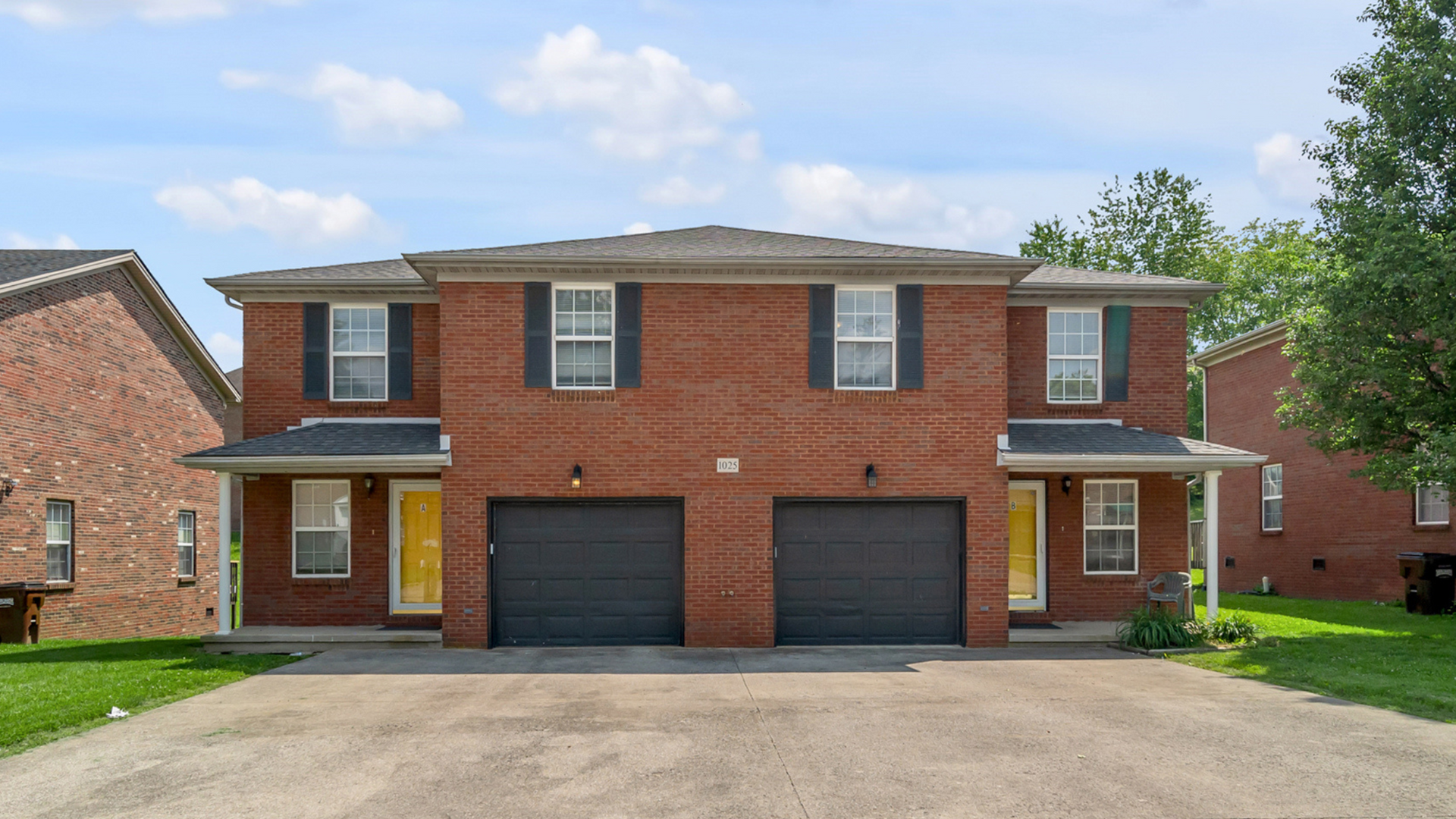
Housing is a message. Every time a crew arrives at a property, they read it. A clean, private, well-equipped place to land at the end of the day tells them the company sees them as professionals worth investing in. A roach-friendly motel with paper-thin walls tells them they are a line item.
It's blunt and it's right. Crews who spend ten or twelve hours together on site do not want to share a room at night. Forced proximity after a long shift erodes morale faster than almost anything else, and it shows up in the second-week energy levels.
When housing communicates respect, loyalty follows. When it communicates indifference, resumes circulate.
The Mental Health Connection No One Wants to Talk About
This is where the conversation gets heavier, and it should. Construction has one of the highest suicide rates of any industry in the United States. The CDC reports that 56 out of every 100,000 male construction workers died by suicide in 2021, roughly four times the national average and nearly six times the rate of all construction fatalities combined. OSHA, the Associated General Contractors, and the Construction Industry Alliance for Suicide Prevention have all sounded the alarm.
There is no clean cause for this. The factors are tangled together: physically demanding work, chronic pain, irregular hours, time away from family, a culture that has historically discouraged talking about any of it. Housing alone is not going to solve a problem this complex, and Hard Hat Housing is not going to pretend otherwise.
But it would be dishonest to leave it out of the conversation. The CDC and OSHA both identify time away from family and isolation as contributing stressors. When a crew member spends three months living in a noisy motel room with a coworker they cannot escape, eating fast food because there is no kitchen, with no Wi-Fi to call home reliably, that stress compounds. When they spend those same three months in a quiet bedroom of their own, in a real house with a kitchen and a couch and a way to FaceTime their kids before bed, it does not solve the underlying crisis. But it removes one of the contributing weights.
Mental Health Resources
988 Suicide and Crisis Lifeline: Call or text 988, or visit 988lifeline.org. Available 24/7.
Construction Industry Alliance for Suicide Prevention: Industry-specific tools and resources at preventconstructionsuicide.com.
OSHA Suicide Prevention Resources: osha.gov/preventingsuicides.
The Five Comfort Expectations That Drive Loyalty
After enough years placing crews, a pattern emerges. The companies whose crews stay book after book have figured out the same five things. None of them are exotic. All of them are skippable. None of them should be skipped.
Private Sleeping Space
A door that closes. A bed nobody else is using. Not a luxury, not an upgrade. The starting line.
A Real Kitchen
Full-size fridge, working stove, basic cookware. Crews who can cook eat better, sleep better, and spend less of their per diem on gas station dinners.
Laundry On Site
Twelve-hour days produce dirty clothes. Washing them should not require planning a Sunday around it.
Quiet at Night
Residential neighborhoods, not highway-adjacent motels. Workers need actual recovery time, not interrupted sleep with a freight train passing through.
Connectivity
Wi-Fi that works without a fight. Cell service that lets them call home. Both of these are how crews stay connected to the lives waiting for them.
Get these five right and the rest tends to take care of itself.
What Loyalty Looks Like When Comfort Is Met
When comfort expectations are consistently met across projects, something quiet happens. Crews stop counting the days until the project ends. They start asking what the next job is. They mention to their friends in the trade that this company is one of the good ones, and over time, recruiting gets easier because reputation does some of the work.
The companies investing in better housing are not doing it because it's the latest HR fad. They are doing it because they did the math, watched the retention numbers move, and realized that housing turned out to be the lever they had been ignoring. The ROI shows up in fewer recruiting cycles, fewer safety incidents, smoother project handoffs, and crews who come back ready to work because they actually rested.
Comfort is not the only thing that builds loyalty. Pay matters. Leadership matters. The work itself matters. But comfort is one of the few levers that compounds quietly across every project, and most companies are still leaving it on the table.
The Quiet Test Worth Running
If you want a quick read on where your company stands, ask one question after the next demobilization: what did you actually think of where you stayed? Not in a survey. In conversation, in the truck on the way back, in the parking lot before the goodbye handshake. Listen for what gets mentioned offhand. The small comments are the real data. Honest answers travel through informal channels, not formal feedback forms, and what crews tell each other about a job site is what they will tell the next recruiter who calls them.
If the answers make you uncomfortable, that's useful. It's the start of a different conversation, and a different way to build the kind of company crews stay with.
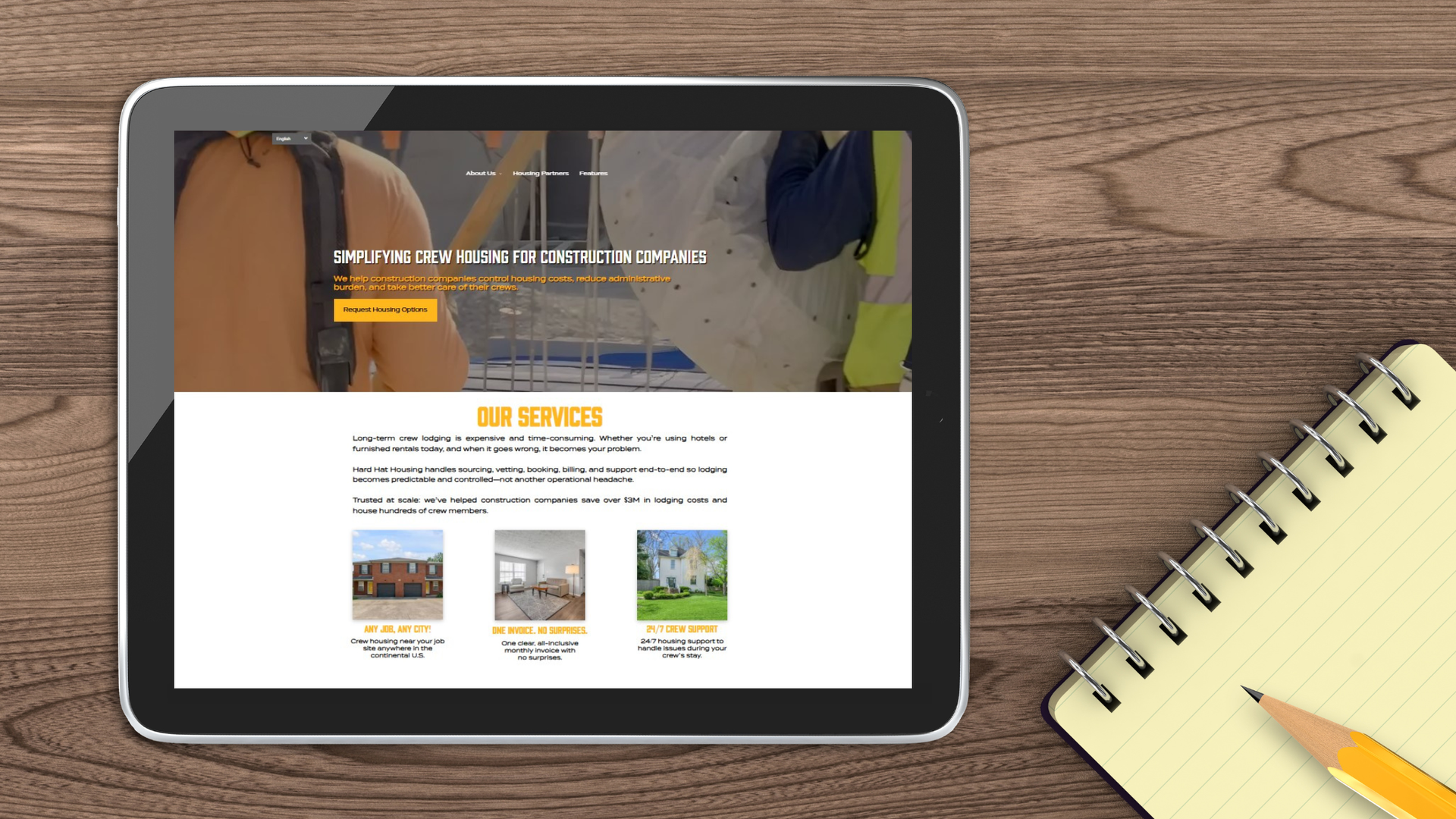
When you're ready to take a closer look at what crew-first housing actually looks like in practice, we'd be glad to walk you through it.
Request Housing Options