
Crew Housing and Worker Retention: Why Comfort Matters More Than Pay
Ask any construction company what their biggest challenge is today, and you’ll probably hear the same answer: keeping good workers.
The skilled labor shortage in construction is real. Projects are growing in size and complexity, but the workforce isn’t keeping pace. Companies are competing for the same pool of experienced workers, and turnover is eating away at budgets and timelines.
The knee-jerk solution? Raise wages.
Of course, pay matters. But here’s the surprising truth: money alone isn’t enough. Over and over, research and real-world experience show that retention has less to do with the size of a paycheck and more to do with how workers feel about their overall experience on the job. And a huge piece of that experience comes down to something few companies talk about: housing.
When crews are placed in safe, comfortable, functional housing, it changes everything—how well they sleep, how they eat, how they connect with family, and ultimately, how long they stay. In fact, the quality of housing can have a bigger impact on retention than a raise ever could.
In this article, we’ll explore why crew housing is central to worker retention, how poor housing drives turnover, and why comfort matters more than pay in keeping crews loyal and productive.
The True Cost of Turnover in Construction
Before we get into housing, let’s talk about turnover itself.
Turnover in construction is more than an inconvenience—it’s one of the most expensive problems companies face.
The Numbers
- Replacing one worker costs $6,000–$15,000 when you factor in recruiting, onboarding, and downtime.
- High turnover disrupts crew cohesion. A crew that’s constantly replacing members loses efficiency and rhythm.
- Projects run late, budgets swell, and reputations suffer.
Why Workers Leave
It’s easy to assume people leave for better pay. And sometimes they do. But surveys show that lack of respect, poor working conditions, and burnout are often bigger reasons. Workers want to feel valued, safe, and supported. When those needs aren’t met, no paycheck is big enough to make them stay.
And that’s where housing comes in.
The Link Between Housing and Retention
For traveling construction crews, housing is not a side detail. It’s their daily reality. Unlike office employees who go home at 5 p.m. to their families, crews on the road live in whatever housing the company provides.
That housing becomes their world. And if it’s bad, retention plummets.
Signs of Poor Housing Impact
- Fatigue: Crews crowded into hotel rooms or bunkhouses don’t sleep well. Poor rest leads to mistakes and burnout.
- Frustration: Long commutes from distant housing eat into personal time and wear workers down.
- Isolation: Lack of Wi-Fi or poor living conditions cut workers off from family, increasing loneliness and stress.
- Disrespect: Workers feel like they don’t matter when housed in substandard conditions.
All of that leads to workers leaving mid-project, looking for companies that will treat them better—even if the pay is the same.
Why Comfort Beats Pay
So why does housing sometimes matter more than wages when it comes to retention?
1. Comfort = Recovery
Construction is grueling. After 10–12 hours on a site, comfort isn’t a luxury—it’s survival. A real bed, a hot shower, a quiet room: these things allow workers to recharge. Without them, exhaustion builds until they burn out and quit.
2. Housing Shapes Daily Life
Paychecks are deposited weekly or biweekly. Housing is experienced every single day. Workers spend 8 hours on the job and 16 hours in their housing environment. Which do you think has more influence on how they feel?
3. Comfort Communicates Value
Housing sends a message. Cramped motels say, “You’re just a number.” Crew-ready homes say, “We care about your well-being.” That message builds loyalty far more than an extra dollar per hour ever could.
4. Pay Is Easily Matched. Comfort Is Not.
Another company can always offer $1 more per hour. But if your crews know they’ll have comfortable housing, real kitchens, laundry, and privacy, they’re far less likely to jump ship.
Case Study: Hotels vs. Homes
Let’s compare two scenarios for a crew of 12 working a 6-month project.
Scenario A: Hotels
- Workers share 2 per room in a motel.
- No kitchen; all meals are fast food.
- Commute is 35 minutes each way.
- Noise, poor sleep, and rising frustration.
- By month 3, 3 workers leave. Replacement costs: ~$30,000.
Scenario B: Crew-Ready Homes
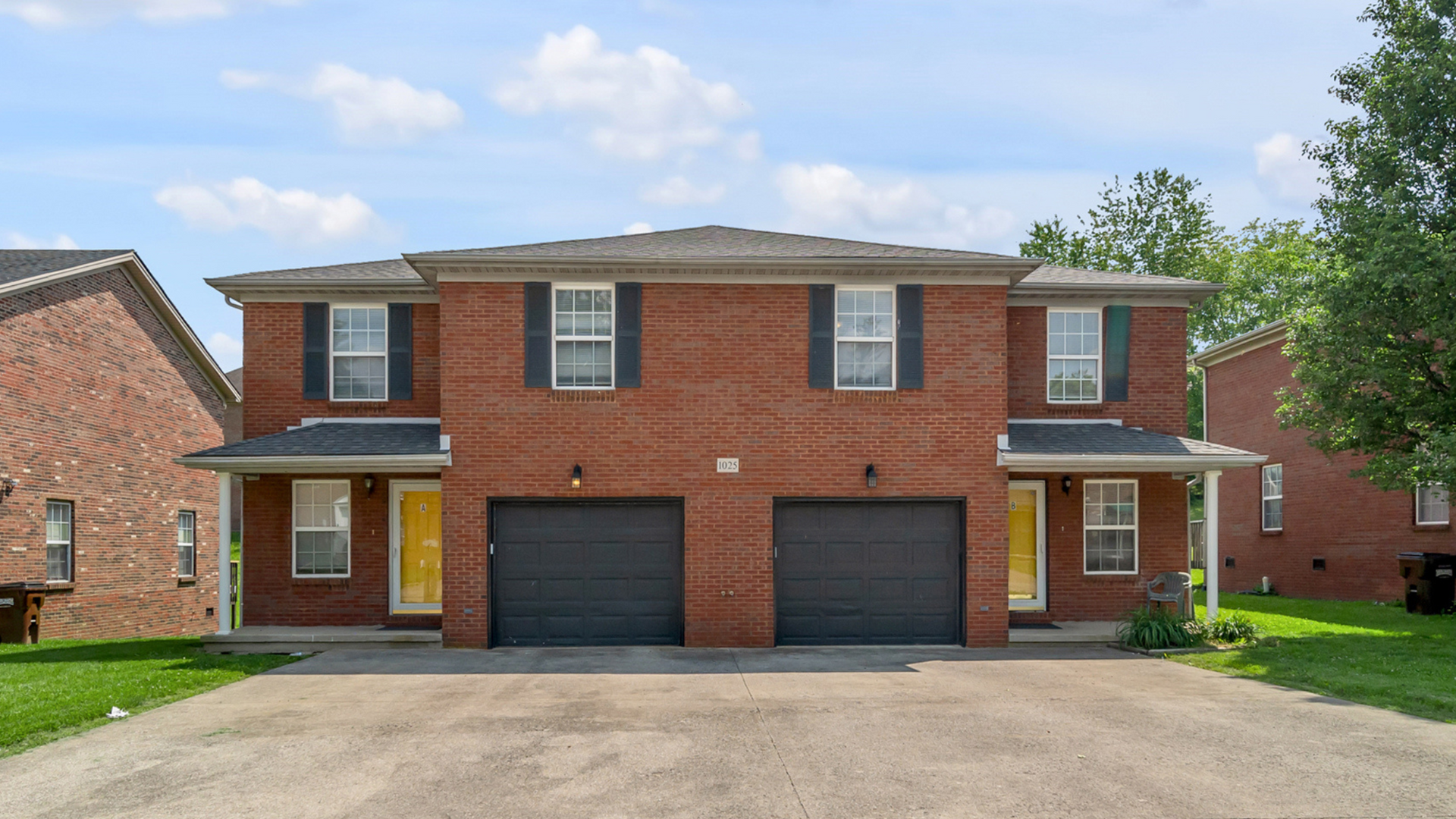
- Workers placed in 2 single-family homes.
- Full kitchens for healthy meals.
- Laundry and parking available.
- Commute is 10 minutes.
- Crews feel valued, sleep better, stay healthier.
- By month 6, retention is 100%. No replacement costs.
Sure, you could’ve found motels for $2000 cheaper, but the savings from zero turnover and higher productivity easily outweighed the difference.
That’s ROI you can’t ignore.
The Long-Term Benefits of Housing Investment
When companies consistently provide good housing, the benefits extend beyond one project.
1. A Reputation as an Employer of Choice
Word spreads fast in construction. Crews talk. Companies known for treating workers well attract the best talent—and housing is one of the first things workers compare.
2. Stronger Crew Loyalty
Workers are more likely to return for future projects when they know they’ll be housed comfortably. That reduces recruiting costs and creates experienced, cohesive crews.
3. Reduced Health and Safety Costs
Better housing reduces fatigue-related accidents and health issues, lowering insurance and medical costs over time.
4. Happier Clients
On-time, on-budget projects with fewer disruptions make clients happier. Retention-driven housing directly supports client satisfaction and repeat business.
Why Hard Hat Housing Is a Retention Solution
At Hard Hat Housing, we know that housing isn’t just logistics—it’s leadership.
We exist to help companies house crews in a way that maximizes retention and ROI. Here’s how:
- Crew-Ready Properties: Every home we place is vetted for kitchens, laundry, parking, privacy, and safety.
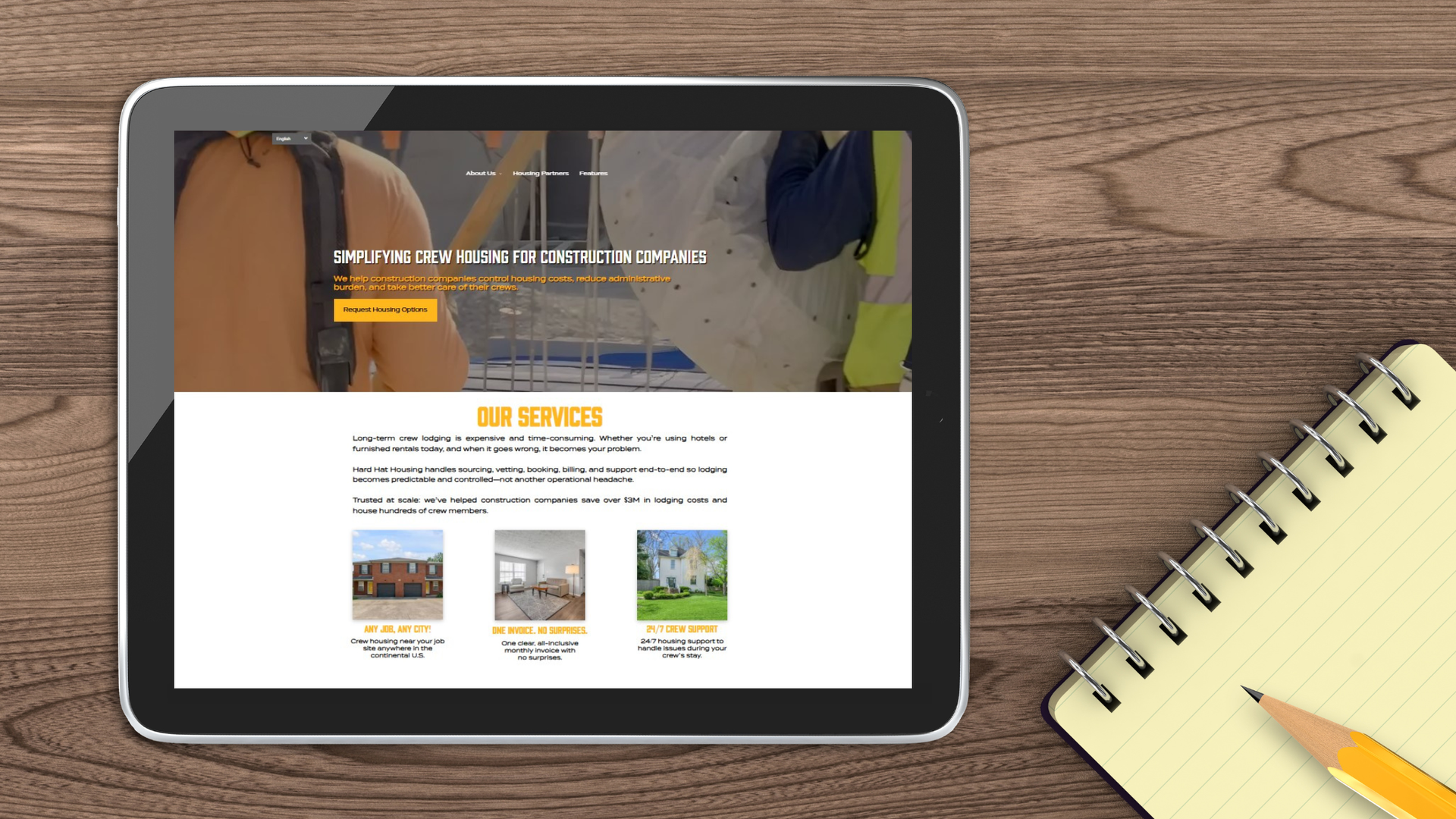
- Turnkey Management: We handle listings, communication, and cleaning, so PMs can focus on the project.
- Flexible Contracts: Housing terms adapt to shifting project schedules and crew sizes.
- Worker Well-Being: We prioritize the details—Wi-Fi, climate control, functional layouts—that make crews want to stay.
- Community Partnerships: Homeowners benefit, local economies thrive, and projects move smoothly.
We don’t just provide housing—we provide housing that keeps crews loyal and productive.
Comfort Builds Commitment
Retention is one of the biggest challenges in construction today. Wages matter, but they’re not the whole story. If you want workers to stay, you need to show them they’re valued—not just on the job site, but in every part of their experience.
Housing is the clearest way to do that. Comfortable, safe, crew-ready housing tells workers: “We care about you.” And that message builds loyalty in a way no paycheck ever could.
The future of construction belongs to companies that understand this. And at Hard Hat Housing, we’re proud to be the partner helping companies transform housing from a cost into a retention strategy.
Want to keep your best workers? Start with better housing. Contact Hard Hat Housing today at 859-575-0662.