
How Housing Impacts Your Project Timeline
Did you know that proper crew housing can shave weeks off your construction project timeline? Construction is an intricate dance of logistics, planning, and execution, where the efficiency of your housing arrangements can significantly affect your crew’s productivity. In this blog post, we explore the vital connection between effective housing solutions and successful project timelines, and how long-term construction crew housing can be a game changer for your business. By understanding this relationship, you can mitigate risks, enhance performance, and ultimately drive project success. Join us as we delve into the nuances of housing choices for traveling construction crews and what you need to consider for on-time project delivery.
The Importance of Housing in Construction Projects
In construction, time is money. Efficient project timelines are crucial for profit margins and client satisfaction. But did you know that housing is one of the strongest indicators of a project’s timeline success? Housing arrangements directly influence crew morale, productivity, and retention rates, which in turn affects how quickly a project can be completed.
1. The Role of Housing Selection
In choosing housing for construction crews, several factors come into play:
- Location: Proximity to the job site can reduce daily travel time significantly. Housing solutions that ensure crews are closer to work can mean more time on-site and less time wasted commuting.
- Facility Quality:
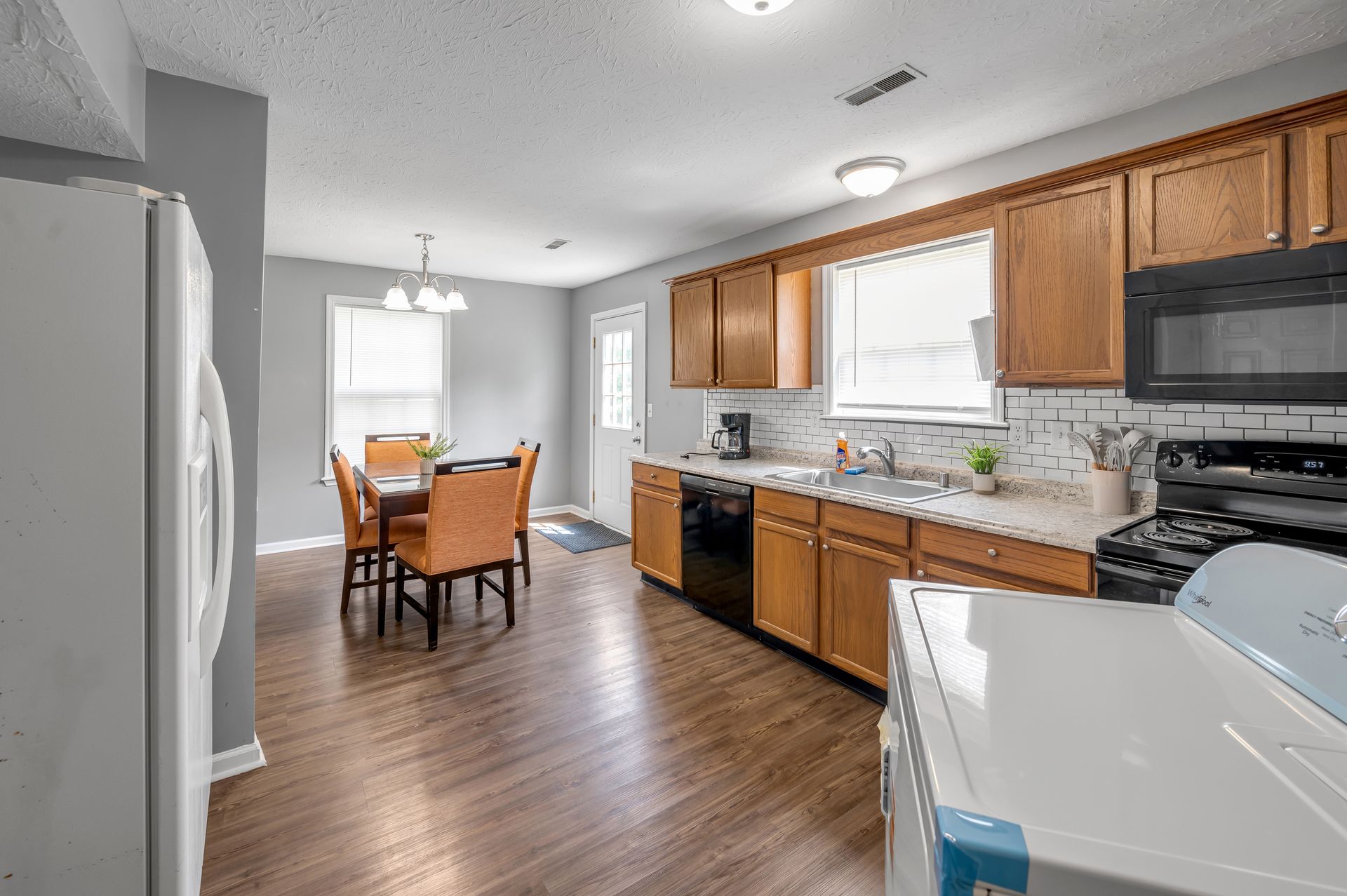
Adequate living spaces equipped with necessary amenities can boost morale and productivity. A good night's sleep is invaluable before tackling a demanding workday.
- Cost-Effectiveness: Finding a balance between quality and budget is essential. While you want to avoid overspending, cheap housing could compromise crew satisfaction and output.
2. The Connection Between Housing Conditions and Crew Morale
Poor housing conditions can lead to low morale among workers. When crews are uncomfortable, their productivity typically declines:
- Discomfort and Its Effects: Unhygienic living conditions, overcrowded space, and inadequate facilities lead to frustration. These factors diminish focus and output at work.
- Travel Fatigue: Long commutes can leave crews exhausted before they even reach the job site. Cutting down on this weariness can lead to sharper minds and better performance overall.
Choosing reliable long-term crew housing addresses these issues by ensuring a comfortable living environment that fosters productivity.
3. Streamlining Communication Through Housing Arrangements
- Strong Communication:
When crews are located close to work sites, lines of communication can remain open and efficient. Misunderstandings can be addressed on the fly, leading to fewer delays.
- Cohesion and Team Building: Crew housing can promote camaraderie. Teams that bond outside of work can collaborate more effectively in high-pressure environments, enhancing overall output.
4. Risk Mitigation in Construction:
Reduction of risks often comes down to planning, and housing is a critical part of this:
- Health and Safety:
Proximity to medical help is crucial. In the event of an emergency, having crew housing near healthcare facilities is invaluable.
- Weather Challenges: Housing that allows crews to safely wait out inclement weather prevents unproductive downtime. This means that projects can proceed as smoothly as possible without weather-related delays.
5. Personalizing Housing Solutions for Projects
- Tailored Options: Every project has unique needs. Tailor your housing to accommodate project duration, crew size, and specific job site challenges.
- Evaluating Features: Different projects may require different amenities or layouts. Do your crew members prefer single-occupancy rooms for privacy or shared spaces for team bonding?
6. Long-Term Cost Effectiveness
Investing in higher-quality housing can ultimately save you money:
- Reduced Turnover Rates:
When workers are happy, they are less likely to leave mid-project, ensuring that your project stays on track with a consistent team.
- Increased Productivity: Comfortable living can provide a direct correlation between housing conditions and work output, leading to faster completion times and less wasted time.
7. Steps to Choose the Right Housing Solutions
To ensure you get the housing that best meets your project’s requirements, consider these steps:
- Assess Project Needs: Establish your basic housing criteria based on crew size, duration of work, and associated costs.
- Research Options: Investigate long-term construction crew housing providers to find those with proven track records.
- Engage with Employees: Seek input on preferences for housing solutions; this input can significantly improve morale and engagement.
Conclusion: Making the Connection
When reviewing how housing impacts your project timeline, it becomes clear that making informed housing choices can significantly optimize your operations. Controlling housing logistics effectively translates directly to enhanced project timelines and better workforce performance.
By implementing an integrated approach to crew housing, you place your projects on the path towards success, raising overall satisfaction and productivity levels.
So now what? It’s time to rethink your housing strategy. Explore potential partnerships with housing providers who understand the needs of your crews and can provide tailored solutions that drive results. If you’re ready to transform your project timelines and improve crew satisfaction,
call us to discuss your options today! Let’s move towards smarter housing solutions that make a difference.
The Impact of Housing on Construction Sustainability
In a world increasingly focused on sustainability, consider eco-friendly housing solutions for your crews. Not only does this align with industry trends, but it can heavily influence the branding of your construction company as innovative and conscious of its environmental footprint.
The Future of Crew Housing in Construction
As the industry evolves, the future of crew housing looks promising, with innovative solutions on the horizon that are set to transform project dynamics even further. Start preparing now for the changes ahead by planning how your organization can adapt. By proactively addressing housing needs, you can ensure advantageous positions for your projects in the coming years.