
Construction Managers: Stop Settling for Subpar Housing
Did you know that nearly 70% of construction managers report dissatisfaction with the housing options available to traveling crews? This alarming statistic highlights a significant issue in the industry that can lead to decreased morale and productivity on the job site. In today’s competitive construction landscape, providing high-quality, comfortable, and convenient housing for your teams is not just a luxury; it’s a necessity. A well-designed living space can help attract top talent and retain dedicated workers. In this comprehensive guide, we’ll explore the importance of quality housing for construction crews, what you should look for when choosing accommodations, and how investing in upgraded housing options can enhance your team’s performance and overall project success.
Why Quality Housing Matters for Construction Crews
In the construction industry, long-term projects often require teams to travel and stay away from home. The environment where your crew lives during work can have a profound impact on their performance and wellbeing. Here’s why investing in better housing solutions is crucial:
1. Enhanced Morale and Job Satisfaction
A clean, safe, and comfortable living space can significantly increase crew morale. When workers feel valued and cared for, they are more likely to exhibit commitment and enthusiasm towards their tasks.
2. Improved Productivity
Quality housing can lead to better rest and recovery, which translates into improved productivity at work. Employees who return to a comfortable home after a long day are more inclined to perform well the following day.
3. Team Cohesion
Providing accommodations that allow team members to relax and interact can foster strong relationships. Enhanced camaraderie among crew members often results in better communication, collaboration, and overall project efficiency.
4. Lower Turnover Rates
Housing dissatisfaction can lead to high turnover rates. When workers are happy with their living conditions, they are less likely to seek alternatives elsewhere, saving your organization time and money in recruitment and training.
What to Look for in Quality Crew Housing
When searching for accommodations for your traveling construction team, consider the following factors:
1. Location
Proximity to the job site is crucial. Ideally, crew housing should be situated close enough to reduce commute times, enabling workers to maximize their off-hours.
2. Safety and Security
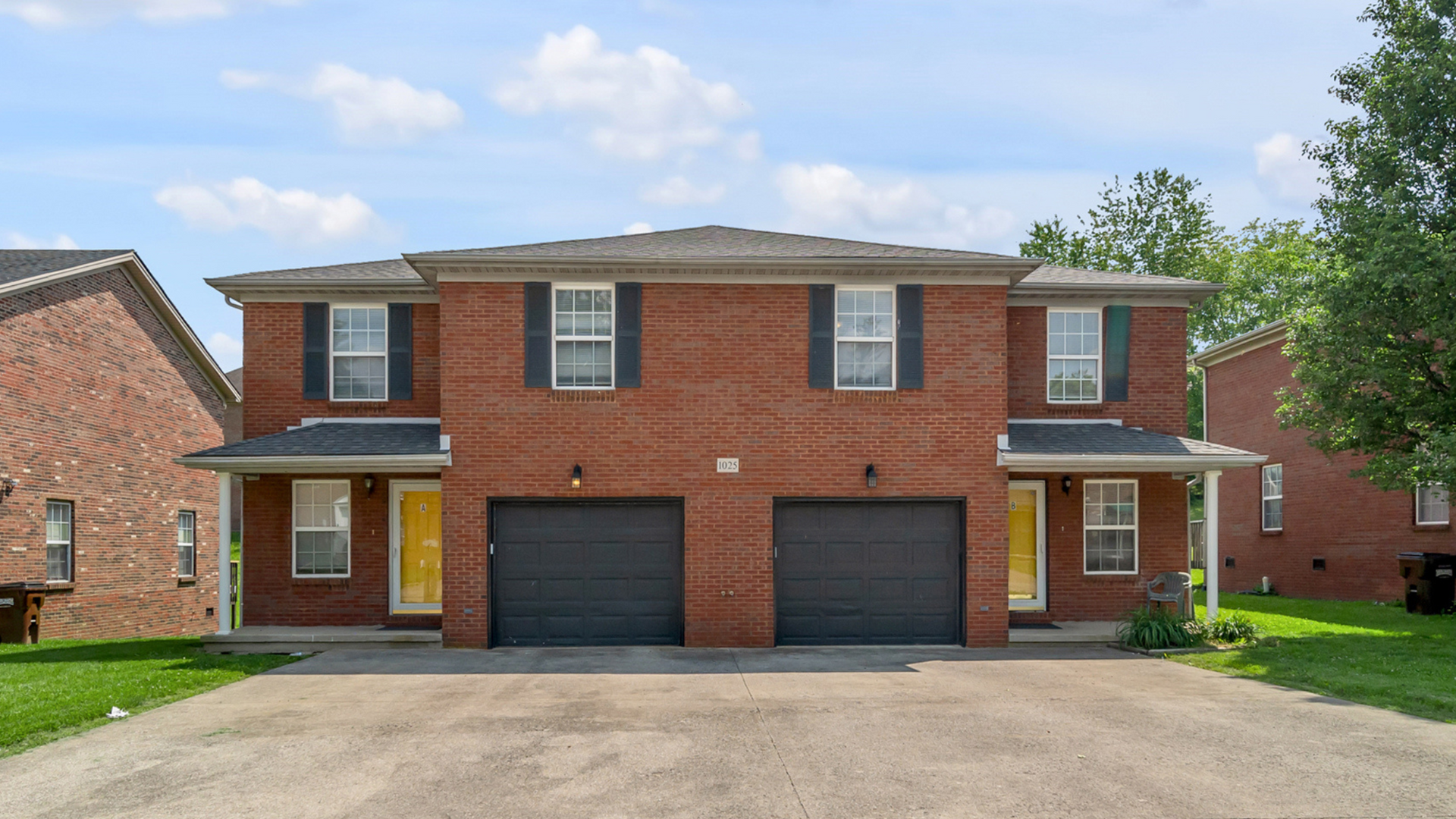
Ensure that the housing option offers basic safety features such as secure entry, adequate lighting in communal areas, and emergency protocols. Feeling safe in their temporary living space is fundamental for workers.
3. Amenities
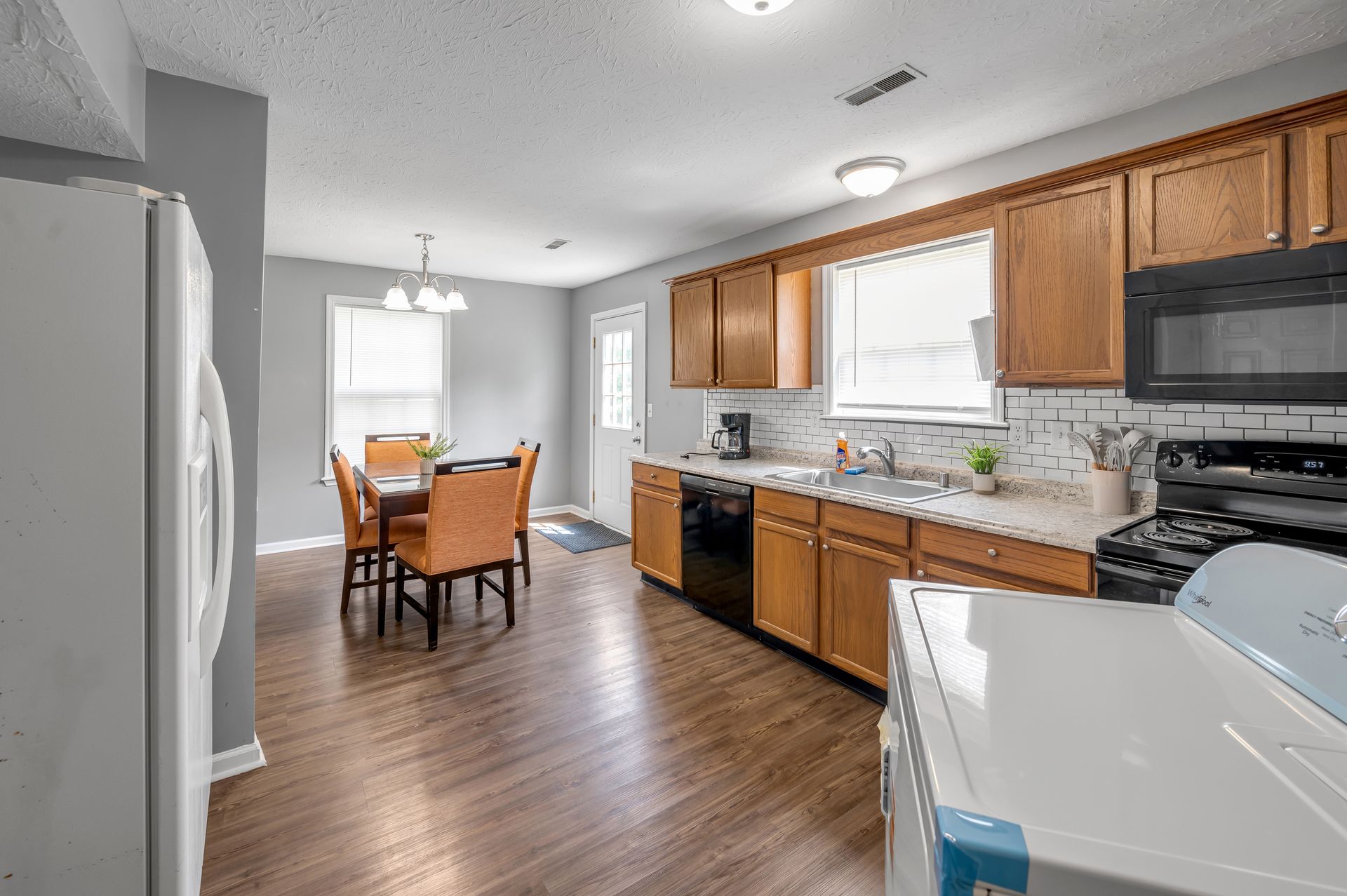
Make a checklist of essential amenities your crew would appreciate. This can include fully equipped kitchens, laundry facilities, recreational areas, high-speed internet, and private spaces for relaxation.
4. Flexible Leasing Options
Look for housing providers that offer flexible leasing agreements. This flexibility can often save on costs and provide convenience during variable project timelines.
5. Condition and Maintenance
Ensure the housing is well-maintained and in good, functional condition upon arrival. Constant issues and required repairs can be a hindrance for your crew.
Investment in Quality Crew Housing: The Long-Term Benefits
While investing in better housing options comes with upfront costs, the long-term benefits are well worth it. Here’s what you can expect:
1. Better Short-Term and Long-Term Performance
Quality housing directly contributes to worker performance, leading to accelerated project timelines and hastened completion dates.
2. Attracting Top Talent
Offering superior housing options positions your company as an attractive employer, making it easier to recruit from a larger talent pool.
3. Positive Reputation
Companies that prioritize the wellbeing of their crews can build reputational advantages in their field. Word of mouth about your excellent housing solutions will spread, making your organization a desirable option for projects nationwide.
4. Increased Repeat Business
When crews enjoy their working and living conditions, they are more likely to have a favorable view of the employer. This sentiment can lead to increased projects due to strengthened worker loyalty.
The Path Forward for Construction Managers
So what can construction managers do to ensure they provide their crews with the best living arrangements possible? Start by evaluating your current housing options and identifying potential weaknesses. From there, make a commitment to upgrade and refine your accommodations. The advantages of investing in quality crew housing are immense and can ultimately lead to greater overall project success.
If you're ready to take the next step,
fill out this form to explore the best long-term construction crew housing solutions tailored for your needs. Remember, attracting and retaining skilled workers starts with providing them a space they can call home during the job. Take action today and witness the transformation in your crew’s productivity and morale.
In the end, the quality of your construction project is only as good as the team behind it—a happy team will always be more productive!