A Breakdown of Housing Platforms for Construction Teams
Did you know that the construction industry is projected to grow by 11% from 2020 to 2030? As projects ramp up, the demand for reliable housing solutions for travelling construction crews becomes crucial. This blog will delve into the various housing platforms available, focusing on how they can meet the unique needs of construction teams. You'll discover insights into long-term accommodations, helpful tips for choosing the right option, and how to simplify logistics. Whether you're a project manager, a crew leader, or a construction worker, understanding your housing options can elevate your work experience and enhance productivity.
The Importance of Housing for Construction Crews
In the world of construction, having a stable and comfortable place for your crew to stay is as important as the tools you use. Long-term construction projects often require teams to travel, which raises unique challenges when it comes to accommodations. Poor housing can lead to decreased morale, health issues, and increased turnover. Thus, finding a reliable housing platform for your construction team is not just an option, but a necessity. We will explore some popular housing solutions tailored specifically for construction crews, helping you make an informed decision.
1. Traditional Rentals vs. Corporate Housing
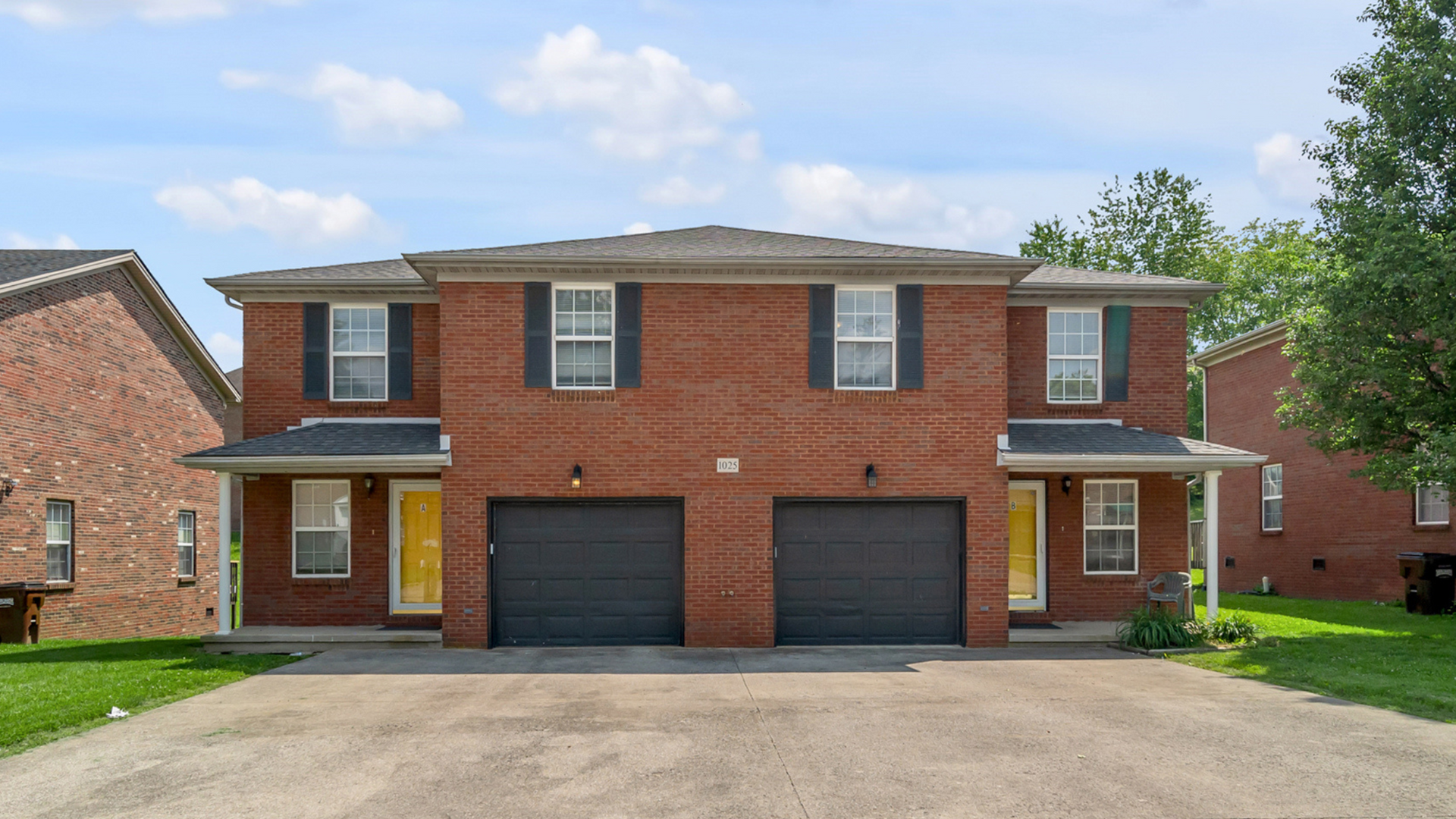
When looking for housing options, you might initially think about traditional rentals. However, they aren't always the best fit for travelling crews. Corporate housing, on the other hand, is designed to provide a comfortable living space for people on temporary assignments or long-term projects.
Benefits of Corporate Housing
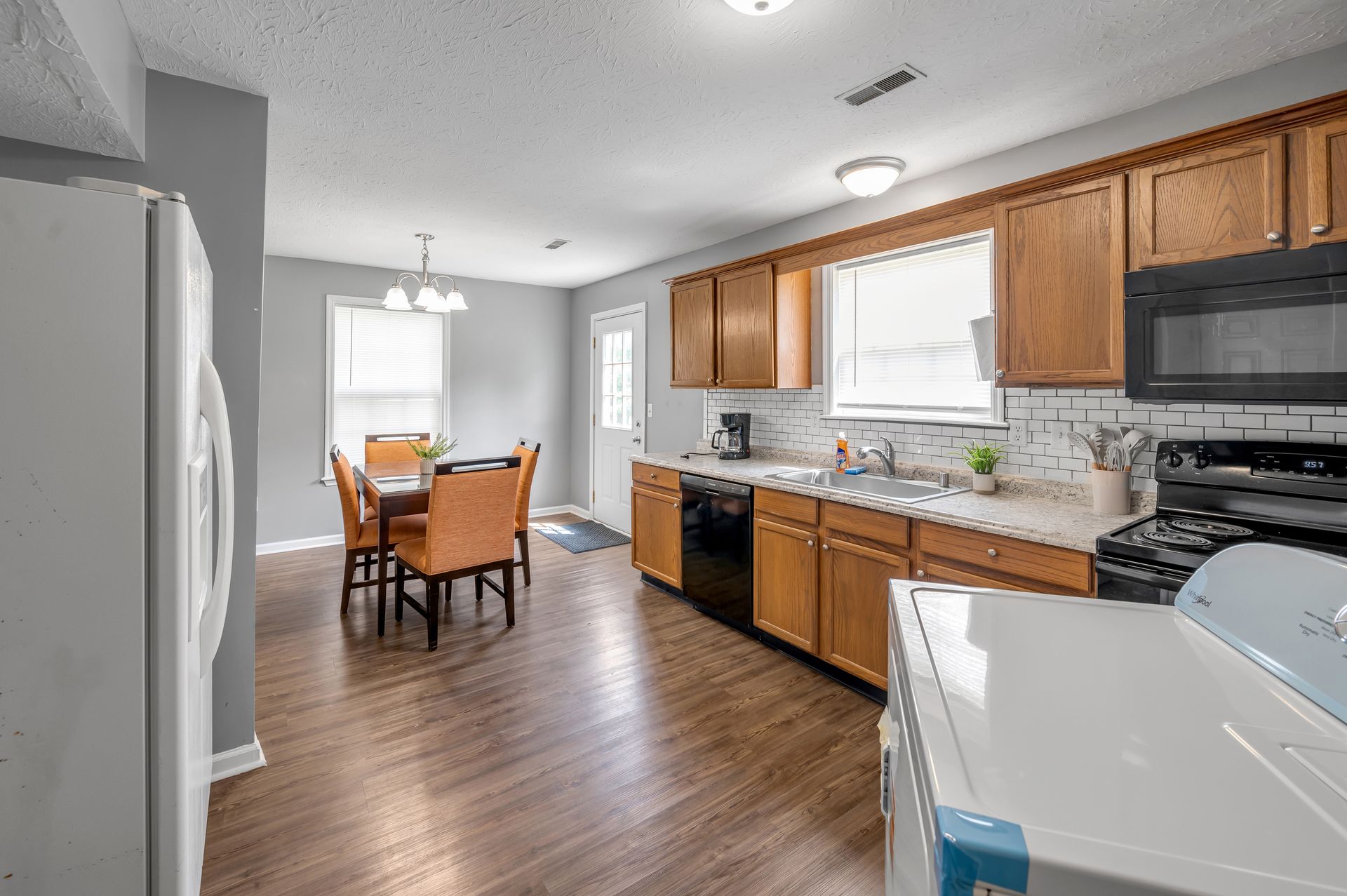
- Fully Furnished: Corporate housing comes equipped with all the essentials, from furniture to kitchen appliances, making it easier for crews to settle in quickly.
- Flexible Lease Terms: Many corporate housing providers accommodate flexible lease lengths, which is ideal for the variable nature of construction projects.
- Location Matters: These housing units are often situated near construction sites, minimizing travel time.
2. Short-Term Rentals and Platforms
In recent years, platforms like Airbnb and VRBO have gained popularity for short-term housing solutions. These can be a good option for smaller teams or for those working on shorter projects.
Advantages of Short-Term Rentals
- Wide Variety: From apartments to houses, you can find accommodation that fits the size of your crew and their preferences.
- Cost-Effective for Smaller Groups: If you’re only sending a few members to a site, considering a short-term rental can be more economical than booking multiple hotel rooms.
- Local Experience: Rentals often allow crews to immerse themselves in the local community.
However, it’s essential to consider the potential drawbacks, such as the inconsistency in availability or the quality of accommodations.
3. Modular Housing Solutions
Modular housing is an innovative approach to construction crew accommodation. Rather than renting or using traditional housing, you might opt for modular units that can be transported and set up quickly on site.
Benefits of Modular Housing:
- Scalability: Modular housing can accommodate small teams or large groups as needed, without compromising comfort.
- Quick Setup: These units can be placed close to construction sites, allowing quick access for crew members, all while providing a home-like environment.
- Sustainable Options: Many modular units now include green building materials and technologies that can reduce energy costs and promote sustainability.
4. Choosing the Right Housing Platform
When selecting a housing platform for your construction team, consider the following factors:
- Size of Your Crew: Understand how many crew members you need to accommodate and what type of arrangements will work best for them.
- Duration of the Project: Determine whether the project duration aligns with the lease terms of your selected housing option.
- Budget Constraints: Consider how much you're willing to invest in crew accommodations. Remember to include utilities and amenities in your calculation.
- Proximity to Work Site: Look for housing that reduces travel time to the worksite. Long commutes can lead to worker fatigue, affecting productivity.
5. The Importance of Amenities
At first glance, it may seem trivial, but having essential amenities can significantly improve crew morale. When evaluating housing options, look for:
- Laundry Facilities: Allowing crews to manage their laundry on-site saves time and enhances convenience.
- Wi-Fi Access: Connectivity is critical in today's work environment, even for construction teams who may need to share updates or communicate with project managers.
- Common Areas: Designated lounges or outdoor spaces can provide a much-needed relaxation area after long days on the job.
6. Streamlining Logistics
Once you decide on a housing platform, logistics come into play. Proper planning will ensure a seamless transition for your crew.
- Transportation Arrangements: Ensure reliable transport arrangements are in place, especially if accommodations are away from the work site.
- Check-In and Check-Out Procedures: Make sure your team knows what to expect regarding entry and exit, providing keys and ID requirements upfront.
- Emergency Contacts: Provide your team with emergency contact details for the housing platform in case issues arise during their stay.
7. Future Trends in Construction Housing
Looking ahead, there are trends that could change the landscape of housing for construction crews.
- Increased Demand for Flexibility: The era of long-term contracts may be fading, and crews will seek more flexible housing arrangements that cater to changing timings and group sizes.
- Technological Integration: Advancements in technology could lead to smarter housing solutions, such as devices that can control utilities and more efficient communication platforms.
- Sustainability Practices: As environmental consciousness grows, construction teams will likely favor housing solutions that minimize their ecological footprint, leading to improved modules made from recycled or sustainable materials.
Embracing Modern Solutions
With the right housing platform, construction teams can elevate their performance significantly. As we've covered, whether you opt for corporate housing, short-term rentals, or modular setups, the goal remains the same: provide your crew with a comfortable, convenient place to call home during their project. Solving these logistical challenges creates an environment where your team can thrive, resulting in a successful project outcome.
By taking the time to optimize crew accommodations, you're investing in your project's success. Now that you have the knowledge, think about your next move—envision a hassle-free transition for your travelling team.
Fill our form to start simplifying your construction housing logistics today!