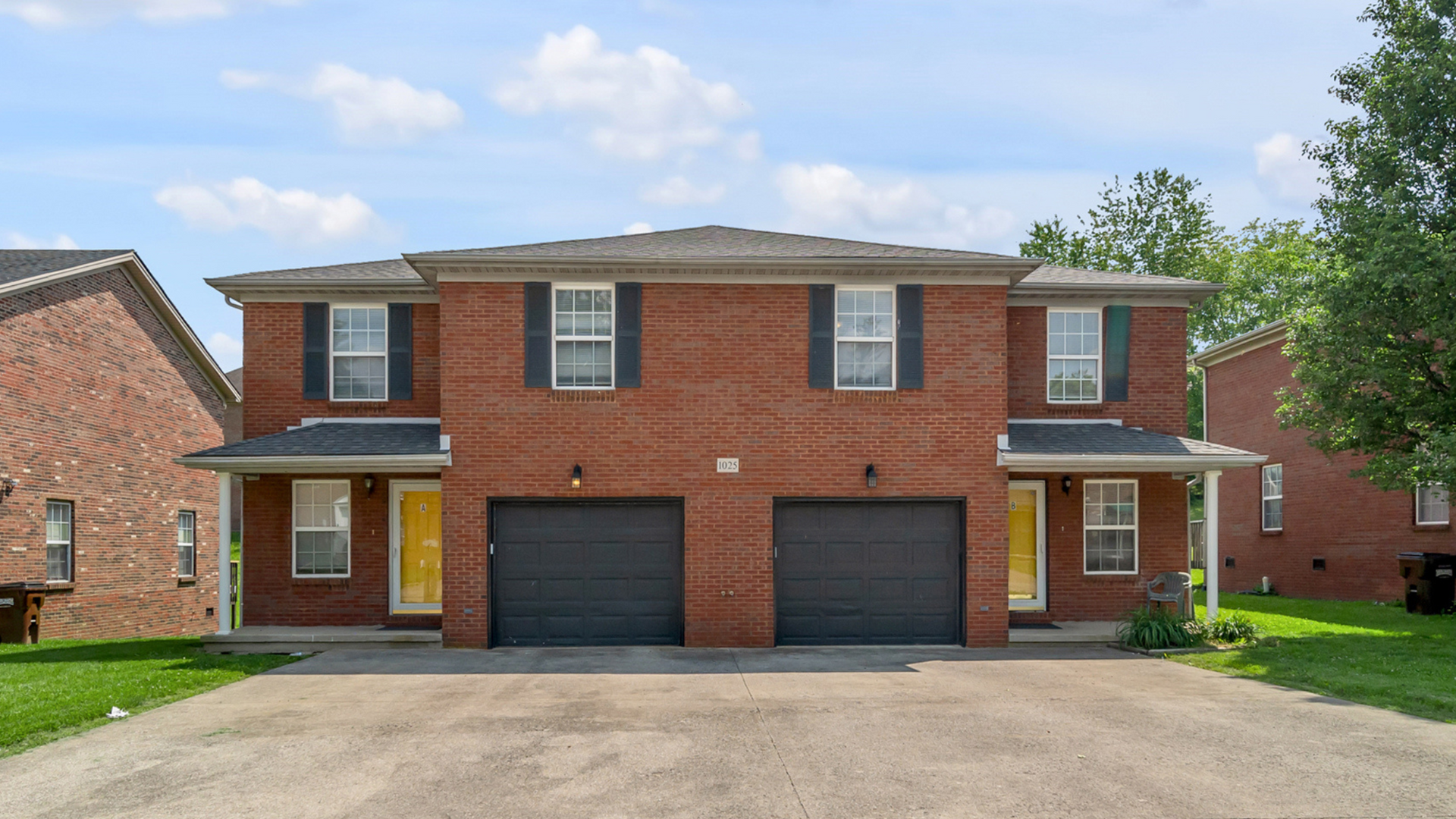

Before You List: Why HOA Rules and City Ordinances Should Be the First Thing You Check
There's a story that plays out in rental markets all the time. A homeowner decides to start renting their property. They paint a few rooms, hire a photographer, list the home, and find a great tenant within a couple of weeks. Things go smoothly for two months. Then, one afternoon, they get a letter. The HOA has determined that the rental violates the community's covenants. The homeowner has thirty days to bring the property into compliance or face escalating fines.
Suddenly, the income stream that looked so promising is at risk. The lease they signed becomes a problem to navigate. The tenant is in the middle of a situation they didn't sign up for. The homeowner is trying to figure out whether they have any options that don't involve breaking their lease, paying fines, or both.
This scenario is more common than most homeowners realize. Not because anyone is trying to break the rules, but because the rules are easy to overlook. HOA covenants are often dense, multi-page documents that nobody reads carefully unless they have to. City rental ordinances vary by municipality, change over time, and rarely advertise themselves. The homeowner who skips the regulatory check during planning isn't being negligent. They're just doing what most people would do, which is to focus on the parts of the project that feel most actionable.
The problem is that the regulatory layer, even when it feels invisible, sets the boundaries for everything else. And the cost of finding out about the boundaries late is much higher than the cost of finding out early.
Why the Regulatory Layer Tends to Get Skipped
Most homeowners aren't deliberately ignoring HOA rules or city ordinances. They just aren't sure where to look, or they assume the rules don't apply to them in any specific way that matters.
A few common reasons the regulatory check gets postponed or skipped:
The Documents Aren't Where You'd Expect
HOA covenants might be in a binder you got at closing five years ago. City ordinances might be on a municipal website that's hard to navigate. Without a clear starting point, the research itself feels like a project, and projects without deadlines tend to slide.
The Language Is Technical
Even when you find the documents, they're written in legal terms. Phrases like "transient occupancy," "non-owner-occupied use," and "duration thresholds" don't always map cleanly to the kind of rental you're actually considering. Translating the rules into something practical takes effort.
Enforcement Seems Random
Many homeowners know other people in their neighborhood who rent properties without obvious enforcement happening. The implicit message is that the rules might not actually be enforced. The problem is that enforcement is never truly random; it just isn't predictable from the outside.
The Rules Feel Like Obstacles, Not Data
Once you've already decided to rent the property, regulatory research can feel like looking for reasons not to do something. The healthier framing is the reverse: regulatory research is what helps you make a confident decision, because you're working with the actual constraints rather than guessing at them.
What HOAs Actually Restrict (and Why It Varies)
If your property is part of an HOA, the covenants almost certainly say something about rentals. The variation is in what specifically they say.
Outright Restrictions on Certain Rental Types
Some HOAs prohibit short-term rentals entirely. Others prohibit rentals under a certain duration, like six months or one year. Others prohibit any rentals at all, treating the community as owner-occupied only. The first thing to check is whether your intended rental model is even allowed.
Duration Thresholds
Many HOAs distinguish between short-term and long-term rentals using specific time thresholds. A 30-day minimum stay might be allowed where a 7-day stay isn't. A 180-day minimum might be required where 30 days isn't. The threshold itself shapes which rental models are viable on your property.
Tenant Approval Requirements
Some HOAs require board approval of any new tenant before they move in. Others require notification but not approval. Others have no involvement in tenant selection at all. The level of involvement determines how much friction is built into your tenant placement process.
Use Restrictions on the Property Itself
Some HOAs limit the number of unrelated occupants, restrict certain types of vehicles, prohibit certain kinds of business activity, or restrict modifications a tenant might want to make. These shape what you can offer to tenants and how the property can actually be used.
Fee and Registration Requirements
Some HOAs charge a registration fee for rental properties, require annual renewals, or impose financial obligations on rental owners that don't apply to owner-occupied homes.
The specifics vary so much across HOAs that there's no universal answer. The only reliable approach is to read your specific covenants, ideally with someone who can help interpret the language if it's unclear.
What City Ordinances Typically Cover
City and county ordinances add another layer on top of HOA rules. Even if your HOA allows a particular rental model, your municipality might restrict it.
Short-Term Rental Regulation
Many cities have introduced specific regulations for short-term rentals over the past decade. These often include licensing requirements, occupancy taxes, density caps, and operational standards. Some cities prohibit short-term rentals in certain zones entirely. Others allow them with specific conditions.
Zoning Compliance
Most residential properties are zoned for residential use, but the specific zoning determines what kinds of rental activities are allowed. Some zones permit only single-family use. Others allow multi-tenant arrangements. Some allow rentals only with certain duration profiles.
Business Licensing
In some jurisdictions, renting out residential property requires a business license, especially if the rental is operated more like a business (multiple properties, short-term cycles) than a passive investment.
Occupancy and Safety Standards
Cities often regulate maximum occupancy per unit, smoke detector requirements, egress standards, and other safety features for rental properties. These standards may differ from owner-occupied requirements.
Tax Obligations
Local lodging taxes, transient occupancy taxes, and other fees may apply to certain rental arrangements. These vary by jurisdiction and by rental type, and they can add a meaningful percentage to the operational cost of running the property as a rental.
The patchwork of city rules has become more complex in many markets over the past several years, especially as cities respond to housing pressure and short-term rental concerns. The rules that applied in 2020 may not be the rules that apply now. Verification needs to be current.
Why the Cost of Skipping This Step Is So High
Most homeowners imagine the worst-case scenario as a fine. Fines exist, but they're usually the smallest of the consequences.
Fines & Penalties
Some HOAs and cities fine per day, which means a violation that takes a month to resolve can cost thousands.
Mandatory Remediation
Some violations require ending the existing lease, paying for inspections, registering the property, or modifying how the rental operates.
Lease Complications
When a regulatory issue forces a change mid-lease, the tenant becomes part of the problem. The homeowner has to navigate breaking the lease and refunding payments.
Insurance Implications
Many policies have specific provisions about rental use. A rental that violates ordinances may also violate insurance terms, meaning coverage could be denied.
Liability Exposure
If something goes wrong at a property operating outside the rules, the legal exposure is much higher than at a properly compliant rental.
Damaged Community Relationships
HOA enforcement actions are often initiated by neighbor complaints. By the time the action arrives, relationships in the community may already be strained.
The cumulative cost of skipping the regulatory check is usually orders of magnitude higher than the cost of doing it properly up front.
What a Proper Regulatory Check Actually Involves
The good news is that the regulatory research isn't as hard as it sometimes feels. A thorough check involves three specific steps.
The Three-Step Regulatory Check
01
Pull and Read Your HOA Covenants and Bylaws
Look for sections specifically addressing rentals, leases, occupancy, and tenant approval. If the language is unclear, contact the HOA management directly. Get answers in writing if possible. Note any thresholds, prohibited activities, or required approvals.
02
Check Your City's Rental Regulations
Most municipalities have a website for rental property registration or licensing. Look for short-term rental ordinances, business license requirements, zoning compliance, and any specific operational standards. If you can't find clear answers online, call the relevant city department directly.
03
Verify Your Specific Rental Model Is Allowed
Compare the rules you've found against the kind of tenant arrangement you're planning. Long-term residential leases face different rules than short-term vacation rentals. Crew or corporate housing may face yet another set of rules. The specific model matters more than the general concept of "renting."
If anything is unclear after these three steps, it's worth talking to a local attorney who handles real estate or rental law. The cost of a brief consultation is small compared to the cost of getting it wrong.
What This Looks Like for Different Rental Models
Different rental models have different regulatory profiles, and understanding the profile of the model you're considering changes how the research applies.
| Rental Model | Typical Regulatory Profile |
|---|---|
| Short-Term Vacation Rentals | Most regulatory scrutiny. Many cities now actively regulate these with licensing, taxes, and density caps. HOAs frequently prohibit them entirely. |
| Long-Term Residential Leases | Least regulatory friction in most markets. Treated similarly to owner-occupied use in many zoning frameworks. HOAs often permit them by default. |
| Mid-Term Rentals (30 to 180 days) | An interesting middle. Some markets treat them like long-term rentals; others treat them like short-term. Verification matters most here, because rules vary the most. |
| Crew or Corporate Housing | When stays exceed 30 days, typically falls into the long-term category from a regulatory standpoint. Structured arrangements often mean cleaner compliance, but verification still needs to happen. |
Make the Check Before You Make the Decision
The mistake isn't deciding to rent your property. The mistake is deciding before you know what the rules actually permit. Once you've checked, the decision becomes clearer, the risks are visible, and the path forward (whether that's the model you originally planned or a different one) is grounded in reality rather than assumption.
If you'd like to talk through how a structured tenant arrangement compares to other rental models, especially in terms of regulatory fit and operational simplicity, get in touch.
Talk to Hard Hat Housing