
Content warning: This article includes discussion of suicide and mental health in the construction industry. If you or someone you know is struggling, free support is available 24/7 by calling or texting 988(Suicide and Crisis Lifeline) or by visiting 988lifeline.org.
A guy on your crew checks into a hotel two states from home on a Sunday night. He works twelve hours, drives back, eats a gas-station sandwich over the sink, and stares at the ceiling until he falls asleep. He does that again Monday. And Tuesday. Nobody at that hotel knows his name. Nobody would notice if something was wrong. That scene plays out thousands of times a night across this industry, and it sits at the center of a problem most companies would rather not name.
Construction carries one of the highest suicide rates of any industry in the country. That is not a scare statistic pulled out to grab your attention. It is a documented reality, and the way a company houses its people is quietly tangled up in it. This piece is not going to pretend that a rental house fixes a mental health crisis. It cannot, and we will not insult you by suggesting otherwise. But how you house a crew is one of the few structural levers a leader actually controls, and it is worth understanding why.
The Numbers Nobody Puts on a Safety Poster
Here is what the data says, presented plainly. According to the CDC's analysis of 2021 mortality records, the suicide rate among male construction workers was 56 per 100,000, compared with 32 per 100,000 for working men across all industries. That is close to double, and it places construction second only to mining. A separate study published in the American Journal of Industrial Medicine found that construction workers made up nearly 18 percent of suicide deaths with a recorded industry, despite being just over 7 percent of the workforce.
56
Suicides per 100,000 male construction workers (CDC, 2021), close to double the rate for working men overall.
2nd
Construction's rank among all major industries for suicide rate, behind only mining.
~18%
Share of suicide deaths with a recorded industry that were in construction, a sector that is about 7% of the workforce.
Those are hard numbers to sit with, and they should be. The Occupational Safety and Health Administration now runs its own outreach on this, noting that work-related stresses like seasonal work, demanding schedules, and injuries all feed the risk. You can read their overview on preventing suicides in construction. Behind every figure is a person, and behind every person is a crew that lost someone. We are putting the data here not for shock but because you cannot manage a risk you refuse to look at.
Why Isolation Keeps Coming Up
When researchers and workers themselves talk about what drives this, one word surfaces again and again: isolation. A traveling worker is sitting inside several known risk factors at the same time. He is away from his partner, his kids, his friends, his routine, the people who would normally notice if he went quiet. He is tired in a way that wears down judgment. And at night, when the worst thoughts tend to show up, he is alone in a room where no one is paying attention.
Loneliness is not a soft concern. Research links workplace loneliness to higher emotional exhaustion, lower performance, and greater turnover intention. One widely cited estimate puts the cost of workplace loneliness to U.S. employers at roughly 300 billion dollars a year in lost productivity, turnover, and healthcare. For a traveling crew, the housing arrangement is either feeding that isolation or pushing back against it. There is not much middle ground.
Spend any time in construction forums and you hear it in plainer language. Workers describe long hotel stints as grim: living out of a suitcase, eating fast food alone, nobody to talk to after a shift. The recurring theme is not a request for luxury. It is a request for something that feels like normal life. We wrote about how these lived-in frustrations show up in the field in our look at the everyday realities of crew lodging.
Scattered Rooms Versus a Real Home
Here is the structural piece, and it is simpler than it sounds. When you scatter a crew across separate hotel rooms, or worse, across different hotels, you remove a built-in safeguard that most people never think about: being around your own people. On a jobsite, if a guy is off, someone usually clocks it. In a hotel hallway at 9 p.m., no one does.
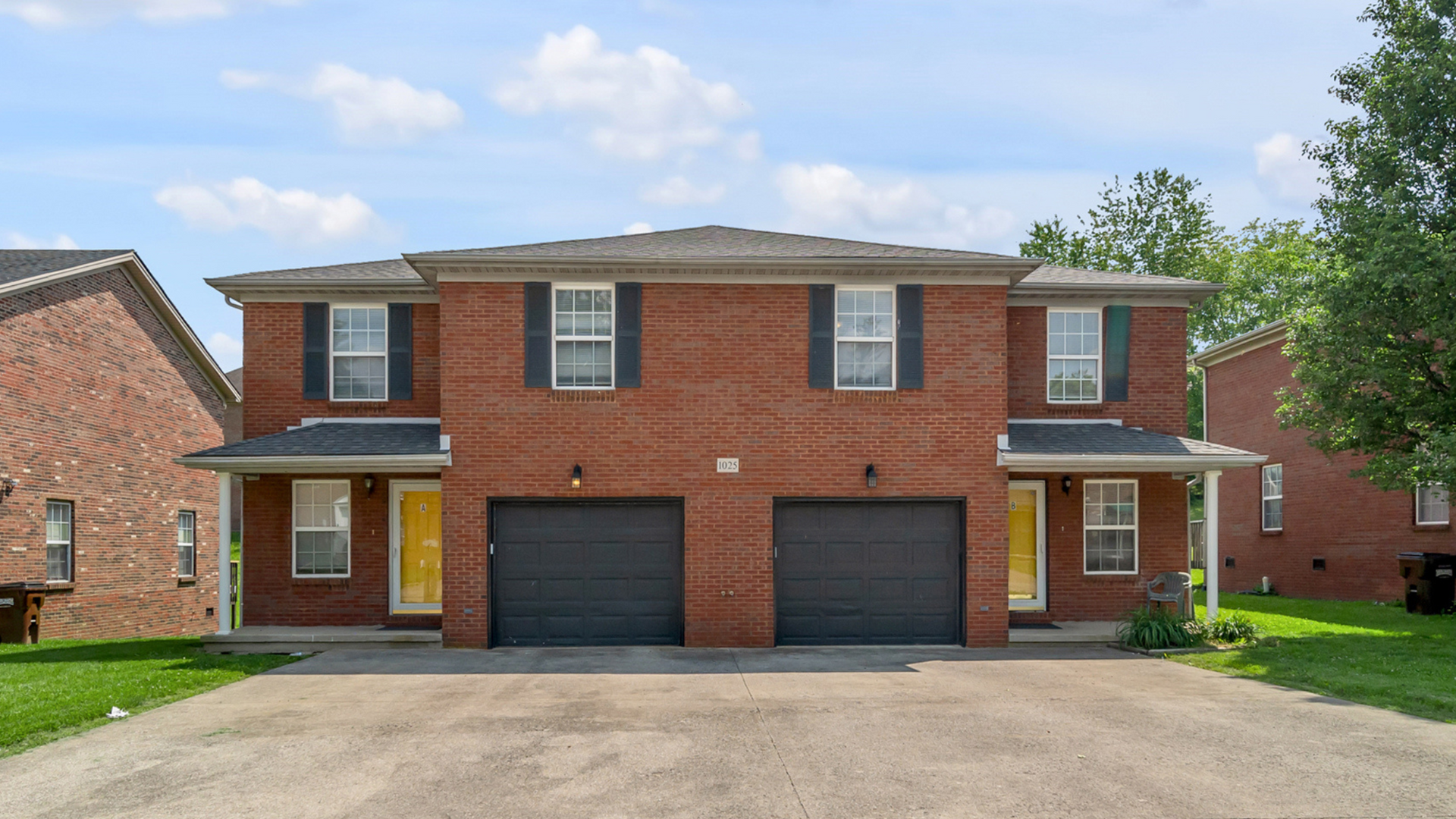
Housing a crew together in an actual home changes the after-hours picture. There is a kitchen where somebody cooks and somebody else wanders in. There is a couch, a shared table, a television nobody is fighting over through a shared wall. The connection that keeps people tethered stays intact instead of dissolving at the hotel elevator. This is the difference between the various housing options a company can choose, and it is worth understanding the real trade-offs between them before defaulting to whatever is cheapest that week.
None of this is a clinical intervention. It is not therapy. It is just the ordinary human infrastructure of not being alone, and it happens to be something you can put in place with a housing decision.
A Simple Way to Compare What You Are Choosing
It helps to lay the two setups side by side, not to sell anything, but to see clearly what each one does to the after-hours experience.
| Scattered hotel rooms | Crew housed together in a home | |
|---|---|---|
| After a shift | Alone in a room, TV and takeout | Shared kitchen, shared space, company if you want it |
| If someone is struggling | Easy to go unnoticed | More likely a crewmate notices |
| Connection to normal life | Minimal, transactional | Closer to a home routine |
| Rest quality | Thin walls, strangers, poor sleep | Private bedrooms, quiet, real rest |
| What it signals to the crew | You are a line item | The company thought about you |
The right-hand column is not magic. It is just better odds. And in a conversation about wellbeing, better odds are the whole game.
What Housing Can and Cannot Do
We want to be careful and honest here, because this topic deserves it. Stable, quality housing is a genuine contributing factor to crew wellbeing. It protects sleep, it keeps people connected, and it signals respect in a way workers absolutely notice. Housing that gets this wrong quietly erodes morale and pushes good people toward the door, which we explored in depth in our piece on why housing is the missing link in retention.
But housing is not a mental health program, and no company should treat it as one. The organizations that do this work well pair the structural stuff, good lodging, reasonable schedules, real rest, with the human stuff: training people to recognize when a coworker is struggling, and making it normal to ask. The Construction Industry Alliance for Suicide Prevention has practical, industry-specific tools for exactly that. Their whole message is that awareness alone is not enough. Action is what changes the numbers.
So the honest framing is this. You control the housing. Pull that lever well. Then point your people toward the resources built by professionals who handle the part housing never could.
Resources worth keeping on hand. Share these with anyone on your crew who might need them. 988 Suicide and Crisis Lifeline: call or text 988, or visit 988lifeline.org, free, confidential, and available 24/7. Construction Industry Alliance for Suicide Prevention: tools, training, and conversation starters made for this industry at preventconstructionsuicide.com.
Where This Leaves You
Being aware that construction has a mental health crisis is not the same as doing something about it. Awareness is where most companies stop. But you are in a rare position: one of the concrete things you actually control is where your people sleep, eat, and recover when they are far from home. That is not the whole answer. It is one honest, workable part of it.
If housing has been the piece you never really examined, it is worth a closer look, because the quiet cost of getting it wrong shows up in morale, retention, and how long good people stay. The setup you choose is either working for your crew after hours or working against them.
The Crew Wellbeing Checklist
If you have ever wondered whether your lodging setup is quietly working against your crew, this checklist walks through the housing factors that affect rest, morale, and retention on long jobs: whether your crew stays together or scattered, whether there is a real kitchen and shared space, privacy for sleep, proximity to site, and a few plain signals that lodging may be hurting morale. Enter your email and it unlocks right here so you can run it against your current setup.
You're all set.
Access The Crew Wellbeing Checklist