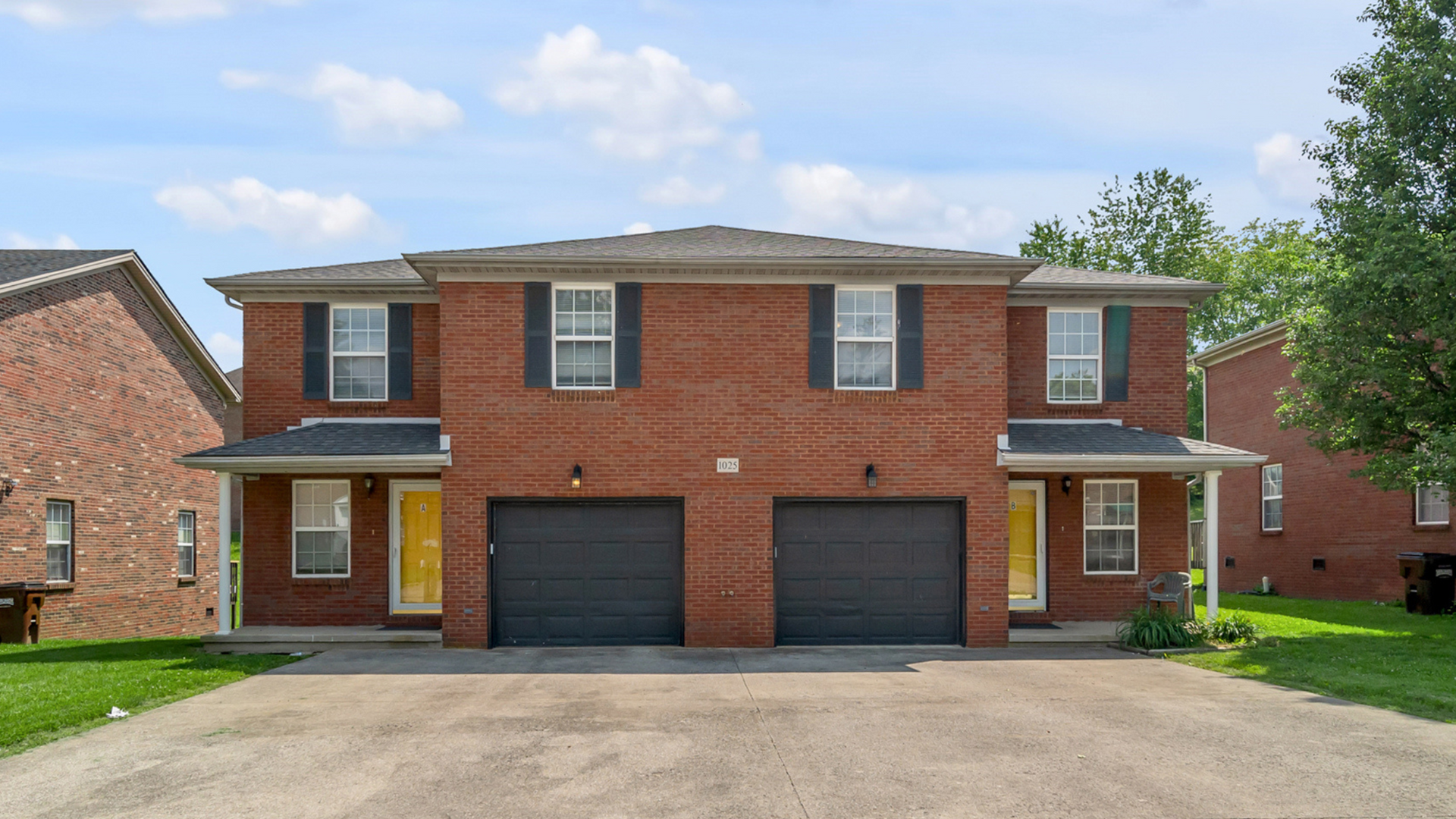

Crew Housing and Retention: The Missing Link
The U.S. construction industry is facing a labor crunch, with high turnover rates and a struggle to fill open roles. In fact, a 2024 study by BerryDunn found average turnover above 21% in construction, significantly higher than many other sectors. With 88% of contractors reporting difficulty finding workers, keeping your crew happy has never been more critical. Surprisingly, one often-overlooked factor could be a game-changer: construction worker housing. Where and how your crew lives on the road can dramatically influence whether they stick around or say “I quit.” In this article, we’ll explore the link between quality crew housing and worker retention across all levels, from hourly laborers to skilled trades and supervisors. We’ll draw on real data, industry reports, and candid posts from construction forums to shine light on how poor lodging conditions drive people away, and how comfortable, well-managed housing can do the opposite.
Why Housing Conditions Matter More Than You Think
When projects send crews out of town, housing is often treated as a minor detail – a cost line item to minimize. But
bad housing can ripple through morale and job performance faster than a busted compressor. Cramming two or three adults into a cheap motel room might save a few bucks upfront, but it exacts a heavier toll in fatigue, stress, and frustration. Research consistently shows that fatigue is
not a “soft” issue: it shows up in hard safety and productivity stats. OSHA data reveal accident and injury rates are
18% higher on evening shifts and 30% higher at night, with 12-hour days linked to a 37% higher injury risk. Translation: a tired crew is a more accident-prone and error-prone crew. Now imagine your workers trying to rest in a noisy hotel room, or doubling up with a snoring roommate, it’s a recipe for exhaustion. It’s no surprise that construction forums are filled with workers venting about lousy lodging. In one Reddit discussion, a tradesperson asked what to do about sharing a hotel room with his foreman who kept him up all night, and the outpouring of sympathy showed how
common – and hated – forced room-sharing is. These real-world stories underline a simple truth: where your crew lays their head at night determines how they show up on the job the next day. If housing is uncomfortable, unsafe, or isolating, it quietly erodes their well-being. Over time, that can push even high-paying projects past a worker’s breaking point. As one construction worker bluntly put it in an online thread, “Workers are already away from their own beds, family and friends. The least the companies can do is get us our own room”. When those basic needs aren’t met, many will simply walk away. In short, housing conditions speak volumes about how much a company values its people, and crews are absolutely listening.
Real Complaints from the Field: “I Can’t Live Like This.”
Talk to any traveling construction crew or scroll through social media groups for tradespeople, and you’ll see
recurring complaints about housing. One major gripe is
shared hotel rooms. Time after time, workers describe being expected to bunk with a coworker, a policy that often breeds resentment. It’s not just about snoring or conflicting sleep schedules; it’s about privacy and basic dignity. One Reddit user shared that he outright refused a job when told he’d have to share a hotel room, and others chimed in with similar “no way” sentiments. The consensus? Adults need their own space to decompress after a 10-hour shift. Companies that insist on doubling up may save a few dollars, but risk losing their people entirely. Another frequent issue is
unreliable short-term rentals, like when crews rely on Airbnb or similar platforms. Changes in Airbnb’s policies in 2025 increased guest flexibility (like 24-hour free cancellations), great for tourists, but
a potential nightmare for construction teams. Why? Crews have had reservations canceled at the last minute or mid-stay, leaving them scrambling for a roof over their heads.
“We got booted from our Airbnb with zero notice” is not a scenario any project manager wants to handle, yet it happens. One field anecdote described a 10-person crew losing an entire workday – about $3,000 in wages – when a housing snafu forced an emergency move. Then there’s the complaint of
“housing in the boonies.” In an effort to cut costs, some firms book lodging far from the jobsite or in remote areas. The crew might end up driving an hour or more each way, or staying in a rundown motel off the beaten path. The result is predictable: longer commutes eat into whatever time the workers have left for themselves, amplifying fatigue and frustration.
“Long commutes from distant housing eat into personal time and wear workers down,” notes one industry blog bluntly. Even safety can be a concern if the only available housing is in a rough part of town or a building that isn’t up to code. In a dramatic case last year, a Vermont construction company was actually cited by authorities for housing workers in “grossly hazardous and unsafe” conditions, including packing 60 laborers into a derelict house with no fire safety systems. While that’s an extreme example landing in the news, it underscores a point:
subpar housing can be dangerous. Mold, faulty smoke detectors, lack of heat, these conditions not only drive people away, they can literally put lives at risk. The bottom line from the field is loud and clear: crews want safe, clean, private, and convenient housing. When they don’t get it, they complain… and then they quit.
The High Cost of Poor Crew Housing (It’s More Than You Think)
Every construction manager knows that turnover and delays are expensive. But you might be surprised just
how much poor housing contributes to those costs. Think about crew turnover first.
When a frustrated worker quits mid-project, what does it actually cost? There’s the obvious hit of hiring and training a replacement. Estimates vary, but industry analyses peg the cost of replacing a single construction worker at anywhere from 30% to 150% of that person’s annual salary. Even at the low end, that could easily be $6,000–$10,000 for a journeyman-level employee. One crew housing report calculated that recruiting, onboarding and lost productivity put the replacement cost for one worker in the
$6,000–$15,000 range. Now multiply that by each person who quits. It adds up fast. On a long project, losing even a handful of crew members can blow a huge hole in your budget. For example, if a 50-person crew loses 10 workers over the course of the job due to miserable housing, that could run about
$100,000 in turnover expenses alone far outweighing any savings from cheap lodging. And that doesn’t even account for the schedule disruption. High turnover means constant backfilling and retraining, which drags out timelines and can jeopardize hitting project milestones. Poor housing also
saps productivity and efficiency even for the workers who stay. Long daily commutes from far-away housing are basically a tax on productive hours. A 45-minute drive each way is an hour and a half lost per day, over a 6-month project, that’s around 180 hours of time per worker spent on the road instead of on the job. There’s also a direct financial burn: using federal transportation cost averages, a 40-mile roundtrip commute for a 10-person crew can burn roughly
$7,200 a month in vehicle costs and fuel. Add the overtime or lost work time and the “cheap” distant motel isn’t looking so cheap any more. Then factor in fatigue. Skimping on housing (like forcing room shares or booking noisy, crummy places) often means workers aren’t getting the rest they need. Studies show that when workers get only 5-6 hours of sleep instead of a healthy 7-9, their performance can decline by 20-30%. In construction terms, that could mean a 30% drop in productivity on site, slower progress, more mistakes, or even needing to re-do work. Tired crews also have
higher injury rates, which carry enormous costs. The National Safety Council reports around 13% of workplace injuries are linked to fatigue, and in construction a serious injury can cost a company hundreds of thousands of dollars in medical bills, insurance, and lost time. So if lousy housing leads to just one preventable accident, it can wipe out any lodging savings and then some. Finally, consider project delays and client penalties. If a crew’s housing falls through (say, an Airbnb cancellation or a sudden need to relocate from an unsafe rental), you might lose a day or more of work sorting it out. As noted earlier, a single lost day for a 10-person crew is roughly
$3,000 in wages down the drain, and potentially delayed project delivery. Missed deadlines can trigger late fees or liquidated damages in contracts, compounding the financial pain. It’s clear that subpar crew housing carries
hidden costs that far exceed the apparent savings. Fatigue-induced errors, rehiring expenses, slower output, accidents, and delays all silently drain money from a project’s bottom line. In contrast, keeping your team well-housed and happy starts to look like a very smart investment.
Turning Housing into a Retention Advantage
If bad housing is such a liability, what’s the alternative? Forward-thinking construction companies are now treating
quality crew housing as a retention tool rather than a burdensome cost. The approach is simple: give the workforce a decent place to live, and they’ll reward you with better work, and loyalty. So what does “quality housing” actually mean in practice? First and foremost,
privacy and comfort. Many firms are adopting a “no room sharing” rule as standard policy, every crew member gets their own bedroom. This one change addresses a huge chunk of the complaints. When workers have a quiet, private space to sleep (not to mention a door they can close for personal time), it dramatically reduces friction.
Treating private rooms as the norm, not a luxury, protects both morale and safety. Similarly, crew housing is evolving beyond the highway motel. More companies are opting for
fully furnished apartments or rental homes near the jobsite. These provide a home-like environment: real beds, a living room to relax, a kitchen to cook meals, laundry facilities, and reliable Wi-Fi. After a long day pouring concrete or welding steel, coming “home” to a normal house where you can cook a decent dinner or stream a movie can make a world of difference. It’s not just touchy-feely stuff, it directly impacts retention. Workers who feel taken care of are far more likely to finish the project and even sign on for the next one. As one case study showed, a crew that was housed in comfortable rental homes (instead of sharing motel rooms)
had 100% retention through a 6-month project, whereas the motel-housed crew saw multiple people quit by month three. The well-housed crew also avoided an estimated $30,000 in replacement hiring costs and kept productivity high. That’s a real-world ROI of investing in better lodging. Another benefit of proper housing is proximity.
Near-site housing cuts down commute times, which in turn cuts down on stress and tardiness. When your crew is 10 minutes from the site instead of 60, you start the day on time and with a less exhausted team. Shorter commutes have been linked to higher self-reported productivity and focus. And it’s safer too, especially in inclement weather or pre-dawn drives, shorter trips mean lower risk of accidents or delays. In essence, putting crews in housing close to the action is a
safety and efficiency win. To avoid the Airbnb chaos and “falling through the cracks” situations, many contractors now use
specialized crew housing services to book lodging. These services (like Hard Hat Housing) vet properties in advance and
provide flexible, crew-friendly terms, meaning if a project runs long or short, you can extend or adjust without panic or penalty. The housing is set up with construction crews in mind, so you won’t get a surprise eviction because the owner decided to sell the house, nor will you arrive to find a home missing basic necessities. The idea is to
remove the housing hassle from project managers’ plates. Instead of juggling multiple leases or nightly bookings, you make one arrangement that covers everything: furniture, utilities, cleaning, and support if issues arise. This kind of partnership turns housing from a volatile risk into a managed asset. And it pays off: by shifting from hotels to furnished crew housing, some companies report saving
25–35% on lodging costs per person, since you’re not paying hotel taxes and markups for months on end. Those savings go straight to the bottom line,
and you get a happier crew. Most importantly, embracing quality crew housing
sends a message to your workers. It says, “We care about your well-being.” Construction is tough work; when management shows they’re willing to invest in the team’s comfort and safety off the clock, it builds goodwill that money can’t buy. Crew members who feel valued are far less likely to jump ship for an extra dollar or two in pay elsewhere. In exit interviews and surveys, workers often cite feeling “disrespected” or “just a number” as reasons for leaving. Providing decent housing is a concrete way to show respect. It transforms housing from a grudging expense into a
strategic advantage for retention.
In an industry where skilled labor is in short supply, crew housing truly is “the missing link” in retention. Companies invest heavily in recruitment, training, and safety programs, but all that progress can unravel if your workers dread their living conditions. On the flip side, get the housing piece right, and you unlock a cascade of benefits: well-rested employees, higher productivity, fewer accidents, and crews that stick with you project after project. As we’ve seen, construction worker housing isn’t just about roofs and beds; it’s about showing your team they matter. From eliminating forced hotel room shares to securing reliable, near-site rentals, even modest improvements in housing can yield outsized returns in loyalty and performance. The conversation in the industry is shifting, taking care of traveling crews is no longer an afterthought, it’s becoming standard practice for top contractors. Better housing leads to better projects, period. By addressing the complaints and removing the barriers posed by poor lodging, construction firms can turn a major source of turnover into a source of strength. The companies that understand this “missing link” are already seeing results in the form of happier crews and smoother jobs.