The Untapped ROI of Comfortable Crew Housing
Is crew housing an expense or an investment? For the U.S. construction industry, it turns out that providing high-quality, comfortable accommodations for traveling crews is a smart long-term investment with significant returns. From tangible boosts in productivity and safety to intangible benefits like morale and loyalty, affordable housing solutions can drastically improve your project outcomes. In fact, companies that prioritize crew comfort often see hidden savings emerge over time in fewer accidents, lower turnover, and even on-time project delivery. This article explores the often untapped ROI (Return on Investment) of comfortable crew housing, drawing on real data, recent social media commentary, and industry insights. We’ll also compare traditional housing options with dedicated crew housing services to highlight why a reliable, long-term approach to crew lodging pays off. By the end, you’ll see how investing in better housing is a strategic move that can save money, enhance team performance, and prevent problems before they arise.
Investing in Crew Comfort Pays Off in Productivity and Safety
Construction crews perform their best when they’re well-rested and comfortable. It’s hard to put a price on a good night’s sleep, but the impact is very real. Fatigue from subpar housing (think noisy motels or long daily commutes from distant rentals) can drag down productivity and raise safety risks. Research by the National Safety Council underscores this: an estimated
13% of workplace injuries are attributable to fatigue, and nearly half of U.S. workers admit they may be too tired to work safely. In construction, that’s a recipe for costly accidents and delays. Comfortable crew housing helps ensure your team gets proper rest, which means fewer mistakes, faster work, and less overtime needed to make up for slow downs. Simply put, a rested crew can accomplish in 8 hours what a drained crew might struggle to do in 10, avoiding expensive overtime and keeping your project on schedule.
Safety incidents, aside from the human cost, carry massive financial consequences, medical bills, workers’ comp, equipment damage, and lost work days can add up quickly. Preventing even
one injury or accident by reducing crew fatigue can justify the investment in better lodging. Well-rested workers have sharper focus and quicker reaction times. (There’s a reason safety managers worry when they see crews yawning during morning briefing.) As one safety organization noted, being awake for 20+ hours has effects
equivalent to being legally drunk in terms of alertness – a chilling thought on a jobsite with heavy machinery. By providing quality housing where crews can truly recharge (quiet rooms, good beds, climate control, and reasonable proximity to the site), companies can
boost productivity (no more slow, groggy mornings) and
enhance safety (alert workers make safer decisions). These tangible ROI factors – more work done per hour and fewer costly incidents – directly improve the bottom line. It’s far more cost-effective to pay for decent housing now than to pay for an accident or weeks of lost productivity later.
Loyalty and Morale: The Intangible Returns of Better Housing
Beyond the hard numbers, comfortable crew housing yields powerful
intangible benefits that can be just as valuable. When you take care of your crew’s living conditions, you send a clear message:
we value you. This fosters loyalty and trust. Crew members who feel looked after are more likely to go the extra mile for the project and stay with the company for the long haul. On the flip side, consistently poor housing can breed resentment and high turnover. (It’s telling that in many exit interviews, traveling construction workers cite burnout from constant shabby lodging as a reason for moving on.) Reducing turnover has a huge ROI in itself, hiring and training replacements for skilled workers is expensive and time-consuming. Industry HR experts often estimate the cost of replacing an employee at
tens of thousands of dollars in lost productivity and recruitment efforts. It’s no surprise that companies with better crew accommodations tend to have lower turnover and can attract talent more easily. In a tight labor market where skilled trades are in high demand, offering
comfortable, reliable housing can be a competitive edge that helps you retain your best people (and saves the costs of having to hire new crew).
Morale and mental wellness on the job also improve when housing is handled right. Think about the difference in mindset: a crew returning after a long day to a clean, spacious house where they each have privacy and a decent bed versus crowding into a rundown motel or sharing rooms in a far-flung rental. The first scenario builds camaraderie and a sense of being valued; the second breeds stress and frustration. Over months of a project, that stress can accumulate and lead to burnout, conflicts, or even safety lapses. Conversely, when workers have a comfortable “home away from home,” they can relax after hours, get quality sleep, and maintain a healthier work-life balance despite being on the road. This supports their
mental health and overall morale, which in turn boosts productivity and teamwork on site. One construction superintendent in a Facebook discussion noted that ever since his company upgraded from budget motels to leased houses for crews, the team’s attitude changed –
“Guys are happier and more focused. They know we’ve got their backs, so they give that back to the job.” High morale often translates to better teamwork and problem-solving, which can keep a project on track even under tough deadlines. In short, investing in crew comfort pays back through a workforce that’s motivated, loyal, and mentally sharp, an intangible ROI that ultimately reflects in quality of work and project success.
Airbnb, Hotels, and Furnished Finder vs. Dedicated Crew Housing
If comfortable crew housing is so beneficial, why do many firms still rely on ad-hoc solutions like Airbnb, hotels via Booking.com, or platforms like Furnished Finder? The truth is, while these mainstream options can sometimes work, they often
fall short for long-term construction crews, and recent reviews and social media stories highlight their pitfalls. For example, Airbnb is built for short-term tourists, not crews staying for weeks or months. Anyone who’s booked an Airbnb for a project can tell you about the unpredictability: hosts canceling reservations at the last minute or midway through a stay, leaving the crew stranded. (Imagine scrambling to house 10 workers because an Airbnb host decided to cash in on a higher-paying guest.) One recent traveler’s account shows the risk: their Airbnb host canceled on check-in day, and the only replacements offered were “small studios in poor condition” at much higher prices. Reliability is a serious concern with home-sharing platforms. Hotels booked through sites like Booking.com have their own issues for crew housing. Yes, hotels are stable, but they’re expensive for long durations and often require room-sharing to control costs. Plus, you’re at the mercy of hotel policies and availability. Some construction managers have learned that
cheap hotel deals can be deceiving, you might end up with a subpar hotel that won’t cooperate on crew needs. In one travel blog story, a family was scammed by a Booking.com hotel listing, and the site’s customer service essentially
“took the side of the hotel” when things went wrong. That’s a red flag for anyone booking crew lodging: if a hotel is unsafe or misrepresented, will the platform help you? As that case showed, even “real reviews” on big platforms can be manipulated, and support may be limited if you hit a snag. Construction teams can’t afford that kind of uncertainty mid-project.
Furnished Finder is another platform some use, especially to find furnished apartments for traveling professionals (popular with travel nurses). It’s more geared toward month-to-month stays, but construction crews report mixed results here as well. Common complaints include a
clunky user interface, one Reddit user bluntly called the Furnished Finder website “impossible” to navigate and said it
“lacks all logic” in its design, and limited inventory in many areas. If your project is in a small or remote town, Furnished Finder might show only a handful of options or none at all. As one frustrated user noted,
“there was a shortage of rentals in my area” when searching on that platform. Additionally, Furnished Finder landlords are typically individuals; some may be great, but others might not understand the needs of a construction crew (for example, flexible lease dates, or the wear-and-tear of multiple occupants). The risk of a mismatched or low-quality rental is still there.
This is where
dedicated crew housing providers come in, and often prove their value. A service like
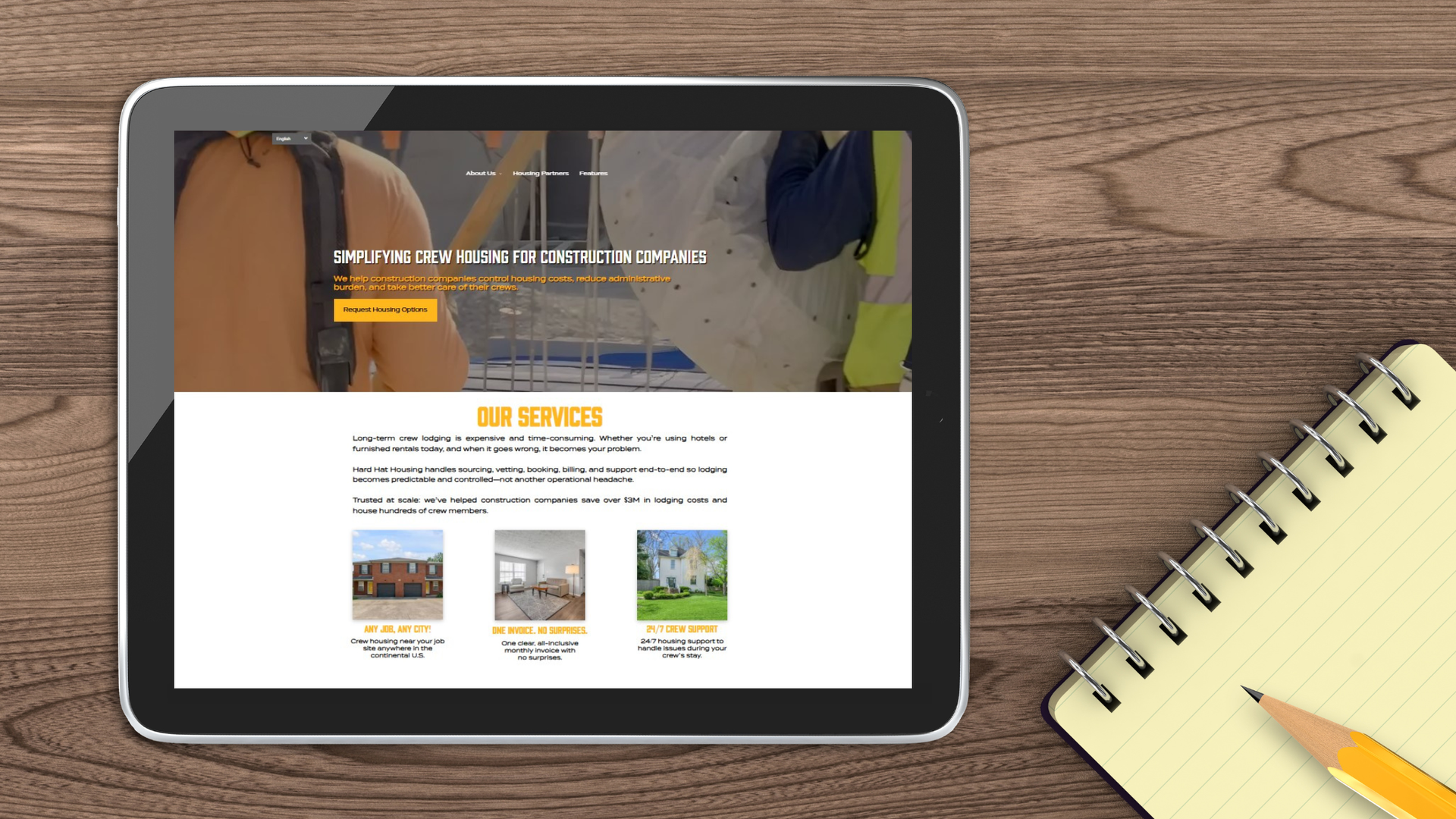
Hard Hat Housing, which specializes in workforce accommodation for construction teams, is built around reliability, safety, and long-term planning. Unlike one-size-fits-all travel sites, a crew housing service works
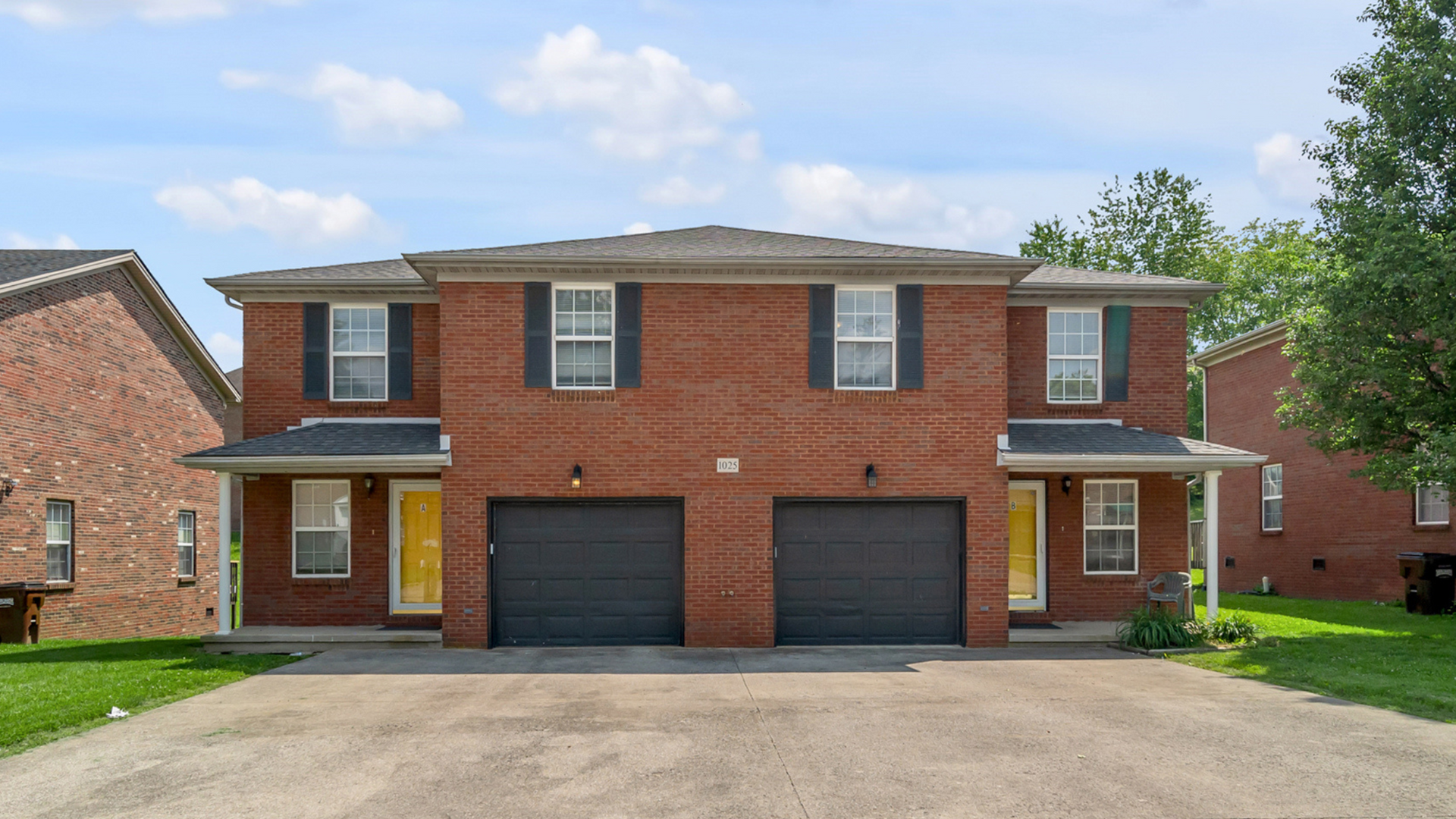
proactively with project managers: securing housing near the jobsite, ensuring each crew member has a safe and comfortable room (no more forced room-sharing unless you want it), and handling the logistics (furniture, utilities, cleaning, etc.) so the team can focus on work. Perhaps most importantly, they offer continuity, you won’t wake up to a surprise cancellation or find out halfway through the project that you have to relocate because the lease fell through. By planning housing for the full project duration (with options to extend if timelines slip), these providers remove a huge layer of risk. There’s also an emphasis on safety and vetting: properties are often inspected and vetted for suitable living conditions (no sketchy landlords or unsafe neighborhoods). In short,
reliable crew housing vendors prioritize crew well-being and project stability over short-term profit. While Airbnb or a random landlord might bail on you, a crew housing partner has skin in the game to keep your project running smoothly. Many construction leaders who have switched to dedicated housing solutions find that, although it may sometimes cost slightly more per night than the bare-bones alternative, the consistency and peace of mind are well worth it. When comparing options, ask yourself: what’s the cost if my crew housing falls apart versus the slight premium to ensure it doesn’t? The answer makes the value proposition of companies like Hard Hat Housing quite clear.
The takeaway is clear:
comfortable crew housing is not a sunk cost, it’s an investment that delivers substantial ROI. Companies that have made crew comfort a priority consistently report smoother projects, more engaged and efficient workers, and fewer nasty surprises eating into their budgets. On the surface, renting quality houses or apartments for your team (or using a professional crew housing service) might seem like an added expense. But as we’ve explored, the
hidden savings and benefits easily outweigh the costs. From higher productivity and fewer accidents to improved morale, loyalty, and retention, the returns are both quantitative and qualitative. In an industry where margins are tight and schedules tighter, those advantages can spell the difference between a successful project and one that struggles. Construction is ultimately a people-driven business, and when you treat your people right, they take care of your business. Comfortable housing sends the message that you take planning seriously and care about your crew’s well-being, which inspires crews to take pride in their work and go the extra mile. In the long run, investing in
affordable team housing solutions is about building a foundation for success: you’re preventing problems before they happen and creating an environment where your team can do their best work. That’s a return on investment you can bank on project after project.
Ready to maximize your project’s success with better crew housing? Don’t leave your team’s lodging to chance.
Contact Hard Hat Housing
today to plan safe, reliable, and comfortable accommodations tailored to your crew, and start reaping the rewards of a well-housed team.