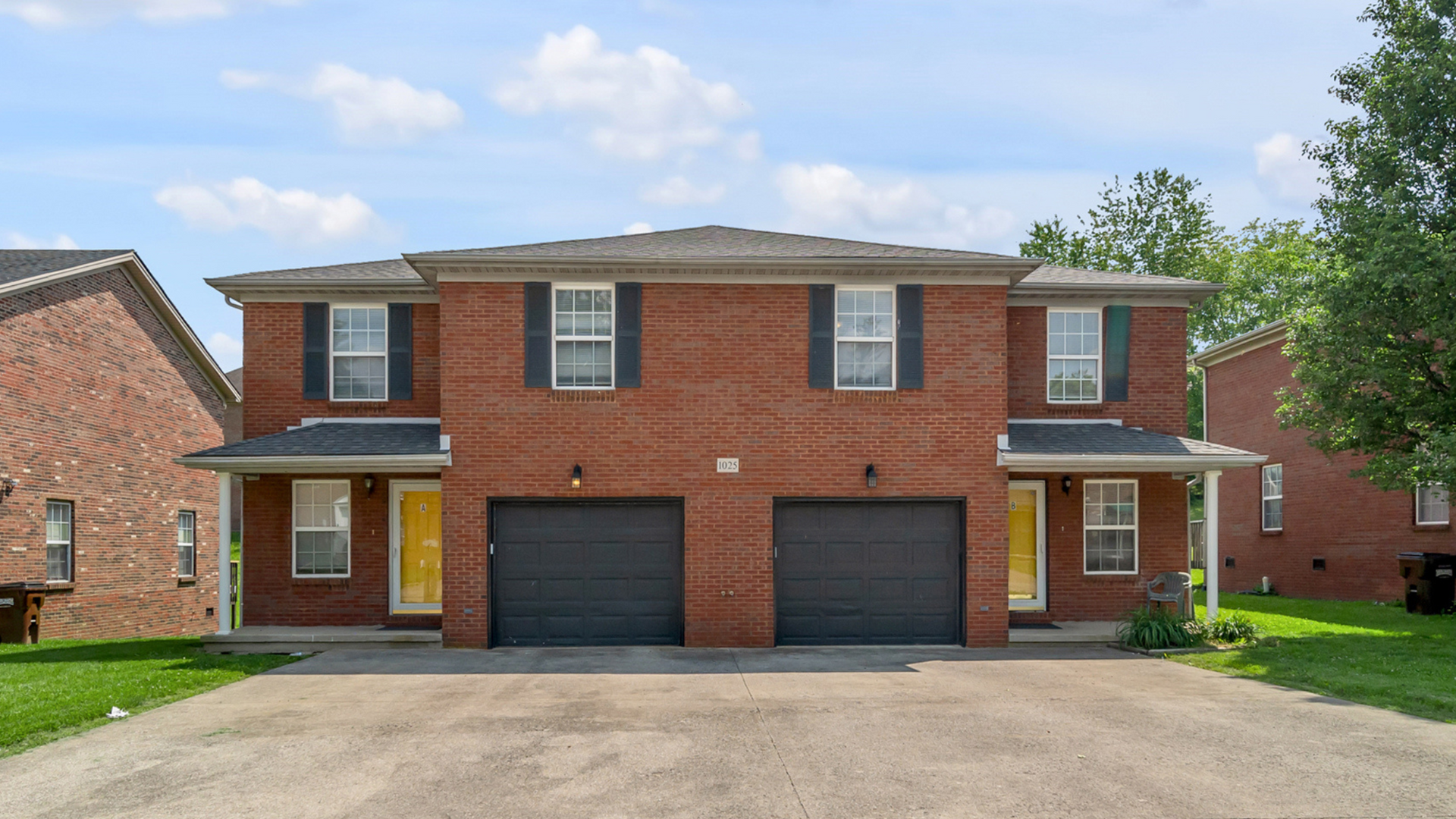

Why Contractors Should Care About Crew Lodging More Than Ever
The U.S. construction industry is facing one of its worst skilled labor shortages on record. In 2025, there’s an estimated 32% workforce shortfall – roughly 439,000 additional workers needed – and 93% of contractors report unfilled craft positions. With so many open jobs, workers can afford to be picky. That’s why the quality of housing provided to traveling crews has become a make-or-break factor in attracting and keeping talent. It’s no longer just a logistical detail; it’s a strategic lever. Recent discussions in industry forums and social media reveal a common theme: if you want skilled crews to join your project (and stick around), you need to put a roof over their heads that feels like more than a dingy crash pad. In fact, one workforce housing study found companies offering premium accommodations see far better success in recruiting and retaining workers, whereas if living conditions are poor, “workers just switch employers”. In short, crew lodging is directly tied to whether you can staff your jobs and finish them on schedule.
Labor Shortage, Meet Lodging: A New Recruitment Battleground
When labor is scarce, construction firms are in an all-out talent war. In this climate, a decent paycheck alone often isn’t enough to seal the deal,
where and how your crew will live has become part of the job offer. Potential hires are weighing the whole package, and many won’t even consider gigs that don’t come with acceptable housing or per diem. On Reddit’s r/Construction forum, one user asked peers for recommendations of companies that provide per diem
and lodging, making it clear he’s prioritizing those employers. These candid posts echo a broader sentiment: skilled workers know their worth, and they’re looking for contractors who will treat them like professionals, which includes a clean, comfortable place to stay after a long day on the job.
Contractors are responding by upping their game. In the past year, Facebook groups and trade forums have been peppered with posts about rising per diem and housing offers. It’s not unusual to see companies advertising
$100–$150 a day in per diem (or around
$550 a week) to cover hotels or rentals. Some firms directly book crew lodging and give a smaller meals stipend, while others hand out a generous all-in allowance so workers can choose their own accommodations. The message to recruits is clear:
we’ve got you covered. For example, union contractors often guarantee travel housing in their agreements – one union carpenter noted that having a private room was literally “part of my union contract”. By contrast, a non-union carpenter might have to hope their company isn’t cutting corners. In today’s market, any contractor who ignores crew lodging is at a serious disadvantage. When workers have options, they’ll gravitate to jobs where they’re treated like human beings, not disposable labor. Offering decent crew accommodation isn’t about spoiling anyone; it’s about
standing out as an employer of choice when everyone’s fighting over the same shrinking workforce.
The Link Between Poor Lodging and High Turnover
Securing a crew is only half the battle, keeping them is the real challenge when lodging falls short. Turnover in construction has always been costly, but it’s even more damaging now with limited labor available. Replacing just
one worker can cost anywhere from
$6,000 to
$15,000 once you factor in recruiting, onboarding, and lost productivity. Those costs multiply quickly when multiple crew members quit. Why are they leaving? Often, it’s not because another company offered a tiny pay bump.
Surveys show that lack of respect, poor working conditions, and burnout are bigger reasons than pay for construction workers walking away. And guess what one of the most grueling “working conditions” is for traveling crews? Living in subpar housing for weeks or months on end.
If a company puts their team in cheap, uncomfortable lodging, it’s sending a message that the crew’s well-being isn’t a priority. As one construction worker shared in an online discussion,
“I did it for a few months and couldn’t stand it. Walked away.” He’s far from the only one. Others chimed in that they flat-out
refuse jobs with shoddy housing,
“I have turned down every job that asks me to share [a room]” is how another experienced hand put it. Crowding workers two or three to a motel room might save a few bucks in the short run, but it can backfire horribly. Tired, disgruntled workers are much more likely to quit mid-project for a competitor that promises better conditions. In one notorious Reddit thread, a traveling installer described how his company always chose the
cheapest motel. It was so bad a crew member caught
ringworm from the unsanitary room. You can imagine the effect on crew morale and loyalty. Simply put,
poor lodging is a fast-track to turnover. And in a labor shortage, every person you lose is painfully hard to replace.
Contractors need to recognize the connection between housing and retention. Provide nothing but a lumpy bed in a noisy, shared room, and you’re almost guaranteeing that some of your crew won’t stick it out. On the flip side, investing in better housing yields ROI in the form of crew stability. Consider this example: placing a 12-person crew in shared motel rooms might save a little money up front, but by the third month you could be replacing a quarter of the team – easily $30,000 in re-hire costs – and scrambling to catch up on the schedule. Meanwhile, a similar crew that’s given clean, private housing options could finish a six-month job with
100% retention The projects that keep their people see fewer delays and cost overruns. In an industry where 62% of projects are already facing
months-long delays due to staffing issues, no contractor can afford avoidable turnover. The bottom line: taking care of your team’s lodging is taking care of your business. It’s far cheaper to keep a good worker happy than to find, vet, and train a new one because the first guy quit over a musty motel and a roommate who snores.
Morale, Safety, and Project Performance Suffer When Housing Does
Beyond hiring and retention, crew lodging has a day-to-day impact on how well people perform. Think about it: after a 10 or 12-hour shift of hard physical work, what does your crew need most? Rest. Privacy. A chance to recharge. Cramming workers into inadequate accommodations deprives them of those needs.
Fatigue sets in when guys can’t get a good night’s sleep – and fatigue leads to mistakes and accidents on site. One construction electrician shared that on a long out-of-town job,
“sleeping in a hotel during the day was terrible and often you were sharing a room with a co-worker.” He noted that even though the pay was good, the exhaustion and disrupted routine meant
“your diet gets out of whack quickly.” In other words, subpar lodging was actively undermining his health and morale. Multiply that effect across a crew, and you get a team that’s irritable, drained, and far from productive.
Meanwhile, a well-housed crew is a safer and more efficient crew. Oil and gas companies figured this out years ago: they provide dedicated workforce housing (“man camps”) with private bedrooms, hot meals, Wi-Fi, and other comforts because it
keeps workers focused and fresh. As a result, these industries see better retention and fewer accidents linked to fatigue. The construction sector is slowly catching on. An oilfield workforce study that compared different housing approaches noted that companies providing comfortable lodging saw significant boosts in morale and output, it concluded that
“fatigue and frustration lead to turnover, and replacing a skilled worker mid-project costs far more than an extra room”. In essence, paying for each person to have their own room can
pay for itself by preventing errors and mid-job departures. It’s hard to quantify morale, but you notice it when it’s low: crews start dragging their feet, quality slips, and project timelines stretch out. Those are exactly the kind of costly delays contractors can’t afford in a tight labor market.
There’s also the factor of commute and convenience. If your crew’s lodging is an hour’s drive from the jobsite to save a few bucks, you’re imposing extra stress (and unpaid fatigue) on them daily. Long commutes from distant hotels
eat into personal time and wear workers down. Plus, those hours spent on the road are hours
not spent resting, or worse, they become overtime hours you’re paying for unproductive travel. Smart project managers try to put crews up
close to the site whenever possible. As one construction housing provider noted, even cutting a commute by 30 minutes each way noticeably improves crew energy levels on the job. Fewer bleary-eyed drives at dawn and dusk also mean a lower risk of road accidents. All told, investing in decent, nearby lodging and humane rooming arrangements translates to a safer work environment and a more predictable project schedule. People simply work better when they’re well-rested and feel cared for. And clients will feel the difference too. A project that stays on schedule (because the crew isn’t chronically shorthanded or exhausted) ultimately makes for happier clients and more business down the line.
Mixed Crews, Union Standards, and the Need for Consistency
Most large construction jobs today involve a mix of labor – union crews, non-union subcontractors, travelers from out of state, and local hires. Lodging can become a point of tension if different groups are treated differently. Union agreements often
mandate minimum lodging standards for their members. For example, many union contracts specify that traveling workers must be given single-occupancy rooms or a sufficient per diem to secure their own housing. In one Reddit discussion, a union worker mentioned he’d
never been asked to share a hotel room because
“it’s part of my union contract.” Union crews typically won’t tolerate being jammed four to an apartment or two to a bed, and they have the collective bargaining power to back them up. Now consider a mixed crew scenario: if the union carpenters get individual hotel rooms per their contract, but the non-union drywallers are asked to double up in a motel to save money, how do you think that will go over? At best, you’ll create resentment and a divide in your team; at worst, you’ll start losing the non-union folks who feel disrespected.
For a general contractor managing both union and open-shop trades, the
only practical approach is to meet the higher standard across the board. In practice, that means planning for decent accommodation for everyone, not just those who demand it. The good news is, what unions push for – private rooms, fair per diems, safe and clean lodging – are things
all workers benefit from. Providing equitable housing conditions helps level the playing field and build a more cohesive crew. There’s a safety aspect here too: when one subset of your team isn’t stewing over why they got the short end of the stick on lodging, everyone works together more smoothly. It’s simply good leadership to
set one consistent policy for crew housing that errs on the side of comfort. We’ve heard the horror stories of how bad it can get when companies try to cut corners. One tradesman who used to travel for work recalled that not only were they forced to share rooms, but it was
“always the cheapest hotel or motel around.” The conditions were so poor,
“a crew member got ringworm” during one project. No contractor wants their job to be known for that kind of experience, it’s a reputation killer that will scare off both union and non-union workers. Conversely, contractors who take care of lodging earn a positive reputation in the field. Crews talk, and word spreads about which companies provide a decent setup versus which ones send you to the roach motel across town. In an industry built on networks and word-of-mouth, being known for
great crew accommodation is a competitive edge.
Importantly, addressing lodging isn’t something that contractors have to tackle alone. It can feel daunting to coordinate housing for a large, mixed crew, especially if you’re juggling different per diem policies or union rules. This is where tapping into specialized solutions can help. For instance,
our team at Hard Hat Housing has made it our mission to simplify crew lodging for contractors. We’ve seen first-hand how providing comfortable, home-like housing for every crew member removes friction and boosts morale on mixed-labor projects. By ensuring everyone gets a clean, private space to unwind, we help contractors create an even playing field and avoid the conflicts that arise when only some workers are treated well. The goal is simple:
keep crews focused on the job, not on complaining about where they’re sleeping. When you achieve that, you can really see the difference in team unity and project momentum.
Ready to put crew comfort first? We can help. At Hard Hat Housing, our team handles your crew’s accommodation logistics and finds housing that keeps them happy and productive.
Reach out to us to keep your workforce strong and your projects on schedule.