
Why Per Diem Isn’t a Solution: It’s a Tool
Per diem is often treated as a quick fix for crew housing. Hand workers a daily stipend and consider the lodging problem solved. In reality, per diem should be a strategic support, not a stand-alone solution. Yes, daily allowances can simplify accounting and keep things within IRS limits, but using per diem as a blanket policy can backfire. Without proper planning, a stipend meant to help can actually undermine workforce stability, leading to exhausted crews, surprise expenses, and even lost productivity. The goal isn’t to abolish per diem; it’s to use it wisely alongside real housing solutions that keep your team safe, rested, and focused on the job.
Per Diem Can Support Crews, Not House Them
Per diem exists for a reason: it’s straightforward, predictable, and (when done right) keeps everyone out of paperwork trouble. There’s no law forcing companies to pay per diem, but you
do have to reimburse travel expenses somehow. Many firms choose per diem because it’s simple: set a daily rate, hand over cash, no receipts or hotel block bookings needed. When kept within federal guidelines, these stipends aren’t taxed, which makes them feel like a perk rather than pay. The intent is good: give workers autonomy and avoid administrative headaches. But
per diem is a financial tool, not a housing plan. A flat daily check doesn’t guarantee a safe or comfortable place to sleep at night. If you lean on per diem alone, you’re effectively telling your crew “you’re on your own” for finding lodging. That might work for a night or two, but over months it can erode morale and performance. A stipend should support your people, not leave them couch surfing or crammed into motel rooms.
The pitfalls show up when per diem policies aren’t calibrated to reality. Paying too little or treating per diem as a bonus instead of a reimbursement can
sabotage crew stability. Remember that if per diem doesn’t fully cover legitimate travel costs, workers might end up subsidizing their lodging from their own paychecks. That’s a fast track to resentment and burnout. Worse, get the rules wrong and you could run afoul of labor laws or the IRS. (For example, assignments over one year nullify the tax-free benefit of per diem, and any amount above the federal daily rate can be treated as taxable income.) In short, per diem should make life easier for traveling crews, but it cannot replace a proper housing strategy. Use it as intended—in tandem with a plan for real beds—and you’ll keep your team both compliant and content.
GSA Rates vs. Real Costs: The Big Shortfall
To see why per diem-only plans fall flat, compare government rates to actual housing costs. For fiscal year 2025, the General Services Administration (GSA) set the
standard lodging per diem at $110 a night (with $68 for meals and incidentals). Many companies peg their travel stipends to these rates, figuring if it’s good enough for federal employees it’s good enough for their crews. But here’s the problem:
real hotel prices don’t follow GSA’s script. In mid-2025, the average U.S. hotel ran about
$162 a night before taxes. Even extended-stay hotels—after promises of 30–60% long-stay discounts—often end up around $97–$113 per night, or roughly $3,000 a month for one room. Compare that to the standard $110 lodging per diem. If your crew is working in a busy metro or oil boomtown, that $110 might not even touch the cheapest Marriott or Motel 6 in town. GSA rates simply
lag behind market reality in many areas. The government bumps them up periodically (FY2025 saw a big increase, with lodging rising from $107 to $110), but hotel prices have been rising faster—especially with inflation and high demand post-pandemic. The result? A gap between what the stipend covers and what a decent room actually costs.
That gap isn’t hypothetical; crews feel it in their wallets.
“$120/day is not acceptable. That will not cover lodging,” one construction manager flatly stated on Reddit. A typical
“cheap” hotel can easily run $90+ a night, leaving only about $30 (from a $120 per diem) for food, gas, and everything else. In very low-cost rural areas you might expect per diem to stretch further, but even there the reality can bite. As one commenter noted,
“Even in [very low cost] areas, $120 does not go very far for room & board. Any low cost hotels…may be primarily occupied by vagrants.” In other words, if a crew member tries to stay under the per diem cap, they might end up in an unsafe, low-quality motel that hurts their rest and security. On the flip side, going for a safe, clean hotel often means paying above the allowance. Traveling workers frequently have to dip into their own pockets or hunt for alternatives (like distant hotels, lengthy commutes, or month-to-month rentals). In one real-world case, a worker sent to a remote mining town found that even substandard lodging would cost about
$2,000 a month—which would chew through most of a standard per diem budget and still yield a “less than decent” place. The takeaway is stark:
government per diem rates and actual housing costs are out of sync. If you rely solely on the stipend, you’re likely underfunding your crew’s lodging needs in many regions of the country.
Turnkey Crew Housing: A Better Alternative to Per Diem-Only
If per diem alone isn’t solving your crew housing needs, what’s the alternative? The answer is to
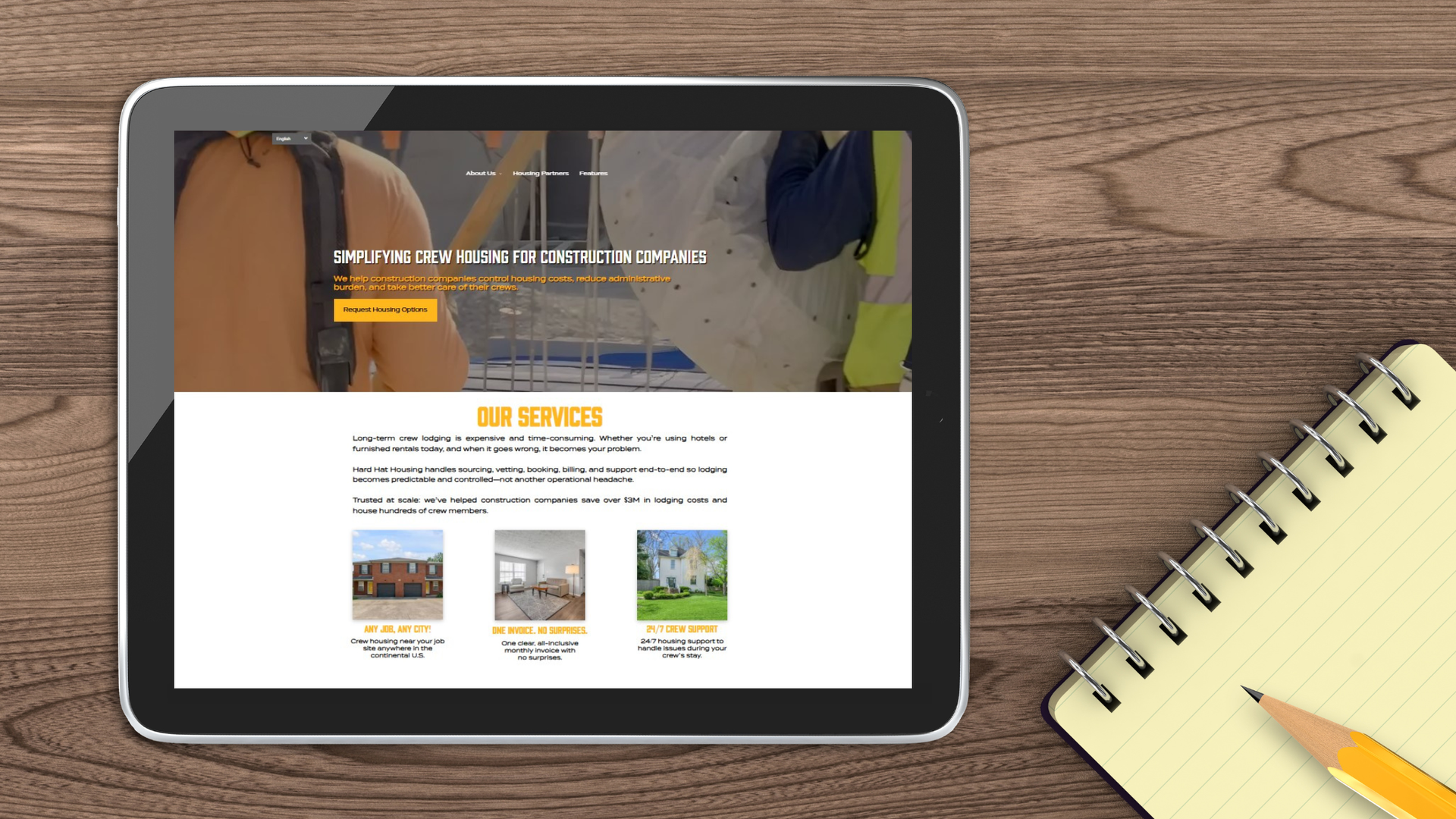
treat crew lodging as a critical project resource, one that can be managed proactively, not left to each individual with a check. This is where our team at Hard Hat Housing comes in. Instead of relying on dozens of motel rooms or hoping that a stipend will cover an Airbnb,
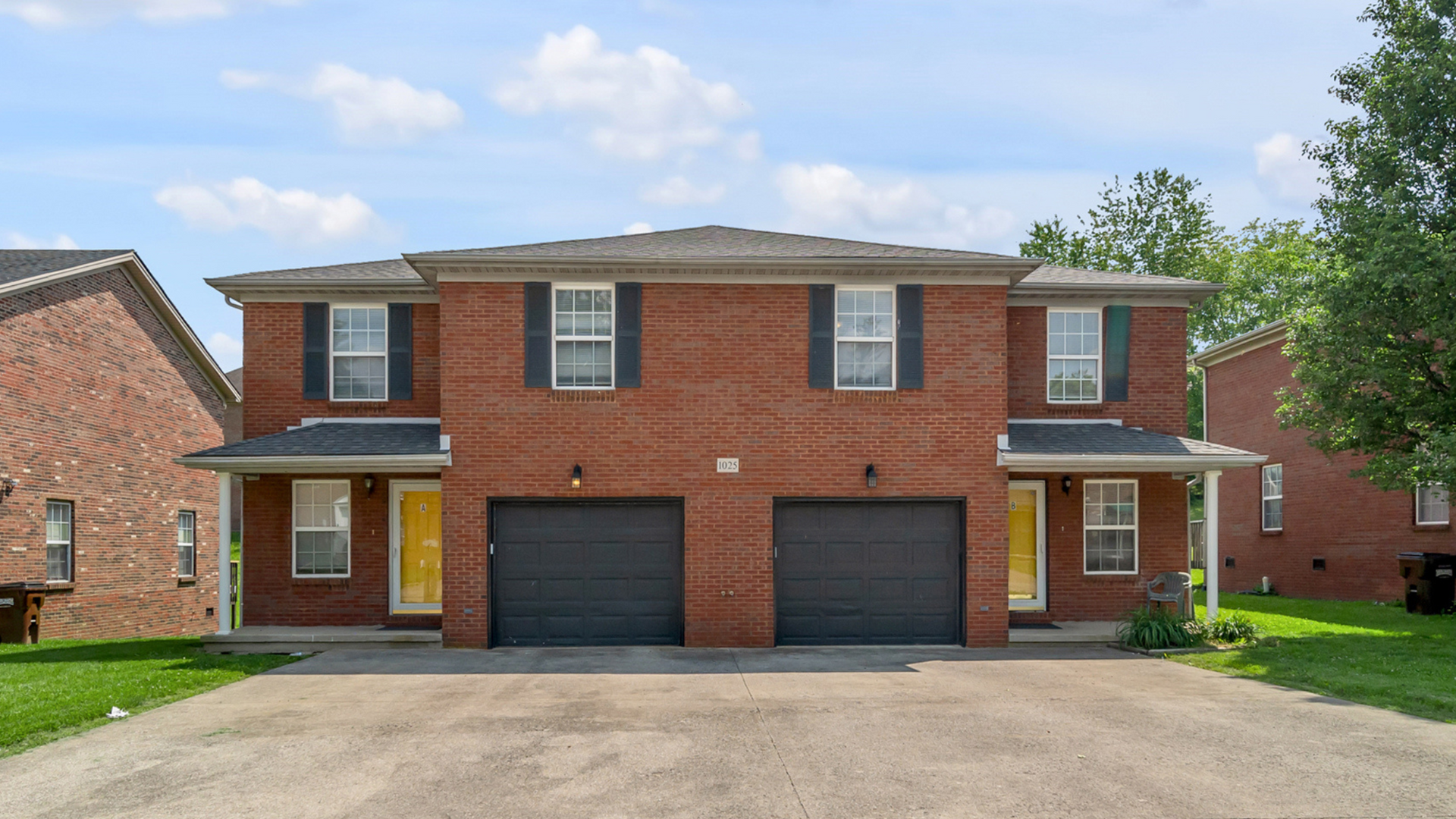
we provide turnkey crew housing solutions that take the guesswork (and legwork) out of lodging. Think furnished houses or apartments near your jobsite, leased and set up specifically for your crew’s comfort. Everyone gets a real bed, privacy, and amenities like full kitchens, laundry, and Wi-Fi. We handle the property sourcing, furniture, utilities, and even the housekeeping, delivering a home-away-from-home so your team can focus on work. The best part? It often
costs less in total than the per diem + hotel combo you might be using now. By negotiating longer-term leases and consolidating accommodations, we routinely see
25% to 35% savings versus putting crews in hotels (once you factor in all the taxes, fees, and lost productivity around them). One invoice from us can replace a mountain of nightly hotel folios and expense reports. In other words, we turn housing from a chaotic variable into a fixed, predictable line item.
The benefits of this approach aren’t just financial—they’re human. Crews in
quality housing work safer and smarter. When workers come “home” to a comfortable space instead of a stuffy hotel room, they can cook a decent meal, do their laundry, get a good night’s sleep, and maybe even enjoy a team cookout or a game on the couch. Those things sound simple, but they add up to higher morale and lower burnout. According to our experience (and plenty of crew feedback), having a stable living environment boosts team cohesion and reduces fatigue-related mistakes. In fact, when comparing projects with dedicated crew housing to those with per diem-only, we consistently observe
hard improvements in outcomes: fewer last-minute call-offs, lower turnover mid-project, and a steadier work pace. As one field manager noted, when housing is handled, crews feel taken care of, and they repay that consideration with loyalty and focus. Projects stay on schedule and on budget because the workforce isn’t in constant flux or dragging from lousy sleep.
It’s time to stop thinking of per diem as a magic wand for crew housing problems. In reality,
per diem is just one tool in the toolbox. Like any tool, it works best when you use it for the right job. A modest, well-targeted stipend can cover meals or small extras, keep accountants happy, and give workers some spending flexibility. But it won’t build a bed or shorten a commute. Construction leaders who treat lodging as a core part of project planning—rather than an afterthought solved by a dollar amount—see better results. Your crew is the engine of your project’s success. Housing them well is not an extra cost; it’s an investment in productivity, safety, and retention. So by all means, use per diem to smooth the edges, but
don’t lean on it as your entire plan. The real solution is pairing financial support with tangible housing solutions that guarantee every worker a decent place to stay.
Tired of juggling per diems and praying your crew finds decent digs? It doesn’t have to be that way.
Hard Hat Housing offers turnkey crew lodging that keeps your team happy and your project on track.
Contact us today to learn how we can take “crew housing” off your worry list.