
How to Run Housing Like a Supply Chain
Managing housing for construction crews can feel like a constant scramble. With travel and lodging costs on the rise and skilled labor spread across regions, project managers are under pressure to secure quality housing efficiently. Instead of treating crew lodging as an afterthought or emergency, it’s time to manage it with the same rigor as material supply or equipment logistics. In practice, that means proactive planning, treating housing providers as vital partners, building in contingency plans, and leveraging tools for full visibility. By running crew housing like a supply chain, you streamline operations, control costs, and keep your team safe, rested, and productive.
Proactive Housing Planning and Booking Workflows
Last-minute housing arrangements often lead to stress, higher costs, or even crew disruptions. Construction schedules change frequently, but leaving crew lodging to the eleventh hour (or failing to plan for project extensions) is a recipe for disaster. One project manager shared how a one-month schedule slip turned into a housing crisis when an Airbnb couldn’t extend. The crew had to uproot mid-project, losing days of productivity to packing and relocating. The lesson is clear: treat crew housing needs like you would a critical material order. Forecast your crew “heads in beds” needs as soon as the project timeline is set, and secure accommodations well in advance for the expected duration. Also, plan for reality, not optimism. If a job
might run longer, negotiate flexible lease terms upfront so you can extend the stay without drama. By booking early and building in flexibility, you avoid the scramble of slim pickings or surge pricing. In our experience, a solid housing plan keeps projects on schedule by ensuring the crew is settled and focused on work, not worrying about where they’ll sleep next week. We coordinate with your project timeline to align check-in and check-out dates with potential schedule shifts, so housing never becomes the bottleneck.
Coordinating Vendors and Housing Partners
Crew housing logistics often involve juggling multiple vendors, from hotels and rental owners to corporate lodging platforms. Without a coordinated approach, this can become a tangle of inconsistent quality and communication gaps. Many project managers have learned the hard way that generic travel sites or ad-hoc rentals are the “Wild West” of crew lodging: there’s often no vetting of listings, little support if things go wrong, and hours of PM time drained by negotiating and troubleshooting each stay. Moreover, consumer-focused platforms may have policies that clash with construction needs. For instance, Airbnb’s move toward more flexible cancellation for guests (great for tourists) can backfire on a crew relying on a stable 3-month stay sudden cancellations or “policy curveballs” leave you in the lurch. The supply chain mindset here is to turn disjointed vendors into a reliable
housing supply network. Standardize your criteria for housing suppliers (proximity, amenities, safety) and build relationships with ones that meet these standards. In fact, many construction teams are shifting to specialized crew housing providers and vetted corporate housing services rather than rolling the dice on nightly rental apps. We follow the same philosophy: at Hard Hat Housing, we act as a single point of coordination for crew lodging. We vet every property and partner, handle all communications and support, and ensure each accommodation meets your quality and safety requirements. By treating housing providers as long-term partners–much like trusted material suppliers–you gain consistency and reduce the risk of surprises. The result is a smoother booking workflow where one call or platform handles all your crew housing needs, freeing you to focus on the build.
Redundancy Planning: Always Have Backup Housing
Even with the best planning and reliable vendors, construction projects are unpredictable. Delays due to weather or supply issues can suddenly extend a project’s duration, and occasionally a booked property can fall through with little notice. That’s why a supply chain approach to housing demands
redundancy planning, always having a “Plan B” (and C) ready. If a key supplier on a job site goes down, you’d have a backup; similarly, you should pre-identify backup lodging options. Real-world stories abound of crews left scrambling because a host canceled days before check-in or an overbooked hotel reneged on a block reservation. The savviest project managers now build contingency housing into their workflows. In online forums over the past year, construction PMs have emphasized keeping 2–3 alternate units on standby for each project. That might mean reserving a second set of rooms with a flexible release policy or maintaining a short list of furnished rentals that can be activated at a moment’s notice. We take a similar precautionary approach: our team always has backup accommodations in mind for our clients. If a crew needs to relocate due to an unexpected issue, we execute the backup plan immediately – no frantic last-minute hotel hunts or crew downtime required. Treating crew housing like a supply chain means anticipating disruptions: negotiate clauses for early check-outs or extensions, and consider services that offer lenient cancellation or modification policies (for example, some workforce lodging platforms allow changes up to the same day without penalty). By investing a little time in redundancy planning, you ensure that an unforeseen housing hiccup never turns into a full-blown project crisis. The crew stays housed, and the project stays on track.
Leveraging Visibility Tools for Housing Logistics
In supply chain management, visibility is king. Knowing where your inventory is, what’s in transit, and what it costs in real time. Crew housing should be no different. Too often, however, lodging information is scattered across emails, personal credit cards, and spreadsheets, leaving project managers and finance teams in the dark. Consider the common scenario: after a long project, the company tries to tally up lodging expenses only to find hotel charges buried in dozens of different statements, some under subcontractors’ names and some missing receipts entirely. The result? No clear picture of true housing costs per project, making it nearly impossible to assess job profitability accurately. To run housing like a supply chain, aim for a
single source of truth for all crew lodging data. That means centralizing bookings and tagging each reservation to its project from day one. By doing so, every stay is allocated to a job code in real time, giving both operations and finance instant visibility into costs and occupancy. Modern crew housing platforms (or a good internal system) provide dashboards where you can see who is staying where, for how long, and at what rate, much like a logistics dashboard for shipments or materials.
Our approach prioritizes this transparency: we provide clients with a consolidated report and live updates on their crew housing portfolio, so a project manager can, at a glance, see which units are occupied, which leases are ending, and how the budget is tracking. This kind of visibility not only prevents unpleasant budget surprises, but also enables continuous improvement. For example, with clean data you might notice one vendor consistently incurs extra fees or one project’s lodging cost per head is higher, insights you can use to adjust future housing plans. Additionally, centralized housing management simplifies the administrative burden. Instead of chasing down receipts from each crew lead or subcontractor, you get one itemized invoice or report. (In our case, we deliver one predictable invoice with all housing costs clearly tied to each project.) As one industry guide put it, when you eliminate the “paperwork chaos,” you can focus on your crew and deadlines, not on playing accountant. In sum, visibility tools turn housing logistics from a guessing game into a data-driven process – a hallmark of running it like a supply chain.
Housing Logistics as a Competitive Advantage
Housing your crew is a core part of project operations that can either derail schedules or drive success. By applying supply chain principles to crew housing, forward-thinking project managers transform lodging from a reactive headache into a strategic asset. The benefits are tangible: companies have saved an estimated 25–35% on lodging costs by moving crews into well-managed rentals over standard hotels, and those savings go straight to the bottom line. More importantly, a supply chain approach ensures your team is rested and ready to work. Fewer long commutes and reliable, comfortable housing mean less fatigue, fewer accidents, and higher morale, which all translate to better productivity and less turnover. In an industry where 45% of firms faced project delays due to worker shortages in 2025, keeping your skilled crew happy and on the job is mission-critical. We’ve seen that when housing is run smoothly, crews notice and appreciate it; providing decent lodging has become not just a logistic decision but a leadership signal of how much you value your people. Treating crew housing as you would any other supply chain to manage – with planning, quality control, backup options, and real-time tracking – is simply smart business.
Ready to turn crew housing from a scramble into a streamlined process? We’re here to help.
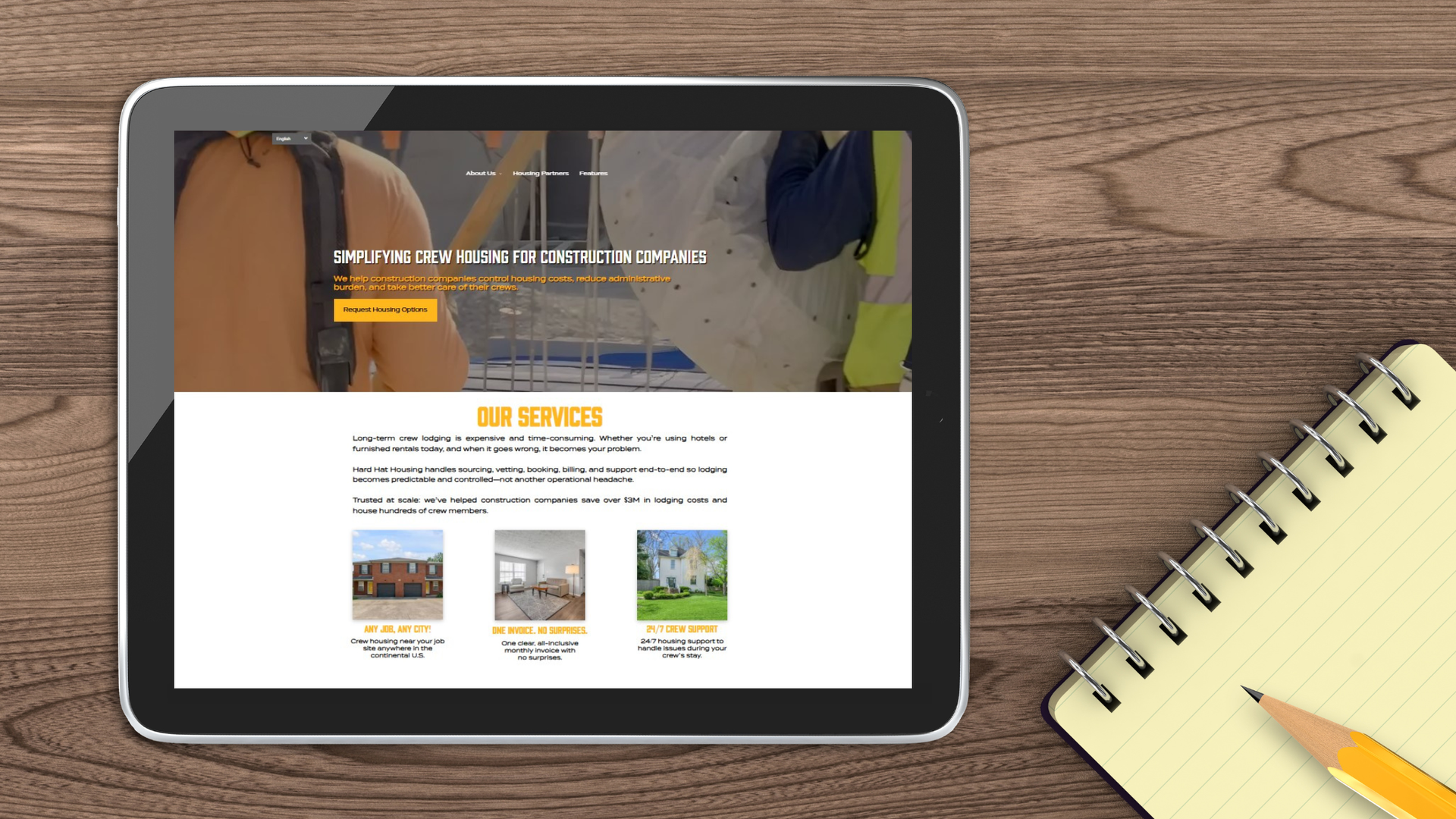
Hard Hat Housing acts as your housing logistics partner, handling everything from sourcing and vetting accommodations to 24/7 support.
Let us simplify your crew housing management so you can focus on building, not booking. Contact us today to see how we can keep your crews comfortable, productive, and project-ready.