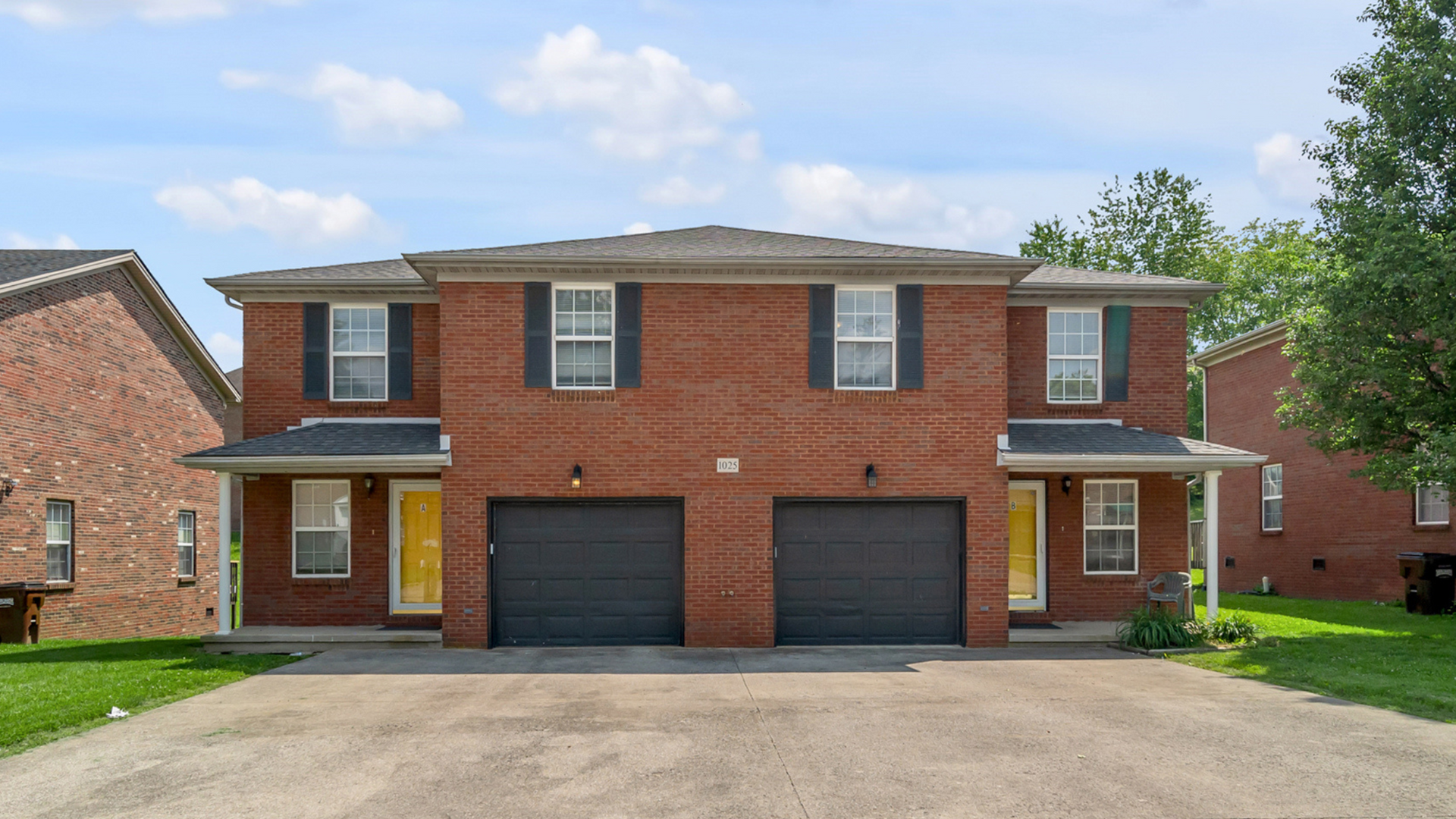

You have thought about renting your property to a construction crew. Maybe a neighbor did it, or you read that crews stay for months instead of nights and treat a home like a home. The idea makes sense. What stops most homeowners is not the concept. It is the not knowing. What is the first phone call actually like? What if the home needs something? How does approval get decided? When does a crew actually move in?
This is the honest, start to finish walkthrough. By the end, you should be able to picture every step your own property would move through, from the first conversation to the moment it is live and matchable. No mystery, no fine print surprises.
Before we walk the steps, one thing worth saying plainly: learning how to list your property for crew housing is far simpler than most people expect, and with Hard Hat Housing there are no fees to you at any point in the process.
Crew housing is a mid-term rental. Instead of nightly vacation guests or a locked-in year-long lease, you host a construction crew for the length of their project, usually a stretch of months. Industry-wide, mid-term rentals run anywhere from one to twelve months, with three to six months being the common sweet spot. The tenants are working professionals. They are up early, on the job all day, and back in the evening wanting a quiet place to rest. That single difference is why so many homeowners find crew housing steadier and calmer than short-term platforms. If you want the fuller picture of why owners make the switch, our piece on why homeowners choose crew housing lays it out side by side.
$0
Fees charged to homeowners
3 to 6
Typical months per crew stay
14
Days to deposit return after vacancy
Now, the process.
Step One: The First Conversation
Everything starts with a conversation, and it is genuinely just a conversation. Sometimes you find us. Sometimes we find you, because we have a crew heading to your area and your property looks like a fit. Either way, the first step is the same: we talk.
We want to understand the basics. Where the home is. How many people it can comfortably sleep. Whether it is already furnished. What you are hoping to get out of renting it. And, importantly, when it is available and for how long.
This first call is also where your questions get answered. Homeowners usually want to know the same handful of things. Are there any fees? No, we charge homeowners nothing whatsoever. Do I have to furnish the place? No, we only work with homes that are already furnished, so you are not buying beds and cookware to get started. Who handles the crew once they move in? We do.
This is the moment to ask anything, because there is nothing to sign and nothing to commit to yet. You are simply seeing whether crew housing fits your situation. If you would rather start by reading, our homeowners guide to renting your property covers the same ground in depth before you ever pick up the phone.
Step Two: Understanding the Property
After the first conversation, we build a clear picture of the home. This happens through you: your photos, your description, your answers about the layout, the beds, the parking, the kitchen, the laundry. You know your property better than anyone, and that is exactly what we work from.
What we are paying attention to are the things that actually matter to working tenants. Enough beds and bathrooms for a crew to live together without stepping on each other. A real kitchen, so crews can cook instead of eating out every night for four months. Laundry. Parking that can handle work trucks and trailers. And the confirmation that the home is genuinely furnished and move-in ready, since that is a requirement on our side, not something we ask you to scramble to arrange.
The goal here is accuracy. We want to represent your property honestly so that when a crew is placed there, everyone knows exactly what they are getting. Accuracy up front prevents friction later, which is a principle that shows up in nearly every serious guide to running a mid-term rental for construction crews.
Step Three: Readiness Requests, If Any Come Up
Sometimes, once we understand the property and the crew we have in mind, a small gap appears. Not always. But sometimes.
The most common example is bed count. If we know a crew of five is coming and the home comfortably sleeps four, we may ask whether you would be willing to add a bed. It might be something equally simple, like an extra set of towels or a missing kitchen essential. These are modest, common-sense items, not expensive overhauls, and we tell you plainly what we are asking for and why.
You decide what you want to do. Nothing is forced, and nothing is hidden. The point of this step is only to make sure the home is set up to work well before anyone moves in, which protects your income and your property at the same time.
Step Four: How Approval Is Decided
Approval is not a mysterious gate. It comes down to two things.
The First Question
Does the home meet our standards?
It is furnished, functional, safe, and suited to a crew of working adults living there for months. That is the quality bar, and it does not shift.
The Second Question
Is it vacant for the full duration?
A beautiful home that is only free for six weeks cannot host a five-month project. The dates have to line up, and this matters as much as the standard itself.
This second piece is the one homeowners often do not expect. If the dates work and the standards are met, the property is approved.
We are a specialized placement partner, not a passive listing site. Approval means we are prepared to put a crew in your home, not that we have parked your address on a page and hoped someone stumbles across it. That distinction is the whole reason homeowners work with us instead of posting on a general marketplace.
Step Five: What "Live and Matchable" Actually Means
Here is the part that surprises people, in a good way.
If we were the ones who reached out to you, it is because we already have a crew that needs housing in your area. In that case, approval and move-in are usually close together. There is no long wait in a queue. The demand existed before the conversation did, which is why we called you in the first place.
If you came to us, the timing depends on when a project lands nearby. Your approved property is ready and matchable, and when a construction company needs housing in your area, your home is in the running.
Either way, once a crew is placed, we handle it. You are not fielding inquiries, screening messages, or negotiating terms. From that point on, the ongoing rhythm is refreshingly quiet. Here is what stays true throughout a stay:
- You pay no fees, ever.
- The home is professionally cleaned once a month during the stay.
- We only reach out if there is something worth telling you. If we spot an issue at move-in, you get photos or video. If there is nothing to report, you are not bothered.
- The damage deposit is held by you and returned within fourteen days of the lease ending or the property being vacated.
That combination, steady project-length income with almost none of the day-to-day management, is what most homeowners are really after when they ask about how to list your property for crew housing.
Common Questions Homeowners Ask Along the Way
A few things come up often enough to answer here directly.
How long does the whole process take?
It depends mostly on timing. If a crew is already headed your way, things can move quickly. If not, the first conversation is the slowest part only because it depends on when you call.
What if my property is not matched right away?
That is normal and not a reflection on your home. Matching depends on where the active projects are. Being approved means you are ready the moment demand shows up nearby.
Do I lose control of my property?
No. It stays your home. You set the terms you are comfortable with, the deposit stays in your hands, and we work within what you have agreed to. If you want more detail on the mechanics, our FAQs page covers the recurring questions in one place.
You Can Picture It Now. The First Step Is Small.
Look back at what you just read. A first conversation with no commitment. An honest picture of the property, built from what you already know about it. Maybe a small request, like an extra bed, if the crew calls for it. A clear approval based on two sensible questions: does the home meet the standard, and are the dates free. Then a quiet, well-managed stay with no fees and steady income.
That is the entire arc, and none of it requires you to become a property manager. If you would like to see how other owners describe the experience, our list your property page is where most of them started.
The only part you cannot do from an article is the first step, and it is the smallest one. Now that you can picture every step, the first is just a conversation. Call us and we will walk your property through it.
Call 859-249-8641