
13%
of workplace injuries are linked to sleep problems
859-249-8641
948 National Ave
Lexington, KY 40502
When was the last time a costly jobsite mistake got written off as "human error" without anyone asking what kind of sleep that crew had been getting the week before? The phrase is a tidy place to stop an investigation. Someone misread a measurement, missed a step, took a shortcut that cost a day of rework. Human error. Case closed. But that label often hides a more uncomfortable question, one that points away from the jobsite entirely and toward the place your crew slept the night before.
Error reduction in construction is usually framed as a function of training and supervision. Better toolbox talks, tighter oversight, clearer procedures. Those matter. But a growing body of research says the conditions a crew recovers in off the clock shape their performance on it just as much. Crew fatigue and errors are tightly linked, and fatigue is not something you can train away. It has to be slept off. Where and how a crew sleeps is part of your error-reduction strategy, whether you have ever thought of it that way or not.
There is a tendency to treat tiredness as a personal problem, something a worker should push through with another coffee. The data does not support that view. Fatigue shows up in hard numbers, the kind that land on incident reports and insurance statements.
The National Safety Council estimates that around 13% of workplace injuries are linked to sleep problems, and a systematic review it cites found that workers with sleep problems carry roughly 1.62 times the injury risk of those without. Injury rates climb steeply as sleep falls: among workers averaging under five hours a night, the rate peaks at nearly 7.89 injuries per 100 employees. The most striking comparison comes from sleep research summarized by the Sleep Foundation, which notes that being awake for roughly 18 hours impairs performance about as much as a blood alcohol level of 0.05. Nobody would knowingly put an impaired worker on a scaffold. A poorly rested one can be operating at a similar deficit without anyone noticing.
13%
of workplace injuries are linked to sleep problems
1.62x
higher injury risk for workers with sleep problems
0.05 BAC
equivalent impairment after roughly 18 hours awake
The accident math is just as blunt. Analyses of fatigue in safety-critical industries estimate that a fatigued worker faces something on the order of 62% higher accident risk, driven almost entirely by the rise in human error that comes with a tired brain. That is the connection the "human error" label quietly skips over. The error was real. The fatigue behind it was preventable.
It helps to be specific about how fatigue turns into mistakes, because the mechanism is not laziness. It is biology.
A tired brain loses precision in exactly the functions a jobsite depends on. Reaction time slows. Judgment narrows. Attention drifts at the worst possible moments. A worker running on five hours of broken sleep is measurably worse at reading a measurement, sequencing a task, catching a hazard in their peripheral vision, or communicating clearly with the person operating equipment nearby. None of these are character failures. They are the predictable output of a brain that has not recovered.
Stack that across a crew and the effects compound. Research summarized in the housing industry notes that workers getting five to six hours instead of a healthy seven to nine can see performance decline by 20 to 30%. On a complex site, a 20% drop in cognitive sharpness across a whole crew is not a rounding error. It is slower progress, more rework, more wasted material, and more near-misses that could have gone the other way.
A tired crew is not a less committed crew. It is a crew working with a measurable deficit nobody put on the schedule.
Here is the part that connects back to decisions a company actually controls. Recovery from fatigue does not happen on site. It happens in whatever housing the crew goes back to at the end of a shift. And that environment varies enormously.
A worker in a quiet, private room with a real bed, climate control, and a kitchen recovers. A worker sharing a cramped motel room with a snoring roommate, thin walls, and a long commute on either end does not, no matter how tired they are. The commute itself eats into sleep: a 45-minute drive each way is 90 minutes a day stolen directly from rest. Overcrowding fragments sleep. Noise interrupts it. The result is a crew that clocks in already behind, having technically been "off" for twelve hours but having recovered for far fewer.
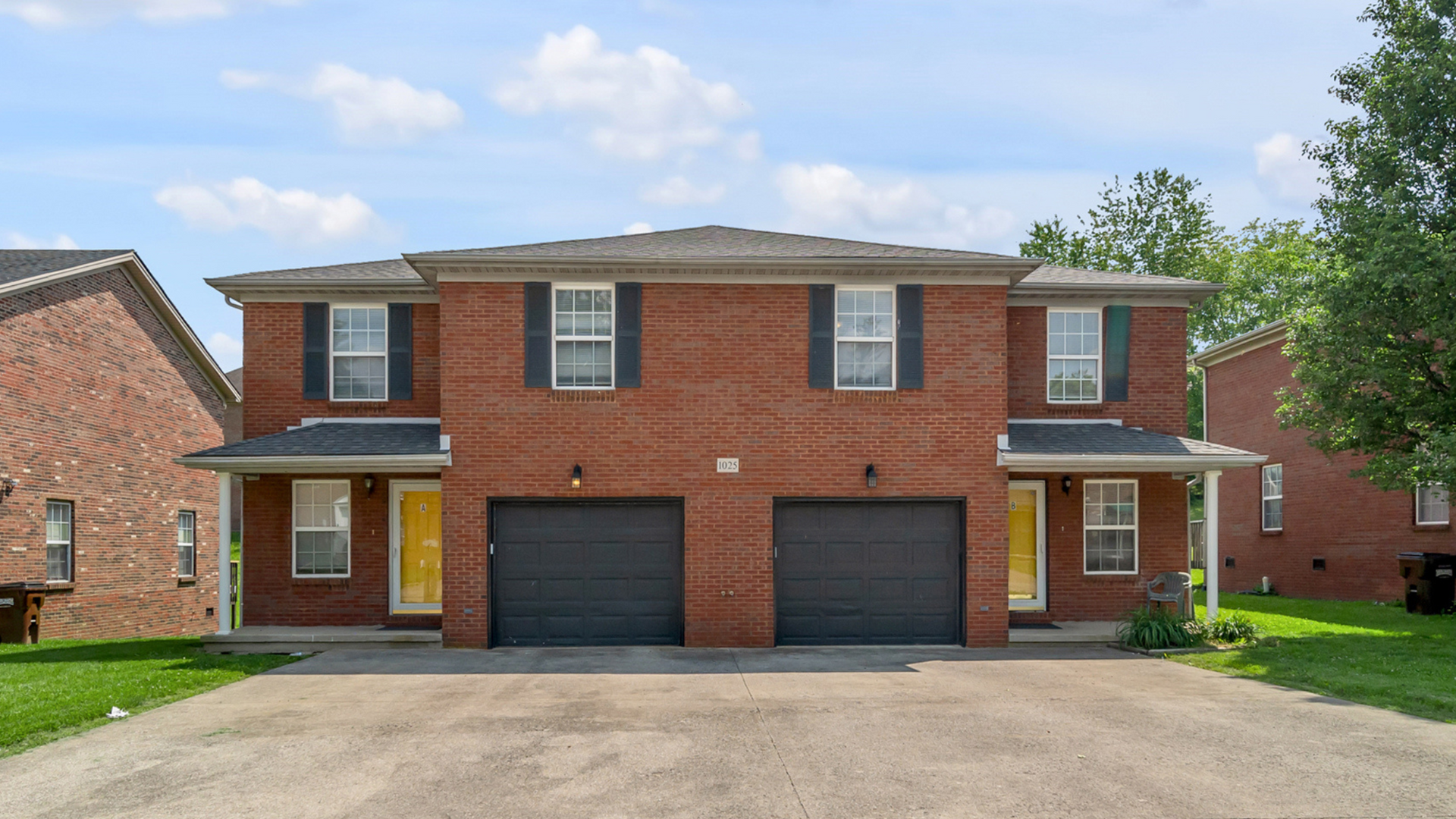
This is why housing belongs in the safety conversation and not just the budget conversation. The conditions that make quality sleep possible, proximity, privacy, quiet, a comfortable place to actually rest, are the same conditions that reduce the fatigue-driven errors showing up on your reports. We have written before about why sleep quality matters for construction crews, and the through-line is consistent: rest is not a perk, it is part of the work.
Most companies already invest in error reduction. They run safety meetings, enforce procedures, supervise closely. The blind spot is treating the on-site hours as the only place performance is determined. The off-site hours, and specifically the sleep those hours are supposed to contain, are doing just as much to set the error rate before the crew ever picks up a tool.
Reframed that way, the housing decision looks different. Stable, consistent, well-located housing is not a comfort line item. It is a quiet input into the same outcomes your safety program is chasing. There is a reason this connects directly to retention as well: the link between housing, rest, and whether crews stay runs through the same fatigue mechanism. A crew that is rested makes fewer mistakes and is also far more likely to come back for the next job. If you are evaluating what good looks like, our breakdown of what to look for in crew housing lays out the specific features, location, private sleeping space, quiet, that translate directly into recovery.
And the financial logic holds up. Fatigue-related productivity losses alone are estimated at $1,200 to $3,100 per employee per year, before you count a single accident or rework cycle. When you weigh that against the cost of better housing, quality rest starts to look less like an expense and more like one of the cheaper ways quality housing pays for itself across a project.
None of this means every mistake traces back to a bad night's sleep. Errors have many causes, and good training and supervision remain essential. The point is narrower and more useful: fatigue is a real, measurable contributor to jobsite error, it is largely determined by conditions off the clock, and those conditions are something a company can actually change.
So the next time a slip gets filed under "human error," it is worth asking the question that usually goes unasked. What kind of rest was that crew running on? Where were they sleeping? It is a different kind of root-cause conversation, and it tends to lead somewhere more fixable than blame.
If you are ready to treat crew rest as part of how you protect safety and output, our team can help you put your people somewhere they can actually recover, near the site, quiet, and built for working professionals. Tell us about your crews and we will show you what that looks like.
Request Housing Options