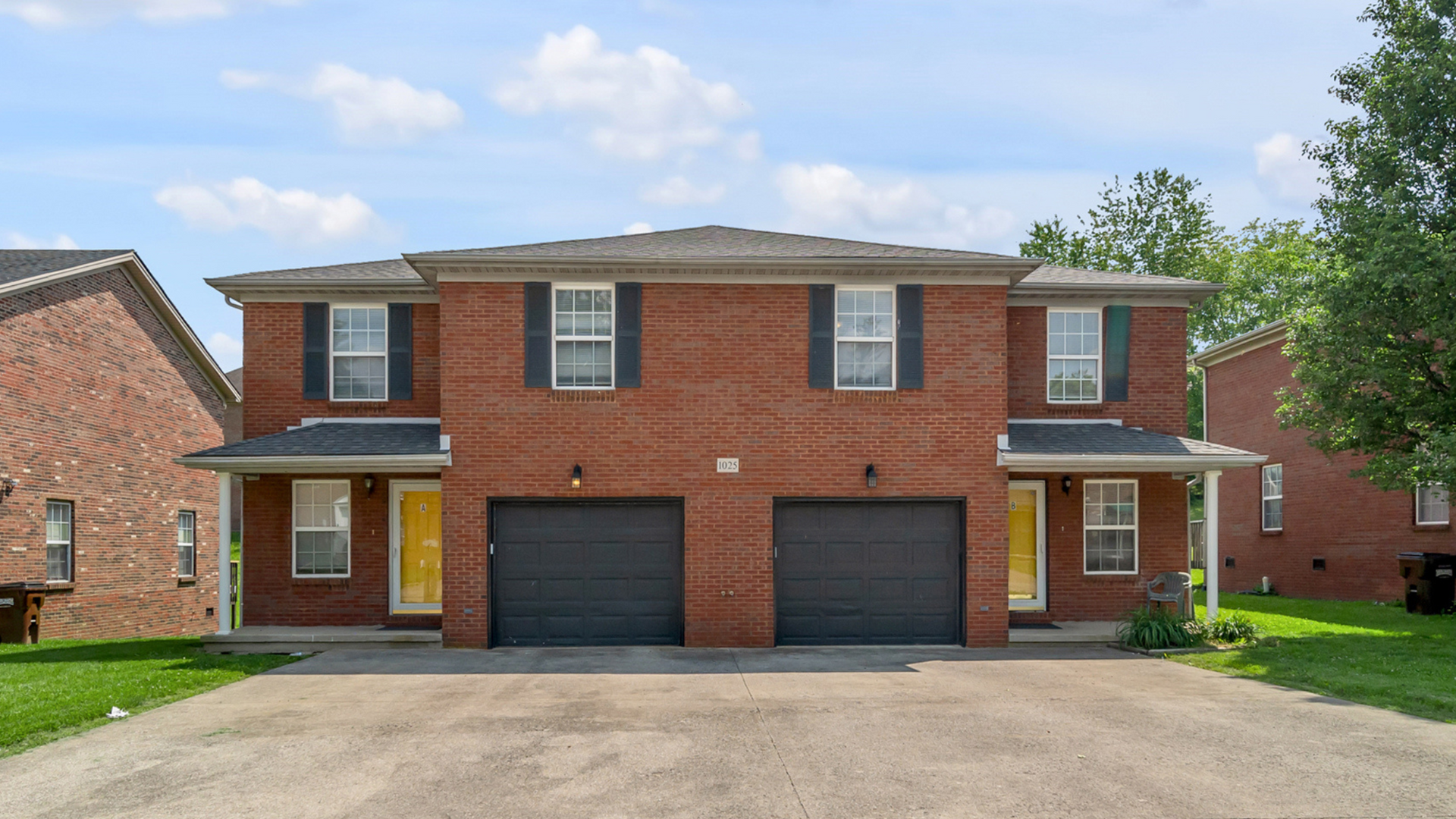

Ask a superintendent why he hasn't looked into a different housing setup and you'll usually get some version of the same answer: not this quarter. There's a picture behind that. Discovery call, vendor questionnaire, procurement sign-off, three weeks of email before anybody sees an actual unit. So the hotel block gets rebooked out of habit and the question waits.
Simplified crew housing management starts with four things you already have. Location, dates, headcount, and somebody we can call. That's the door. What happens after that is our problem.
Nobody is asking how it works
They're asking how much of it lands on them, which is a different question and a fairer one.
PlanGrid and FMI put construction professionals at roughly 35 percent of working hours on non-productive activity: chasing information, resolving conflicts, redoing work. More than a full day a week, every week, producing nothing you can bill. A 2024 FMI study got more specific and found project managers spending about 6.2 hours a week just moving documents around.
35%
of working hours spent on non-productive activity across the industry
6.2 hrs
per week a project manager spends compiling and tracking documents
2
touchpoints required from you across the entire housing process
So the flinch at "let's set up a call" isn't reluctance. It's someone guarding the one thing on the job that can't be ordered in.
Any housing arrangement that adds to that pile is a bad trade no matter what it does to the invoice. Which means the ask has to be genuinely small, and it's worth listing precisely instead of promising it in the abstract.
Everything we need, in full
Not a summary. This is the list.
- Job location, meaning the site address or near enough. If the site is remote, the nearest town works. It sets the search radius and tells us what commute is realistic.
- Start and end dates, best estimate. Projects move and we plan around that rather than charging for it.
- Headcount and how the beds need to split. Private rooms, shared units, separate housing for supervisors, whatever the arrangement actually is.
- A budget number or range. This isn't an opening bid, it's a filter that keeps us from wasting your afternoon on units you'd never approve.
The sequence, and how long each part takes
- You send requirements.
- We come back with vetted options, usually inside 24 hours. Tight markets, odd bed configurations, and genuinely remote sites take longer, and we'll say so at the front instead of letting you work it out from the silence.
- You choose. Second decision point, and the last one. Everything in front of you already fits the budget, the location, and the headcount, so it goes fast.
- Lease goes to your designated company signer. Your company signs. Not your crew, not your foreman.
- We handle move-in: keys, access, timing, and the on-the-ground business of getting people through the door.
Two touchpoints total. Sending requirements, picking an option. Set that against booking, rebooking, and babysitting a hotel block across a 90-day job.
Timing does change what's available. Earlier requests get better options on price and location, which is a supply problem rather than a policy of ours. There's more detail in our housing FAQs for construction companies.
Where your part stops
Worth being blunt about, because vagueness here is what makes people hesitate.
| Your side | Our side |
|---|---|
| Send location, dates, headcount, contact | Source and vet properties |
| Choose from presented options | Negotiate terms with housing partners |
| Sign the lease at company level | Prepare and route the lease |
| Tell us when the project changes | Coordinate move-in and access |
| Handle billing on one monthly invoice | |
| Field housing issues during the stay |
You're not calling housing partners. You're not cross-referencing listings at ten at night. And you're not taking a 6am call about a water heater, which is the one that quietly eats people, because housing problems route to whoever booked the housing and that person's actual job is running the job. Some types of crew housing generate that kind of interruption constantly and others barely at all.
Things people brace for that never come
No commitment before you see options. Nothing gets signed to reach that stage.
No minimum crew size. Four people and forty people go through the same process.
No new payment workflow for your finance team. Billing lands as one monthly invoice instead of a drawer full of folios and reimbursement forms. Anyone who's reconciled a project's lodging spend after the fact knows the difference immediately.
No locked dates. Projects stretch and compress. Housing has to absorb that rather than treat it as a breach.
If the ask is this light, what's being skipped?
Nothing. The work moved, that's all.
Sourcing, vetting, negotiating, contracting, coordinating, supporting: real hours attached to every one of them. Those hours exist whether or not anyone accounts for them. On most projects they land on a superintendent or a coordinator who absorbs them on top of a full load, which is exactly why they never show up as a line item anywhere. The same thing happens to lodging spend itself, which is where per diem models tend to come apart, something we've covered separately in our breakdown of GSA per diem limits.
The labor market makes that trade worse than it used to be. Associated Builders and Contractors puts the industry's need at roughly 349,000 net new workers in 2026 and 456,000 in 2027, and AGC's 2026 outlook found 82 percent of firms struggling to fill hourly craft positions. When people that experienced are this hard to replace, using their hours on lodging coordination is expensive in a way the budget never captures. Our analysis of crew housing ROI runs the fuller numbers.
Housing also carries regulatory weight people underestimate. OSHA publishes guidance on worker housing standards, and the spending data the Census Bureau tracks shows how fast regional demand tightens local rental supply, which is usually the real reason a market goes hard to book with no warning.
Location, dates, headcount, a contact, a budget range. Two decisions, one invoice. If what's kept you from looking at easy crew housing solutions for construction managers is the assumption that changing anything means a heavy lift on top of what you're already carrying, that list is the honest answer. You can send it today without agreeing to a thing.
If the worry is how much of this lands on your plate, send us the project details and we'll lay out exactly what we'd need from you before you commit to anything.
Request Housing Options