
Ask a superintendent what amenities his crew has and you will usually get whatever was on the hotel's website read back to you. Fitness center. Business center. Breakfast until nine. Then ask one of the guys, six weeks into the job, what he actually wishes he had. Different list entirely. A stove. A washer. Somewhere to put his boots that is not the bathroom floor. A chair that faces something other than a bed.
That gap runs through the whole way the industry talks about accommodation for construction workers. The word "amenity" got handed to the hospitality brochure, where it means whatever a property can photograph. On a long job, the things that decide whether your people can live are the ones nobody bothers to photograph, because they are dull. The dullness is the point. Dull is what a person needs when they are going to be somewhere for two months.
Hotels Solve a Problem Your Crew Does Not Have
Nothing is wrong with a hotel. A hotel answers one question extremely well: where does a person sleep when they will be gone tomorrow? The room follows from that. Small closet, because you have one bag. No kitchen, because you eat out twice and check out. No laundry, because you packed enough. It is built for transience and it is good at it.
Your crew is not transient. They are six weeks into a build with four to go. The assumption behind the room stopped being true somewhere around day nine, and everything downstream of it starts to fail without anyone raising a hand. No complaint gets filed. People just wear down.
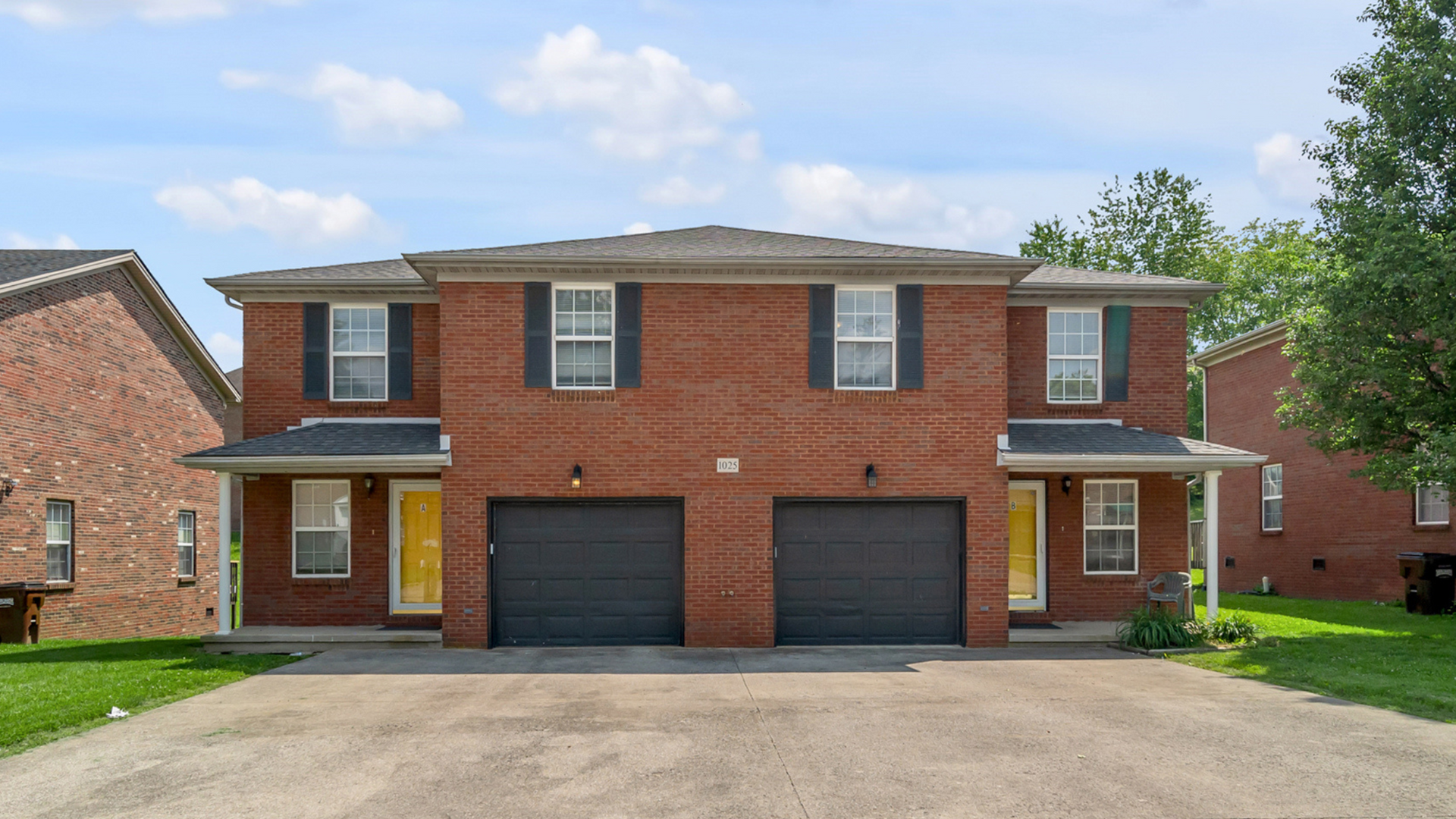
That is where short-stay lodging and real housing for traveling construction workers part ways, and it is not about quality. A very nice hotel and a very ordinary rental house can land at the same nightly cost, and the house still serves the long stay better, because it was built for people who live somewhere.
The Kitchen Is the One That Compounds
Start with food. It has the longest tail.
A crew without a kitchen eats out. Not once as a treat, but every night, for the length of the job. Most companies have already run the money side, and it is bad. The health side is quieter and worse.
Federal researchers have followed this for decades. The CDC has documented away-from-home food climbing from roughly 18 percent of daily calories in the late 1970s to about a third by 2010, contributing an outsized share of the sodium and saturated fat people take in. Research summarized by the American Cancer Society tied a single full-service restaurant meal to higher energy intake, more saturated fat, and several hundred extra milligrams of sodium in one day. One dinner out means nothing. Sixty in a row is a different event happening to a body.
Stack that on work that is already physical. Heavy days in the heat, and the fuel for ten weeks is whatever stayed open past eight within fifteen minutes of the hotel. Nobody flags it. They just slow down on a Thursday and blame the week.
A kitchen takes all of it off the table. Not a microwave and a bar fridge, which get you as far as reheating. A real kitchen, stove and oven and counter and a full refrigerator, lets a person cook. Cook and reheat are different verbs, and one of them is how a crew reaches week ten in decent shape.
Laundry Is the Job, Not a Convenience
Construction clothes are not office clothes. They come off the site wearing concrete dust, mud, hydraulic fluid, sweat, and whatever else the day handed over. They cannot go a second day. They cannot wait for Saturday.
A crew without in-unit laundry gets two options, and both bill you somewhere. The laundromat means a guy who just worked eleven hours spends his morning in a plastic chair watching a dryer turn. The hotel's coin machines, usually two for the whole floor, mean a queue, which means somebody is running a load at eleven at night because that was the only slot open.
Neither cost lands on an invoice. Both come straight out of rest. And since the fix is just a washer and dryer inside the unit, going without one is a cost nobody needed to pay.
Floor Space Is an Amenity Nobody Lists
A crew shows up with gear. Boots, tools, wet-weather kit, coolers, hard hats, a bag each. In a hotel room, all of it lives in the same eleven feet of walkway between the bed and the door. Boots by the bathroom. The bag never gets unpacked, because there is nowhere to unpack it to. The room stays mid-transit, and so does the person in it.
Space is not luxury. Space is being able to set things down in a room that reads as somewhere you live instead of somewhere you are passing through. Small difference on night three. Large one on night forty.
And Then There Is the Room With the Couch
Here is the one people underrate most.
In a hotel, a crew has nowhere to be together that is not a bedroom or the parking lot. That is the full menu. So the default evening is four or five guys in four or five separate rooms, each alone with a phone, four hundred miles from family. One night of that is fine. Six weeks of it and you are running a slow experiment in isolation, on people whose trade already carries more of that than most.
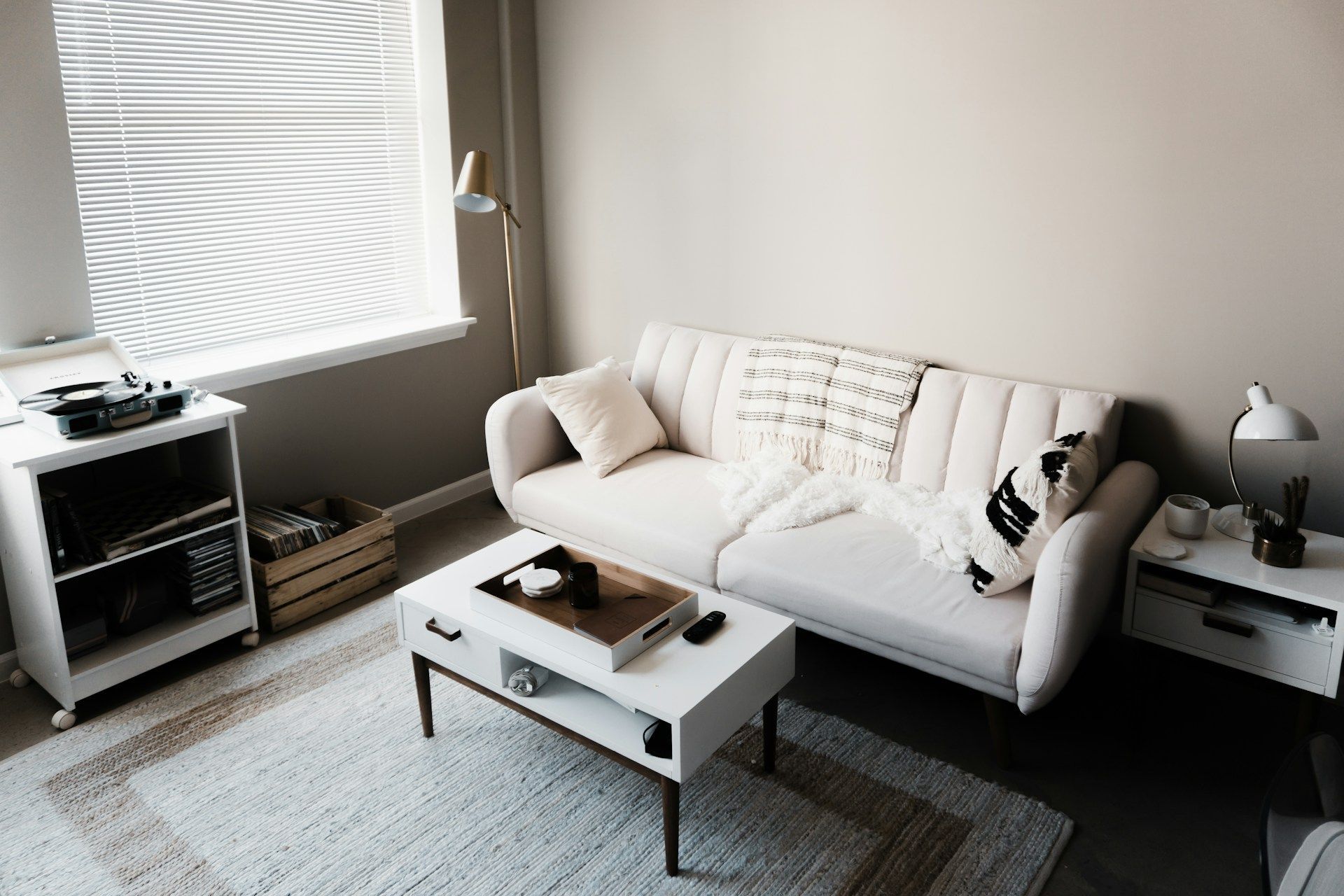
A house has a living room. Couch, television, a table. Somebody cooks too much and it turns into everyone eating. The game is on and three guys land on the sofa. None of it is a program you fund or a benefit you administer. It falls out of the building simply having a room that is not a bedroom, and it shapes how a crew shows up Monday more than most things you could name on a budget line.
A hotel gives a person a room. A house gives a crew a place to be. On a ten-week job, those are nowhere near the same thing.
That is also why the private-room rule matters so much on a long stay: a door someone can close is where the rest starts.
Why This Is Really a Safety Conversation
Filing amenities under comfort makes them sound optional. They are not, because they feed rest, and rest feeds risk.
OSHA reports accident and injury rates running about 18 percent higher on evening shifts and 30 percent higher on night shifts than on day shifts, with twelve-hour days tied to roughly a 37 percent jump in injury risk. The National Safety Council points to a review finding workers with sleep problems carry about 1.62 times the injury risk of those without, and estimates around 13 percent of workplace injuries trace back to sleep problems.
No one is saying a washing machine stops an incident. The truer claim is smaller and more useful: every amenity above either guards sleep or robs it. Laundry at eleven robs it. A forty-minute drive for dinner robs it. A room shared with someone on a different schedule robs it. A person who cooks at seven, washes at eight, and sits somewhere that is not a mattress at nine gets to bed earlier and sleeps better. That is the whole mechanism. Not dramatic. Just adding up, night after night.
A More Honest Amenity Checklist
If you are weighing construction crew lodging for a long project, the brochure list barely helps. This one tracks how week eight actually goes.
| What the listing advertises | What decides a long stay |
|---|---|
| Pool and fitness center | Full kitchen with a real stove and oven |
| Complimentary breakfast | In-unit washer and dryer |
| Business center | Private bedroom per person |
| Lobby and front desk | A living space that is not a bedroom |
| Daily housekeeping | Floor and storage space for gear |
| Nightly rate flexibility | Parking that fits work trucks |
Hold any option you are considering against the right-hand column. Most temporary housing for construction workers that looks sharp on price fails three or four of those, and the failures stay hidden until the job is well underway and moving everyone is expensive.
We Built the List From the Job Site, Not the Brochure
None of this came off a spreadsheet. We got it from putting hundreds of crew members into places to live and hearing the same short list come back, over and over, of what actually mattered to them. Kitchens. Laundry. Their own door. Somewhere to sit. Room for the gear. Parking a truck fits in.
So that is what we look for. Every property we place a crew in is already furnished and already set up for people staying a while, near the job site, at a price that usually lands well under the same run of hotel rooms over the same stretch. Not because comfort is a nice gesture, but because the arithmetic of a long job runs straight through how people are living while they do it. If you want the fuller picture, our guide to construction crew housing walks through it end to end.
The Question Worth Asking Before the Next Job
Before you book the next block of rooms, ask the guys. Not "was the hotel okay," because they will tell you it was fine. Ask what they would change about where they slept on the last job if they could change one thing. You will hear about a kitchen, or a washer, or a door they could shut. Short answer, specific, and almost never anything off a hotel's amenity list.
If your crew could have one thing a hotel never gives them on a long job, you already know what it is. Call us and we will walk through what a place with all of it would look like.
Call 859-249-8641