
Why Hotels Quietly Fail Long Construction Stays
The booking made sense on day one. A clean mid-range hotel, a corporate rate, a couple of rooms blocked off for the crew, and a project schedule that said six weeks. By week four, the math has shifted. The bill is climbing in ways that didn't show up in the original quote. The crew is grumbling about laundry runs and the same breakfast buffet. Two rooms have had maintenance issues the front desk keeps promising to resolve. And the rate is suddenly different next month because there's a convention in town.
Somewhere between week three and week five, the cracks start to show.
This is the part of crew lodging nobody warns you about at the start of a long project. Hotels are not bad, exactly. They are just structurally designed for a different kind of stay. The longer your crew is on the ground, the more those structural choices start working against you.
Hotels Are Built for Three Nights, Not Three Months
The entire hotel business model is built around short stays at high turnover. Rooms are sized for one or two guests. Pricing is dynamic, which means a rate that looked great in February can climb 30% during a regional event in May. Housekeeping is daily by default, but on a 60-day stay your crew doesn't actually want strangers in their room every day, and the per-night rate doesn't drop because they declined service. The amenities that exist (continental breakfast, lobby coffee, a fitness center your guys may or may not use) are baked into a price that doesn't bend.
For a three-night trip, all of that is fine. For a three-month deployment, it's the wrong tool for the job. The U.S. hotel industry's average daily rate sat around $162 in 2025 with national occupancy around 62%, and STR forecasts kept revising downward through the year. Stable on paper. But the part that doesn't show up in the average is what happens to your specific market when demand spikes, and how that volatility hits a multi-month booking that you can't move.
The Five Long-Stay Limitations That Compound Over Time
Each of these is manageable on its own. The problem is that on a long stay, they don't stay isolated. They stack.
The Per Diem Trap
Without a real kitchen, your crew eats out. Industry analysis pegs the math at something like a $150 room plus a $60 per diem for meals, landing at $210 per crew member per day, before parking and incidentals. Over a 90-day stay, that's $18,900 per person, and you're spending most of it on fast food that hurts crew health, not lodging.
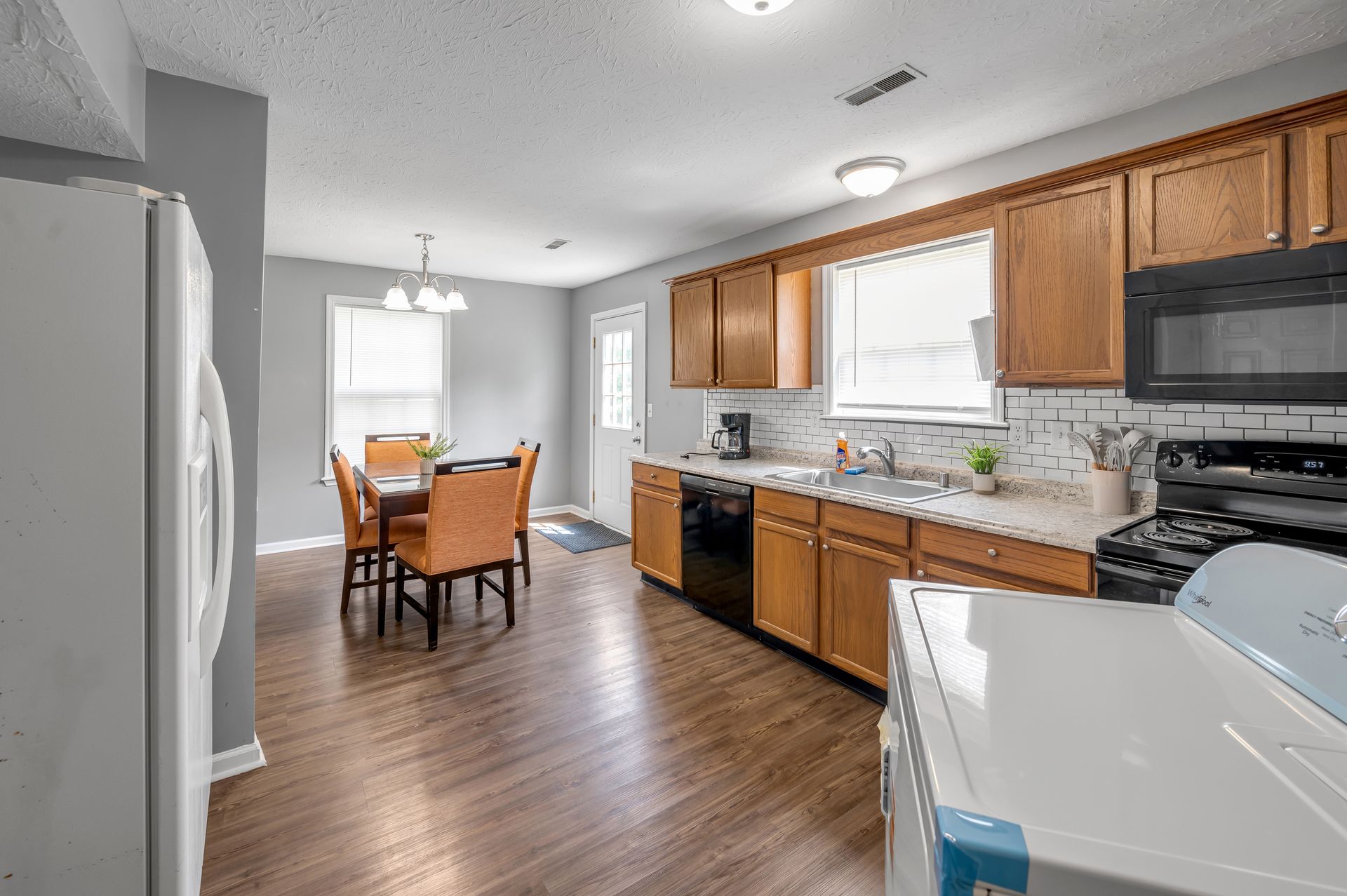
A midterm rental with a full kitchen flips the equation. Crews cook, grocery bills replace restaurant bills, and the daily cost per person drops without anyone feeling pinched.
Tax and Fee Drift
Hotel pricing in the United States carries built-in occupancy taxes that often run 10% to 15% on top of the room rate. Many states exempt stays over 30 days from those taxes, but only if the booking is structured that way from the start, and only if the property honors the exemption (some don't). Short consecutive bookings rarely trigger it. You quietly pay the surcharge on every night.
Add parking fees, resort fees, internet fees, and the occasional pet or extra-guest charge, and the gap between the quoted rate and the invoice gets wider every week.
Rate Volatility You Can't Escape
Hotel daily rates are dynamic by design. Q1 2026 U.S. hotel data showed ADR climbing 2.2% year over year with occupancy up 0.8%, but the national averages hide what actually happens in a specific market. A regional event, a sports finals, an oil-and-gas surge, a hurricane recovery (any of these can shift the local ADR overnight). If your crew is housed in that market, the bill moves with the market.
A locked monthly rate on a furnished rental, by contrast, doesn't care that there's a music festival in town. You signed the number, you pay the number.
Space That Wasn't Designed for People to Live In
A standard hotel room is roughly 300 square feet. It has a bed, a desk, a TV, a bathroom, and a mini-fridge. For one person traveling one night, that's enough. For a crew member on month two, it's a box.
There's no separate space to decompress. No kitchen to make a real meal. No washer and dryer, which means a weekly laundromat run somewhere across town. No place to dry work boots without filling the room with the smell. The space wasn't built for someone to live in it. It was built for someone to sleep in it and leave. A real living space changes the daily experience entirely.
Crew Wellbeing Costs That Don't Show on the Invoice
This is the limitation that hits last and hits hardest. Crews staying long-term in hotels report worse sleep, more isolation, and lower morale than crews in proper midterm housing. A 200-room hotel reports an average of 1,500 maintenance failures per month according to industry data, which means the odds of your crew having at least one bad week of broken HVAC, noisy neighbors, or interrupted Wi-Fi are essentially 100% on a multi-month stay.
The cost is measurable. It shows up as fatigue-driven errors, slower productivity, and the crew member who quietly starts looking for a different employer because the last project felt brutal. None of that lands on the hotel invoice. All of it lands on your project.
A Side-by-Side at 90 Days
Here is what the cost picture actually looks like when you stretch a hotel booking to the duration most construction projects need.
| Factor | Mid-range Hotel (90 days) | Midterm Rental (90 days) |
|---|---|---|
| Base rate | ~$150/night = $13,500 | ~$3,500/month = $10,500 |
| Hotel taxes / fees | Adds ~10–15% on bookings under 30 days | Typically zero |
| Meals (no kitchen vs full kitchen) | $40–60/day out = $3,600–$5,400 | $15–25/day groceries = $1,350–$2,250 |
| Parking | Often $15–30/day extra | Typically included |
| Wi-Fi / utilities | Sometimes included, sometimes upcharged | Included, flat invoice |
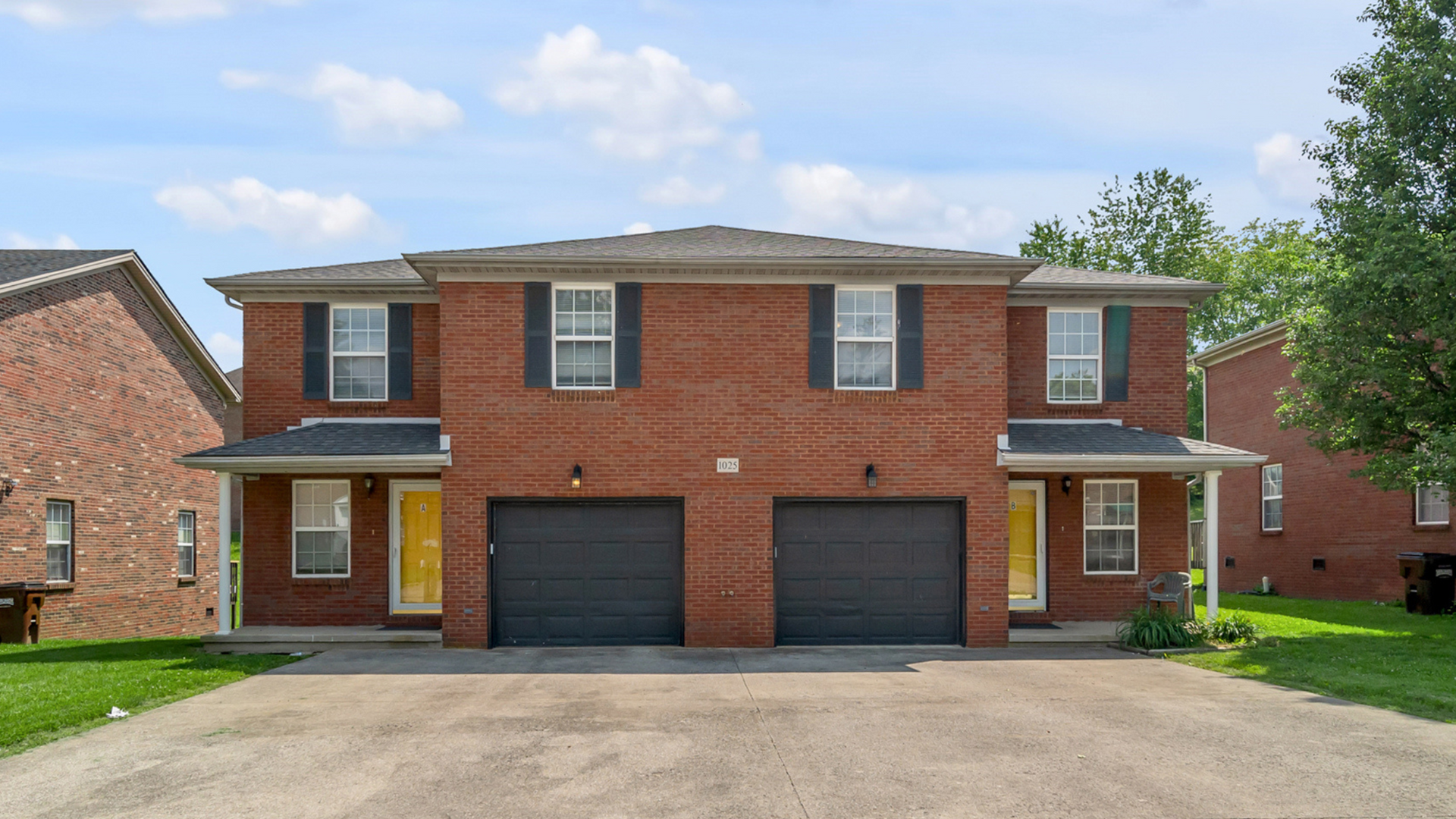
| Space | One room, ~300 sq ft | Multi-bedroom unit, kitchen, laundry |
| Total per person (approx) | $19,000–$22,000+ | $12,000–$14,000 |
The exact numbers vary by market and by month. The shape doesn't.
When Hotels Still Make Sense
This is not an argument against hotels in general. They earn their place. A two-week site visit, a project manager flying in for a punch-list walkthrough, an overflow week when your primary housing isn't ready, a specialty subcontractor coming in for ten days (all of those are textbook hotel use cases). Flexibility, instant booking, daily housekeeping, predictable amenities. Hotels do that work well.
The argument is narrower: hotels structurally underperform for stays of 30 days or more, especially for crews of three or more people who need to actually live somewhere instead of just sleep in a room. The longer the stay, the wider the gap between what the hotel was designed to do and what your project actually needs. Choosing the right housing type for the right project length is the real call.
What the Cracks Tell You
If you've ever come home from a long project and quietly thought "next time we're not doing the hotel thing again," your operations brain is reading the signal correctly. The cracks aren't a sign that you booked the wrong hotel. They're a sign that the entire hotel model was the wrong shape for the duration you needed.
The companies that figure this out earliest are the ones that get a meaningful margin back on their next long deployment. Lower per-person cost, better-rested crews, less time spent fielding lodging complaints, and a budget line that stops moving every time something changes in the local hotel market. None of that is exotic. It's just choosing the tool that was designed for the job.
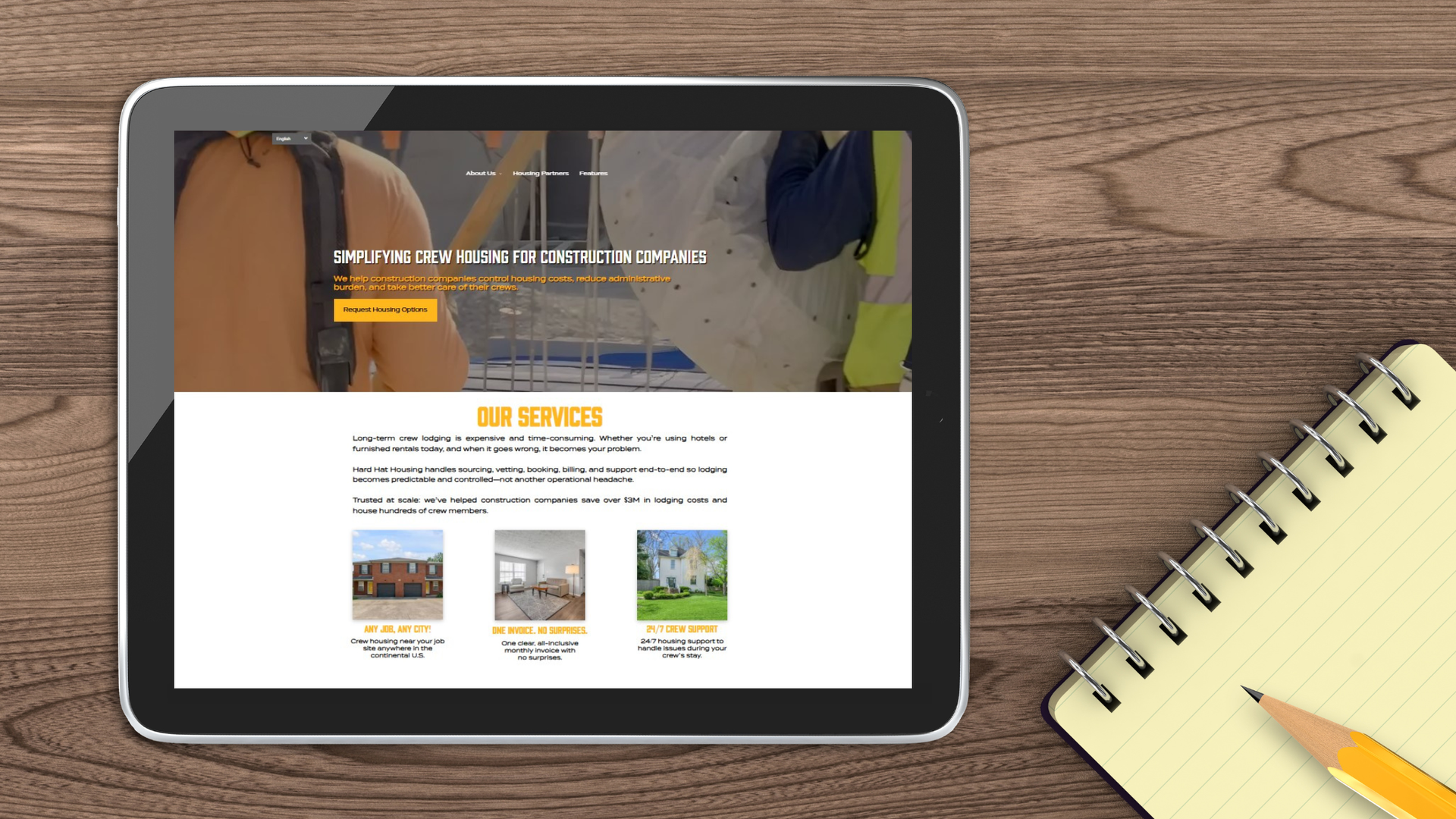
If your last long stay had its share of cracks and you'd like to compare notes on what a different approach would look like for your next deployment, we'd be glad to walk you through it.
Request Housing Options