
Picture the last time a crew needed a place to stay near a new job site. Who actually found it? Odds are it was not one person. A project manager made a few calls between site walks. A foreman texted a couple of listings he found on his phone at lunch. Someone in the office chased down a lease, wired a deposit, and then re-did half of it two weeks later when the start date slipped. None of them wrote "book the housing" on a timesheet. None of them logged it as real work. And that is exactly why it never shows up as a cost.
This is the quiet truth about simplified crew housing management: most companies do not have it, and they do not know they do not have it, because the work is spread so thin across so many people that no single person feels the full weight. "We handle it between us" sounds efficient. It is really just a cost that nobody is measuring.
The Job Description Nobody Has
Walk through your org chart and try to find the person who owns crew lodging. You will not. The PM owns the schedule. The foreman owns the crew. The office admin owns invoices and paperwork. Housing falls into the cracks between all three, and because it is shared, it stays invisible.
That invisibility is the whole issue. Work that is never assigned is work that is never questioned. A task that lands on a cost report gets scrutinized in the next budget review. A task that gets absorbed into fifteen-minute chunks across three people's afternoons never gets a second look. It just quietly happens, project after project, and everyone assumes it is free because no line item ever says otherwise.
The industry already has a habit of underestimating this kind of invisible time. Job-site productivity research from Bradley University found that somewhere between 40 and 60 percent of a typical construction day is non-productive time, much of it swallowed by coordination and management friction rather than the actual build. Housing logistics are a textbook example of that friction. They feel small in the moment and add up to something large by the end of the project.
Adding the Hours Back Up
Here is the honest exercise most companies never run. Take one recent project and actually count the housing hours.
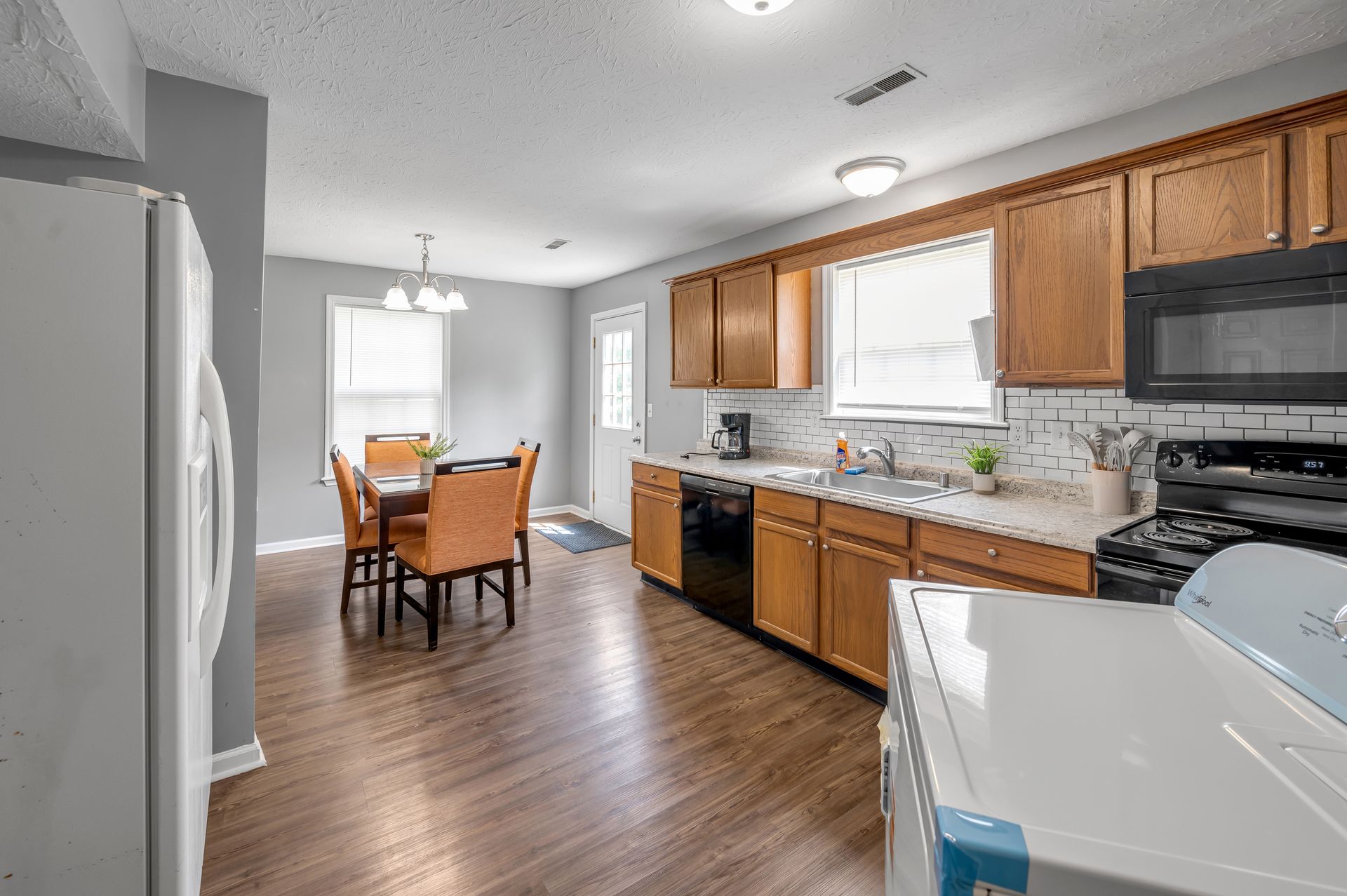
Start with the search. Someone scrolled listings, compared prices, and ruled out places too far from the site. Call it a few hours. Then the phone calls and emails: confirming availability, asking about parking for trucks, checking whether the kitchen actually works, negotiating a monthly rate. More hours. Then the paperwork: the lease, the deposit, the payment. Then, almost inevitably, the rebooking, because the start date moved, or the crew grew by two, or the project ran three weeks long and the lease needed extending.
40–60%
of a typical construction day is non-productive time, lost to coordination and friction
15–25%
of a senior PM's time can go to non-billable admin and coordination
20–25%
of revenue is overhead for many firms under $50M, much of it admin labor
Every one of those steps pulls someone away from the work they were actually hired to do. When a senior project manager spends an afternoon on housing instead of scheduling trades or reviewing submittals, that is expensive time. Industry analysis of construction admin has estimated that non-billable coordination and administrative handling can consume 15 to 25 percent of a senior project manager's time. Housing is only one slice of that, but it is a slice that repeats on every single project with traveling crews.
"We handle it between us" is not a housing strategy. It is a cost with no owner, no line item, and no one asking whether it is worth it.
Where the Money Actually Hides
The scattered hours are the obvious cost. The expensive part is what those hours would have been worth somewhere else.
When your best PM is on the phone with a landlord, they are not catching the scheduling conflict that turns into a two-day delay. When your foreman is comparing rental listings at lunch, he is not walking the site one more time before the pour. This is opportunity cost, and it is real money even though it never appears on an invoice. Overhead in construction is already heavier than most owners assume. According to Construction Financial Management Association benchmark data, overhead can run 20 to 25 percent of revenue for firms under $50 million, and administrative labor is a major part of that. Every hour of skilled staff time redirected into housing coordination feeds that overhead without producing anything billable.
There is also the rework cost. Housing rarely gets booked once. Construction timelines shift constantly, and each shift means a call to change dates, a renegotiation, sometimes a scramble to find a new place because the old one could not extend. The Bureau of Labor Statistics tracks how volatile construction employment and scheduling can be, and anyone who has run a job knows the plan on day one is not the plan on day thirty. Every one of those changes is another round of untracked housing admin.
Why "They Cooperate Well" Misses the Point
Push back on this and a lot of managers say the same thing: our team works well together, so where is the harm? And they are usually right that the team cooperates. That is not the question.
The question is what all that scattered, untracked time would be worth if it went back into the actual job. Cooperation does not make the hours free. It just makes them invisible, because everyone quietly picks up their piece without complaint. A well-functioning team absorbing housing work is still a team doing unassigned, unmeasured, non-core work. The smoother they are about it, the less anyone notices the drain.
This is the difference between how to house construction workers as a side task and treating it as a managed function. When housing has no owner, it defaults to whoever has a free moment, which means it defaults to your most capable people, because they are the ones who make things happen. That is precisely the time you can least afford to spend on temporary housing for construction workers when there are trades to coordinate and deadlines to hit.
What Simplified Crew Housing Management Actually Looks Like
The alternative is not "try harder" or "assign it to someone." It is moving the entire function off your team's plate so those hours come back.
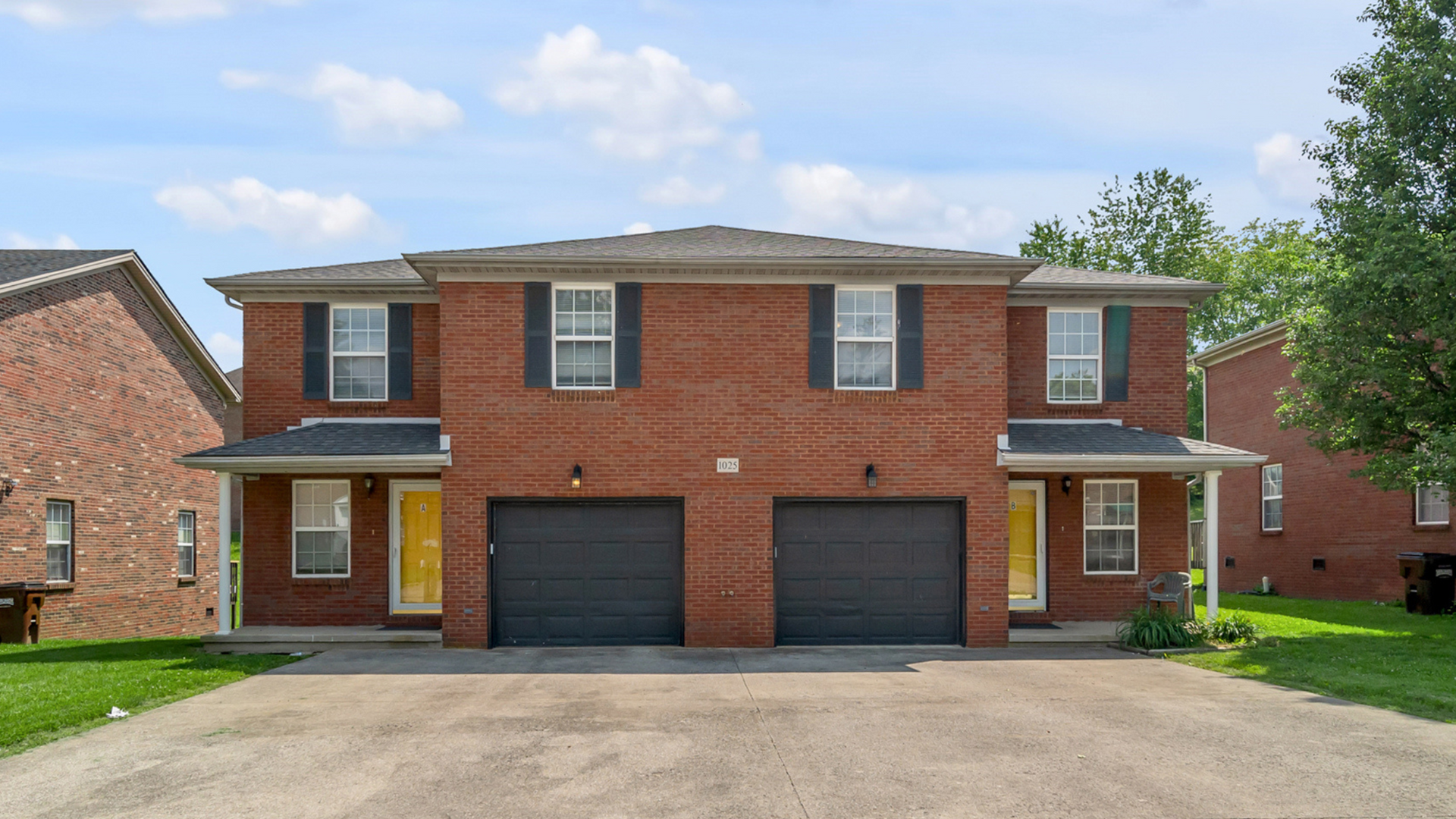
That is the model Hard Hat Housing was built on. Instead of your PM, foreman, and admin each carrying a fragment of the work, one partner handles sourcing, vetting, booking, billing, and support end to end. We start with the job site and scope, then find furnished properties that are close, practical, and crew-ready, with a single monthly invoice instead of scattered receipts. When the schedule shifts, we handle the rebooking. When a crew grows, we adjust. Your team goes back to building.
We have written before about how streamlined property management takes housing coordination off your operations lead, and about what hassle-free crew housing looks like in practice. The through line is the same: housing should be a predictable, owned function, not a tax on your best people's afternoons. If you want to see how the math plays out across a whole project, our breakdowns of the ROI of better crew housing and how to budget for crew housing walk through the numbers.
None of this is about whether your team is capable. It is about where their capability is best spent. Construction crew lodging handled by people whose entire job is housing frees your people to do the job that is actually theirs.
Put a Number on It
The first step costs nothing but honesty. Pick one recent project and add up who touched the housing: the searching, the calls, the paperwork, the rebooking. Multiply those hours by what that time is worth. Most companies are surprised by the total, precisely because they never looked before.
If you have never actually run that number, it is worth doing. We will help you put a real figure on what "we handle it between us" is costing you, and show you what it looks like to hand that work off entirely.
Call us and we will walk you through it., project by project, so you can see what those scattered hours are really worth.
Call 859-249-8641