
You look around your property and start building a mental to-do list. Repaint before anyone sees it. Restage the living room. Update the fixtures, maybe refresh the furniture. By the time the list is done, renting the place out feels like a renovation project you do not have time for, so it waits another season. Sound familiar?
That instinct, the belief that a home has to be polished into something it isn't before it can earn, quietly costs homeowners more than any repair ever would. It keeps good properties sitting empty. And when it comes to housing construction crews, it gets the whole equation backward. The truth about what makes a move-in ready rental for a crew looks almost nothing like the picture in your head.
Where the "It's Not Ready" Feeling Comes From
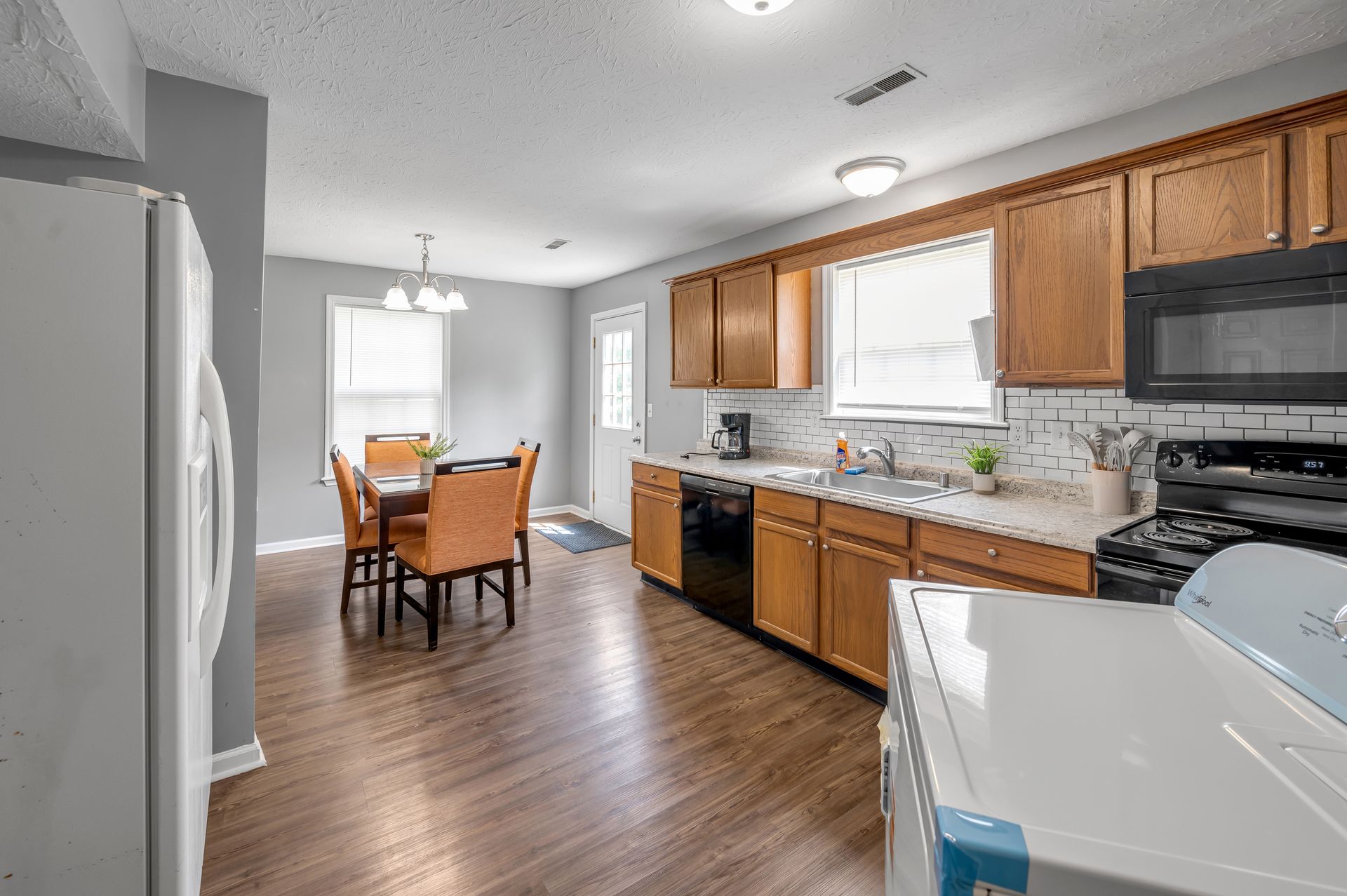
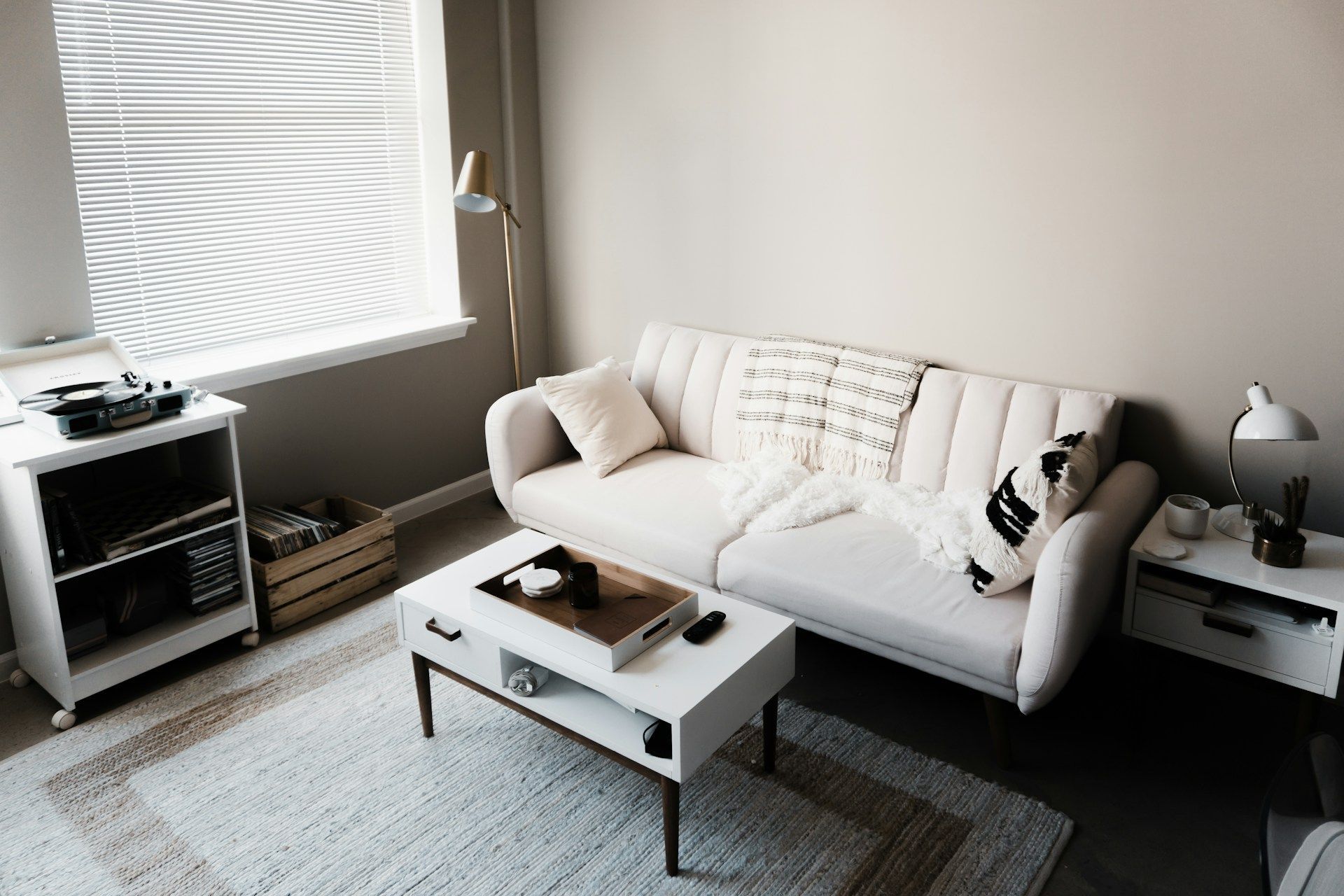
Most of us learned what a rental is supposed to look like from vacation listings and glossy real estate photos. Staged bedrooms. Styled kitchens. A certain look that signals "worth booking." So when you picture renting your own place, you measure it against that image, and it almost always comes up short. The couch is a few years old. The paint isn't perfect. The kitchen is functional but not photogenic.
Here is the catch: that mental image was built for a completely different kind of tenant. It was built for people choosing a place based on how it looks in a photo, people who will spend two nights there and judge the experience by the throw pillows. Judging your home by the vacation-rental yardstick is like preparing for the wrong test. You end up anxious about things that were never going to be graded, and you never get around to the things that actually matter.
That mismatch is where the paralysis sets in. The upgrades you are imagining are real work and real money, so the whole idea gets filed under "someday." Meanwhile, the yardstick you are measuring against was never the right one to begin with.
What Crews Are Actually Deciding On
Crews are not tourists, and they are not browsing for an experience. They are working professionals in town to do a job, often for weeks or months at a stretch. They leave early, come back tired, and need a place that simply works. Their priorities are practical to the point of being refreshing: somewhere real to sleep, a kitchen they can cook in, room to park the truck, and enough space to sit down together at the end of a shift.
Notice what is missing from that list. Style. Trend. Polish. None of it registers. A crew would take a plain, comfortable, functional home over a beautifully staged one every single time, because they are the ones living in it, not photographing it. This is the whole reason a home you think of as "nothing special" can be exactly what a crew needs. Our breakdown of what to look for in crew housing gets into the specifics, but the headline is simple: function wins, and function is something ordinary homes already have in spades.
The yardstick you're using
Fresh paint, staged rooms, styled kitchen, a look that photographs well for a two-night guest deciding on vibe.
The yardstick that counts
Real beds, a working kitchen, somewhere to park, and space to unwind, chosen by people who will live there for months.
Crews aren't choosing your home for how it photographs. They're choosing it for how it lives.
The Upgrades You're Imagining Usually Aren't Required
This is where owners talk themselves out of the biggest opportunities. They assume crew housing must mean investment: new furniture, renovations, bringing everything up to some imagined standard. In practice, the reverse is closer to the truth. Homes get considered as they are far more often than owners expect.
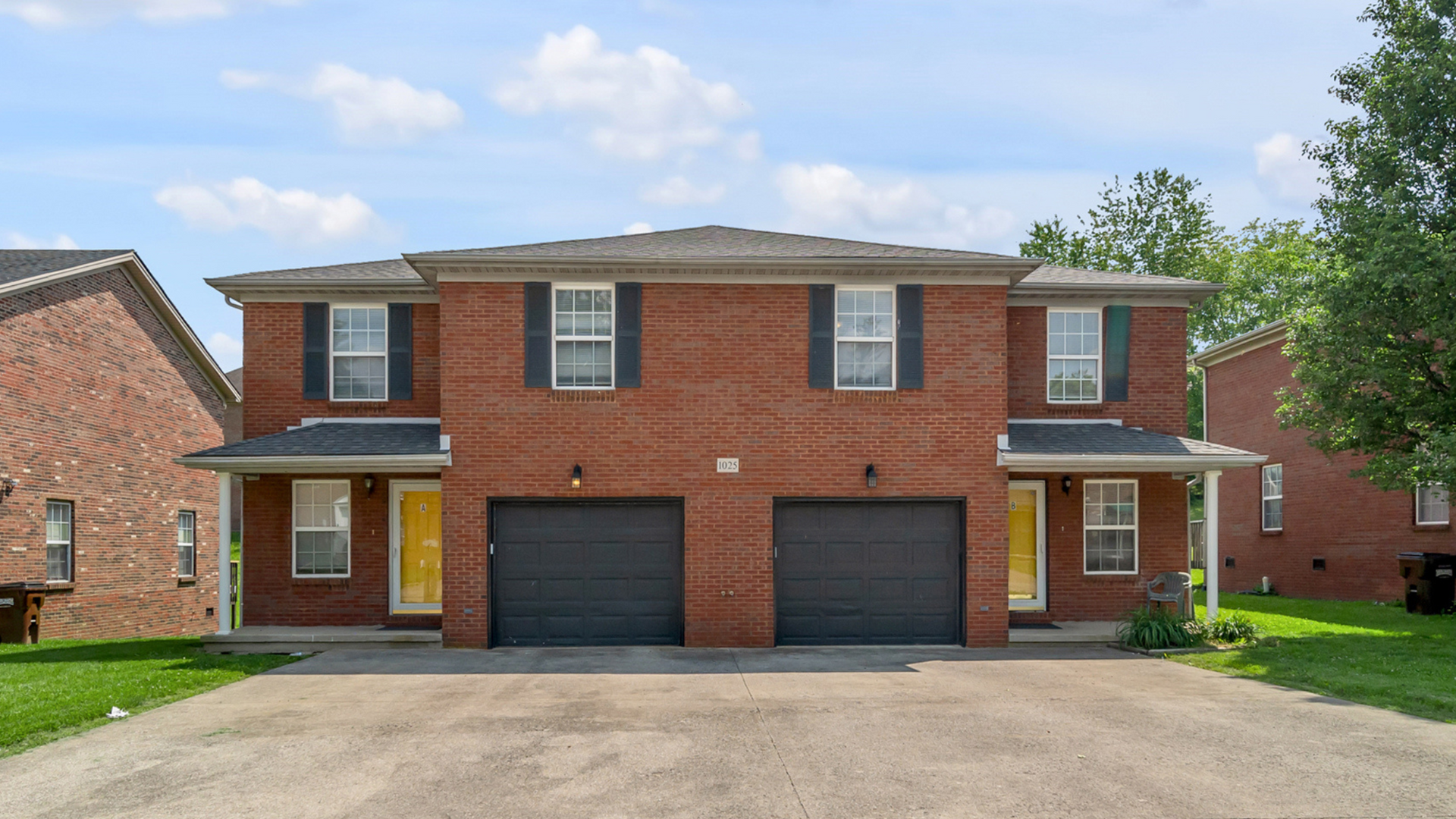
That is not to say every property is a perfect fit exactly as it stands. Some benefit from small, targeted tweaks: rearranging a room, sorting out where vehicles park, adding a bit of storage. But those are adjustments, not overhauls, and they are usually far smaller than the phantom renovation living in an owner's head. The distance between "my place probably isn't right" and "my place works well" tends to be a few practical details, not a contractor's invoice. The real loss is how many owners never find that out, because they disqualified themselves at the imagining stage and never asked the question out loud.
Why This Myth Is Expensive
Every month a rentable home sits idle because it "needs work" is a month of income that never arrives. And often the work it supposedly needs is work no crew would ever ask for. Owners spend real money on staging and cosmetic upgrades that matter to vacationers and matter not at all to the tenants who would actually be living there. It is money flowing in exactly the wrong direction, out the door on the wrong yardstick, while the home sits empty, waiting to look like something it never needed to be.
There is a quieter cost, too. Crew stays tend to run the length of a project, which means steadier, more predictable rental income than the constant turnover of short bookings, along with vetted, respectful tenants who treat the place like the home base it is. Fewer gaps between tenants. Fewer turnovers to clean and reset. Fewer weekends spent wondering whether next month is booked. Owners who stay stuck in the "not ready yet" loop miss all of that, not because their home fell short, but because they never let it into the conversation. If you are weighing this against other ways to rent, our look at why homeowners choose crew housing instead lays out how the trade-offs actually shake out.
The pattern worth noticing: the cost of this myth is doubled. You spend on upgrades crews never wanted, and you lose the steady income the home could have earned in the meantime. Both halves come from the same wrong assumption about what "ready" means.
A Furnished Home Is an Advantage, Not a Prerequisite
One more assumption worth flipping. Owners sometimes think a furnished home is a burden they would have to take on, or a box they can't check. But if your place is already furnished and livable, that is not a hurdle you cleared. It is a head start. A crew moving in for a project does not want to haul furniture across state lines for a temporary stay.
A fully furnished rental that simply functions, beds that are real beds, a kitchen with what a cook needs, and a place to do laundry is precisely what makes a stay work for a crew. If that describes your home, you may already be offering the exact thing crews are looking for and not even counting it in your favor. The furniture you stopped thinking about years ago could be the reason your property moves to the top of the list.
Stop Guessing, Start Knowing
The thread running through all of this is the same: the biggest obstacle to renting your property is rarely the property. It is the story you tell yourself about it. The imagined renovation. The vacation-listing yardstick. The quiet assumption that "not ready" is a permanent verdict rather than a first impression worth checking.
So check it. You do not have to keep guessing whether your home measures up, and you definitely do not have to sink money into upgrades nobody asked for to find out. Our homeowners' guide to renting your property walks through the bigger picture of renting to crews, and if you want a straight answer about your own place, the fastest way to get one is right here.
Is your property crew-ready?
Stop guessing. Enter your email to unlock the crew-ready check right here and see where your property actually stands in about two minutes.
You're all set. Your crew-ready check is ready below.
Access the crew-ready check