
Long-Term Housing for Multi-Trade Projects
Did you know that effective crew housing can significantly impact your multi-trade project’s success? With more construction projects becoming multi-trade in nature, the importance of accommodating multiple specialized crews becomes paramount. Securing the right housing not only boosts productivity but also fosters a positive work environment, allowing tradespeople to perform at their best. In this blog post, we’ll explore essential strategies for booking housing for multi-trade projects, offering actionable tips to help you streamline your processes and ensure that your teams have the accommodation they need. Let’s dive into how you can manage multiple crews across various specialties efficiently!
Understanding the Needs of Multi-Trade Crews
Managing multiple trades such as electrical, plumbing, HVAC, and carpentry can be complex. Each specialty may have unique needs and schedules, which must be taken into account when selecting housing. The following factors should be considered:
1. Crew Size and Composition: Understand the number of crew members from each trade to find accommodations that are adequately sized. This means considering not just beds, but also space and communal areas for teamwork and collaboration.
2. Scheduling and Time Commitments: Document the working hours for each crew. Some might need to start early, while others finish late. Ensure that the housing location is specified to accommodate these schedules effectively.
3. Amenities and Proximity:
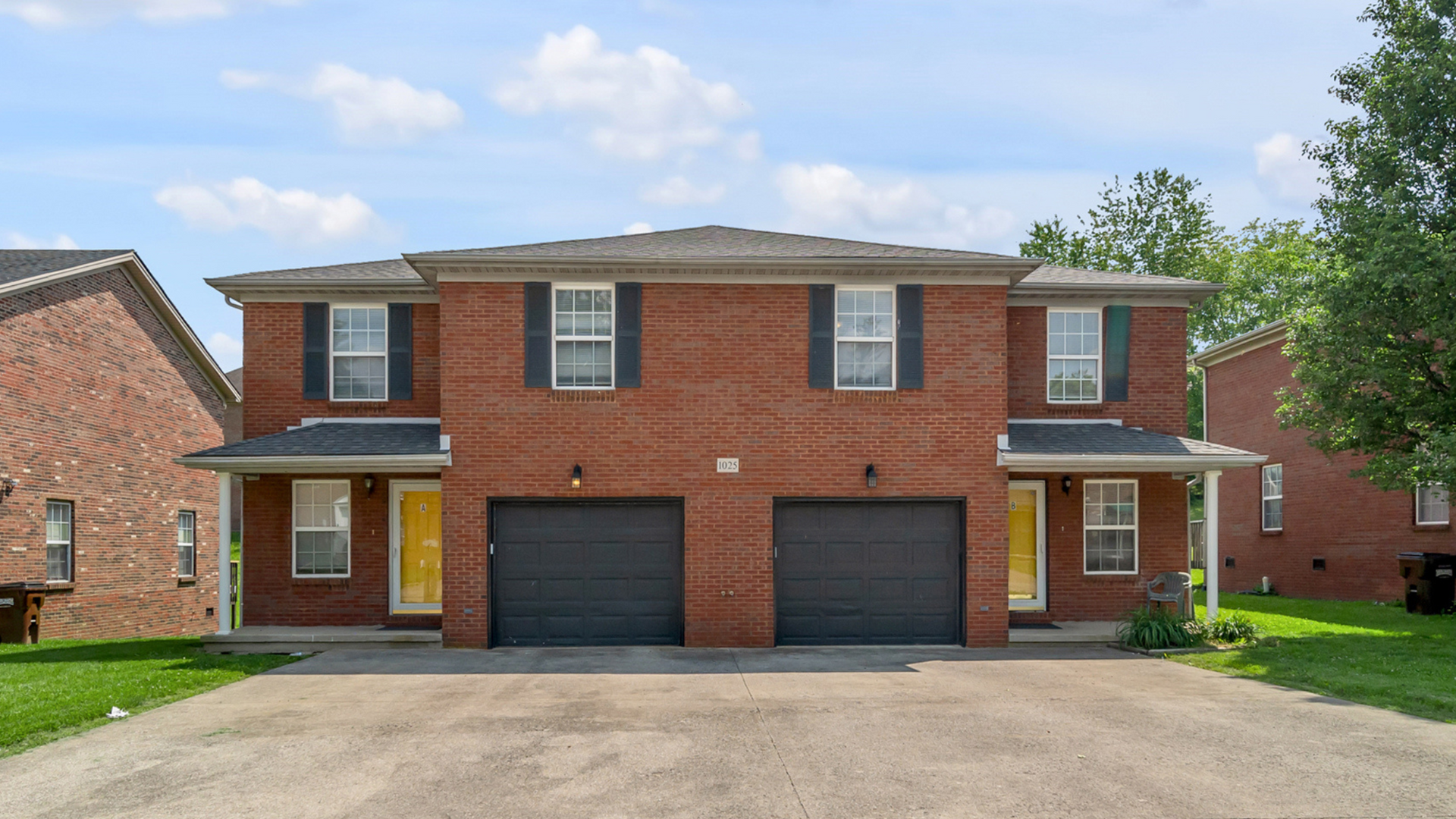
It’s vital that the accommodation provides essential amenities, such as kitchens for meal preparation, laundry facilities, and Wi-Fi access for work-related tasks. Additionally, the housing should be located conveniently near the job site to minimize travel time.
4. Budget: Establish a budget that encompasses all aspects of crew housing. Average costs will vary by location and amenities offered, so comparison shopping is encouraged.
Tips for Booking Crew Housing
1. Plan Ahead:
The earlier you start planning, the better your options will be. Last-minute bookings often lead to limited choices, higher costs, and suboptimal housing. Aim to secure accommodations as soon as project timelines are established.
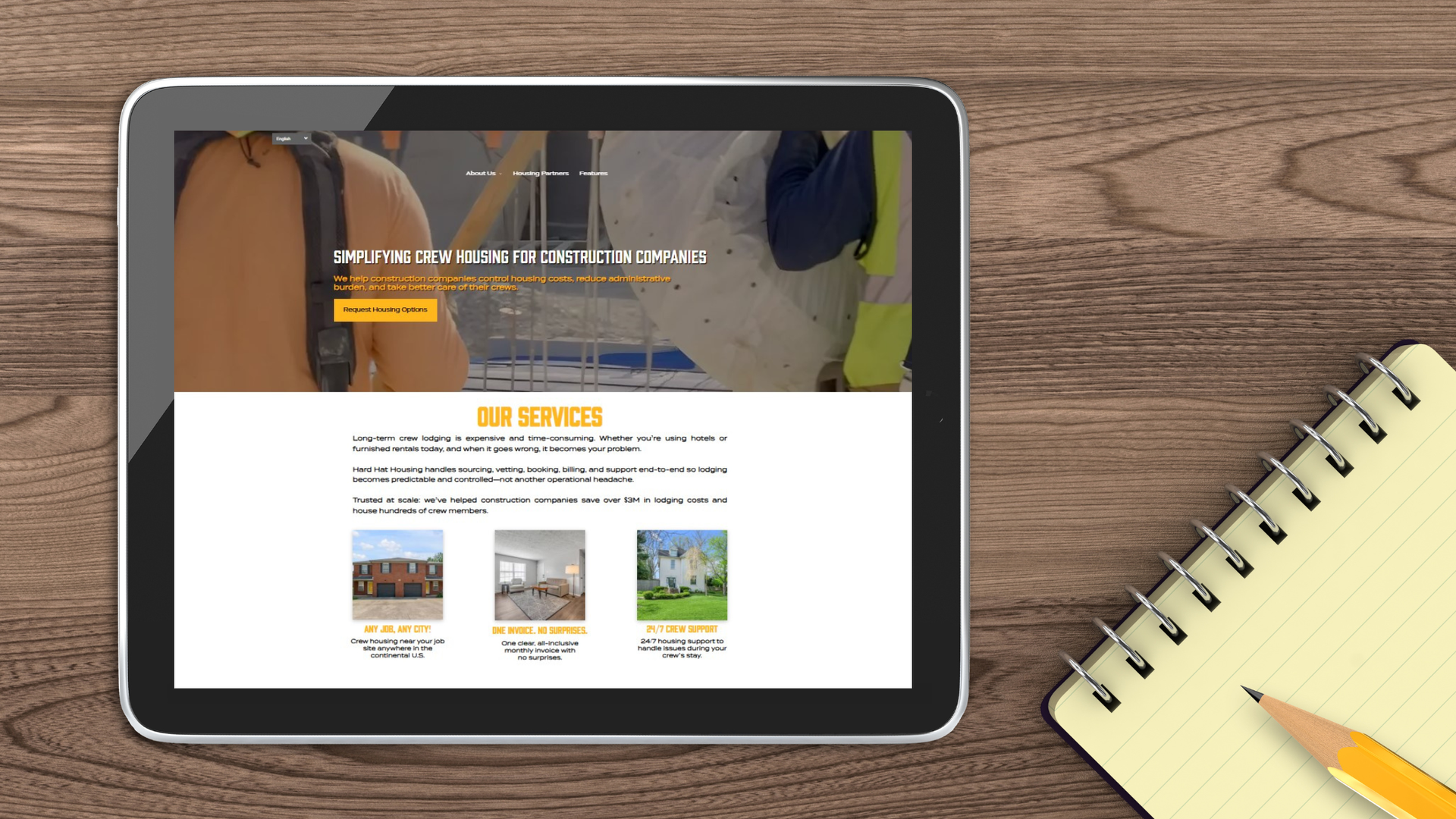
2. Utilize Dedicated Services: There are services specialized in providing crew accommodations, making it easier to handle bookings. They often have relationships with local hotels or housing providers and can negotiate rates on your behalf.
3. Ensure Flexibility in Booking:
Choose housing options that allow for flexibility in booking. Whether in terms of length of stay or the ability to add or reduce the number of rooms, flexible options can adapt to the project’s evolving needs.
4. Verify Housing Quality: Before finalizing any booking, physically inspect the property if possible. Virtual tours can be useful, but nothing beats a firsthand assessment to confirm the cleanliness, safety, and suitability of the property.
5. Establish Clear Communication:
Keep lines of communication open with crew managers to gauge any changing needs they might have in terms of housing. Regular feedback can help you adjust arrangements as required.
Managing Multiple Crews Across Specialties
1. Coordinate Crew Managers: Make it a point to have designated coordinators or crew managers who can communicate essential housing details to their respective teams. This ensures that everybody is on the same page regarding living conditions and travel arrangements.
2. Set House Rules: Establish clear rules and expectations for crew members regarding their conduct in shared living spaces. While professionalism on-site is non-negotiable, similar expectations should be maintained within crew accommodations.
3. Encourage Team Building: Utilize the housing environment to foster camaraderie among crew members. Organize team-building activities or communal meals, enhancing the working relationships between tradespeople. This can lead to improved collaboration on the job site.
Understanding Local Regulations
When booking housing, ensure you are aware of local housing regulations. Depending on the area, legal requirements may dictate the conditions under which accommodations are provided. Research zoning laws and other regulations that might affect your project’s plan. Knowing these details can help you avoid potential issues that could delay or derail your project.
The Power of Post-Booking Checks
After booking accommodations, conduct checks to ensure everything is in order before crews arrive. Key aspects to verify include:
- Confirming bookings (dates, number of rooms, rates)
- Ensuring that amenities are as advertised
- Checking travel routes to and from the job site
- Providing a contact list for accommodation representatives and nearby amenities.
What’s Next?
Booking housing for multi-trade projects can be a straightforward process if you adhere to the above tips and strategies. By understanding the specific needs of each crew, planning early, maintaining communication, and adhering to regulations, you can set your project up for success. This strategy not only boosts crew morale but increases productivity overall.
Ready to simplify your construction crew housing?
Schedule a call with us today to explore streamlined solutions tailored to your multi-trade project needs. Remember, when your crew is comfortable and supported, everyone wins!