
Why Even the Toughest Crews Need Decent Housing
There’s a long-standing assumption in the construction world that crews are hardy folks who can sleep anywhere without complaint. A cheap motel, a crowded “man camp” bunkhouse, the myth is that it doesn’t faze them. But the truth is very different. Even the toughest construction teams feel the impacts of subpar lodging. In fact, poor housing conditions can tank crew morale, mental health, productivity, and even lead good workers to quit mid-project. Don’t just take our word for it, over the past year, construction workers and foremen have been voicing these concerns loudly in forums, social media posts, and job site conversations. And the costs add up: higher turnover, project delays, safety incidents, and a damaged leadership reputation. Below, we dig into real data and comments from construction crews about how much lodging quality really matters. We’ll also explore what this means for project managers and company leaders, and highlight a practical solution that’s helping crews get the decent housing they deserve.
Comfort, Morale, and Mental Health Off the Clock
Ask any traveling construction crew, and you’ll hear that
“just a place to crash” isn’t enough, a lousy lodging situation wears them down. After 10+ hours on a job site, workers desperately need privacy, rest, and a bit of normalcy.
Forcing adults to share tiny hotel rooms or live in noisy, uncomfortable quarters is a recipe for misery. As one crew member vented on Reddit,
“Sorry… I NEED some me time after a day of coworkering. I am NOT sleeping with my coworkers.” That blunt statement captures how a lack of personal space off the clock can erode morale. Being on the road already strains mental health, away from family, sleeping in an unfamiliar bed, and bad housing only amplifies the stress.
“Workers are already away from their own beds, family and friends. The least the companies can do is get us our own room,” one construction worker wrote, earning widespread agreement.
When crews feel their basic comfort and dignity are overlooked, resentment builds quickly. Instead of the “tough it out” attitude some expect, the reality is that
crummy housing quietly saps motivation and happiness. Over time, that translates to lower team spirit and even depression or burnout for individuals.
Importantly, mental well-being has direct consequences on the job. A crew that can’t recharge properly at night will show up drained and irritable. Small frustrations grow when you can’t ever get privacy or a good night’s sleep. As one HR professional noted upon hearing about a company making workers room-share,
“this gives me the cringe… I’m thinking this is a recipe for disaster.”
In recent months, online construction groups have been filled with similar reactions. The message is loud and clear:
decent housing is fundamental to crew morale. It’s not a luxury or pampering, it’s about ensuring the people building America’s infrastructure can stay mentally healthy and motivated. Project leaders who ignore that do so at their own peril, because unhappy crews won’t stay quiet about it.
Fatigue, Safety, and Productivity at Stake
Poor lodging doesn’t just make workers grumpy, it makes them less safe and less productive. Construction is tough, physical work that demands alertness.
When crew members can’t get quality sleep or downtime, fatigue sets in, and the results show up on site. Extensive research backs this up: accident and injury rates are
18% higher on evening shifts and 30% higher at night compared to day shifts, and working 12-hour days is associated with a
37% higher injury risk. In other words, tired crews are dangerous crews.
Now imagine expecting your team to rest in a noisy motel with thin walls, or doubling them up with a snoring roommate, it’s a perfect storm for exhaustion. One construction manager shared a real nightmare scenario: his company made him room with a junior employee who snored “like a chainsaw,” and he couldn’t sleep at all before a critical training day. It’s no surprise that
“walking zombies” don’t pour concrete or weld steel very effectively the next morning. Cumulative fatigue leads to more errors, slower work, and potentially serious accidents. As one construction safety blog put it,
fatigue isn’t a “soft” issue, it hits your safety stats and schedule hard.
Productivity suffers in less obvious ways, too. When lodging is far from the jobsite or in an inconvenient location, crews lose time (and energy) just getting to work. That “cheap” hotel 40 miles away might look good on paper, but it
burns time and money in transit. In fact, a 40-mile round-trip commute for a 10-person crew can cost over
$7,000 per month in fuel, vehicle wear, and unpaid hours, erasing any savings from the cheaper rate. And after long drives and late arrivals “home” to a subpar place, workers are less focused the next day. Studies in 2024 found that shorter commutes directly correlate with better self-reported productivity on construction sites.
The pattern is clear:
when crews have comfortable, nearby housing, they start the workday fresher and more focused, leading to steadier production and fewer mistakes. On the flip side, bad housing can even trigger project delays. Consider what happens if a crew’s lodging falls through: one field anecdote this year described a 10-person crew losing an
entire workday – about $3,000 in wages – when a housing snafu forced an emergency relocation. That’s one lost day, not counting equipment downtime or schedule slip. For a project manager, these hits to productivity and safety risk are very real. Simply put,
skimping on lodging is a false economy. It might save a few bucks at night, but it will cost far more in lost output, overtime, and possibly injury costs when your exhausted crew can’t perform at their best.
Retention, Reputation, and Costs for Leadership
In today’s labor market,
construction companies ignore crew housing quality at their own risk. Turnover in construction has been running high–over 21% average annual turnover
according to a 2024 industry report–and nearly
88% of contractors are struggling to fill positions amid a skilled worker shortage. In this climate, keeping your people happy on the road is essential for project delivery.
A bad housing experience can be the last straw that causes a valuable tradesperson to hand in their resignation. In fact, many workers now won’t even accept a job if the travel accommodations seem lousy.
“I outright refused a job when told I’d have to share a hotel room,” one tradesman shared in an online forum, sparking a chorus of
“same here” replies from others. This is happening in 2025: talented carpenters, welders, electricians–the people you need–will
walk away if they feel disrespected by housing arrangements. As a recent construction blog summed up,
“The morale cost is real, and it often shows up as a resignation rather than a complaint.”
A Better Solution: Affordable Lodging for Construction Teams
So what’s the way forward? If you’re a project manager or executive, you might be nodding along with the issues above, but also wondering how to
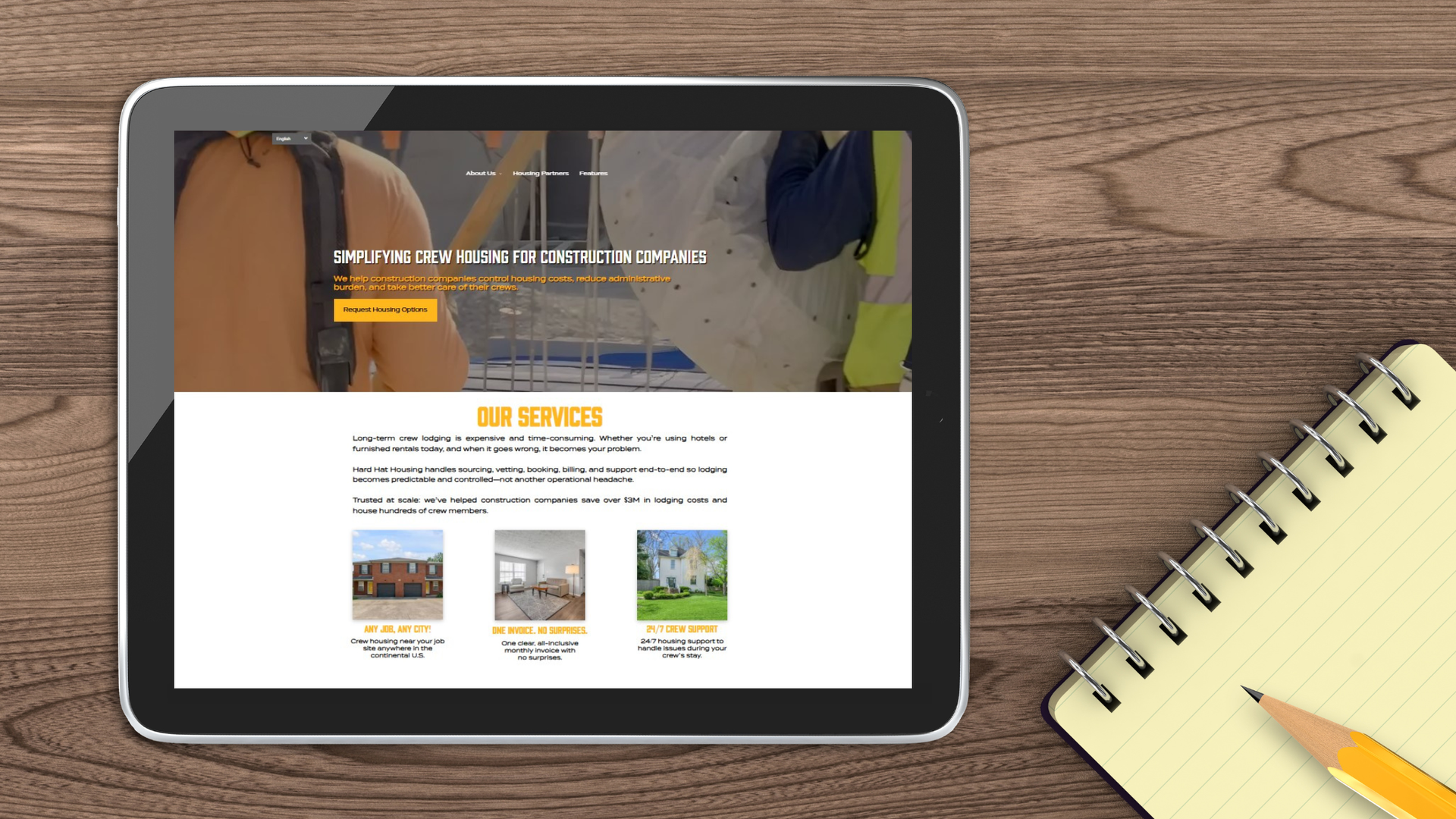
practically provide comfortable, affordable lodging for construction teams without blowing the budget or adding logistical headaches. That’s exactly the problem we set out to solve at Hard Hat Housing.
We offer a turnkey solution to crew housing that keeps teams happy and productive while actually
saving companies money.
How is that possible? For starters,
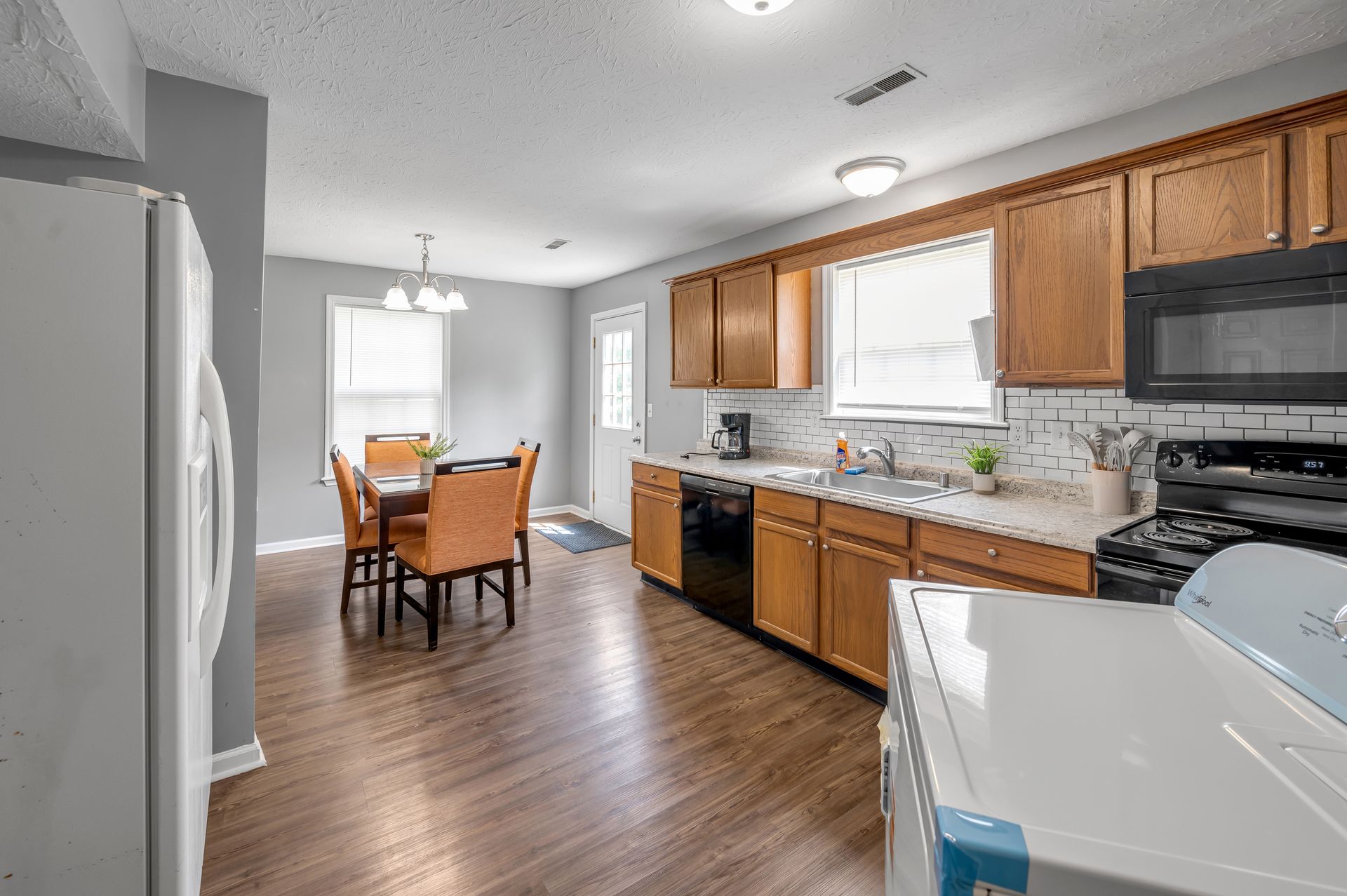
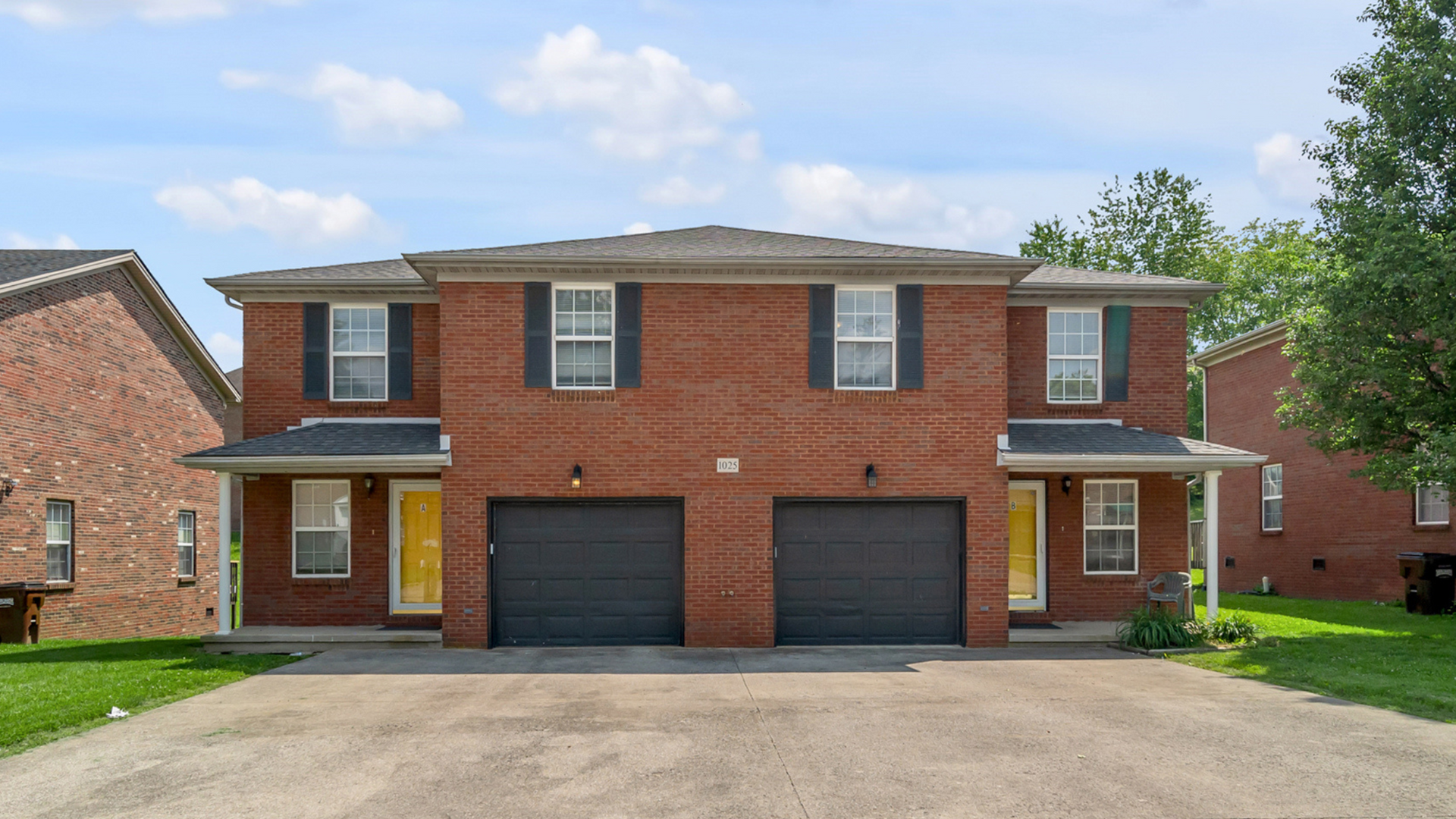
we specialize in fully furnished, home-like rentals near the job site, instead of far-flung motels. This means your crew gets real homes or apartments with private bedrooms, kitchens to cook their own meals, in-unit laundry, and reliable Wi-Fi, all the amenities that help them relax and recharge after work.
Our housing options are vetted to be safe, clean, and conveniently located so that long commutes or sketchy neighborhoods are off the table. Each worker having their
own room is a standard in our service, not an upgrade.
Equally important,
we handle all the logistics so that providing quality crew housing isn’t a burden on your staff. Our team secures the rentals, furnishes them, covers utilities and Wi-Fi, and even provides cleaning services during longer stays. All you have to do is tell us your crew size, project location, and duration, and we take care of the rest.
Tired of seeing your crew struggle with lousy motels or long commutes?
We can help.
Contact Hard Hat Housing to discover crew-first lodging solutions that boost morale and productivity while saving you money. Let us handle the housing logistics, you focus on getting the job done.