
Finding a House for Rent in Lexington for Your Construction Team
Traveling construction crews often face tough choices when it comes to housing. Do you book hotel rooms, park RVs, or gamble on short-term rentals like Airbnb? In a busy construction hub like Lexington, the decision can make or break your team’s comfort and productivity on the job. More companies are discovering that renting a fully furnished house for the crew is the smarter way to keep workers happy, healthy, and focused. Below, we’ll explore how crew house rentals stack up against hotels, RV living, and other temporary options, and why the right housing can boost morale and efficiency on your project.
Better Comfort and Crew Morale
A good night’s sleep and a comfortable space to unwind are necessities for maintaining morale. When crews stay in a real house, each member can have
their own bedroom or ample personal space, along with living areas to relax. In contrast, cramming two or more workers into a hotel room or a crowded bunk trailer quickly leads to fatigue and frustration.
As we noted before, crews crowded into hotel rooms or bunkhouses don’t sleep well, leading to burnout and mistakes. Long days on site feel even longer when workers return to
cramped, noisy quarters that offer no privacy or comfort.
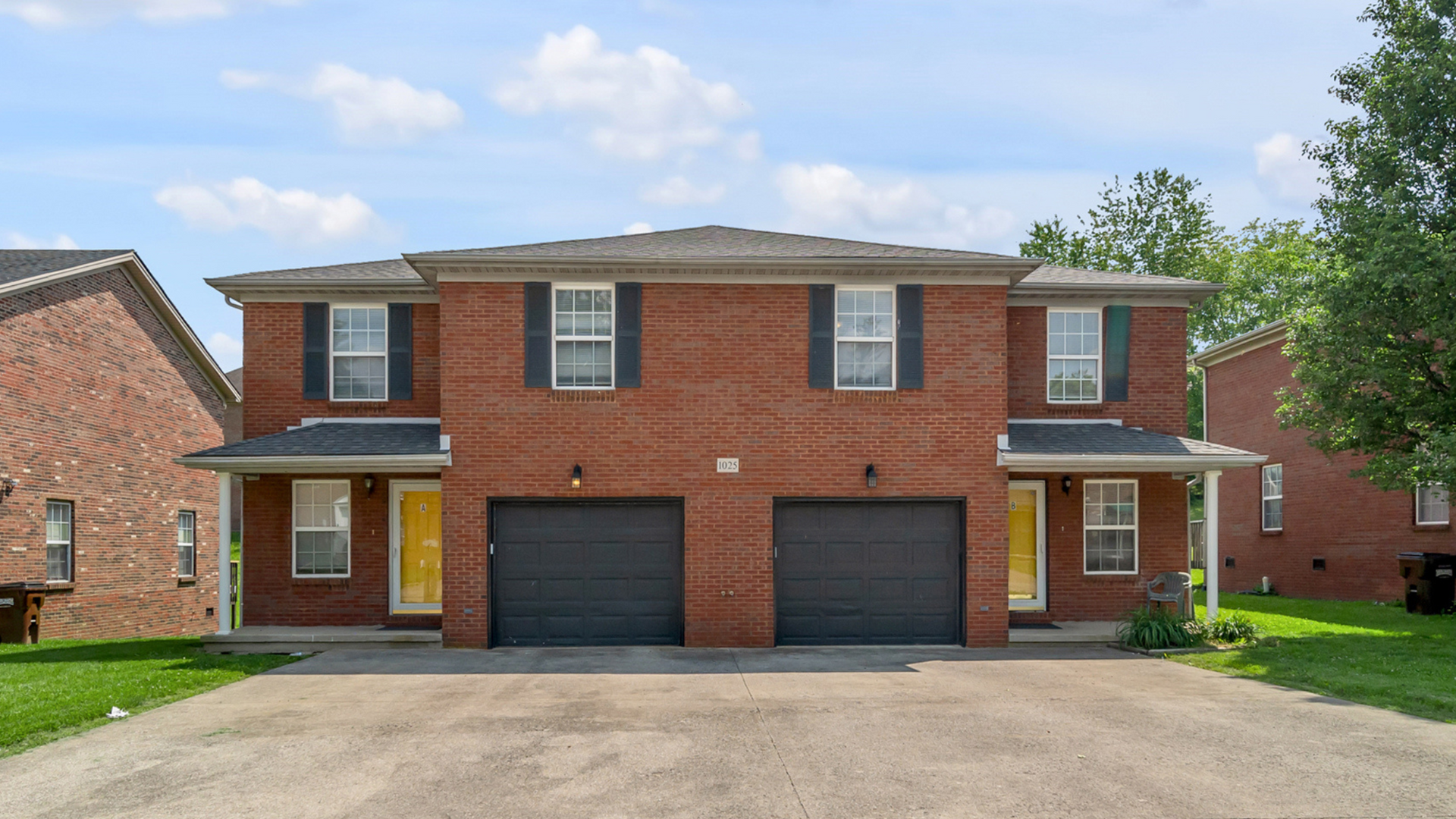
House rentals directly tackle this problem by providing space and home-like amenities. Instead of treating housing as just “a bed to crash in,” a dedicated crew home sends the message that the company cares about the crew’s well-being. Full kitchens, proper living rooms, laundry facilities, and
real bedrooms help workers recover after their shifts. They can cook a decent meal, stretch out on a couch, do laundry on site, and sleep in a quiet room. All of which dramatically improve mental and physical well-being. Over weeks and months, these comforts prevent burnout and keep spirits high. In fact, giving crews a home-like environment
boosts team cohesion and output, translating those “soft” benefits into
hard results like fewer call-offs, lower turnover, and steadier productivity. Simply put, comfortable housing makes for a happier crew, and a happier crew gets more work done.
Closer to the Job Site = Less Commute Fatigue
Another major perk of renting a local house in Lexington is cutting down commute time. We’ve all heard the grumbling from crews who have to drive 30+ minutes from a cheap motel on the outskirts of town. Those long commutes
eat into rest time and wear workers down, leaving them more exhausted before and after each shift. By housing your team
near the job site, you flip that script. Crew members can spend far less time in traffic and far more time recharging. Hard Hat Housing emphasizes placing crews in
“near-site” housing to reduce commute creep–something workers truly appreciate–which means more sleep, less stress, and fresh energy on the job each day.
The benefits of proximity go beyond just extra sleep. When workers stay 10 minutes from the site instead of an hour away, it also
saves on travel costs and lowers the risk of delays. No one is stuck in traffic or scrambling to wake up before dawn for a long drive. A Lexington crew house can be chosen in a convenient location, letting the team avoid rush-hour jams and arrive on site alert and on time. As one industry piece notes,
when crews stay close by, they spend less time commuting and more time resting, which reduces fatigue and keeps them more alert and efficient during work hours. In short, proximity is a productivity booster.
Space, Privacy, and Amenities vs. Hotels
Hotels might seem convenient at first glance. You just book rooms and check in. But the hotel setup comes with hidden downsides for construction crews on long assignments. A standard hotel room is a single cramped space. If you double up workers to save money,
privacy disappears and tension can rise. Night shift and day shift workers might conflict over lights and noise. And without a kitchen, crews end up eating fast food or takeout for every meal, which hits both the wallet and their health. Over weeks, these inconveniences pile up and can hurt performance.
House rentals beat hotels by offering
real living space and amenities that make life easier. In a rental house, your team can spread out across multiple bedrooms and common areas. Everyone can sleep without a TV blaring or a roommate snoring a few feet away. There’s a full kitchen to cook decent meals, meaning healthier food and lower meal costs than the drive-thru diet most hotel-bound crews endure. On longer projects, access to a kitchen and fridge is more than a perk; it’s a huge cost saver and morale booster (crews consistently push for lodging with kitchens to help keep routines sane and meal costs down). Rental houses also come with laundry facilities, parking, and often Wi-Fi and entertainment, recreating the comforts of home. Instead of spending evenings isolated on a bed scrolling a phone, the team can unwind on a sofa, grill out, or watch TV together in a living room. These little things keep stress levels low and the crew feeling human, not just like cogs on the road.
Avoiding the Pitfalls of RV Living
What about RVs or camper trailers? Some contractors consider buying or renting RVs for the crew as a way to save on hotels. It’s true that RV parks in Kentucky and beyond often advertise long-term site fees that sound cheap, sometimes around $500–$1,200 a month for a spot. At first glance, that’s far below hotel bills. But an RV is
not a turnkey solution for crew housing; it comes with plenty of baggage (sometimes literally).
Hidden costs and hassles can quickly erode any apparent savings. For one, those park fees don’t include the cost of the RV itself. Whether you purchase rigs or lease them, you’re looking at significant expenses in depreciation, financing, insurance, and maintenance.
New RVs lose value fast, often on the order of ~20% in the first year, so any “savings” from not paying hotel rates might just be money lost on an asset that’s dropping in value. On top of that, add fuel for moving the RV, routine repairs, winterization, and insurance premiums running in the hundreds or thousands per year. Suddenly, the cheap RV plan starts to look a lot less cheap.
Then there’s the lifestyle factor. Living in an RV can feel adventurous for a week or two in nice weather, but ask a crew to do it for months on end–especially through a Lexington winter–and the romance fades. Cold temperatures mean running propane or electric heat nonstop, battling condensation and possible frozen pipes. If a furnace fails or a slide-out sticks, your crew might be literally left in the cold. As one field report put it, RVs might work in ideal conditions, but
in harsh winters or tight urban areas, a dedicated crew house is usually safer and often
cheaper once you count the headaches you didn’t plan for. There’s also the question of where to park. Not every jobsite has an RV park next door. In fact, many cities and towns have strict rules, some RV parks won’t even accept units older than 10 years, and some local governments prohibit long-term RV parking outright. If your project shifts or extends, moving a whole RV setup is its own mini-project (towing, finding a new park, reconnecting utilities). And if the RV needs repairs, that “housing unit” is suddenly out of commission with no backup. All these variables make RV living a risky bet for keeping a crew housed and on schedule.
On the flip side, a rented house doesn’t have those pitfalls. There’s no furnace you personally have to fix in the middle of the night, no special parking rules to navigate, and no surprise costs if a project runs long. You simply extend the lease. The crew gets a normal, stable home environment insulated from weather extremes. When comparing options, it often becomes clear that
RVs are a
logistics project and a weather gamble, not a plug-and-play solution for crew lodging. Renting a proper house, especially through a service that manages crew housing, lets you avoid those pitfalls while still controlling costs. You get predictability and comfort, whereas RV life can be unpredictable and draining for everyone involved.
The House Rental Advantage in a Nutshell
When you weigh all the factors–comfort, morale, location, cost, and risk–it becomes clear why more construction companies are choosing crew house rentals in Lexington. A traditional hotel might seem easiest and an RV might seem cheapest, but
once you widen the lens to include meals, commute times, reliability, and the human reality of living on the road, a dedicated crew house usually comes out ahead. It provides the balance of cost-efficiency and crew well-being that other options struggle to achieve. Workers who are well-rested, well-fed, and feel valued in their living conditions are more productive and less likely to quit unexpectedly. Shorter commutes and stable lodging remove friction that can quietly sabotage your schedule and budget. And having a turnkey housing setup cuts down on administrative hassle, freeing your team’s leadership to focus on construction instead of constant housing issues.
In Lexington’s busy construction scene, these advantages can give your company an edge. A comfortable crew is a committed crew, and their positive energy feeds into quality work and on-time delivery. Instead of burning out halfway through a project, your team can maintain a steady pace because their needs outside of work are being met. House rentals offer a home-away-from-home that pays off in both dollars and days saved on the job. By avoiding the common pitfalls of hotels, RVs, and ad-hoc rentals, you’re investing in the crew’s success – and by extension, the project’s success.
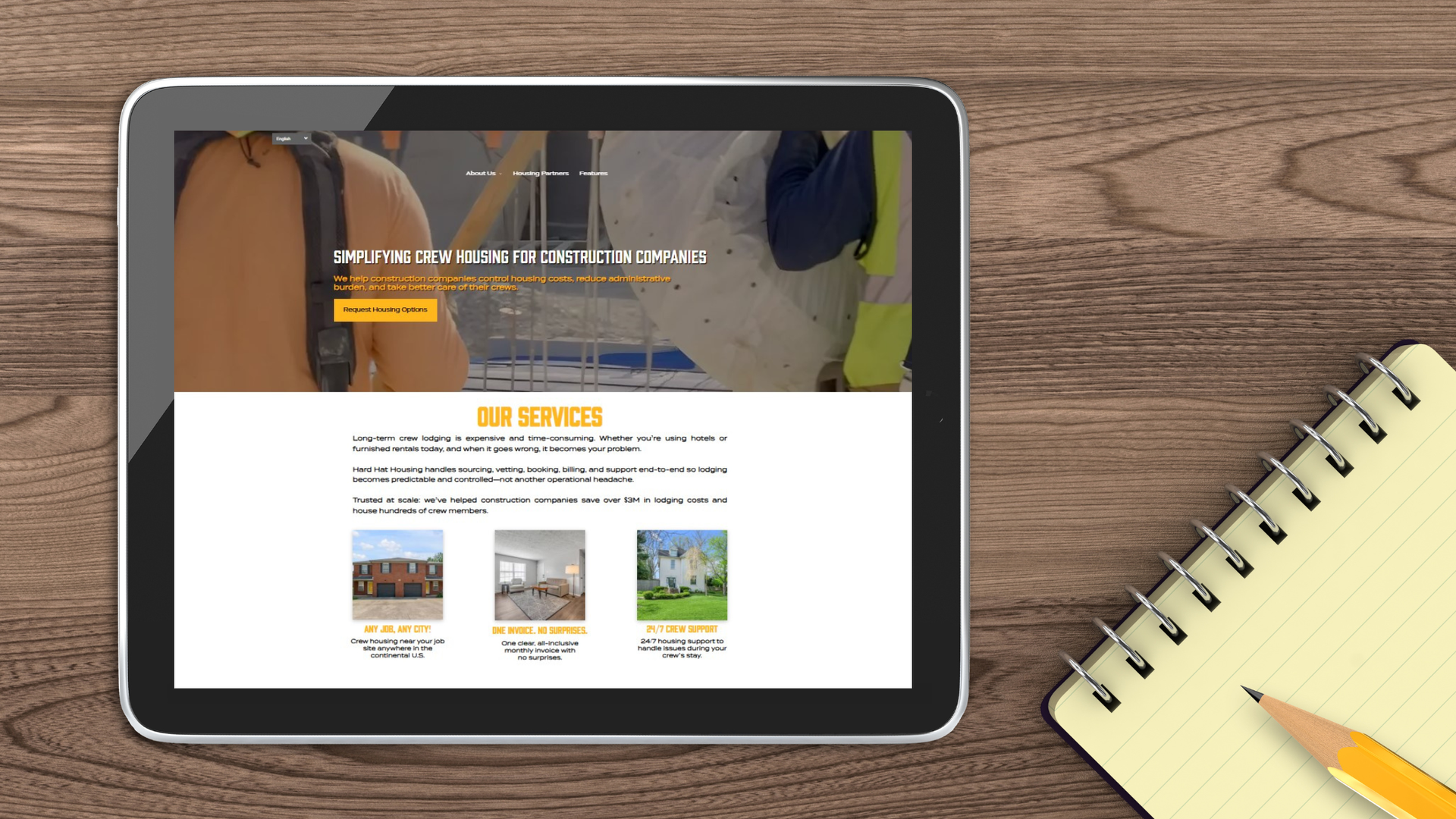
Ready to keep your crew comfortable and your project on track? It might be time to explore dedicated crew housing options. Hard Hat Housing specializes in providing
turnkey, crew-friendly homes near Lexington job sites, giving construction teams the reliable, convenient housing they need to perform at their best.
Put your team’s well-being first and reap the rewards on the worksite by reaching out to Hard Hat Housing to discover how a better housing solution can benefit your next project.