
Advantages of Housing Near Job Sites
Construction crews across the U.S. are finding that where they stay during a project is nearly as important as the work itself. Long daily drives to remote job sites, weeks of living out of hotel rooms, and last-minute housing hiccups (like an Airbnb host canceling unexpectedly) can take a serious toll on productivity and morale. Studies show that longer commutes consistently erode workers’ mood and raise stress levels, with a supposedly “short” 40-minute drive each way adding up to almost 7 hours of lost time per week. It’s no surprise that exhausted crews are voicing frustration. One construction worker bluntly noted on Reddit that “most people find driving tiring even though it’s perceived as a low energy use activity.” In other words, hours on the road can leave you drained before you even clock in.
On top of that,
“hotel fatigue” is setting in for many teams forced to lodge far from home base. After months of living out of suitcases, even the toughest crew members just want
“a place where [they] can cook real meals, stretch out, and feel human again”. Clearly, traditional approaches–long commutes, motel hopping, or scrambling on Airbnb–are straining crews and budgets. The good news is that there’s a better way. Housing workers near the job site isn’t a luxury or
“nice-to-have” anymore; it’s an approach with real, tangible benefits. From cutting commute stress and boosting efficiency to saving money and improving safety, proximity-based crew housing can transform how smoothly a project runs. Below, we delve into the key advantages of placing your construction team in housing close to the work site, backed by recent data and candid feedback from the field.
Reduced Commutes Lower Stress and Boost Productivity
When crews stay just minutes from the job site, the difference in daily stress is enormous. A short commute means workers aren’t
burning energy in stop-and-go traffic or long highway drives, so they start the day fresher and more alert. They can wake up a bit later, avoid the teeth-grinding rush hour, and still
show up on time (or early) with ease. Shorter travel distances directly translate to better punctuality and reliability. In fact, with nearby housing, teams can even put in extra time on-site when needed because they aren’t anxious about a long trek back home. This results in tighter project timelines and higher daily output.
Proximity Translates to Significant Cost Savings
Placing crew accommodations close to the work site is good for workers, and
good for the bottom line too. One obvious saver is transportation expenses. Fewer miles traveled means
less money spent on fuel, vehicle wear and tear, and travel reimbursements. Consider that American commuters on average shell out around
$867 per year on gas and another $410 on vehicle maintenance. For a traveling construction crew driving heavy-duty trucks, those costs can skyrocket with each additional mile. The IRS mileage reimbursement rate for 2025 is $0.70 per mile, which adds up fast. A 50-mile round trip daily can cost over $35 in mileage pay. By
dramatically cutting daily driving distance, companies save on gas stipends or mileage payouts and reduce the frequency of oil changes, tire replacements, and other maintenance on fleet vehicles. There’s also a potential break on auto insurance and parking fees when vehicles aren’t on the road as much. All told, shorter commutes can trim thousands of dollars from a project’s travel budget over its duration. These savings free up funds that can be reinvested into the project or used to improve crew amenities without breaking the budget. In an era where construction companies have actually been
spending more on travel than any other industry (about 9% above average), cutting unnecessary transit costs is a smart competitive move.
Better Living Conditions Boost Morale and Team Cohesion
Beyond dollars and cents,
where your crew lives has a huge impact on their morale, health, and overall well-being. Ask any traveling construction worker, and they’ll tell you that weeks on end in a cramped motel room can grind you down. The term “hotel fatigue” exists for a reason. Humans aren’t meant to live out of sterile rooms and suitcases indefinitely.
Quality of life plummets when all you see is the job site and a generic hotel with a bed and TV. The lack of home-cooked meals, limited privacy, and constant noise from hallways or neighbors make it hard to recharge. In fact,
sleep experts have documented something called the “first-night effect,” where people sleeping in an unfamiliar place get poorer rest and wake up more often until they adapt. For a worker moving from one hotel to the next every few weeks, that disrupted sleep cycle never fully normalizes. Fatigue just
keeps compounding over time. It’s no surprise that crews talk about being burned out by this lifestyle. As one Hard Hat Housing client put it, after months on the road
they just want a home-like space where they can
“cook real meals, stretch out, and feel human again”. Indeed, giving workers a comfortable,
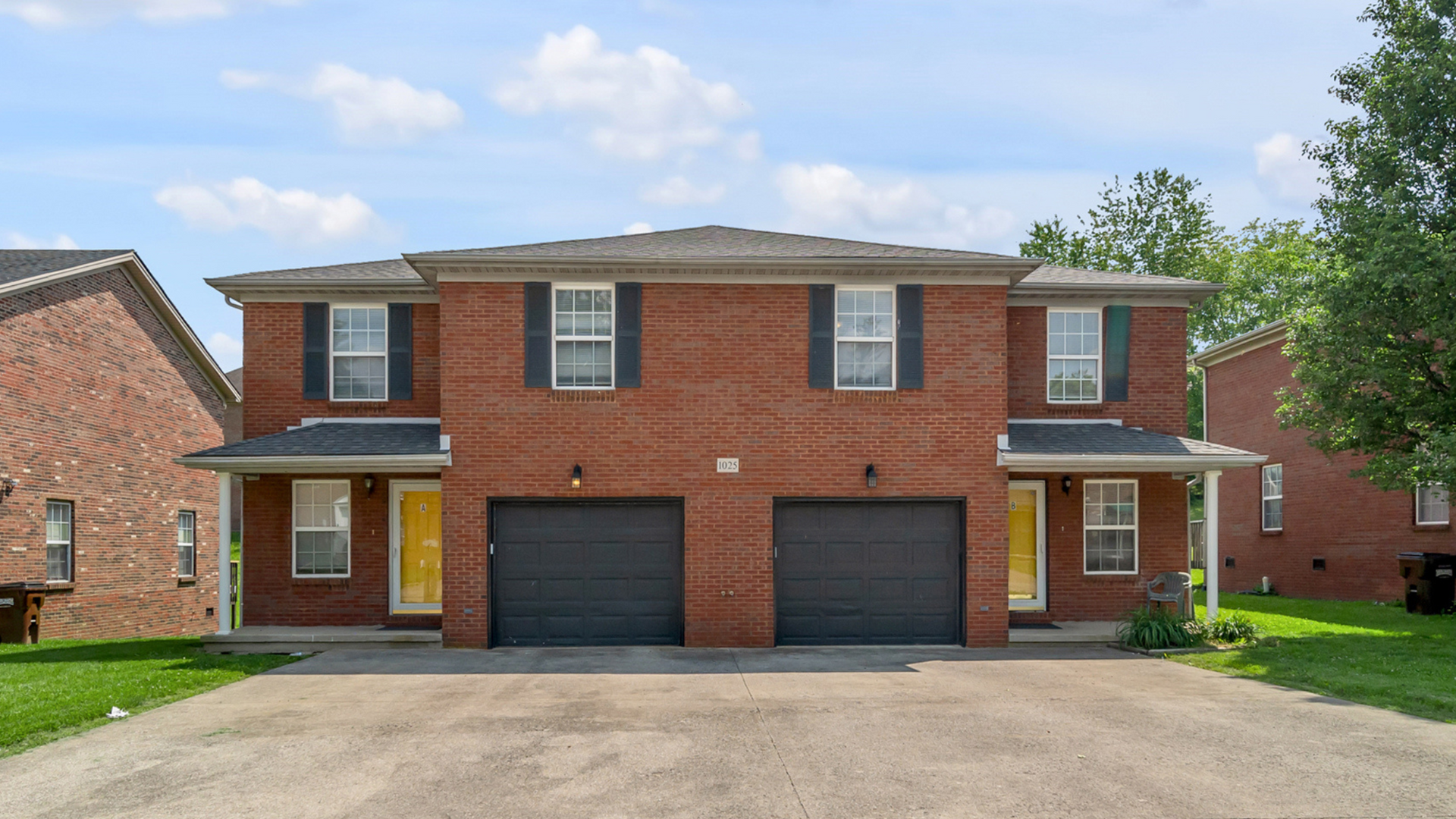
home-away-from-home near the site can dramatically improve their mood and morale. Instead of dreading another evening of takeout in a hotel, they can actually unwind properly, cook a favorite dinner, relax in a living room, maybe grill outside or hit the gym. These little comforts go a long way toward keeping spirits high. When workers see that
we’ve provided them a clean, safe, fully furnished house or apartment, they feel valued and cared for, not like disposable labor shipped from one cheap motel to the next.
Another often overlooked benefit of housing crews together nearby is the
camaraderie and team cohesion it fosters. Living in close quarters (in a good housing setup) encourages crew members to
bond outside of work hours, strengthening the trust and communication they bring to the job. When everyone is scattered to different hotels 30 miles away, it’s hard to build that team spirit. But put the team in a shared living situation–say a cluster of apartments or a big rental home–and natural team-building follows.
Interactions outside the work environment, like cooking a meal together or unwinding on the porch, promote camaraderie and trust among the crew. We’ve seen crews establish little rituals on long projects: weeknight cookouts, group workouts, even just watching the game together in the evenings. Those shared moments help make up for being away from their families and keep morale steadier over the long haul. In online forums, many traveling workers admit that while hotel life can be “fun when you’re single” and it’s nice to have housekeeping, the novelty wears off fast. The endless takeout dinners, lack of personal space, and isolation eventually
“wear down even tough crews,” as one commenter noted. In group housing, by contrast, crew members can
support each other, whether it’s carpooling to site, splitting cooking duties, or just having someone to talk to who’s in the same boat. That sense of solidarity has real impacts: it improves communication on the job and can reduce conflicts. If someone is having an issue, teammates notice and help out.
Better lodging conditions also signal respect from management, which feeds a positive feedback loop. When we invest in decent housing for our crews, we’re showing that we value their comfort and well-being. In return, workers are more likely to stick with the project (instead of quitting out of frustration) and put in their best effort. In fact, many construction companies discover that providing quality crew housing becomes a
retention and recruitment advantage. Because skilled workers are more willing to travel for a company that takes care of them. By keeping your team happy and cohesive through good housing, you
reduce turnover and absenteeism, and you cultivate a crew that genuinely has each other’s backs throughout the project.
Closer Housing Improves Safety and Emergency Response
Safety is paramount on any construction project, and housing proximity plays a bigger role in it than you might think.
When crews live nearby, their ability to respond to after-hours issues or emergencies improves dramatically. Think about an equipment failure or security alarm at 2 AM. If your team is staying 5 minutes away, you can have personnel on-site almost immediately to handle the situation. That
swift response can be the difference between a minor hiccup and a costly disaster, especially in scenarios like emergency shutdowns or severe weather. By contrast, if workers are lodged an hour away, a late-night call-out becomes a major ordeal, and precious time (and possibly equipment or property) could be lost waiting for help to arrive. Field teams have countless stories of being able to rush over to secure a site during a sudden storm or fix an urgent issue on off-hours because they were staying nearby. It provides real peace of mind to project managers (and clients) knowing that the crew is
always “on call” in a sense, thanks to their proximity. Additionally, day-to-day operations become safer when workers have
short, low-stress commutes instead of long, tiring ones. Commuting may seem mundane, but it’s actually one of the riskiest parts of many workers’ days.
Fatigued driving is a serious hazard, and the risk shoots up when people are putting in overtime and then driving long distances to their lodging. Federal safety agencies like OSHA warn that
extended shifts coupled with long commutes significantly increase the likelihood of fatigue-related accidents. The AAA Foundation has documented how even moderate sleep deprivation can impair driving just like alcohol would. Unfortunately, this is exactly the scenario many remote projects create: 12-hour workdays plus an hours-long drive on rural roads in the dark. By situating housing nearby, you
drastically cut down the drowsy driving risk for your crew. They spend minimal time behind the wheel, and if they’ve had a tough day, they’re home and resting that much sooner. We’ve made it a point in our housing placements to minimize “commute creep”, specifically to keep our teams safe and sharp. In essence,
proximity housing becomes a safety control for your project, not just a convenience.
Finally, local housing can also make it easier to handle
human emergencies or unexpected personal needs. If a crew member falls ill or gets hurt, their coworkers are close by to assist or get them to a medical facility quickly. Or if severe weather or a natural disaster threatens the area, it’s much simpler to evacuate or regroup when everyone’s living within a tight radius, rather than scattered across a wide region. In crisis moments,
every minute counts, and having the team close could literally be life-saving. All of these factors underscore a clear truth:
when it comes to safety and responsiveness, having your crew live near the job is a smart, responsible strategy. It reduces risks that might not be obvious at first glance, and it keeps your operation nimble in the face of the unexpected. As we like to say, housing is part of your safety plan. By choosing proximity housing, you’re actively mitigating fatigue and emergency response times, which pays off in a safer work environment and a more resilient project timeline.
From the perspectives of productivity, cost control, crew morale, and safety, the advantages of housing construction teams near their job sites are compelling. In the past year, countless project managers and crew members across the country have experienced the difference firsthand. They’ve seen crews arrive
less stressed and better rested, they’ve watched travel and lodging expenses come down, and they’ve noticed teams working together more tightly and safely. On the flip side, we’ve all heard the horror stories of doing it the
other way: the burnt-out crews, the nightmarish motel conditions, the scramble when an Airbnb falls through. The message is clear:
proximity-based crew housing directly impacts your project’s success. By minimizing commutes and providing a stable, home-like base for your team, you enable them to perform at their best. They feel taken care of, so they can take care of the job.
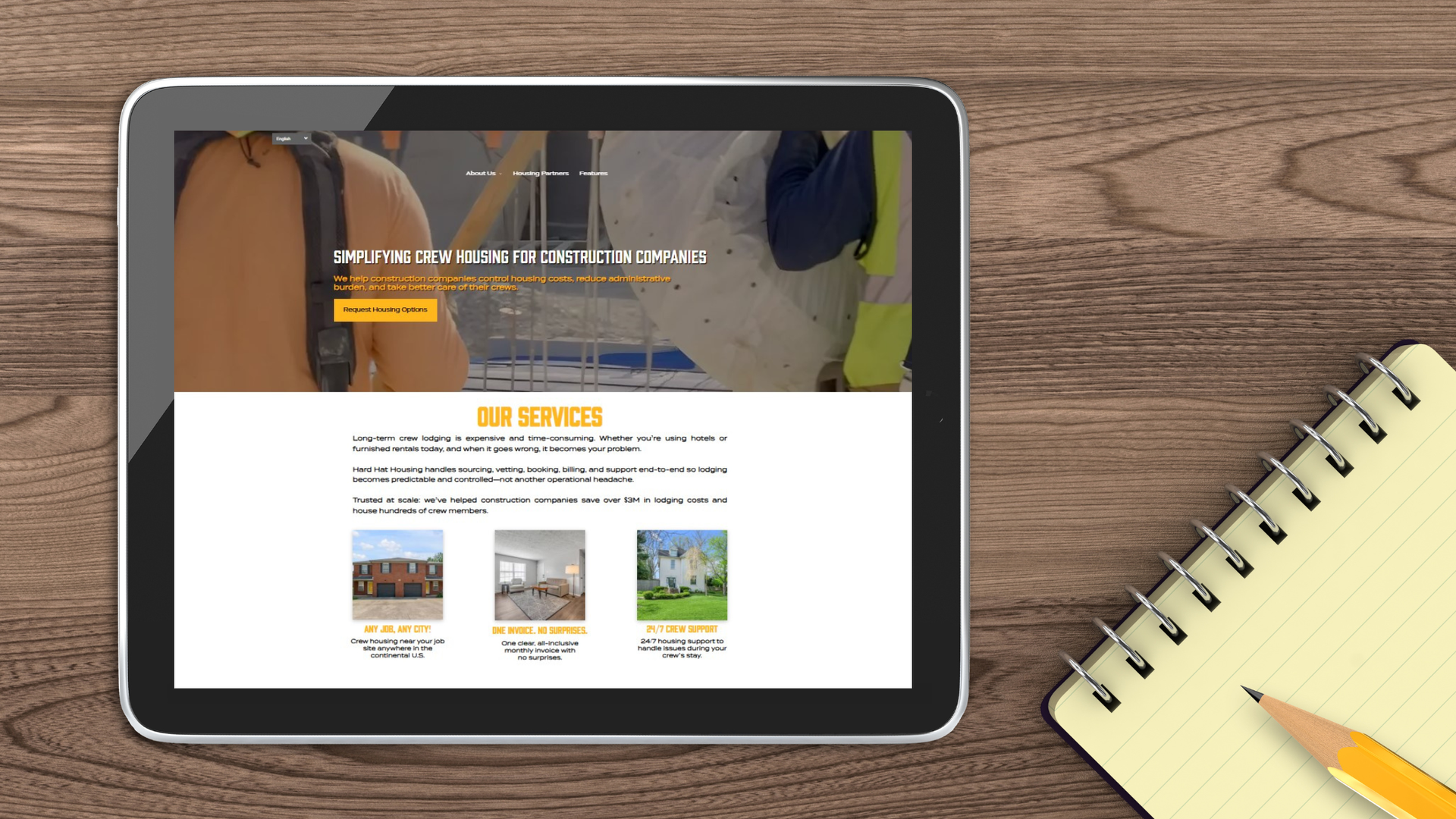
Ready to leave behind long commutes and hotel fatigue? We’re here to help. At Hard Hat Housing,
we specialize in convenient, fully furnished rentals near U.S. job sites that keep crews happy, healthy, and productive.
Reach out to our team today to learn how we
can support your crew with housing solutions that boost morale, save money, and simplify your project’s logistics.