
Look at a hotel room rate, and your brain does something automatic. It reads $149 a night as a small, manageable number. A dinner out costs more than that. So you book the block, you get boots on the ground, and you move on to the hundred other things a project throws at you before lunch.
The problem is that a long job is not one night. It is sixty. Sometimes ninety. Sometimes more. And that comfortable nightly number, the one that felt like nothing, quietly turns into one of the largest line items on the whole project once you multiply it out. This piece does the arithmetic most companies never actually sit down and do, because when you want to save money on construction crew housing, the number that matters was never the one printed on the door of the room.
The Nightly Rate Is a Trick of Scale
A nightly rate is designed to feel affordable. It is a single night, priced for a single traveler, and that is exactly how your brain files it. But crews do not travel one person at a time for one night at a time. They travel as a group, for the length of a project, and the math compounds in two directions at once: across every head, and across every night.
Run it out with round numbers. Say the going rate near your site is $120 a night. That feels fine. Now put eight crew members in rooms and hold them there for a ninety-night job. That is $120, times 8, times 90. The answer is $86,400. For temporary housing for construction workers on a single project, before anyone has eaten a meal or driven a mile, you are looking at a number that would have leased something far better outright.
Nobody decided to spend $86,400 on rooms. It was never a line on a budget anyone approved. It arrived one $120 night at a time, and each of those nights felt too small to question.
What the Door Rate Leaves Out
Here is where the gap between the nightly number and the real number gets wider. The rate on the booking screen is not the rate you pay. Hotel stays carry occupancy taxes, and those taxes are not small. Depending on the city, combined housing taxes routinely add 15 percent or more to the room, and in some major markets the total climbs past 20 percent. Chicago, for example, layers taxes to nearly 22 percent on hotel operations. Houston lands around 17 percent. That percentage sits on top of your rate, and it grows every single night the crew stays.
Then come the fees the government has nothing to do with. Resort fees, destination fees, facility fees, parking fees. These are set by the hotel, and for a crew rolling in with trucks and trailers, parking alone can quietly become a nightly charge you never priced in.
Now add the part of the bill that never appears on the folio at all: food. A hotel room without a kitchen means every meal is bought out. Eating away from home has kept climbing, and the Bureau of Labor Statistics has tracked food-away-from-home costs rising faster than groceries for years. A crew of eight eating three restaurant meals a day for ninety days is running a food bill that rivals a second housing budget, purely because there was no stove.
The nightly rate is the smallest true number in the entire equation. Taxes, fees, parking, and eating out all stack on top of it, and every one of them runs on the same ninety-night clock.
The Per Diem Gap Nobody Budgets For
There is one more piece worth naming, because it catches finance teams off guard. The GSA sets a standard housing benchmark that many companies use as their mental anchor for what a room "should" cost. For fiscal year 2026, that standard housing rate is $110 a night, held flat from the year before. The trouble is that real rooms frequently cost more than the benchmark. Mid-priced extended-stay properties have been running around $118 a night before taxes, which is already over the cap. In higher-cost metros, rooms can run $200 or more.
When the benchmark underprices the real room, somebody absorbs the difference. Either the company tops up out of pocket, or the crew stretches an inadequate stipend to cover a room that costs more than the allowance. Neither outcome is clean, and neither shows up in the tidy nightly rate you started with. We walk through this benchmark trap in more detail in our breakdown of why GSA per diem is not enough anymore.
Do the Math on Your Own Last Job
The honest way to see this is to price a stay the way you would price a lease: as a whole, not a night at a time. Take a real project you already ran and lay the numbers side by side.
The full-project total
| Cost element | How hotels bill it | What it becomes on a 90-night job |
|---|---|---|
| Room rate | Feels small per night | Multiplies by every head and every night |
| Occupancy taxes | Hidden in the total | Adds 15 to 22 percent on top, nightly |
| Resort and parking fees | Easy to overlook | Stacks per room, per night |
| Food with no kitchen | Never on the folio | A second budget in restaurant meals |
| Per diem gap | Assumed to cover the room | Company or crew eats the shortfall |
Every row in that table runs on the same clock. That is the whole point. A cost that looks trivial for one night is not trivial when it repeats ninety times across a full crew. This is exactly the kind of full-picture accounting we lay out in our guide to budgeting for crew housing, and it is why the same spend often stretches so much further in a furnished rental.
Why Construction Crew Lodging Looks Different When You Price It Whole
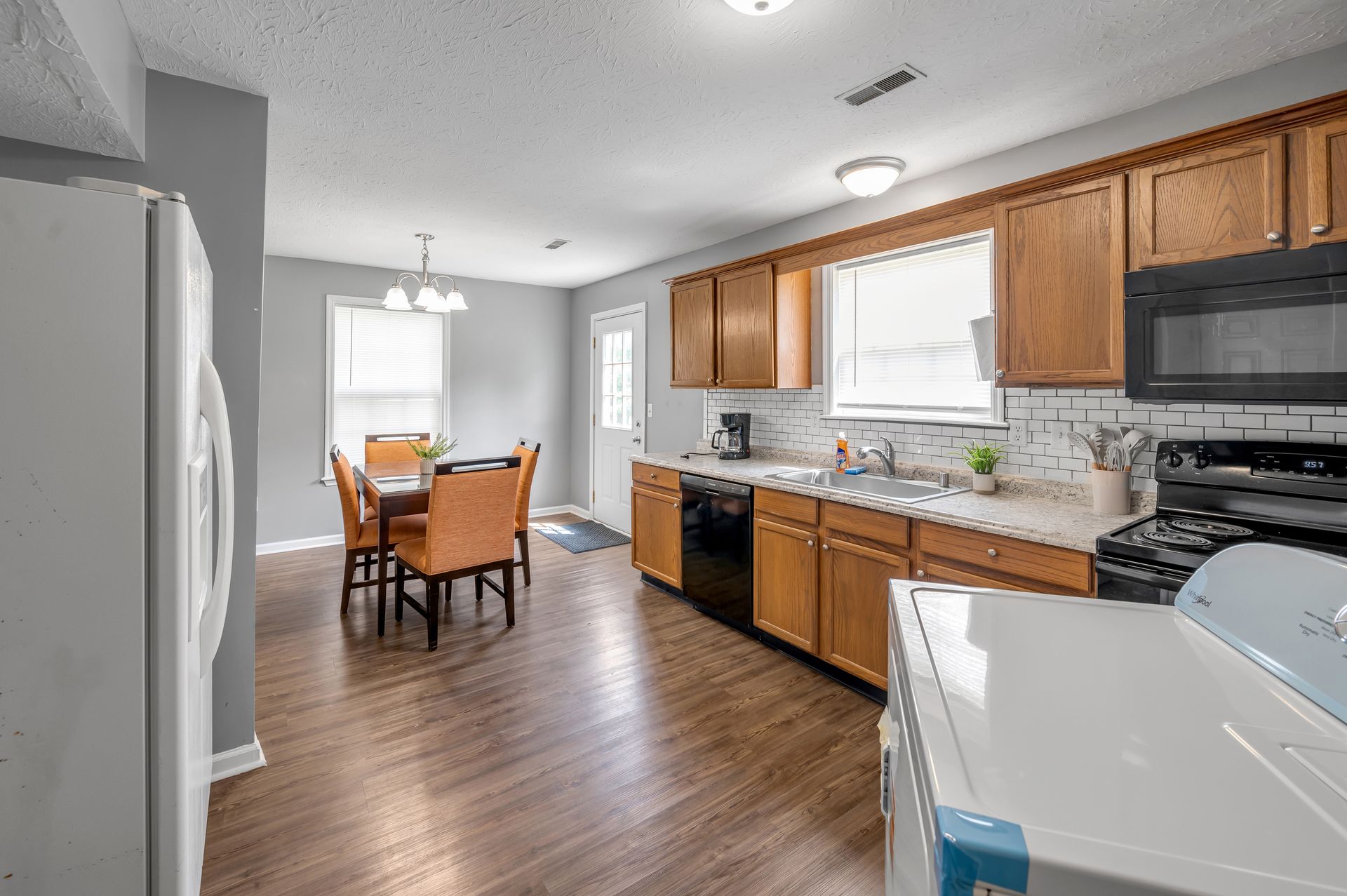
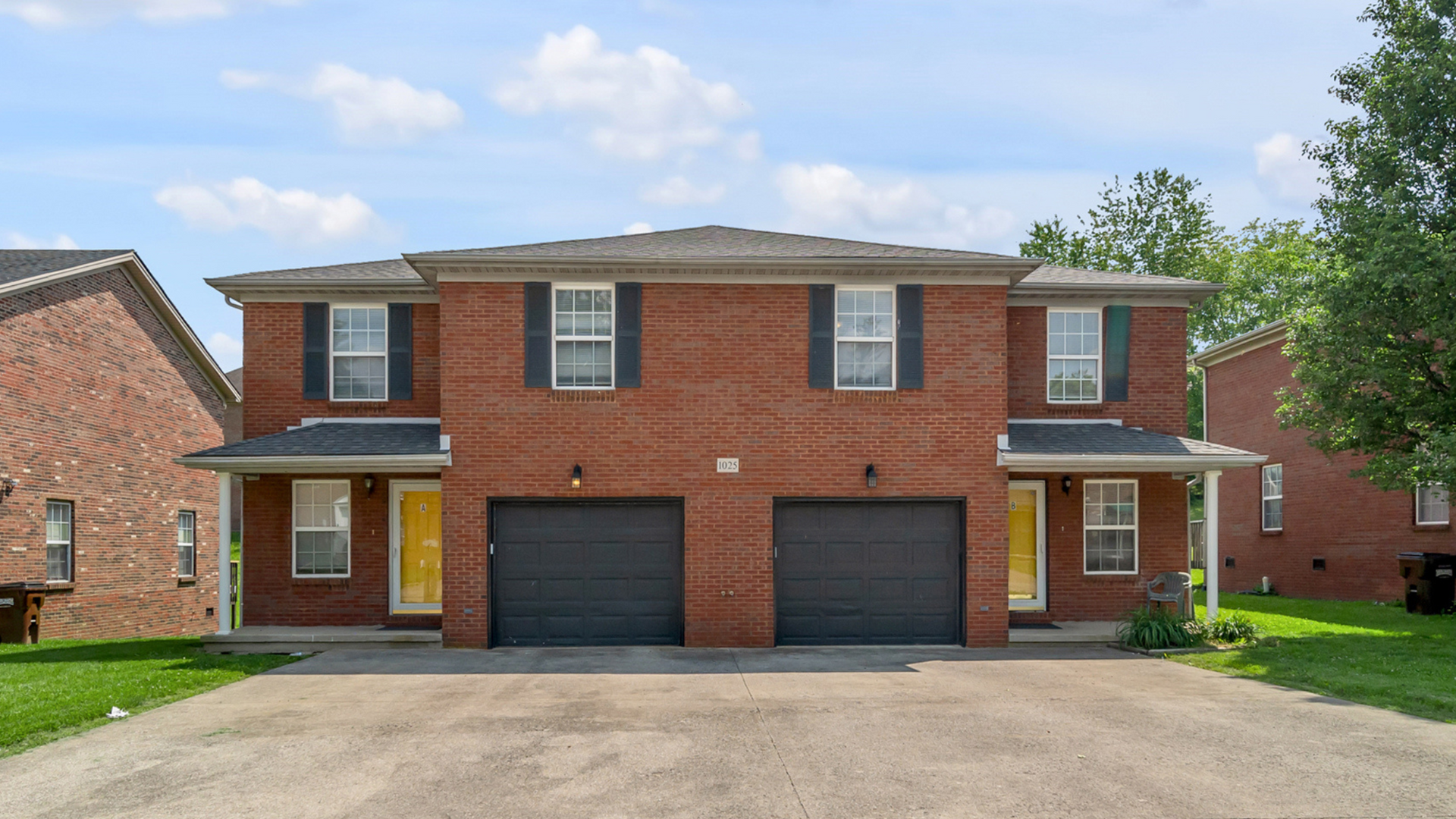
Once you total the real hotel number, the "hotels are just easier" logic starts to wobble. A furnished house or apartment leased for the length of the project is priced as a monthly figure from the start, which means there is no per-night multiplication trap waiting at the end. Utilities are typically bundled. A kitchen erases most of the restaurant bill. Parking for trucks is part of the property, not a surcharge. And stays past thirty nights often fall outside the transient occupancy taxes that pile onto hotel rooms, because many of those taxes only apply to short stays.
This is why so many companies that make the switch report saving a meaningful share compared to hotels for long jobs. It is not magic. It is that midterm rentals for construction teams are priced as a whole stay rather than a stack of nights, so the number you agree to at the start is close to the number you actually pay at the end. The housing itself also tends to serve the crew better, which is a return of its own, as we cover in the ROI of crew housing.
The Number That Actually Matters
None of this requires you to trust a sales pitch. It requires one honest calculation. The nightly rate was engineered to feel small, and it succeeds. But a long job is not a night. It is a season. Price the season, add the taxes and the fees and the food and the per diem gap, and the comfortable little number on the door turns into the biggest surprise on the project.
The good news is that the surprise only lands once, if you let it. After that, your price stays whole, and the arithmetic stops working against you.
Take your last long job and run the real math. Multiply the nightly rate across the whole crew and the whole stay, then add the taxes, fees, and food. If that number surprised you, let's talk through what the same spend could have housed.
Call 859-249-8641