
Choosing between a mid-term and long-term rental can significantly affect your property’s income, workload, and risk. Although both strategies involve renting to tenants for longer than a short vacation stay, they serve different needs and require different approaches to pricing, management, and tenant selection.
Usually furnished, with utilities included. Often occupied by professionals in town to work.
Many tenants sign an initial one-year lease and renew it if the arrangement works well.
The difference between the two is more than the length of the agreement. Mid-term rentals often earn a higher monthly rate, keep you flexible with your property, and bring in professional occupants who are in town to work. Long-term rentals trade those advantages for a single 12-month commitment. And with a partner like Hard Hat Housing placing crews and handling communication, mid-term can be just as steady.
Before choosing a strategy, property owners should consider the potential monthly rent, occupancy, vacancy periods, furnishing costs, tenant demand, maintenance, legal requirements, and management time.
This guide compares mid-term and long-term rentals across the factors that matter most, helping you decide which option may be right for your property.
| At a glance | Mid-term | Long-term |
|---|---|---|
| Typical length | 30 days to 12 months | 12 months or more |
| Monthly rate | Often higher | Often lower |
| Furnishing | Fully furnished | Often unfurnished |
| Utilities | Often included in rent | Usually paid by tenant |
| Flexibility | High, between stays | Low once a lease is signed |
| Turnovers | More frequent | About once a year or less |
| Typical occupant | Crews, contractors, medical staff, relocating professionals | Families, couples, professionals, retirees |
What is a mid-term rental?
A mid-term rental is a property rented for 30 days or more. These rentals are often fully furnished and may include utilities, internet, appliances, kitchen equipment, and other essentials.
Mid-term tenants can include relocating professionals, contractors, construction crews, students, medical staff, corporate employees, and people waiting to move into a permanent home. They usually want more stability and comfort than a hotel or short-term rental provides, without committing to a 12-month lease.
The precise legal classification of a mid-term tenancy varies by location. Before offering one, landlords should check local rental laws, tenancy protections, licensing requirements, tax rules, and insurance conditions.
What is a long-term rental?
A long-term rental typically begins at 12 months or more. The tenant signs a lease for at least one year and uses the property as their primary home.
Long-term tenants may include families, couples, professionals, retirees, and individuals looking for a stable place to live. The property may be furnished or unfurnished, depending on the local market and the landlord’s preferred approach.
In many long-term rental arrangements, tenants pay their own utilities and furnish the property themselves.
For property owners, the key benefit of a long-term rental is continuity. Once a suitable tenant has moved in, the property may generate steady income for 12 months or longer, with limited turnover.
However, the longer commitment also means less flexibility. If the owner wants to use the property, renovate it, or sell it, they may need to wait until the tenancy ends or follow the relevant legal process.
Rental income: which model earns more?
Income is often the first factor landlords consider, but the highest monthly rent does not always produce the highest annual profit.
Mid-term rental income
Mid-term rentals can achieve a higher monthly rent than long-term rentals because tenants are paying for flexibility, furniture, and convenience. A tenant staying for several months may be willing to pay a premium for a property that is ready to move into immediately.
The rent may include:
- Furniture
- Appliances
- Kitchen equipment
- Bedding and towels
- Wi-Fi
- Electricity
- Water
- Heating or cooling
- Cleaning between tenancies
This convenience can make mid-term accommodation attractive to construction crews, professionals, corporate tenants, and people relocating to a new area.
However, property owners need to account for a few costs that long-term rentals usually don’t carry:
- Utilities and internet
- Furniture replacement
- Restocking
A mid-term rental may earn more per occupied month but still generate less annually if the property remains vacant for several weeks between tenancies.
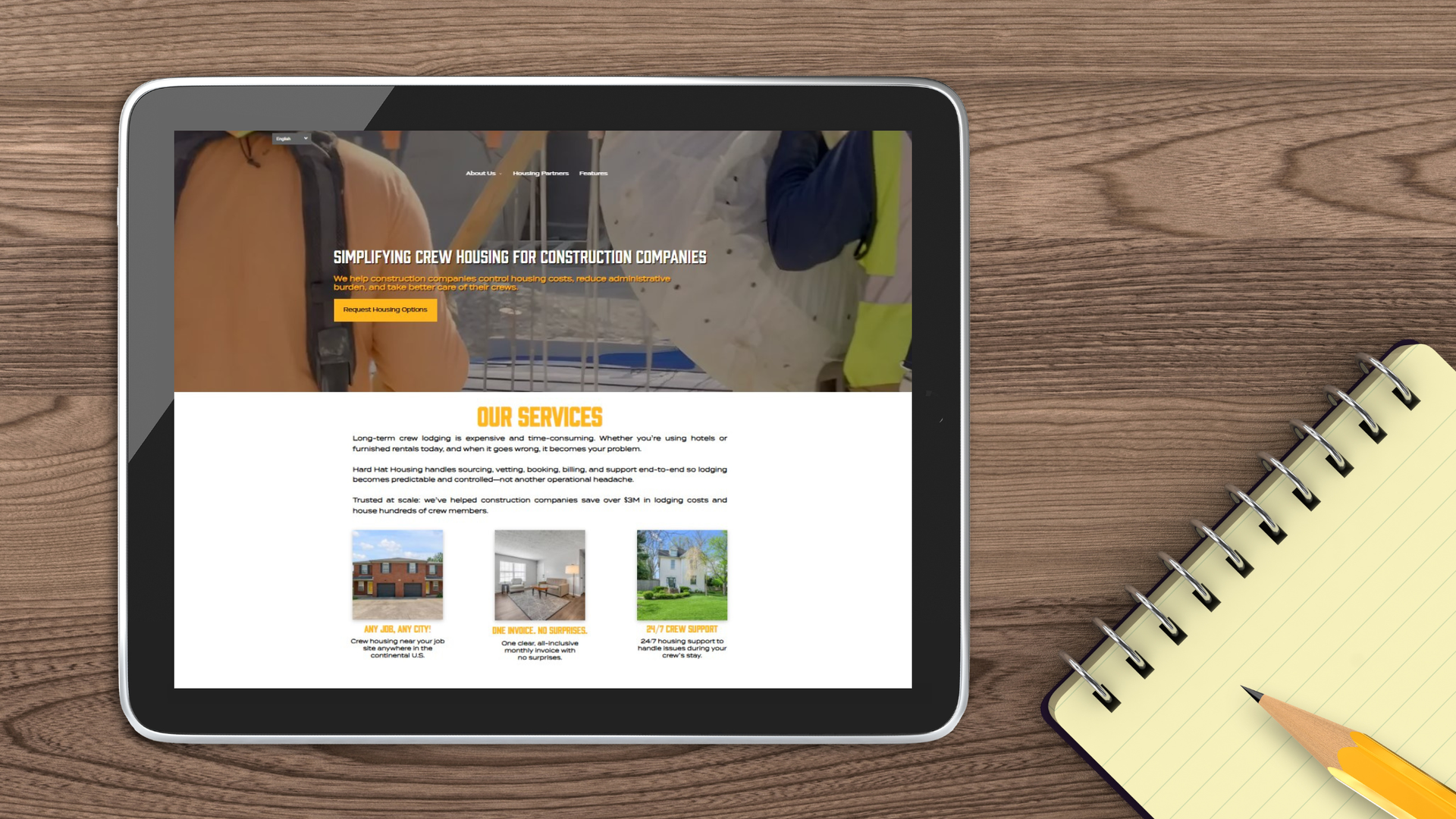
Working with a reliable partner like Hard Hat Housing can help lessen your property vacancies, as we partner with construction companies looking for housing, and we reach out to you when a crew is headed your way.
Long-term rental income
Long-term rentals often achieve a lower monthly rent than furnished mid-term accommodation. In return, they generally offer more income stability.
A long-term tenant may sign a 12-month lease, providing the landlord with a predictable rental income for the duration of the agreement. In many cases, the tenant also pays utility bills directly, which makes the landlord’s monthly expenses easier to forecast.
Long-term landlords should still budget for:
- Vacancy when a tenant leaves
- Advertising and leasing fees
- Routine maintenance
- Property taxes
- Insurance
- Safety and compliance work
- Unexpected repairs
- Legal or professional costs
- Re-renting and cleaning at the end of the tenancy
The longer term can also reduce the frequency of these expenses. A landlord may only need to market the property and complete a full turnover every 12 months or longer.
Compare annual net income
The most useful comparison is between the likely annual net income under each strategy.
For a mid-term rental, calculate income using realistic occupancy assumptions. Consider what the property would earn if it were:
- Occupied continuously
- Vacant for two to four weeks between tenants
- Affected by seasonal demand
- Managed by a property manager
- Subject to higher-than-expected utility costs
Then compare the result with the expected income from a 12-month tenancy.
This approach gives a more accurate picture than comparing advertised monthly rents. For a mid-term rental, the gap between gross and net shrinks when stays run back to back. A placement partner that keeps occupancy steady and handles turnover lets the higher monthly rate carry through to your annual return.
Wear and tear: what should landlords expect?
Both rental strategies involve wear and tear, but the type and frequency can differ.
Wear and tear in mid-term rentals
Mid-term properties are usually furnished and ready for immediate occupation. The landlord may provide:
- Beds and mattresses
- Sofas and chairs
- Dining furniture
- Kitchen appliances
- Cookware and crockery
- Television and basic electronics
- Curtains and rugs
- Bedding and towels
- Decorative items
These items get daily use, so plan to refresh some of them over time. Choosing durable, easy-to-clean furniture keeps replacement costs down.
Mid-term tenants may still take good care of the property. Unlike short-term holiday guests, they often stay for several months and treat the accommodation as a temporary home.
Wear and tear in long-term rentals
Long-term tenants are more likely to bring their own furniture and household items, especially when renting an unfurnished property. This means the property owner may have fewer contents to maintain or replace.
However, a tenant who stays for 12 months or more may create gradual wear that only becomes apparent when they leave. Paint, flooring, bathroom fixtures, kitchen appliances, and outdoor areas may need attention after a lengthy lease, and with fewer check-ins along the way, problems can go unnoticed for months.
Long-term tenants may also want to hang pictures, install shelves, or make other minor changes. The lease should clearly state what is permitted and whether the tenant needs written approval.
Protecting the property
Property owners should prepare a detailed inventory and condition report for every lease. Dated photographs can document the condition of:
- Walls and ceilings
- Floors and carpets
- Furniture
- Appliances
- Bathrooms
- Kitchens
- Outdoor areas
- Fixtures
The tenant should have an opportunity to review and approve the report at move-in. This documentation can help distinguish normal wear and tear from damage.
Regular inspections can also catch small problems before they become expensive. Inspections must be carried out with appropriate notice and in line with local landlord-tenant laws.
Rental flexibility: how much control do you need?
The length of a lease has a direct effect on how much control you keep over your property.
Flexibility with mid-term rentals
Mid-term rentals offer greater flexibility because each stay may last for as little as 30 days. Depending on local law and the terms of the agreement, property owners may be able to:
- Use the property between stays
- Schedule renovations
- Respond to seasonal demand
- Adjust the rental rate more often
- Sell the property without a year-long lease in the way
- Change the property’s rental strategy
For example, a property might host a construction crew for a 6-month project, then a traveling nurse for a 3-month assignment. This flexibility is useful when demand changes throughout the year.
Flexibility with long-term rentals
A long-term rental provides much less flexibility once a 12-month lease is signed. You’re committing the property to one tenant for at least a year and usually can’t reclaim it just because your plans change.
That commitment carries real risks:
- Your rate is locked in. If local rents rise, you can’t adjust until the lease ends.
- A bad fit lasts a year. If a tenant pays late or doesn’t care for the home, you may be stuck with them for the full term.
- Getting the property back can be slow. Tenant protections and eviction timelines vary by state, and removing a tenant can take months.
- Selling or moving in has to wait. Any change must follow the lease and local law.
Choosing the right level of commitment
Think about your plans for the property over the next 1 to 3 years. If you may need access to it within the next 12 months, or want room to adjust your rate, a mid-term strategy offers more control. If you’re certain your plans won’t change and you’re comfortable with a single tenant for a year or more, a long-term lease may fit.
Property management and day-to-day work
How much work a rental takes depends less on the model and more on who’s handling it.
Managing a mid-term rental
Running a mid-term rental on your own means more activity at the start and end of each stay, including:
- Finding and screening occupants
- Preparing the lease
- Coordinating check-in and check-out
- Handling questions about Wi-Fi, appliances, parking, and trash pickup
- Arranging cleaning between stays
- Coordinating repairs
Working with a partner can change that picture because you can have someone else handle communication with, and take ownership of issue resolution, so most of the list above comes off your plate.
Managing a long-term rental
Long-term rentals involve fewer routine tasks once the tenant has moved in. The property owner still needs to:
- Monitor rent payments
- Respond to maintenance requests
- Arrange inspections
- Maintain safety compliance
- Renew or review the lease
- Manage repairs
- Handle move-out
Tenants usually handle everyday cleaning and their own utilities. But long-term rentals aren’t hands-off. You’re responsible for serious maintenance issues, and you’re the one dealing with late or unpaid rent, disputes, or damage, often with no partner in between.
Careful tenant screening, a clear lease, and timely repairs can help reduce these risks.
Tenant demand and market conditions
The best strategy depends heavily on the type of demand in your area.
Locations that may suit mid-term rentals
Mid-term demand can be strong near:
- Construction projects and infrastructure developments
- Industrial sites and plants
- Major hospitals
- Universities and research centers
- Military facilities
- Large employers and business districts
- Transportation hubs
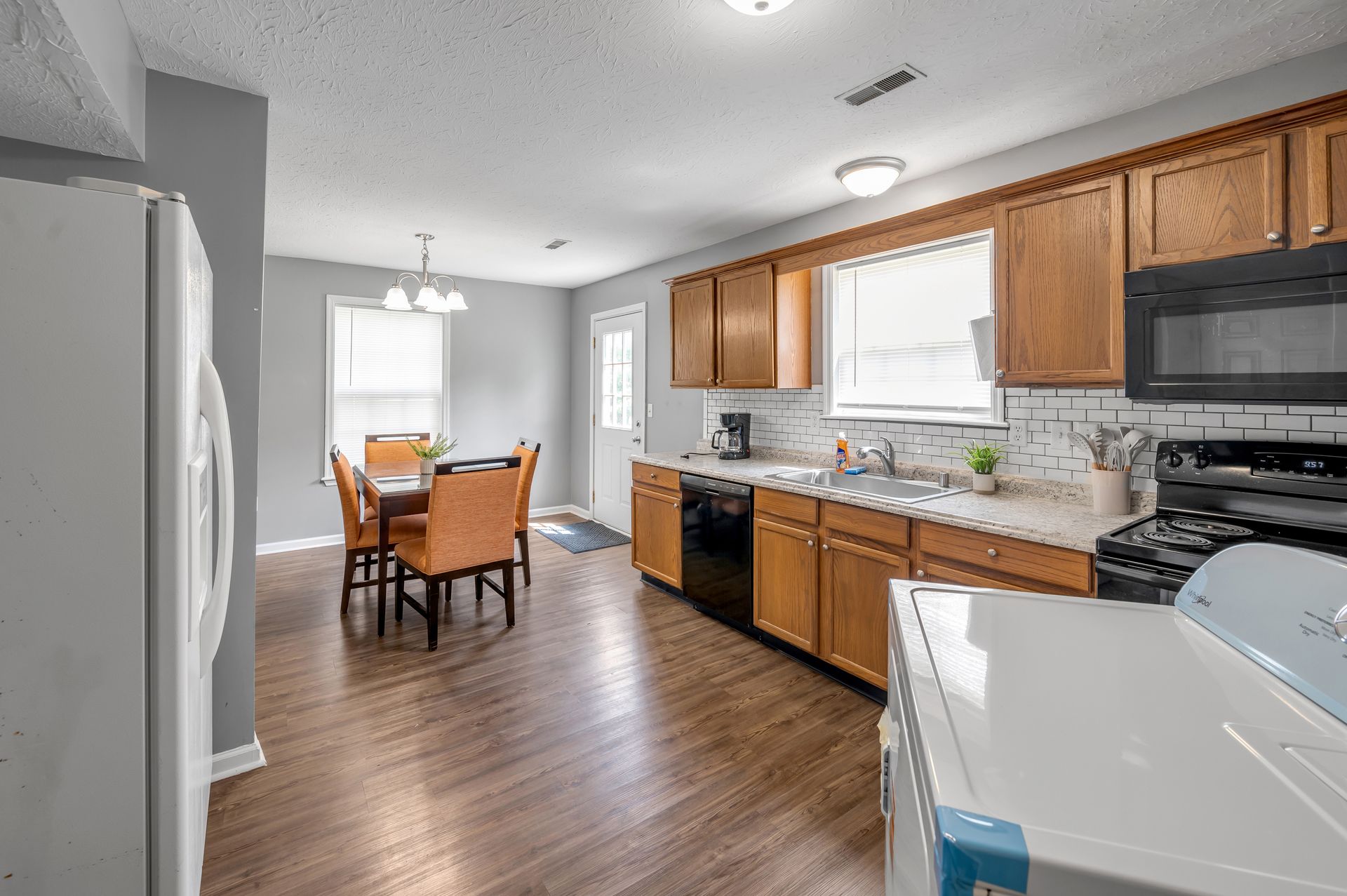
The property itself also needs to match the occupant. For construction crews, that usually means private bedrooms, a functional kitchen, laundry, reliable internet, and enough parking for work trucks.
Before investing in furniture or renovations, find out:
- Who rents mid-term housing in the area?
- How long do they usually stay?
- What monthly rate can they pay?
- Is demand consistent throughout the year?
- What amenities do they expect?
Locations that may suit long-term rentals
Long-term rentals are often better suited to established residential areas where people are looking for permanent homes, such as:
- Suburban neighborhoods
- Family-oriented communities
- Areas near schools
- Places with limited housing supply
- Neighborhoods with good public transit
Long-term tenants often prioritize affordability, storage, parking, outdoor space, and access to schools or workplaces.
The effect of seasonality
Some mid-term markets are seasonal. A property near a university may be busier during the academic year. Construction demand works differently: large projects often run for months or years, and crews rotate in as phases begin.
Long-term rentals are affected by seasonality too, especially when the property sits vacant during a slow leasing month. Once a 12-month lease is signed, that risk is set aside, but so is your ability to respond to rising demand.
Furnishing, utilities, and operating costs
The rental model affects how much you spend before the property is ready and what it costs to run each month.
Mid-term rental costs
Mid-term occupants usually expect a fully furnished, move-in-ready home. Initial costs may include:
- Beds and mattresses
- Sofas and chairs
- Dining furniture
- Kitchen equipment, cookware, and dishes
- Bedding and towels
- Curtains and lighting
- Television and basic electronics
- Wi-Fi setup
- Cleaning supplies
Utilities and internet are often included in the monthly rate. That’s part of what makes mid-term housing appealing to occupants, and part of why it commands a higher rate than an unfurnished lease. A clear agreement on what’s included, and how unusually high usage is handled, keeps costs predictable.
Plan to replace low-cost items such as cookware, towels, and small appliances from time to time.
Long-term rental costs
Long-term properties are often rented unfurnished, with tenants bringing their own furniture. Tenants usually pay their own utility bills, though the property owner remains responsible for fixed systems and any appliances supplied with the home.
Long-term rentals have fewer turnovers, but the costs tend to arrive all at once. A home rented to the same tenant for several years may need repainting, flooring repairs, appliance replacement, or other renovation when they move out.
Legal, tax, and insurance considerations
The legal line between a mid-term and a long-term rental varies by state and city. Don’t assume the label on an agreement decides how it’s treated legally.
Before choosing a strategy, check:
- Minimum rental periods
- Rental registration or permits
- Licensing rules
- Security deposit rules
- Notice periods
- Rent increase restrictions
- Eviction procedures
- Rental safety inspections
- Smoke and carbon monoxide detector requirements
- Local zoning rules
- Tax treatment
- Insurance coverage
- Mortgage restrictions
In some states, a tenant gains significant legal protections once the property becomes their home, even if the arrangement was described as temporary. This is one reason many property owners prefer working through a professional partner.
Insurance matters too. A standard homeowners policy may not cover a furnished rental occupied for 30 days or more. Talk with your insurer about how the property will be used, and confirm your mortgage and HOA rules allow it.
Tenant screening and risk
Both models need careful screening, though what you check differs.
For a mid-term occupant, consider verifying:
- Identity
- Employment or contract details
- Expected length of stay
- Employer or company booking details
- Ability to pay the deposit and rent
For a long-term tenant, screening usually focuses on:
- Income and affordability
- Credit history, where legally permitted
- Previous landlord references
- Rental history
- Ability to meet the 12-month commitment
No screening process removes every risk. A clear agreement, an appropriate security deposit, a detailed inventory, and good communication all help prevent disputes.
When a company arranges the stay, make sure the agreement names who is responsible for rent, damage, and following the terms.
Which is right for your property?
There’s no single strategy that fits every property. Your decision should reflect your local market, your financial goals, and how involved you want to be.
A mid-term rental may suit you if:
- Your property is near job sites, hospitals, or industrial areas.
- You want a higher monthly rate than an unfurnished lease.
- You want to keep the option of using or selling the property.
- The property is furnished or can be furnished affordably.
- You want to adjust your rate as the market changes.
- You want professional occupants on 30+ day stays.
- You’d like a partner to handle placement and communication.
A long-term rental may suit you if:
- Your property is in a stable residential area.
- You don’t want to furnish the property.
- You want tenants to manage their own utilities.
- You’re comfortable committing the property for at least 12 months.
- You don’t expect to need the property in the near future.
- You’re comfortable managing the tenant relationship yourself.
Consider a blended approach
Some property owners use different strategies at different stages, offering a mid-term rental while demand is strong and moving to a long-term tenant later. Every arrangement must comply with local law, and your insurance and mortgage must allow the proposed use.
Before deciding, prepare two financial projections. Compare expected annual net income, vacancy, furnishing costs, utilities, management time, and risk under both models.
Conclusion
Mid-term rentals, covering stays from 30 days up to 12 months, and long-term rentals, typically starting at 12 months, offer different mixes of income, stability, and flexibility.
A long-term rental offers fewer turnovers and a familiar setup, but it locks in your rate, your tenant, and your plans for a year or more.
A mid-term rental can earn a higher monthly rate, keep you flexible, and bring in professional occupants who are there to work. The extra work that usually comes with it, such as finding occupants, coordinating stays, and handling communication, is exactly what a placement partner takes on.
The strongest strategy isn’t always the one with the highest advertised rent.
It’s the one that delivers the best result after vacancy, costs, management time, and your long-term plans for the property.