
How Convenient Housing Boosts Construction Crew Productivity
This is a subtitle for your new post
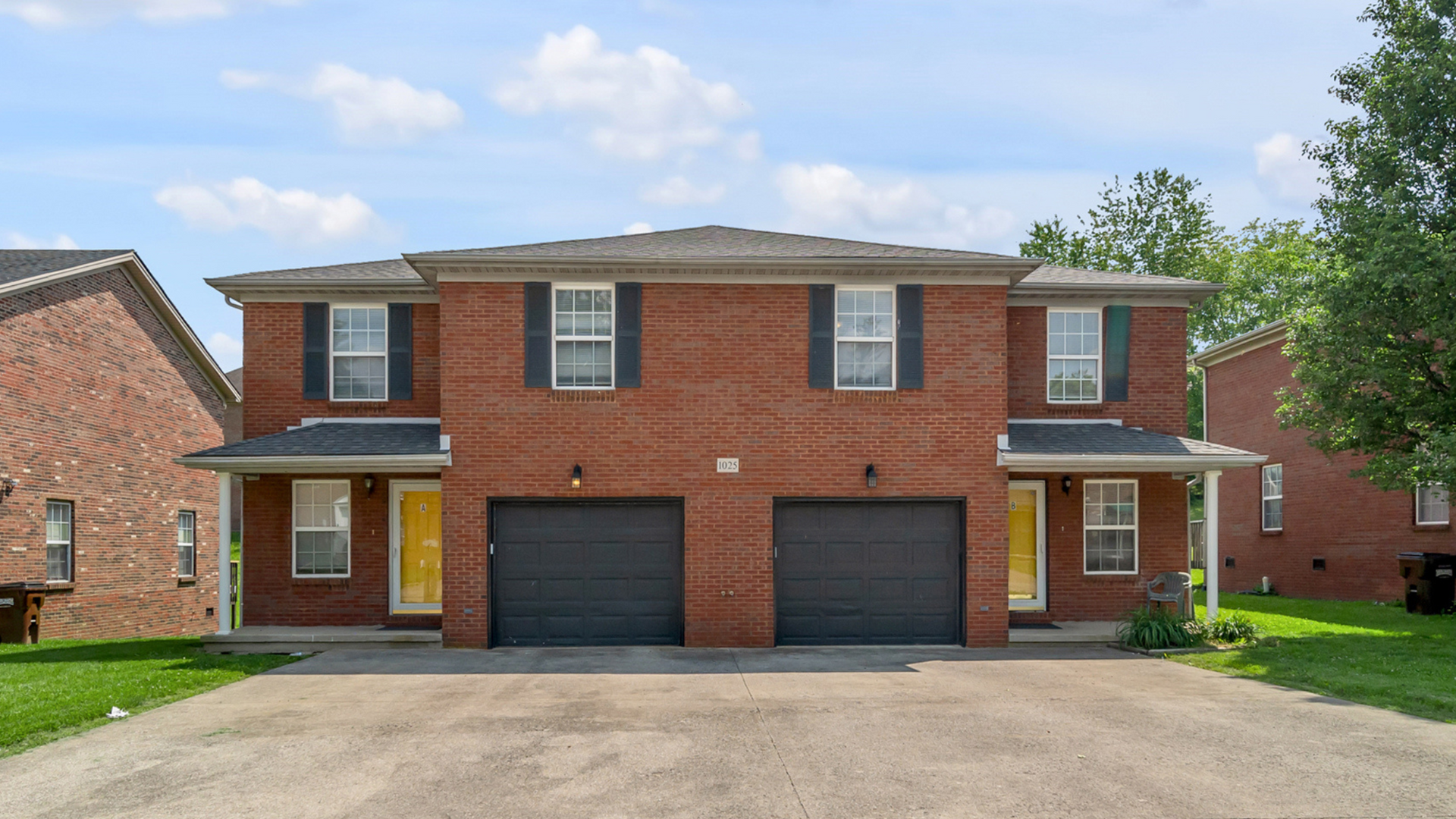
Convenient housing plays a critical role in boosting the productivity of construction crews. When workers have a place to stay that’s close to the job site, fully furnished, and comfortable, they perform better on the job. Construction work is tough and demanding, so having a convenient and cozy living environment can make all the difference.
Short commutes mean more time for rest and less time stuck in traffic. This extra rest translates to better performance and higher morale. When workers don’t have to worry about long travel times, they can start their day fresh and focused.
A comfortable living space also makes it easier for workers to relax and recharge. Having a fully furnished home with all the necessary amenities ensures that workers can settle in quickly and comfortably. This helps them focus better on their tasks and improves their overall well-being.
Affordability and flexible lease terms are other crucial aspects of convenient housing for construction crews. Affordable housing solutions help workers save money, while flexible lease terms support the unpredictable nature of construction projects. Together, these factors create a stress-free living environment that enhances productivity and efficiency on the job.
Proximity to Job Sites
Housing that is close to job sites is a game-changer for construction crews. When workers live near their work location, they spend less time traveling. This reduction in commute time can make a big difference in their daily routines. Instead of battling traffic and wasting precious hours, workers can use this time to rest and prepare for the day ahead.
Less travel time means more rest. Workers who get enough sleep and relaxation are more alert and productive on the job. They show up ready to tackle the day's tasks, contributing to overall better performance and higher morale. Being close to the job site also means that workers can quickly return to their accommodation for breaks and meals, further improving their efficiency and focus.
Comfortable Living Spaces
A comfortable living space is essential for construction workers who spend long hours on demanding tasks. Fully furnished rentals offer all the comforts of home, making it easier for workers to settle in and feel at ease. When their living space is cozy and well-equipped, they are more likely to feel relaxed and refreshed.
Essential amenities that boost comfort include:
- Comfy beds: Ensures a good night's sleep.
- Modern appliances: Makes everyday chores easier.
- Entertainment options: Provides ways to unwind after work.
- Fully equipped kitchens: Allows for home-cooked meals.
A cozy home has a positive impact on a worker’s focus and morale. When workers return to a comfortable and inviting space, they can recharge effectively. This improved state of mind leads to better concentration and higher productivity at the job site. Feeling well-rested and supported in their living environment helps workers maintain a positive attitude, which benefits the whole team.
Affordability and Financial Stability
Midterm rentals can lead to significant cost savings for construction workers and their teams. These rentals often include utilities in the rental price, helping to avoid unexpected bills. This stability allows workers to budget more effectively, knowing exactly what their monthly expenses will be.
Some key financial benefits include:
- No need to buy or rent furniture, which can be a major cost.
- Utilities often included, reducing monthly expenses.
- Ability to cook at home, saving money on dining out.
Managing personal finances is easier when using midterm rentals. Here are a few tips:
- Share a rental with a colleague to split costs.
- Take advantage of the equipped kitchen to prepare meals, which is cheaper than eating out.
- Look for rentals with additional perks like free parking or Wi-Fi to save even more.
By using these tips, construction crews can make their money go further and maintain financial stability throughout their projects.
Flexibility and Adaptability
Fully furnished midterm rentals offer flexible lease terms that can fit varying project timelines. Construction projects often have shifting deadlines, and flexible housing arrangements can make life much simpler. When deadlines extend, or projects finish early, adaptable lease terms allow the team to adjust their housing plans accordingly.
An adaptable living situation helps reduce stress. Knowing that housing arrangements can change based on the project's progress takes a significant load off workers’ minds. They can focus more on completing the job efficiently without worrying about finding new housing on short notice.
This flexibility also boosts overall productivity. With fewer housing concerns, crew members can concentrate better on their tasks. Less stress and worry about living arrangements mean more energy and effort can be directed towards the job.
Conclusion
Midterm rentals with full furnishings provide a host of benefits for construction crews. From the ease of relocation to significant cost savings, these housing options make the lives of workers much easier. They provide comfort, improved quality of life, and the flexibility needed to adapt to ever-changing project timelines.
Choosing midterm rentals can make a big difference in productivity and overall job satisfaction. When workers have a comfortable, ready-to-live-in space close to their job site, they can perform better and enjoy a better quality of life.
If you're looking for housing solutions for your
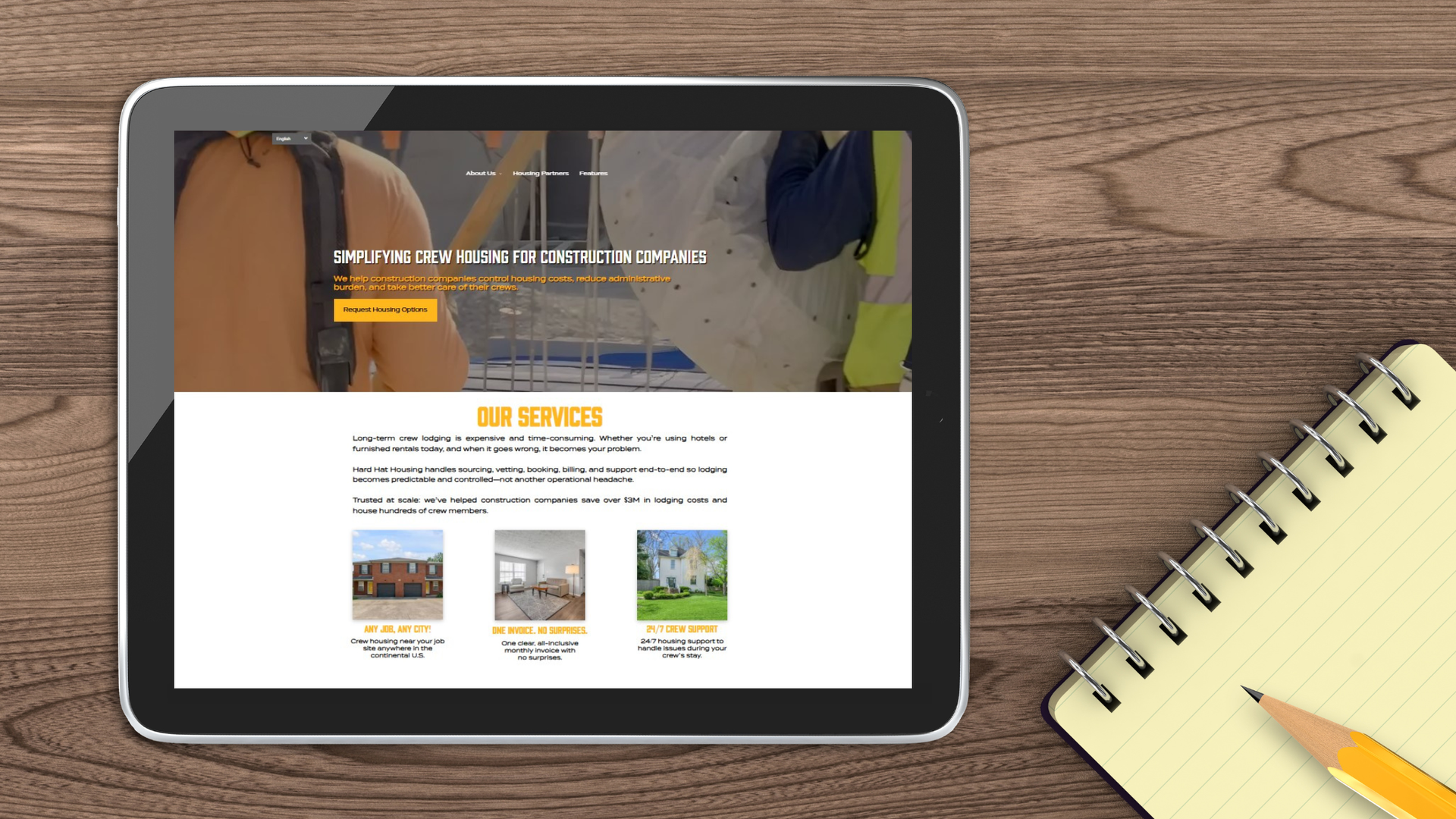
construction crew lodging, consider the conveniences offered by Hard Hat Housing. Our midterm rentals are designed to meet the unique needs of construction teams, helping them work more efficiently and live more comfortably. Contact Hard Hat Housing today to find the perfect rental for your crew.