
What It Really Takes to Mobilize a Rebuild Crew
When disaster strikes, speed matters, but so does structure.
Over the past few years, our team at Hard Hat Housing has been supporting the rebuild of a flood-affected community in Kentucky. What began as a single trip has become a long-term commitment. And through it, we’ve all learned what it truly takes to mobilize skilled teams quickly and efficiently.
Here’s what we’ve learned about fast, responsive coordination in moments that demand it most:
1. You Need a System Before the Crisis
You can’t plan for every emergency, but you can plan for how you’ll respond.
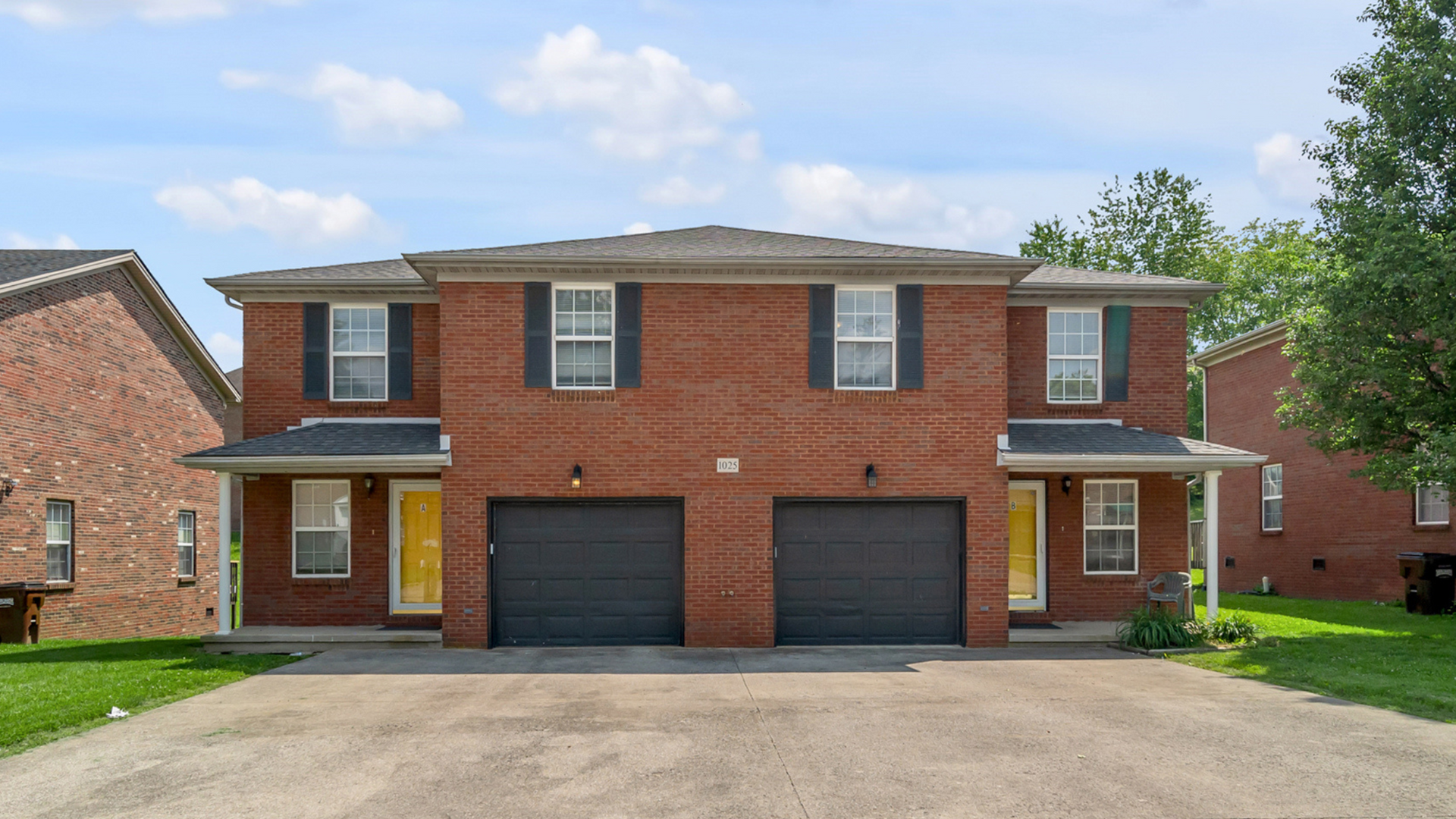
We keep detailed records of vetted homes and property owners from coast to coast. That means when a crew needs housing on short notice, we don’t start from scratch, we start from a shortlist.
Our intake system tracks:
- Availability and readiness of crew-friendly properties
- Cleaning and maintenance contacts in the area
- Distance from job site to property
This backend preparation allows us to move at lightning speed when a disaster, natural or not, hits.
2. Assign Roles Before the Work Begins
One of the biggest delays in an emergency is decision paralysis. Whether we’re handling crew housing or helping rebuild a community, setting clearly defined roles is our go-to method:
- One person leads housing logistics
- One person manages travel arrangements
- One person handles communication with owners and locals
- One person is responsible for contingency planning and troubleshooting
And as our team grows, we learned that it’s only natural to reassign roles or add and define new ones. This kind of clarity makes room for action. Everyone knows what to do, and who to call.
3. Plan for the Pivot
Natural disasters, and even accidents and incidents do not pick and choose. In a matter of moments a wildfire can eat away a property. A flood can swipe away another one. Or the Grinch can swing by off-season and make off with the microwave... just because he felt like it.
Anything can happen, that’s why we need a plan, a backup, a backup for the backup, and a backup for the backup’s backup.
It’s a necessary neverending cycle that we learned the hard way when a crew we housed called us one night to say that there was an issue with the plumbing. It was late, and there was nothing we could do about it, except move them to a new temporary place till we get this fixed.
The problem is, our backup option failed because the homeowner backed out.
At that point, we had to resort to our last backup option, which is booking the crew hotel rooms, 100% free of charge, and treating them to a nice dinner to make up for the trouble they had to go through.
The issue was fixed the next day, and they went back to our rental. But if we hadn’t built in backups—and backups for those backups—it would’ve turned into a terrible experience for the crew.
We now assume that at least one part of any plan will fall through. So we stay flexible. We keep relationships strong within the industry. We communicate daily with our partners. And we always have a Plan B, C, and D.
Quick responses don’t happen because of luck. They happen because of preparation.
We’ve been helping rebuild schools, homes, and lives in Kentucky—and none of that would have been possible without a tight, well-managed system behind the scenes.
Because when you’re helping put a town back together, the last thing you can afford is chaos.