
RVs for Crews: What You Need to Know Before You Buy
Using RVs to house construction workers might seem like a flexible, cost-saving solution for remote projects. After all, an RV can be driven to the jobsite and set up as needed. However, beyond the price tag, there are serious livability factors to consider. From cramped quarters and lack of privacy to climate control struggles and constant upkeep, the downsides of RV life can take a real toll on crew comfort and morale. Before you invest in an RV for your crew, let’s explore these drawbacks, backed by recent real-world insights, and compare them with the advantages of proper crew housing.
Cramped Quarters and Comfort Challenges
Living in an RV means living
small. Even high-end motorhomes top out around 400 square feet, compared to roughly 2,500 square feet for the average U.S. home. For a construction crew, that limited space quickly translates into tight living conditions. There’s often little room to stretch out after a long day, and storage space for work gear or personal items is minimal. Such cramped quarters can directly impact rest and morale. In fact,
very limited space in an RV can result in poor sleep and low morale over time. It’s hard for crew members to get truly comfortable when beds, kitchen, and lounge area are all packed into one tiny enclosure.
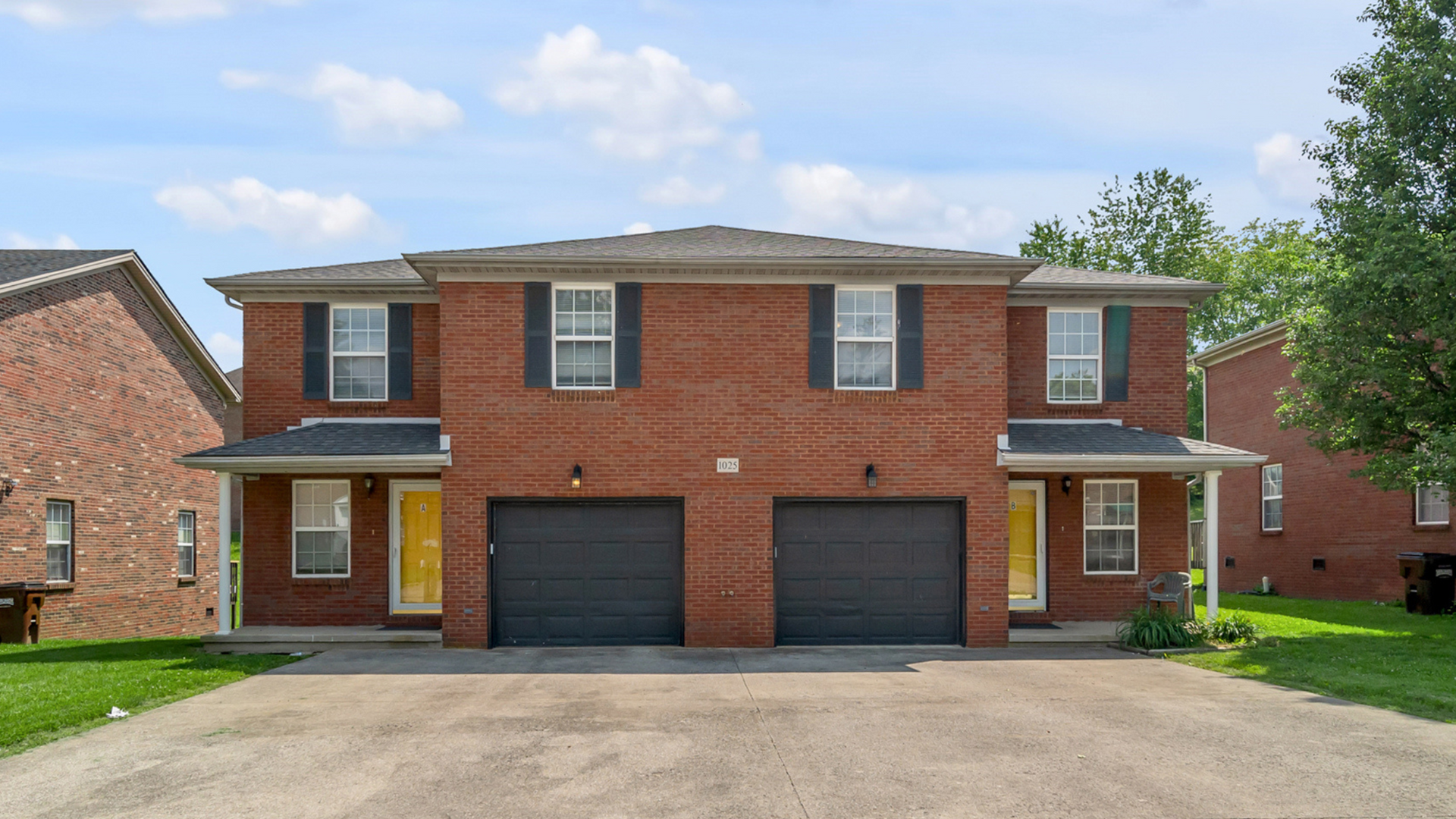
In contrast, proper crew housing provides breathing room and real beds to recharge on. A rented house or apartment near the site can offer multiple bedrooms and a common living area, so everyone isn’t piled on top of each other. Instead of a narrow RV bunk, workers can sleep in a standard bed in their own bedroom, meaning better sleep quality and less irritability. There’s space for
real furniture and amenities (like full-size couches and kitchens) that simply don’t fit in a camper. The result is a far more home-like comfort level. Crew members housed in a normal home report feeling more rested and valued, whereas being crammed into an RV for weeks can quickly feel like roughing it when they really need rest. In short, if you want your team to be comfortable and ready for work each day, ample living space matters, and that’s something an RV can rarely provide long-term.
Lack of Privacy and Noise Issues
Another major downside of using RVs for crews is the
complete lack of privacy. RV walls are paper-thin, they’re “suggestions of walls” with virtually no soundproofing. That means every phone call, every late-night conversation, even every
snore carries to everyone else. Sharing such a confined area with coworkers 24/7 can become uncomfortable on a personal level. When privacy is traded away, it’s a morale drain that can quickly lead to frustration or even crew turnover. Simply put,
privacy ends at the thin RV wall, it’s tough for anyone to have personal space or a quiet moment to themselves in that environment.
Proper crew housing addresses these issues by giving workers the personal space they need. In a crew rental home, for example, each person can have their
own bedroom, or at worst share a spacious room instead of a tiny RV bunk. Privacy is a basic need for maintaining dignity and sanity on long jobs. Traditional housing also means real walls that actually block noise. Crews can sleep without overhearing every whisper or smartphone alarm from their colleagues. And after hours, individuals can unwind or call home without an audience. This level of privacy and quiet is virtually impossible to achieve in an RV, but it comes standard with dedicated crew housing. By prioritizing privacy, companies show respect for their crews’ well-being, and crews in turn feel more valued and are more likely to stick with the job.
Too Hot, Too Cold: Climate Control Struggles
Keeping an RV comfortable in
extreme weather is a constant battle. In summer heat, RVs can turn into ovens on wheels. One full-time RVer noted that if it was 90°F outside, it could be
10–15°F hotter inside the RV without running the air conditioner. Why? Thin insulation and weak climate systems can’t always keep up. Conversely, cold winters are just as problematic, even “arctic package” RVs have their limits. Within the last year, RV owners on Reddit have documented grim winter realities:
heated hoses still freezing during single-digit nights, propane regulators icing up at 3°F, sewer lines turning into frozen “poopsicles,” and moisture condensing into mold under mattresses. Even running the furnace non-stop, an RV may struggle to maintain safe indoor temperatures when the mercury plummets. As one construction housing guide put it, conditions inside an RV often become uncomfortably
hot or cold in extreme weather,
“even with AC or heaters running.” In other words, an RV can’t promise the stable climate control that a crew needs for recovery, and dealing with frozen pipes or overheated interiors is the last thing workers want after a hard day on site.
Proper crew housing offers a much more
climate-resilient solution. Houses and apartments are built to residential codes with real insulation, robust HVAC systems, and guaranteed heat in winter. For example, a standard home is required to maintain around 68°F indoors during winter months, something an RV might only achieve with round-the-clock intervention. In a rental home, crews don’t have to worry about skirting trailers or defrosting water lines; the furnace and plumbing can handle the weather. There’s also space for drying out wet gear and taking a hot shower without instantly fogging up the entire living area. Essentially, proper housing
eliminates the weather worries. Crews can count on coming “home” to a consistently comfortable environment where they can cool down, warm up, and sleep through the night regardless of outside conditions. This reliability not only keeps workers safe and healthy, it boosts morale. Knowing you won’t wake up freezing or sweating goes a long way in keeping a crew focused and happy.
Setup, Maintenance, and Security Headaches
RVs aren’t turnkey housing, they come with a lot of
setup and maintenance work. Unlike a house where you just move in, an RV requires you to hook up (or frequently refill) water, power, and waste systems, often every few days. If you’re new to RVs, seasoned travelers warn that the purchase price is
“just the down payment” , you’ll need to buy “all kinds of [extra gear] when you first get started”, from sewer hoses and leveling blocks to skirting and special heaters in winter. And then there’s the ongoing upkeep:
mechanical or plumbing issues are common, since most RVs aren’t built for heavy daily use. Leaks, appliance failures, or engine troubles can and do happen, which means downtime for repairs. These maintenance headaches can interrupt the work schedule and add unplanned costs. Even routine tasks like dumping waste tanks or winterizing the unit demand time and know-how from the crew. After a 10-hour shift, having to troubleshoot a failing generator or a busted water pump is a burden that affects the team’s rest and readiness. In short, an RV can make your project manager unintentionally double as a campground manager, dealing with lodging issues rather than focusing on the job.
Security is another concern with RV crew quarters. A construction crew’s temporary RV camp can be a target for theft or break-ins, especially if it’s parked in a remote or unsecured area. Unfortunately, RVs are
easy targets for criminals. As one RV owner noted after a break-in, even the police admitted burglars go after RVs because “they are generally easy targets to get inside” and thieves assume valuables are inside. The thin doors and simple locks on many travel trailers don’t offer the same deterrence as a house’s security system or even just a solid front door. There’s also the safety aspect, severe weather or high winds pose greater risks to an RV than to a traditional building. By contrast, proper crew housing keeps your team and their belongings
much safer. A rented home or apartment in a decent neighborhood comes with standard security features–deadbolt locks, neighbors nearby, perhaps alarm systems–and a structure that’s far less vulnerable to break-ins. Crews can leave their tools or personal items at “home” with more peace of mind than if they were stashing them in an unattended trailer. Plus, professional crew housing providers often vet properties for safety and privacy, ensuring the crew isn’t staying in a sketchy area. The bottom line is that a real house offers stability and security that an RV simply can’t match, from both a personal safety perspective and a project-risk standpoint.
The idea of buying an RV for your construction crew might be appealing at first glance: mobility, no leases, a roof wherever you go. But as we’ve seen through real experiences, the
livability downsides are significant. Cramped spaces lead to poor sleep and frayed nerves; lack of privacy and constant noise grate on even the most patient workers; extreme weather turns RVs into either saunas or iceboxes; and the ongoing setup, maintenance, and security concerns are non-stop. These factors can diminish crew morale, productivity, and even retention. On the other hand, investing in proper crew housing provides the comfort, privacy, climate control and safety that traveling workers need to feel at ease. When crews stay in a home-like environment–with private bedrooms, real kitchens, and reliable utilities–they’re able to rest well and focus on the job, not worry about their living situation. It’s a
win-win: workers are happier and more productive, and projects stay on track with lower turnover and fewer delays. In the long run, providing quality housing for your team is part of taking care of your people and ensuring the success of your project. And that’s something any construction business can get behind.
Ready to leave behind the RV headaches and upgrade your crew’s living conditions? At Hard Hat Housing, we specialize in comfortable, private crew lodging that keeps our construction teams happy and productive.
Reach out to Hard Hat Housing today to see how we can make your next project feel more like home for your crew.