Crew Housing vs. Hotels: Which Is Better for Construction Crews?
When a construction project takes workers away from home, lodging quickly becomes one of the largest operational expenses. The right accommodation affects more than the budget. It also influences worker comfort, rest, productivity, scheduling, and the amount of administrative work your team must handle.
Hotels are often the default choice because they are familiar and easy to book. However, for projects lasting 30 days or longer, dedicated crew housing can provide more space, better amenities, and lower overall costs.
If you are new to the topic, our ultimate guide to construction crew housing covers everything from planning and budgeting to choosing the right properties for your team.
Here is how crew housing compares with hotels for construction teams.
Crew housing vs. hotels: the quick comparison
| Category | Crew housing | Hotels |
|---|---|---|
| Cost | Monthly pricing can reduce lodging costs, often by approximately 25% to 35% compared with hotels for longer stays | Nightly rates can become expensive over 30 or more days |
| Space | Apartments or homes offer separate bedrooms, shared living areas, and room for work gear | Usually one room per worker or a shared hotel room with limited space |
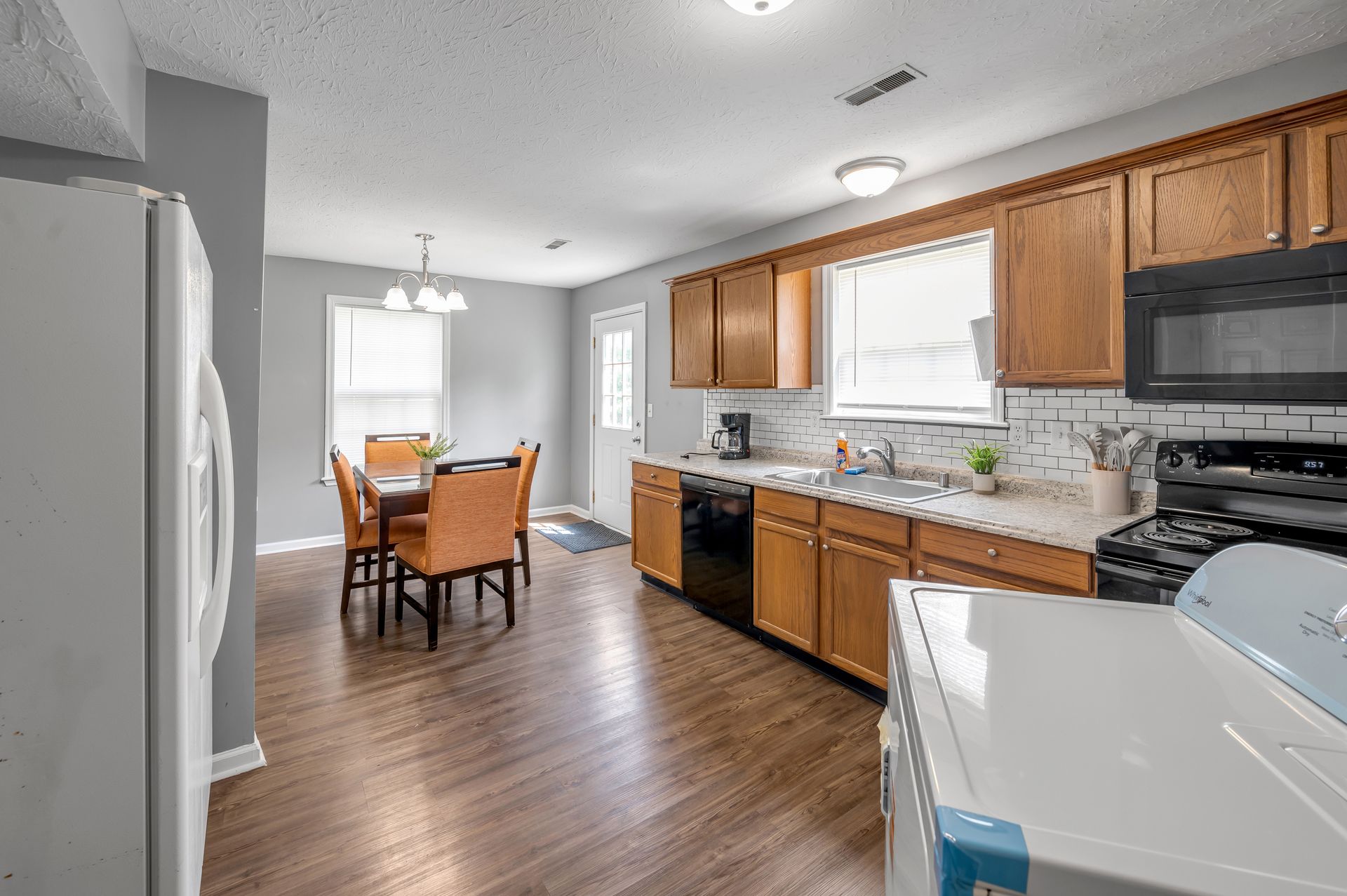
| Kitchen | Full kitchen with a refrigerator, stove, microwave, and storage | No kitchen in a standard room; kitchenette may be available at an extended-stay property |
| Laundry | In-unit or on-site laundry is typically available | Shared hotel laundry, often with limited machines and additional fees |
| Parking | More suitable for work trucks, vans, trailers, and multiple vehicles | Parking may be limited, expensive, or unsuitable for commercial vehicles |
| Flexibility | Lease terms can be structured around project dates and changing crew needs | Extensions, cancellations, and room changes may be subject to hotel policies and changing rates |
| Billing | One consolidated invoice can cover the crew’s accommodation | Multiple receipts, rooms, reservations, taxes, and incidental charges create more administrative work |
For short stays, hotels may be practical. But when a crew needs accommodation for several weeks or months, the differences become more significant.
Why construction companies default to hotels
Hotels are easy to understand. A project manager can search for available rooms, make a reservation, and send workers to check in. Hotels are available in most cities, offer familiar services, and do not require the company to arrange furniture, utilities, or housekeeping.
They can also be useful when a project starts suddenly. If a crew needs a room tonight or tomorrow, a hotel may be the fastest option.
That convenience explains why hotels remain a common choice for construction accommodation. Choosing a hotel does not necessarily mean a company has made a poor decision. In many cases, it is simply the most obvious solution under time pressure.
The problem is that the easiest option at the beginning of a project may not be the most efficient option over the full project duration.
A nightly hotel rate may look manageable when viewed one night at a time. Once multiplied by the number of workers, nights, rooms, taxes, meals, parking charges, and extensions, the total can become considerably higher than expected.
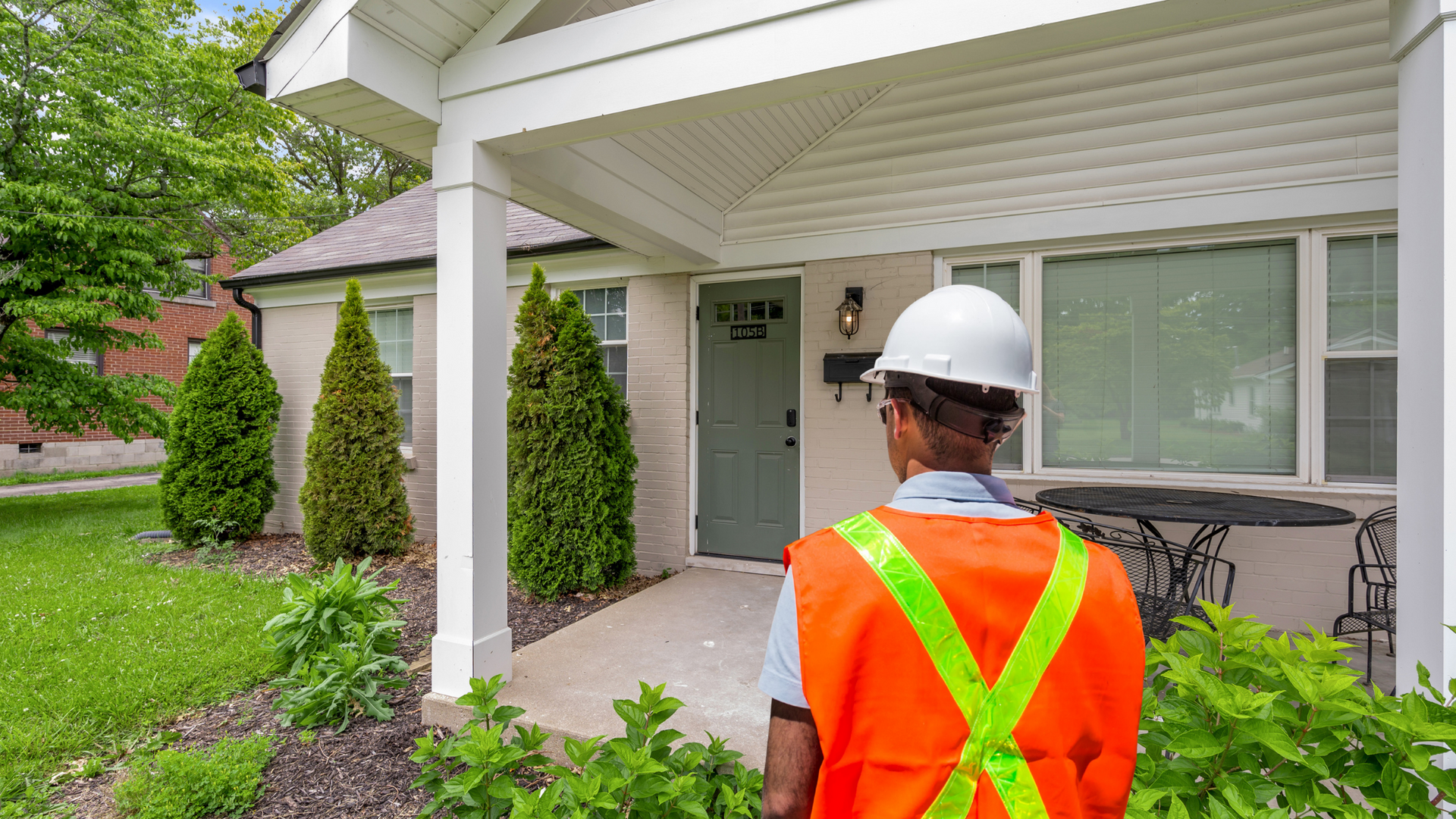
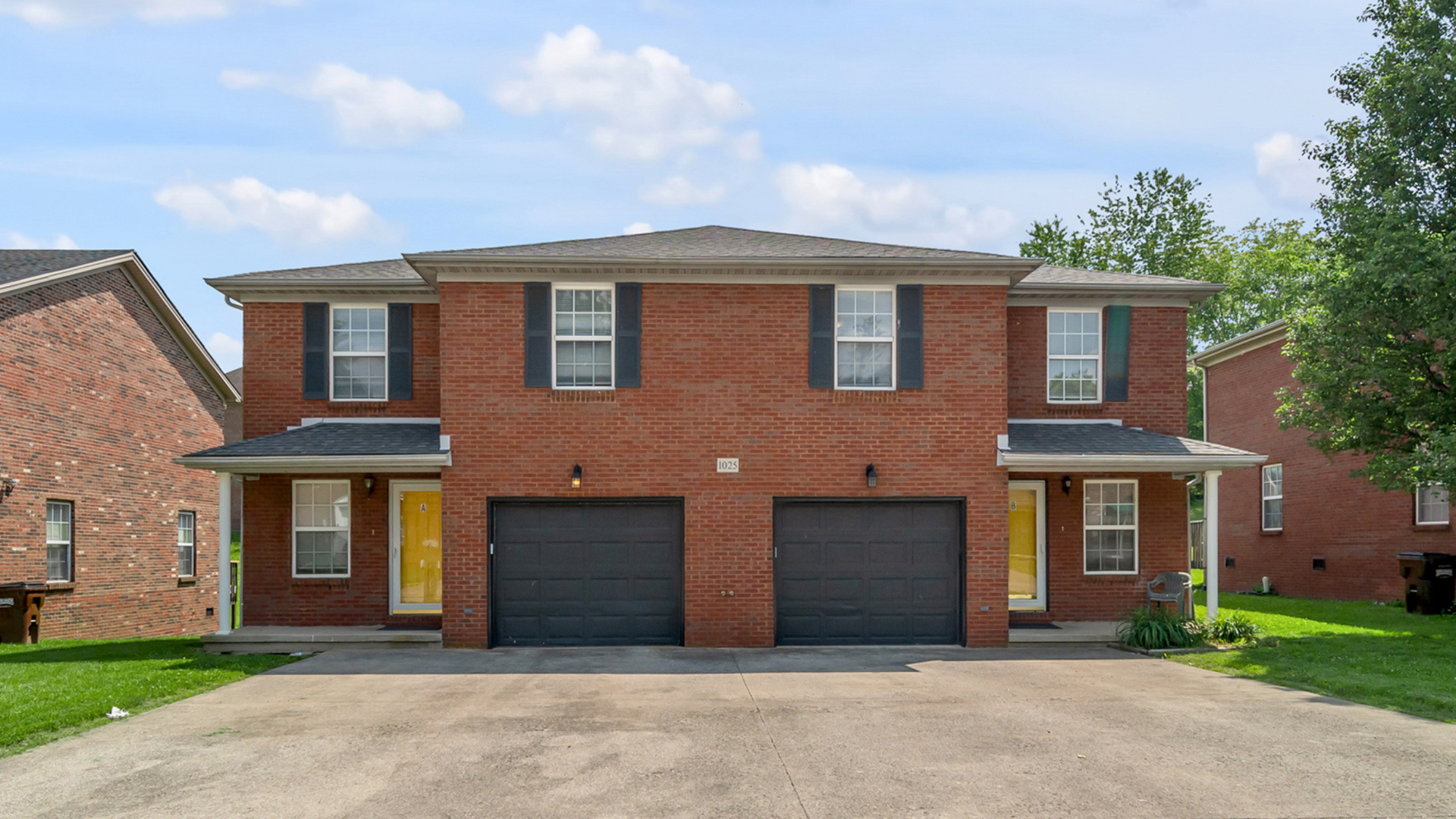
Crew housing takes a different approach. Instead of booking individual rooms night by night, a company secures a furnished apartment, home, or group of properties for the duration of the assignment. This creates a more stable living arrangement and makes long-term costs easier to forecast.
Hotels vs. crew housing: the real cost for a 30+ day job
The most important comparison is not always the advertised nightly rate. It is the total cost of accommodating the crew for the entire assignment.
Suppose a company needs housing for six workers during a 60-day project. If each worker requires a hotel room at a nightly rate of $120, the room cost alone would be:
- $120 per night
- 6 rooms
- 60 nights
- $43,200 before taxes, parking, meals, and other charges
Even if workers share rooms, that arrangement may reduce privacy and rest. It may also be unsuitable for workers with different schedules, responsibilities, or personal preferences.
A furnished crew-housing arrangement may instead provide several bedrooms, shared living areas, a kitchen, laundry facilities, and parking for a monthly rate. The exact price depends on location, property type, crew size, and project dates, but longer bookings can often save approximately 25% to 35% compared with hotel stays.
The savings come from more than the base accommodation rate. Crew housing can also reduce or eliminate several expenses associated with hotel living:
- Restaurant meals and delivery fees
- Hotel parking charges
- Frequent laundry costs
- Room changes during extensions
- Taxes and nightly service fees
- Separate reservations for each worker
- Additional travel caused by unsuitable locations
- Lost time managing multiple bookings and receipts
Monthly housing also provides greater cost predictability. A project manager can plan around a defined housing rate rather than tracking a nightly rate that may change as availability changes.
For projects lasting 30 days or longer, the question should be: What is the complete cost of housing the crew? Looking only at the room rate can hide the actual difference.
The hidden costs of hotels for construction crews
Hotel reservations often appear straightforward because the room rate is visible. However, construction crews generate accommodation costs that go beyond the room itself.
Meals out
A standard hotel room usually does not include a full kitchen. Workers may need to eat at restaurants, purchase takeout, or rely on convenience food. Over several weeks, these costs add up quickly.
Meals can also create logistical challenges. Workers may finish shifts late, work weekends, or travel to locations where dining options are limited. A kitchen allows crews to prepare meals according to their schedules and preferences, rather than depending on nearby restaurants.
Laundry
Construction workers often need to wash work clothes, uniforms, and personal clothing frequently. Hotel laundry facilities may be shared, limited, or located away from the rooms. Some properties charge for machines, detergent, or related services.
With crew housing, laundry is typically available in the unit or within the property. This makes it easier for workers to maintain clean workwear without spending time traveling to a laundromat or waiting for an available machine.
Parking for work trucks and trailers
Many construction crews travel with trucks, vans, trailers, equipment, and tools. Standard hotel parking may not be designed for commercial vehicles. Spaces may be too small, restrictions may apply, or the property may charge additional fees.
Even when parking is available, a crew may need to divide vehicles across multiple areas. This can make loading, unloading, and securing tools more difficult.
Crew housing properties can often be selected with parking needs in mind. The right arrangement may provide driveways, lots, garages, or nearby parking suitable for the crew and its vehicles.
Rate increases on extensions
Construction schedules can change because of weather, inspections, material delays, design changes, labor availability, or site conditions. When a project extends, a hotel may not hold the original rate.
The property could be sold out, seasonal demand could increase, or the crew could need to move to different rooms. These changes make budgeting more difficult at exactly the point when the project is already under pressure.
One room per worker
A hotel room may seem like a private space, but it is still limited. Workers may have nowhere to store equipment, prepare food, dry wet clothing, or unwind after a demanding shift.
Assigning two workers to one room can reduce costs, but it may also affect rest and morale. Workers on different shifts may disturb one another, while limited privacy can make long assignments more difficult.
Crew housing allows companies to plan accommodation around the number of bedrooms, rather than treating every worker as an individual hotel reservation.
What about extended-stay hotels?
Extended-stay hotels are often presented as a middle ground. These properties may include apartment-style hotels for construction workers, with kitchenettes, refrigerators, microwaves, and sometimes small living areas.
They can be a reasonable option for certain assignments. A kitchenette is more useful than a standard hotel room, especially for workers who want to prepare simple meals. Some extended-stay properties also include laundry facilities and weekly rates.
However, the arrangement may still have limitations.
Kitchenettes are often smaller than a full residential kitchen. Storage can be limited, counter space may be minimal, and the property may not provide enough cooking equipment for a crew. Workers may still need to share common facilities or rely on takeout.
Space and privacy can also remain concerns. A hotel suite may have a sleeping area and a small sitting area, but it does not necessarily provide separate bedrooms for multiple workers. Shared hallways, elevators, parking areas, and common amenities can make the property feel less like a home during a long assignment.
Extended-stay hotels may also have restrictions around commercial vehicles, equipment storage, visitors, and longer-term changes to the reservation.
For some crews, an extended-stay hotel is an improvement over a standard hotel. But for a 30-day or longer project, furnished crew housing generally provides a more complete residential setup.
Rest, comfort, and crew productivity
Construction work is physically demanding. Workers need reliable rest between shifts, particularly when the job involves early starts, long hours, heavy equipment, or rotating schedules.
A comfortable living environment does not replace good project management or safe working conditions, but it can support them.
Crew housing gives workers more room to recover. A private bedroom provides greater separation and privacy. A living room creates space to relax without having to sit on a bed. A real kitchen supports regular meals, while laundry facilities make it easier to manage work clothing.
These details can affect the overall experience of a temporary assignment. Workers who have space to sleep, eat, clean up, and unwind may be better positioned to arrive at the job site rested and prepared.
Accommodation can also influence how attractive an assignment feels to employees and subcontractors. A company that provides a practical, comfortable place to live demonstrates that it has considered the crew’s experience—not only the project’s immediate cost.
Flexibility when the project schedule changes
Construction schedules rarely remain unchanged from the original plan. A project may finish early, run late, pause temporarily, or require additional workers.
Hotels can accommodate some changes, but the process may be expensive or administratively complicated. A reservation may need to be extended, cancelled, divided, or recreated. Rates may change, room types may no longer be available, and the crew may need to move between properties.
A lease agreement built for construction timelines can provide a more suitable framework. Depending on the arrangement, the agreement can account for:
- Expected start and end dates
- Possible extensions
- Early completion
- Notice requirements
- Property maintenance and support
This does not mean every housing agreement is automatically flexible. The terms still need to be reviewed carefully before signing. The important difference is that crew housing can be planned around the realities of construction rather than relying solely on standard hotel booking rules.
One invoice vs. a stack of hotel receipts
The administrative burden of hotel accommodation is easy to underestimate.
A single crew may have multiple rooms, reservations, check-in dates, extensions, parking charges, taxes, incidental expenses, and receipts. If workers are spread across several properties, the project administrator may need to reconcile invoices from multiple vendors.
This creates more opportunities for errors. A room might be charged after a worker leaves. An extension may be approved verbally but not documented correctly. Parking or other fees may appear separately. Individual workers may submit receipts at different times.
Crew housing can simplify this process by consolidating accommodation into one agreement and, where available, one invoice. A single invoice can make it easier to:
- Match housing costs to the project
- Track the number of occupants
- Verify dates and extensions
- Approve payments
- Allocate costs to departments or job numbers
- Reduce receipt collection
- Forecast future expenses
The result is not only less paperwork. It also gives project managers and finance teams a clearer view of the actual housing cost.
When a hotel is the better choice
Crew housing is not the right answer for every accommodation need. Hotels may be the better choice when:
The stay is under 30 days
For a short assignment, the time required to arrange a furnished property may not justify the change. A hotel can offer a simple solution for a few nights or a couple of weeks.
There is only one worker
A single employee traveling for a short inspection, meeting, repair, or site visit may prefer a hotel. The room provides a private place to sleep without requiring a larger housing arrangement.
The need is last-minute
If a worker needs an overnight stay because of a travel delay, weather event, or unexpected site issue, a hotel is likely to be the fastest option.
The location is remote
In some areas, purpose-suitable furnished housing may be limited. A local hotel could be the only practical accommodation available.
The project schedule is highly uncertain
If the company does not yet know whether the crew will stay for a few days or a few weeks, a hotel may provide short-term flexibility while the longer-term plan is confirmed.
The goal is not to eliminate hotels completely. It is to match the accommodation type to the project’s duration, crew size, location, and operational needs.
How to move your crew from hotels to crew housing
Switching from hotel rooms to crew housing does not have to be complicated. A simple process can help your team make the change without disrupting the project.
1. Review current hotel costs
Calculate the full cost of the existing arrangement, including rooms, taxes, parking, meals, laundry, extensions, and administrative time. This gives you a realistic baseline for comparison.
2. Confirm the project requirements
Identify the number of workers, expected dates, shift patterns, vehicle requirements, preferred location, bedroom needs, kitchen requirements, and likely schedule changes.
3. Compare total costs
Look beyond the monthly housing rate. Compare the full cost of each option, including the expenses that are often excluded from the initial hotel quote.
4. Select suitable properties
Prioritize location, bedrooms, parking, laundry, kitchen facilities, internet access, safety, and proximity to the job site. A lower-cost property may not be the best choice if it creates longer commutes or lacks essential amenities.
5. Clarify the agreement
Review the start date, end date, payment terms, extension process, cancellation terms, maintenance support, occupancy rules, and responsibilities before the crew moves in.
6. Give workers clear information
Share the address, check-in instructions, parking details, house rules, emergency contacts, and expectations for maintaining the property.
7. Track changes throughout the project
Monitor crew size, schedule updates, extensions, transfers, maintenance requests, and lease deadlines. Early communication makes it easier to adjust the arrangement when project conditions change.
For construction companies managing crews for 30 days or longer, crew housing can offer a more cost-effective and comfortable alternative to hotel living. It provides a residential environment, reduces hidden expenses, simplifies billing, and gives project teams more control over changing schedules.
The work is hard. The housing shouldn’t be.
Is your crew spending weeks or months in hotels?
Now may be the right time to compare the true cost of that arrangement with dedicated crew housing. Contact Hard Hat Housing to find a practical accommodation solution for your next project.
Contact Hard Hat Housing →