
A PM quotes a hotel at $129 a night and calls it the cheap option. Six weeks in, lodging on that job has passed $60,000, and nobody can point to the moment it went sideways.
Nothing went sideways. The math just never got finished. That's the usual reason companies decide they can't save money on construction crew housing: they're holding a nightly rate up against a monthly one and calling it a comparison. It isn't one. It's a number sitting next to a different kind of number.
Build the full hotel total first. Not the rate. Four things belong in it, and most quotes contain none of them.
Rate Times Crew Times Stay
A nightly rate is per person, per night. Crew lodging is whole team, whole project. Different scales entirely, and the space between them is where the budget goes.
Eight guys, ninety days, $129 a night. That's $92,880 in rooms. Add lodging taxes, which run somewhere around 10 to 15 percent in most markets and are almost never folded into the number you were quoted, and you're near $105,000 before anyone eats a meal or drives a mile.
It surprises people because the brain latches onto $129 and stays there. $129 feels fine. Eight rooms for three months doesn't feel fine at all, and it's the same decision.
For reference on what the federal benchmark assumes: the GSA held the FY2026 standard lodging rate at $110 a night, unchanged from last year, across most of the continental U.S. About 300 higher-cost areas carry their own rates. If your crews are anywhere near a mega-project, a storm-recovery zone, or a semiconductor or data center buildout, rooms near your site aren't going for $110. They're going for whatever the shortage will carry, and you're eating the difference.
Then the Meals, Because There's No Kitchen
This one never appears on the room bill and never makes it into the comparison, which is why it does so much damage.
No kitchen means every meal is a bought meal. Breakfast at the counter, lunch off a truck, dinner out, ninety days running. BLS put food away from home up 3.4 percent year over year through June 2026, against 2.7 percent for groceries. Restaurant pricing keeps outrunning grocery pricing, and either way it's your crew doing the buying.
At the federal M&IE figure of $68 a day, eight workers across ninety days is $48,960 in meals and incidentals. Give crews a full kitchen and a Sunday grocery run, cut that roughly in half, and you've found about $24,000 on one job off one amenity.
That's not a rounding error. It's large enough to flip which option wins, and it's completely invisible in a nightly rate comparison.
Ninety-day project, eight crew members, illustrative figures
| Cost element | Hotel rooms | Dedicated crew housing |
|---|---|---|
| Lodging | Rate times 8 rooms times 90 nights | Monthly lease, whole property |
| Lodging taxes | Usually 10 to 15 percent on top | Built into the lease |
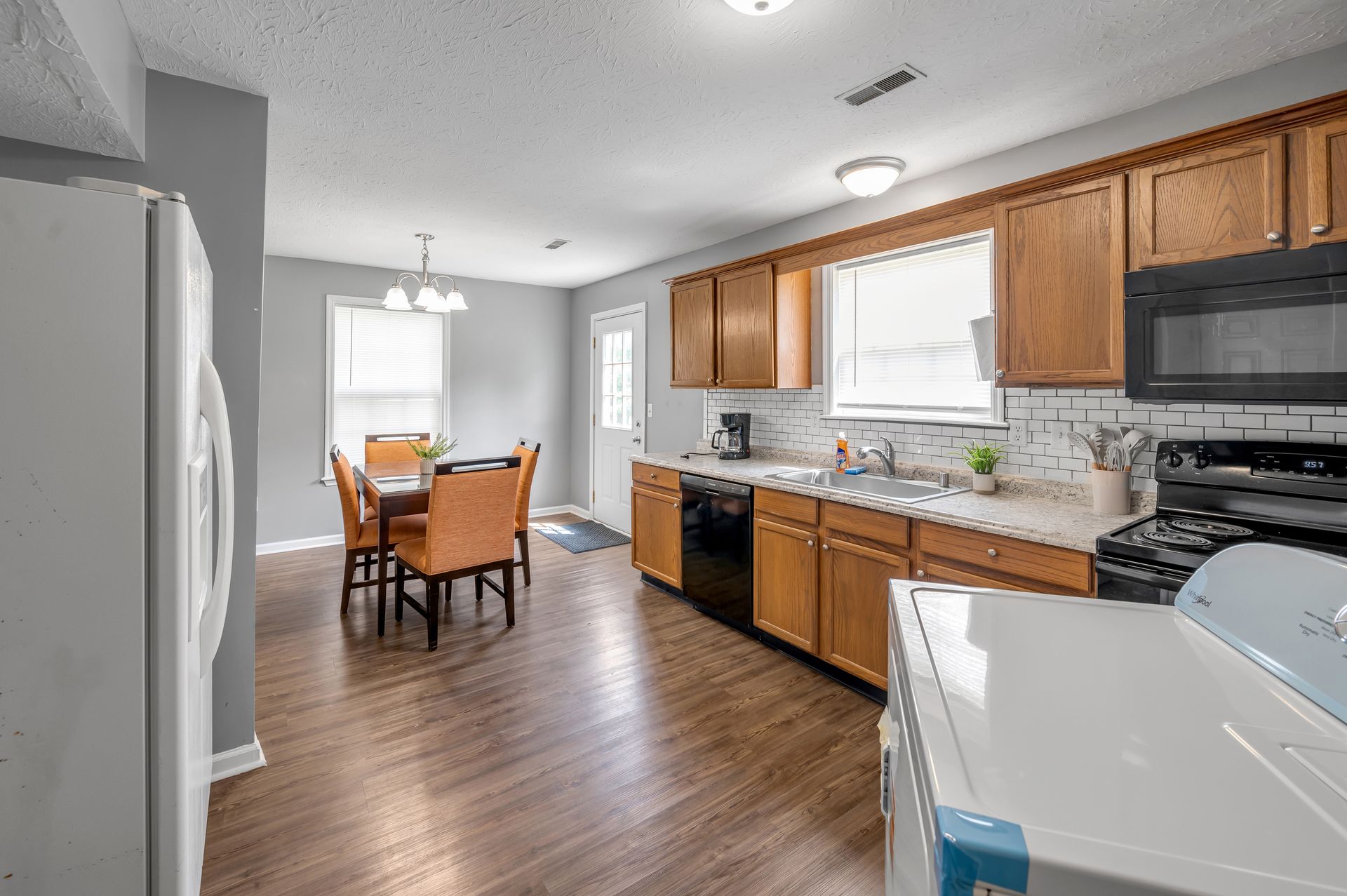
| Meals | Every meal bought, no kitchen | Full kitchen, groceries instead |
| Laundry | Off-site, on crew time | Washer and dryer on site |
| Commute | Whatever room availability dictates | Sourced near the job site |
| Billing | Individual folios, receipt chasing | One monthly invoice |
| Extension | Re-book at prevailing rate | Lease extension |
The Flexibility You're Paying For and Never Use
Hotels charge a premium for the ability to cancel. It's real, it's baked into the rate, and on most crew stays it buys you something you'll never touch.
Think about the last two years. How many times did a crew leave a site early enough that nightly cancellation actually saved you money? For most companies it's close to zero. Jobs run long far more often than they run short. You're paying an insurance premium against an event that doesn't happen, on every room, every night, the entire stay.
And the flexibility you do need, the extra three weeks because the inspection slipped, is the thing a hotel handles worst.
A hotel is priced for someone who might leave tomorrow. Your crew isn't leaving tomorrow.
Rate Creep
A hotel rate isn't fixed. It moves with demand, and it moves against you at the exact moment you have the least ability to walk. Crew's embedded, job's running, site is twenty minutes up the road, and the property knows all of it. Extend into a busy season or a local event weekend and the rate you budgeted is gone.
Extensions don't arrive as one clean decision either. Three more weeks, then two more, then a month, each re-priced at whatever the market's doing that week. Nobody ever approves the cumulative number because the cumulative number never lands on a single page.
A lease doesn't work that way. The rate you sign is the rate you have. On any project long enough to hit a schedule change, which is most of them, that predictability is worth real money. We get into how to build it into a budget in our complete guide to budgeting for crew housing.
The Admin Nobody Codes to the Job
Someone is booking rooms. Someone takes the call when a room isn't ready at 9pm. Someone reconciles twelve folios against a per diem policy at month end. Someone explains to a crew member why his card got charged.
Usually that's a project coordinator or an office manager or a super with better things to do, and their hours almost never get coded to lodging. Real cost, recurring, and absent from every hotel-versus-housing comparison anybody actually runs.
With dedicated housing that work collapses into one invoice and one contact. Not glamorous. It's the difference between four hours a week on lodging admin and zero.
What the Full Comparison Usually Shows
Two things tend to happen once companies run the complete numbers.
The gap comes out wider than expected, because four separate costs were all sitting on the same side of the ledger, uncounted. And the gap points the other direction from what the nightly rate suggested. The option that looked expensive per month was the cheaper option per project the whole time.
None of which means dedicated housing always wins. Five nights for two people, take the hotel, and anyone telling you different is selling something. Short stays, small crews, genuinely uncertain end dates: hotel territory. That's what hotels are for.
Past about thirty days with a crew of any real size, though, the arithmetic changes shape, and most companies have never sat down and watched it change. Our overview of the different types of construction crew housing breaks down which model fits which project.
The Column That Never Makes the Spreadsheet
A crew sleeping in separate rooms twenty-five miles out, eating restaurant food for ninety straight days, hauling laundry to a laundromat on their one day off, shows up on site a little more worn down every week. Fatigue turns into rework, missed details, guys who don't come back for the next job. We've written about how that compounds in our look at the ROI of crew housing.
You can't put a clean dollar figure on it and we're not going to pretend otherwise. But it belongs in the decision. Your crew feels it long before your budget does.
Run Your Own Numbers
Every figure above is an illustration. Your crew size is different, your market's different, and your project length, per diem policy, and quoted rate are all yours.
The point was never a percentage. It's that the next time someone in a budget meeting says the hotel is cheaper, the room knows which four costs are missing from that sentence and can ask for the real total.
If you've been running on the nightly rate because assembling the full picture felt like more work than it was worth, fair enough. It's tedious to do by hand. So we built the thing that does it.
SEE YOUR REAL NUMBER
If you've never run the full cost of a hotel stay against dedicated crew housing, enter your email below and we'll unlock the cost calculator right here, so you can see the real number for your own crew and your own project.
You're all set.
Access The True Cost of Crew Housing Calculator