Planning Crew Housing During Peak Construction Season
It’s that time of year again. From June through September, construction projects across the country ramp up. Weather conditions are favorable, demand is high, and crews are running full force.
It’s also the time of year when project managers face one of the most avoidable yet underestimated bottlenecks: housing their crews.
You’d be surprised how many projects fall behind—not because of materials or labor shortages—but because someone didn’t plan properly for where the crew would stay.
At Hard Hat Housing, we’ve seen the full spectrum: teams arriving with smooth check-ins and fully functional homes, and teams scrambling for overpriced hotel rooms because housing wasn’t secured in time.
Let’s walk through
three common mistakes PMs make during peak season, how those mistakes ripple through your timeline and budget, and what you can do to avoid them entirely.
Mistake #1: Waiting Too Long to Book
One of the biggest misconceptions in construction project planning is that crew housing is a last-mile detail. The idea that you can finalize your labor contracts, set your start date, and then think about accommodations? It’s a dangerous assumption—especially in summer.
Why this matters:
During peak season, short-term rentals and housing suitable for crews are often booked months in advance. That’s not just because of other construction teams—it’s also the vacation season. Airbnb-style properties get scooped up by travelers, families, and remote workers, shrinking your available pool.
Real consequences we’ve seen:
- Teams split across multiple locations far from the site
- Crew leads sleeping in trucks or office trailers
- Emergency hotel bookings eating up the project’s margin
- Delays because half the team didn’t get adequate rest
Pro Tip:
Book housing as soon as you lock in your crew. Treat it like equipment or permits—it’s part of the build, not an afterthought.
Mistake #2: Failing to Account for Change
If you’ve managed even one construction project, you already know: timelines shift, scopes expand, and headcounts fluctuate.
So why do so many PMs lock into fixed housing contracts with no room to adjust?
What can go wrong:
- A project runs longer than expected, but the property is already booked for someone else next month.
- You bring in extra subcontractors mid-project, but there’s no space for them.
- A crew member has to leave unexpectedly, but you’ve pre-paid for an entire room.
Our Recommendation:
Always work with housing partners who build flexibility into the agreement. At Hard Hat Housing, we provide contingency clauses that allow for early exits, extensions, or substitutions. It’s construction—rigidity doesn’t work.
Mistake #3: Assuming Hotels Will Do
This is the classic fallback when things don’t go as planned. We get it—hotels are convenient, familiar, and easy to book with a corporate card. But they’re also expensive, and more importantly, ineffective for most crew needs.
| Feature | Hotel | Hard Hat Housing |
|---|---|---|
| Cost (avg. per week) | $700–$1,200 | $500–$800 |
| Kitchen | Often minimal or non-existent | Full kitchen with cookware |
| Laundry | Usually paid + off-site | In-unit, free |
| Parking | Limited, not trailer-friendly | On-site |
| Sleep Quality | Hallway noise, shared walls | Private/semi-private rooms |
| Privacy | Little to none | Flexible room options |
Let’s compare:
More importantly, hotels can feel impersonal. Crews coming off 10-12 hour shifts want space—to cook a meal, video call their kids, or just be alone for a few minutes. Hotels don’t provide that.
So What Should You Do Instead?
The smartest project managers build a housing plan just like a construction plan. It includes:
- A list of vetted housing options near the site
- Flexible timelines and scalable room counts
- Clear communication with a housing coordinator
- Contingency plans for delays, early exits, or weather setbacks
- Homeowner agreements structured around crew habits and needs
And if you’re not sure where to start? That’s where we come in.
What Hard Hat Housing Does Differently
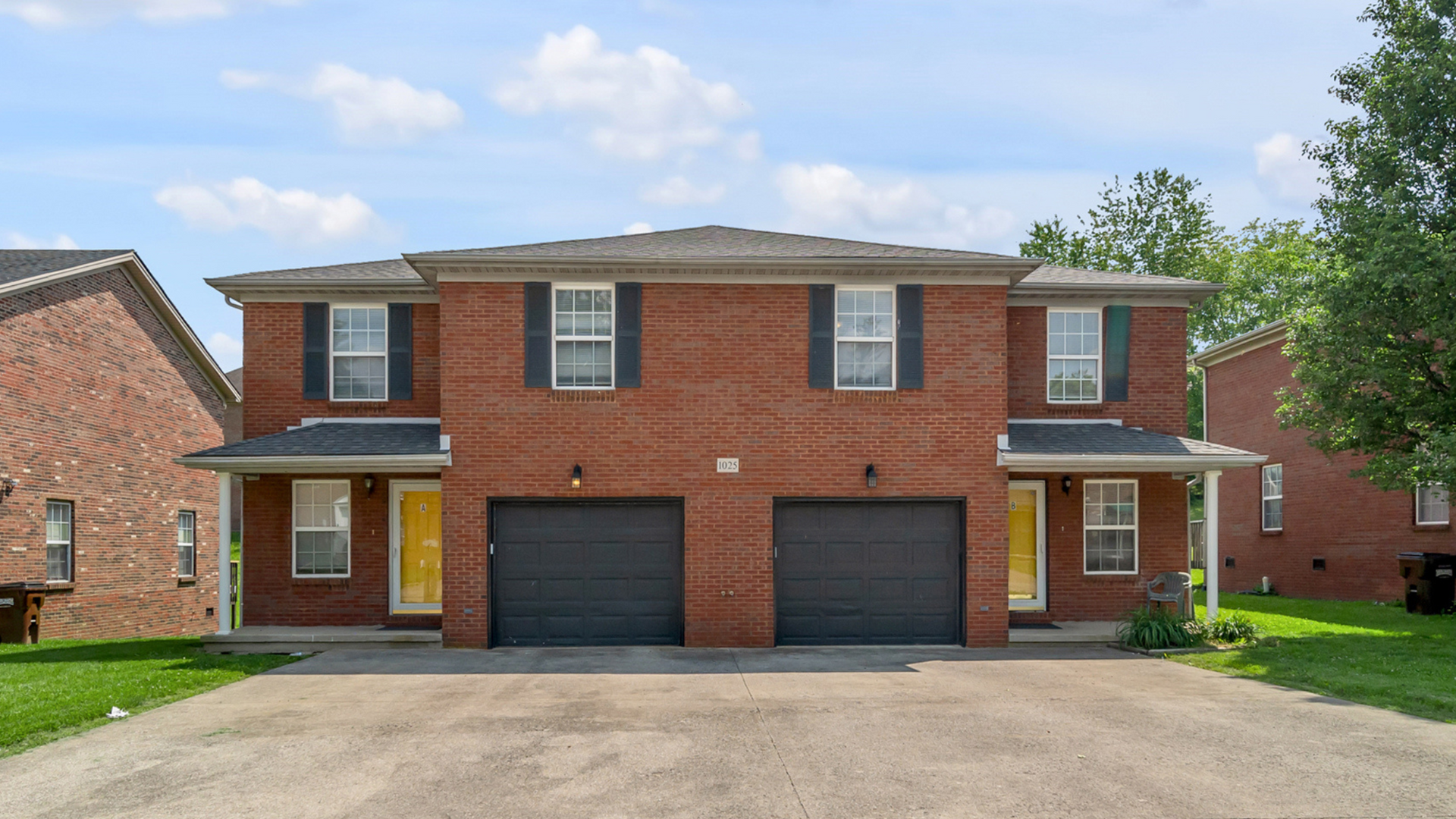
We specialize in one thing: crew housing that works. Not for families on vacation. Not for weekend guests. But for full-time working professionals in the trades.
Here’s what you get when you partner with Hard Hat Housing:
- Pre-vetted homes: Every property meets a checklist for safety, accessibility, cleanliness, parking, and functionality.
- Flexible agreements: We allow for timeline shifts, crew changes, and project pivots without penalizing your budget.
- End-to-end coordination: We handle scheduling, communication with property owners, cleaning, maintenance, and emergencies—so you can stay focused on the build.
- Dedicated support: If something goes wrong, we don’t send you a hotline. We pick up the phone and fix it.
If you’re heading into peak season without a crew housing plan—or relying on last-minute hotels—you’re gambling with your timeline, your budget, and your crew’s well-being.
The best project managers don’t just schedule builds. They schedule everything around those builds—including where their people sleep.
Want help getting started?
Call us today at 859-575-0662 or fill out this form. Let’s get your team housed—before it’s too late.