Eco Smart Rentals: Better Construction Choices Now
Choosing the right housing for construction crews goes beyond convenience and cost. It also has a significant impact on the environment. Midterm rentals offer a more eco-friendly option compared to traditional housing choices like hotels. They help reduce carbon footprints and promote more sustainable living practices—two important goals for companies committed to green building principles.
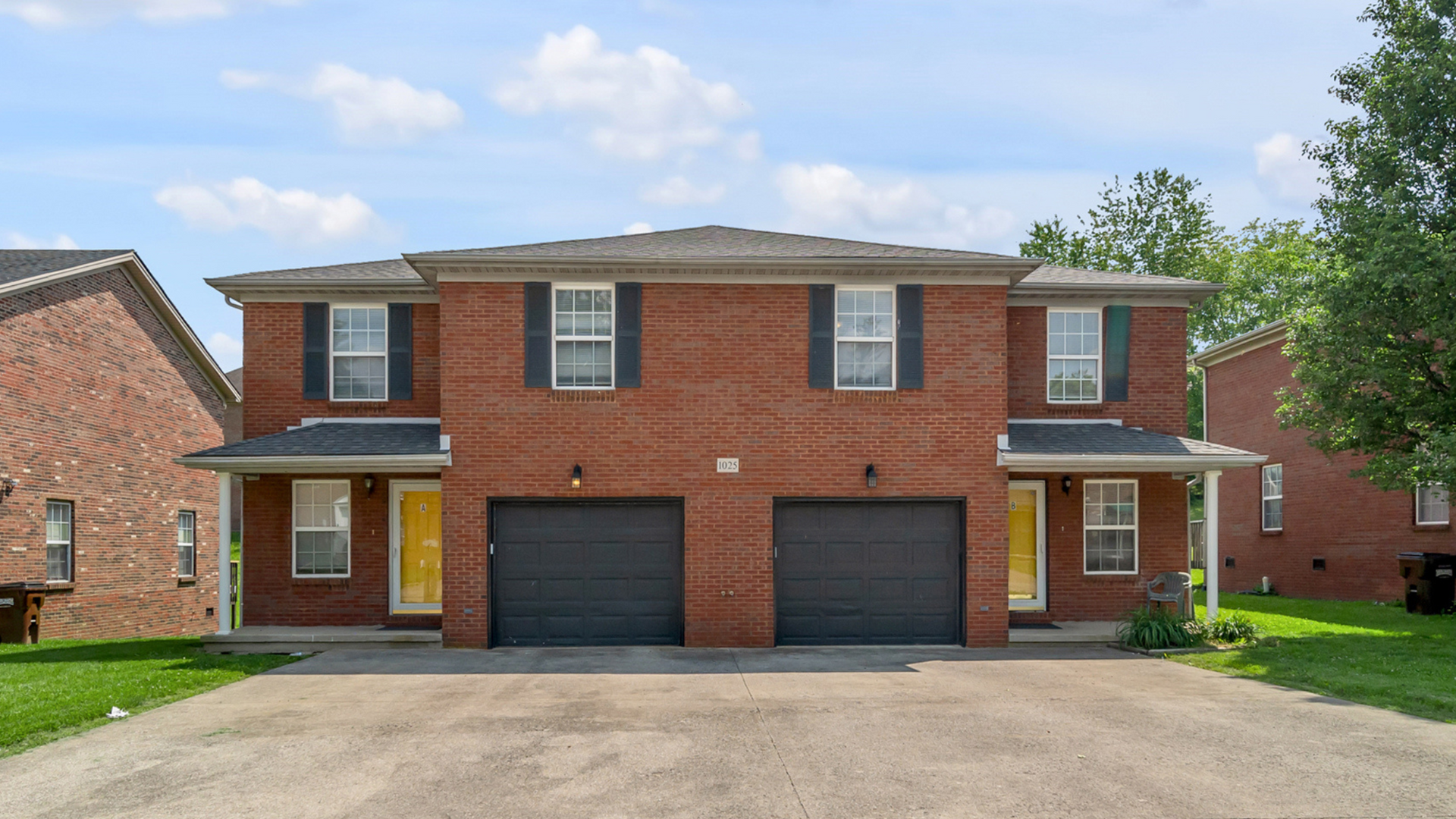
Midterm rentals offer many environmental benefits. They are often located close to job sites, which cuts down on commute times and reduces vehicle emissions. Additionally, these rentals are more energy-efficient than extended hotel stays, consuming less power and water overall.
These environmentally friendly choices not only benefit our planet but also help construction companies practice corporate environmental responsibility. Embracing midterm rentals aligns well with green building initiatives and supports the sustainable goals of modern construction projects.
Why Go for Midterm Rentals
1. Reducing Carbon Footprint with Midterm Rentals
Unlike hotels, which require higher energy consumption for heating, cooling, and lighting, midterm rentals are often designed to be more energy-efficient.
Staying in one place for an extended period means fewer turnovers and less frequent housekeeping, which also reduces overall energy use. As a result, midterm rentals have a smaller carbon footprint, contributing to a greener environment.
Fewer commutes are another significant benefit of midterm rentals, especially when located near job sites. Minimizing travel between home and work reduces vehicle emissions. This reduction in daily travel not only saves time but also promotes a cleaner atmosphere.
Efficient use of resources in these rentals translates to reduced greenhouse gas emissions. By opting for midterm rentals, construction companies can make a positive environmental impact and support energy conservation efforts.
2. Sustainable Living with Fully Furnished Properties
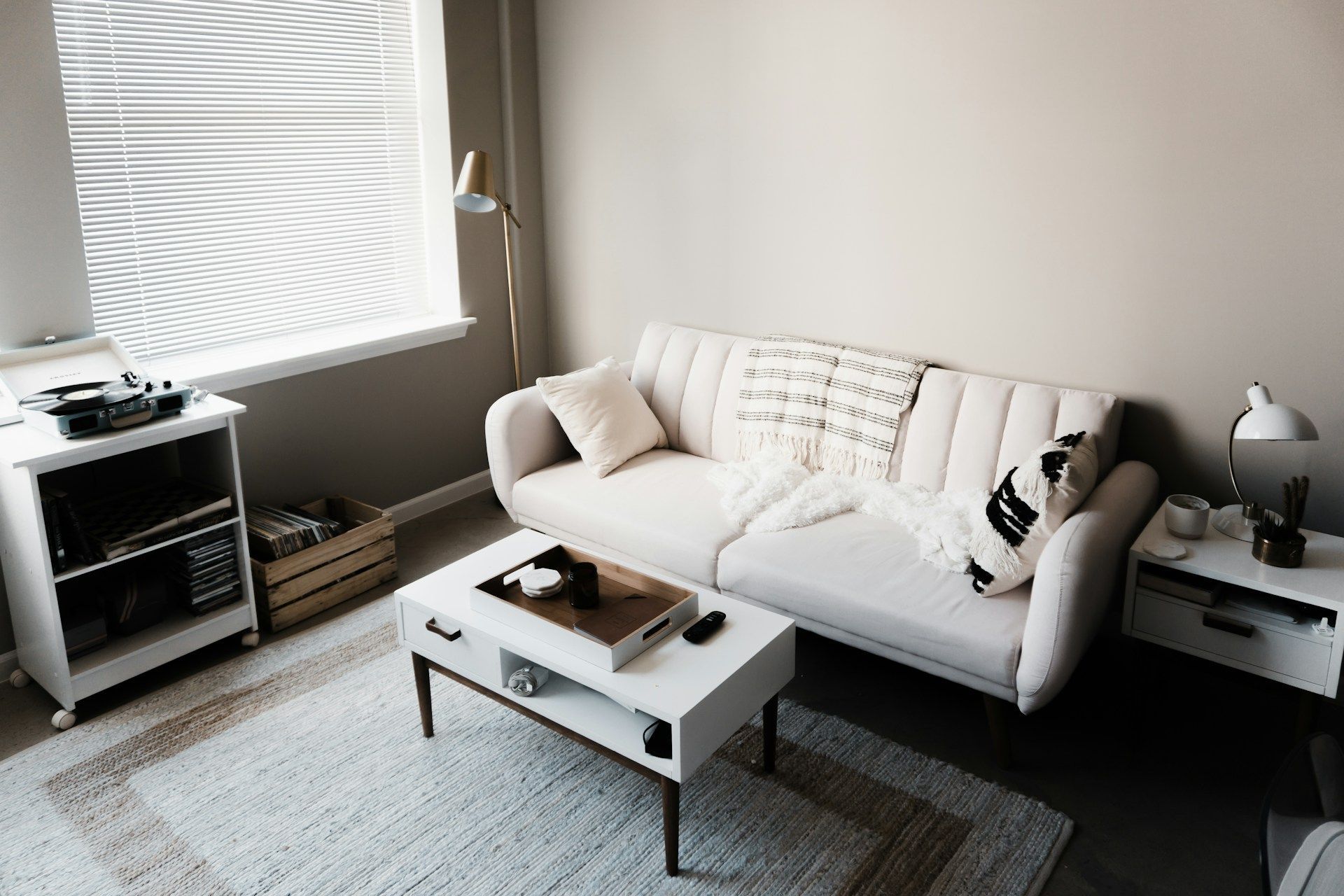
Fully furnished rentals offer several benefits in terms of waste reduction. When rentals come furnished, there is no need to buy new furniture and appliances, which reduces waste from packaging and potential disposal of temporary items. Using existing furniture also limits the demand for new products, thereby conserving resources and lowering the environmental impact.
Reusing furniture and appliances contributes significantly to sustainability. Each time furniture is reused, the environmental cost of manufacturing and transporting new items is avoided. This reuse not only saves money but also helps reduce landfill waste. By providing durable and long-lasting furniture, midterm rentals promote a cycle of reuse and sustainability.
Regular cleaning services in these properties maintain energy efficiency and reduce waste. Keeping the property clean ensures that appliances function smoothly, extending their lifespan and reducing the need for replacements.
Monthly cleanings help preserve the quality of the rental, ensuring it remains a comfortable and eco-friendly option for construction crews.
3. Conservation of Resources Through Shared Amenities
Shared amenities in midterm rentals offer numerous environmental benefits. Laundry facilities, communal kitchens, and other shared spaces help conserve water and energy. When multiple households use the same appliances, it reduces the overall consumption of these resources. Shared amenities mean fewer appliances are needed, which lowers the manufacturing impact and reduces waste.
Communal living further adds to these benefits. When people share common areas and amenities, the environmental impact of each person’s footprint is reduced. Using shared kitchens can decrease the need for multiple sets of kitchen appliances and cookware.
This communal approach promotes sustainability and helps construction crews live in a way that's kinder to the planet while maintaining their comfort and convenience.
4. Supporting Sustainable Practices in Construction
Choosing midterm rentals encourages sustainable practices within the construction industry. When companies opt for these eco-friendly housing solutions, they support the reduction of waste and energy consumption. This decision helps construction firms align with green building standards and enhances their reputation for corporate responsibility.
Sustainable housing solutions show that a company values not just efficiency but also the health of the planet. Hard Hat Housing’s midterm rentals are designed to align with green building initiatives and support sustainable project goals. These rentals are located close to job sites, furnished with durable items, and come with shared amenities that conserve resources.
By choosing our midterm rentals, construction companies can stay on track with their environmental objectives while ensuring their crews have a comfortable and convenient living space.
Conclusion
Sustainable housing is vital for the modern construction industry. By selecting midterm rentals, companies can significantly reduce their carbon footprint and promote eco-friendly living.
For construction companies looking to enhance their green practices, midterm rentals are an excellent choice. They provide a comfortable and convenient living space for crews while supporting broader environmental goals. The benefits extend beyond the individual crew members to the company’s reputation and the planet's health.
Hard Hat Housing offers various midterm rental properties designed to meet the specific needs of construction crews. Ensure your next project contributes positively to the environment by choosing eco-friendly housing solutions.
Contact us today to learn more about our sustainable midterm rentals for construction teams.