
The Perks of Near-Job-Site Housing for Construction Teams
Providing convenient housing for construction crews is a game-changer for construction companies. When employees live close to the job site, they experience shorter commute times, leading to more rest and higher productivity. Near-job-site housing not only saves time but also significantly contributes to the overall well-being and satisfaction of the workers.
Construction projects often have tight schedules and demanding workloads. Long commutes can drain energy and reduce the efficiency of the workforce. With housing located near the job site, workers can arrive on time and start their tasks refreshed and ready. This proximity helps in maintaining the momentum of the project and meeting deadlines more effectively.
The benefits of near-job-site housing go beyond just reducing commute times. It also has a positive impact on the overall budget and management of the project. Housing options that are fully furnished and equipped with essential amenities reduce the need for additional expenses and logistical arrangements.
Streamlining the housing process for construction crews not only benefits the company but also improves the quality of life for the workers. Happy and well-rested employees are more engaged and productive, which ultimately leads to the successful completion of construction projects.
Reduced Commute Time and Increased Productivity
Near-job-site housing significantly reduces commute times for construction workers. Shorter commutes allow employees to spend less time traveling and more time resting. This extra rest translates directly into increased productivity. When workers arrive at the job site feeling rejuvenated, they can focus better and work more efficiently. This improved productivity helps keep projects on schedule and can even shorten project timelines.
Reduced commute times also lead to better punctuality. Workers living close to the job site are less likely to face traffic delays or other transportation issues that can cause lateness. Timely arrival ensures that the day's work starts as planned and that all tasks proceed smoothly. Consistent punctuality from your crew sets a professional tone and improves overall workflow.
Additionally, being close to the job site helps in quick response to any urgent needs or emergencies that arise. Workers can be called in at short notice and reach the site quickly. This flexibility makes it easier to handle unpredictable challenges, improving the team's adaptability and responsiveness.
Enhanced Worker Satisfaction and Well-being
Housing located near the job site positively impacts worker satisfaction and well-being. When employees have access to fully furnished, comfortable living spaces close to their work, their overall quality of life improves. These living conditions create a healthy balance between work and personal life, allowing workers to relax more and cope better with the demands of their job.
Enhanced living conditions reduce stress levels among workers. Access to amenities such as high-speed internet, laundry facilities, and fully equipped kitchens make daily life more convenient. Workers are able to manage personal activities more efficiently, contributing to their overall happiness and satisfaction.
A supportive living environment also boosts morale. Workers who feel valued and looked after are more likely to be loyal and committed to their job. Higher morale often translates into increased engagement and enthusiasm for work tasks. This positive energy can uplift the entire team and improve project outcomes.
By promoting well-being through better living conditions, construction companies can reduce turnover rates. Satisfied employees are more likely to stay with the company longer, leading to a more experienced and cohesive team. This lasting impact on worker satisfaction underscores the importance of investing in near-job-site housing.
Cost Benefits of Near-Job-Site Housing
Near-job-site housing offers significant cost benefits for construction companies. One of the most noticeable savings is the reduction in travel expenses. Shorter commutes mean fewer fuel costs and reduced wear and tear on vehicles. These savings add up over time, especially for large crews that might otherwise travel considerable distances daily.
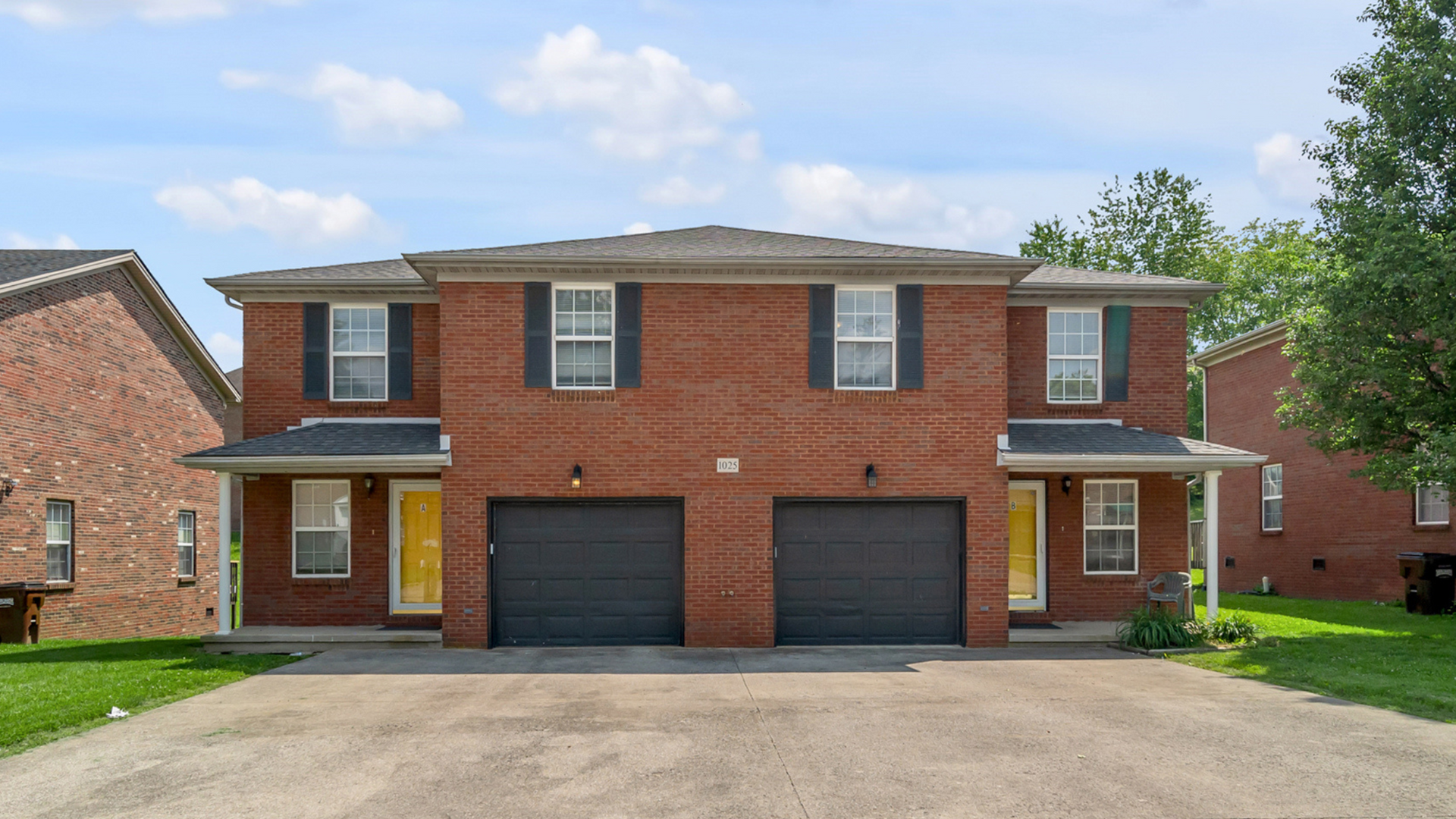
Renting midterm housing near the job site also saves on lodging costs compared to hotel stays. Fully furnished apartments and houses provide a more cost-effective solution and offer the added benefit of homelike amenities. Workers can cook their meals, do laundry on-site, and enjoy more space, all of which contribute to lower daily costs.
Another cost-saving aspect is the decrease in absenteeism and tardiness. With workers living close to the site, the chances of delays due to traffic or transportation issues drop significantly. Stable attendance ensures that work progresses smoothly and reduces the need for overtime pay to meet deadlines. Overall, near-job-site housing contributes to a more predictable and manageable budget.
Streamlined Management and Operational Efficiency
Streamlining the housing process for construction crews boosts operational efficiency. When housing is close to the job site, it simplifies logistical planning. Managers spend less time coordinating transportation and more time focusing on the project's core tasks. This efficiency translates to smoother operations and fewer disruptions.
Near-job-site housing also reduces the administrative burden on construction companies. Dealing with multiple housing arrangements can be complex and time-consuming. Midterm rentals, often equipped with services like monthly cleaning, reduce the need for ongoing maintenance and staff involvement. This organized approach allows project managers to allocate resources more effectively.
Moreover, flexible lease terms offered by midterm rental properties add adaptability to project timelines. Construction projects are often subject to changes, and having housing options that can adapt to these changes reduces stress and ensures continuity. This flexibility maintains the project's momentum and minimizes downtime.
Conclusion
Investing in near-job-site housing for your construction crew offers numerous advantages. Reduced commute times lead to increased productivity and better punctuality. Enhanced living conditions improve worker satisfaction and well-being, resulting in lower turnover rates and a more motivated workforce. The cost benefits are clear, from savings on travel and lodging to reduced absenteeism. Streamlined management of housing logistics and flexible lease terms ensure operational efficiency and adaptability to project needs.
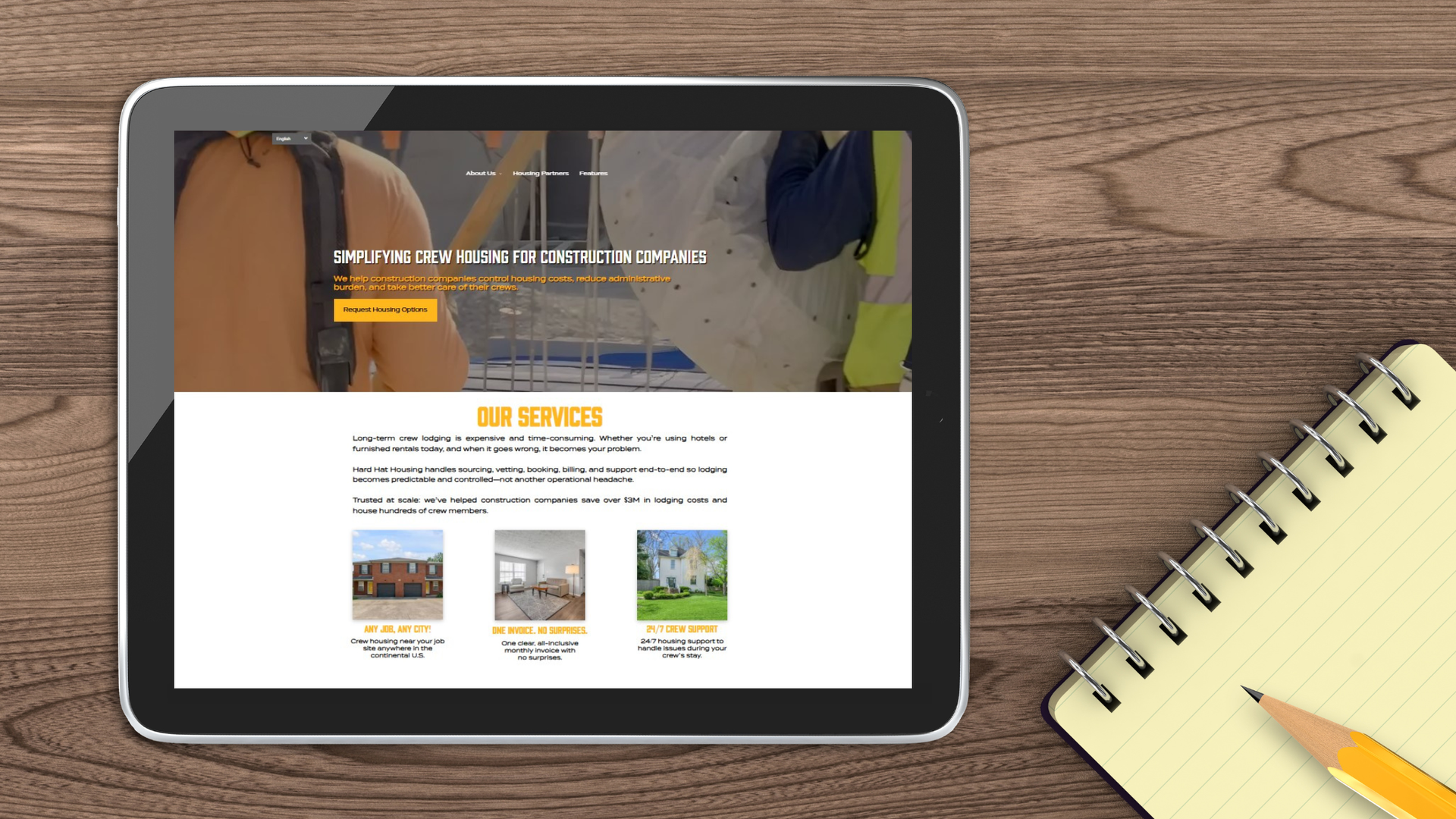
Hard Hat Housing understands these benefits and is committed to providing top-tier midterm rental properties for construction companies. With us, you can ensure your crew has a convenient, comfortable place to stay, allowing them to focus fully on their work.
Ready to optimize your
construction worker housing arrangements and boost your project's success? Contact Hard Hat Housing today to find out more.