
Leasing Vs. Pay Per Diem: Which Is Best For You?
Did you know that making the right choice between leasing or paying per diem for your construction crew housing can significantly impact your project’s budget and efficiency? This decision is critical, especially if you are managing a traveling construction crew. Selecting the right option not only affects your immediate financial expenditure but also influences the overall productivity and satisfaction of your crew. In this comprehensive guide, we will dive deep into the factors to consider when deciding between leasing options or paying per diem. By understanding the pros and cons of each, you will empower your business to make informed choices that benefit both your budget and your team.
Transitioning to discussing what it means to lease versus pay per diem, let us start with a clear definition and description of both options.
Understanding Leasing vs. Pay Per Diem
Leasing involves negotiating a contract with housing providers where you agree to pay a set amount for an accommodation over a specified period. This often means a commitment to housing that can last for weeks or even months. On the other hand, a pay per diem model allows you to pay for housing on a daily basis. This choice may include renting hotel rooms or other short-term accommodations and is generally more flexible.
Evaluating Costs
When it comes to finances, transparency is key. A core factor in any decision-making is understanding costs. Let’s break down the cost implications of both leasing and pay per diem arrangements.
1. Leasing Costs: The initial cost of leasing can seem high, but it often proves to be more economical in the long run if the project spans several weeks or months. With a long-term lease, you can often secure discounted rates and save on additional costs associated with frequent relocations.
2. Per Diem Costs: Paying per diem can lead to higher costs over a longer project duration. Although it may appear cheaper for shorter projects, the costs quickly add up for extended work times. Moreover, per diem accommodations might not always provide the best quality or amenities that a leased facility would offer.
Assessing Flexibility
Flexibility is another crucial factor to consider.
- Leasing: Once you commit to a lease, it can be difficult to back out or modify. You’re bound by the terms, which can complicate matters if project timelines change.
- Pay Per Diem: This option offers much more freedom. If your crew needs to move or if project locations shift, you can adjust your arrangements with ease.
Living Conditions and Crew Satisfaction
The living conditions you choose can have a significant impact on worker satisfaction and productivity. Understanding how housing influences your crew is essential.
- Leased Homes or Apartments
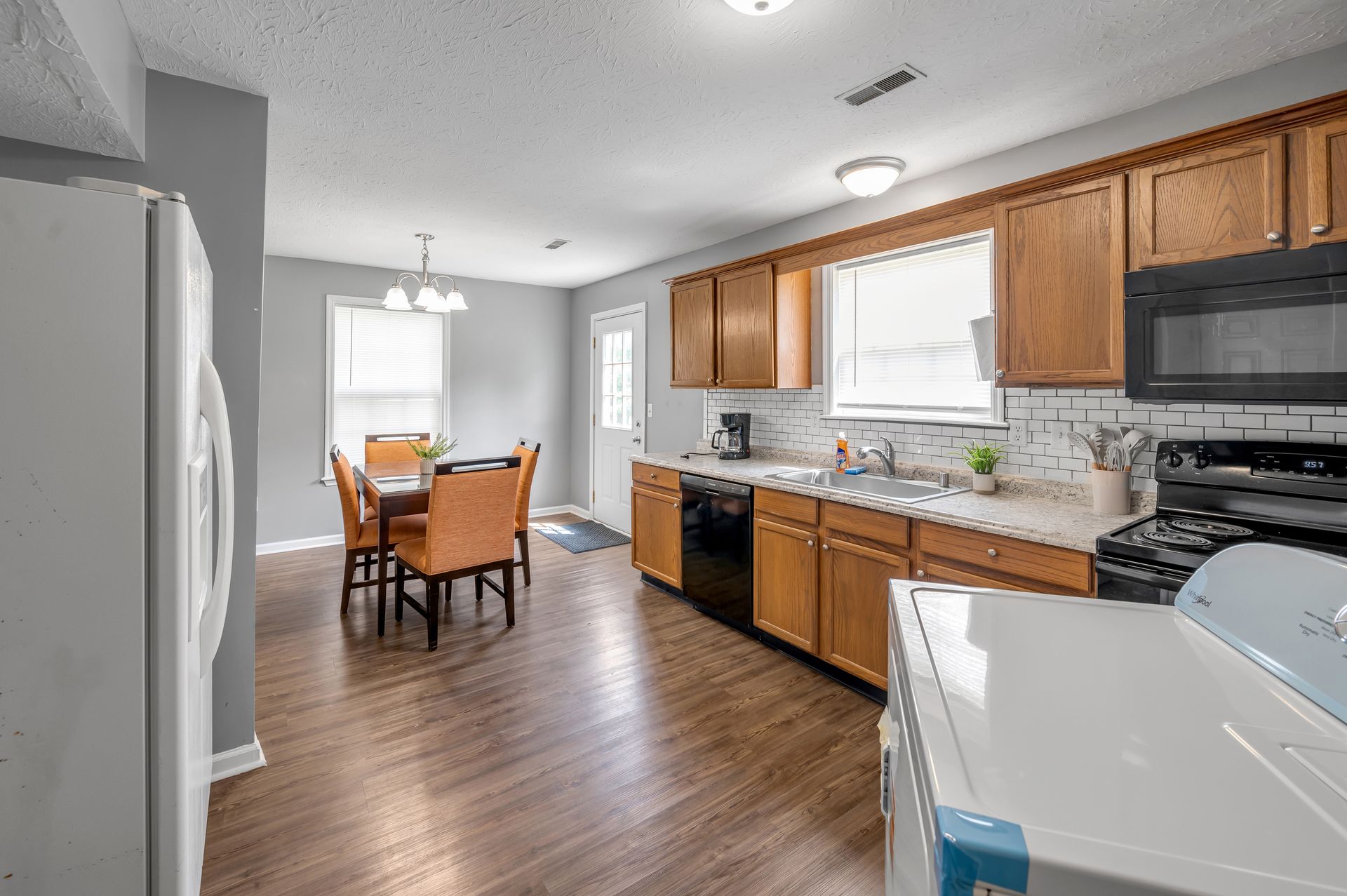
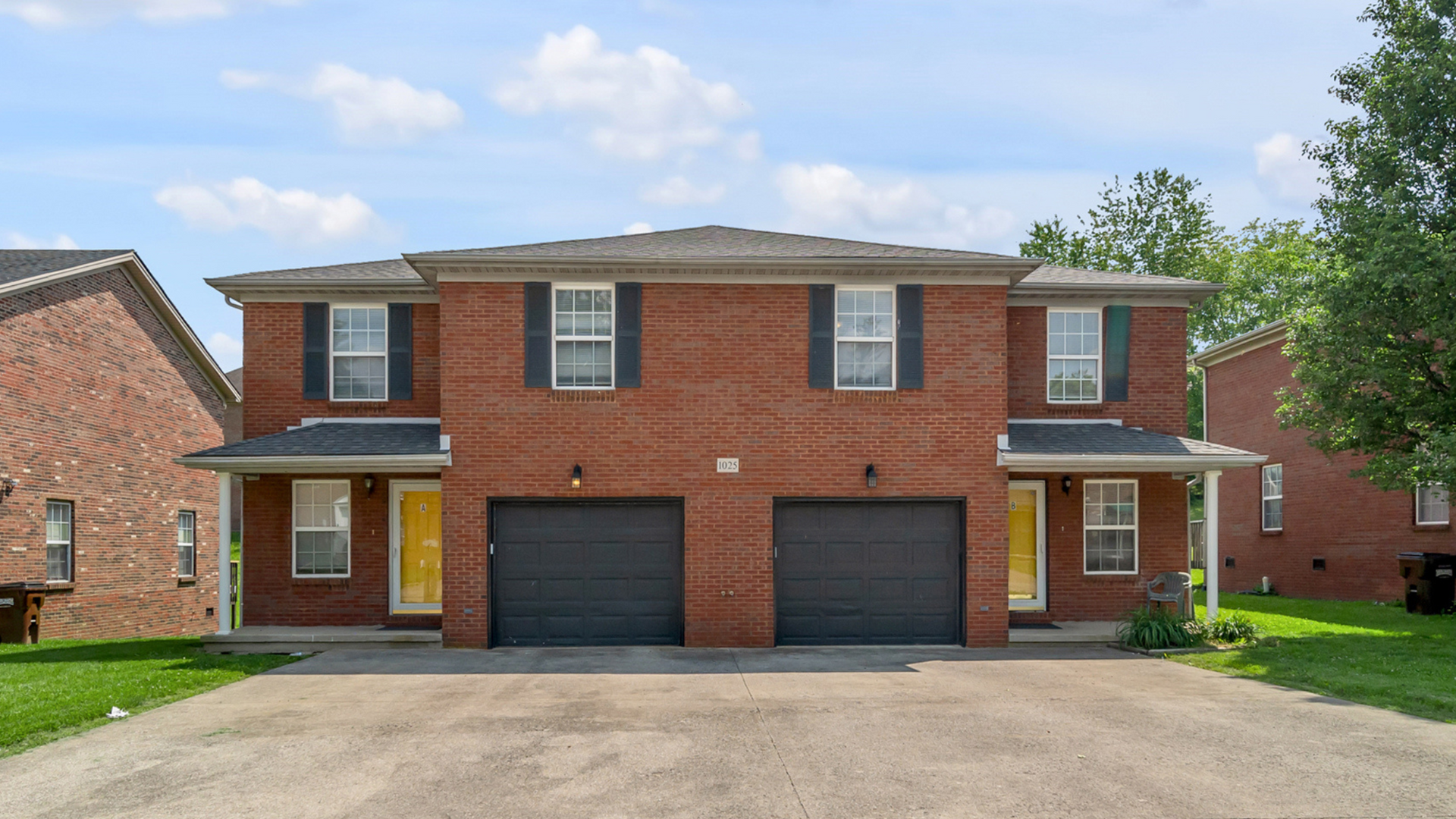
tend to offer more space, privacy, and amenities than hotels. Crews may have access to kitchens, living areas, and communal facilities, which can enhance their overall comfort and community feel.
- Pay Per Diem Accommodations generally consist of hotels or temporary stays. While they might offer immediate flexibility, the lack of personal space and home-like conditions can lead to dissatisfaction and diminished performance over time.
Workforce Stability
Stability is crucial for a successful project. One large convenience of leasing is providing a stable living environment for your workers, which contributes to overall morale and productivity. Payload and location changes often lead to turnover in temporary environments.
Team Dynamics and Morale
Working in one location fosters strong team dynamics, while frequent changes can lead to dissatisfaction. It has been seen that teams that reside together tend to bond better, leading to improved teamwork and communication. In contrast, fluid arrangements segmented by per diem may compromise these relationships.
Tax Considerations
There are tax implications involved with each option as well. Oftentimes, paying per diem may allow you to deduct costs depending on how they are structured, while leased properties present different tax treatment. Detailing these out with a financial advisor acquainted with your unique situation should be paramount before making any decisions.
Conclusion - So What’s Next?
Choosing between leasing or paying per diem for crew accommodations comes down to analyzing your project requirements against overall cost efficiency, comfort, crew satisfaction, and flexibility. Long-term projects often benefit from leasing arrangements that offer stability, while short-term or highly dynamic projects might prefer the flexibility of a pay per diem approach.
Ultimately, whatever decision you reach, it’s essential to prioritize the well-being of your teams and the financial health of your project. Take the time to assess the unique demands of your specific construction efforts and make an informed choice.
As you consider your options,
contact us for personalized insight tailored to your needs. Our experts are ready to guide you and provide the intimate knowledge necessary to strategically enhance your project.
Your choice can shape the future of your projects significantly, so ensure you bet on the best option for you and your team.
The route to effective decision-making always begins with thorough research—start now, and drive your construction successes forward!