
There's a moment most rental property owners know well. A tenant moves out, and before you can even take a breath, the checklist starts writing itself. Deep clean. Touch-up repairs. Photographs. Listing updates. Screening calls. Showings. Background checks. Lease signing. Key handoff. And then, a few months later, the whole cycle starts over again.
It's exhausting — not because any single step is overwhelming, but because the repetition never seems to stop.
This Easter, while families are gathering and the pace of life slows down for a weekend, it's worth asking a quiet question: when was the last time your rental property actually let you rest? Not just financially, but operationally. When was the last time you went months without thinking about a tenant transition?
If that question hits a nerve, you're not alone. And the answer might be simpler than you think.
The Hidden Workload Behind Every Tenant Change
Most homeowners focus on the financial side of vacancy — the lost rent between tenants. And that's a real cost. But the operational workload that comes with each transition is the part that wears people down over time.
Every tenant change triggers a full reset. The property needs to be inspected, cleaned, and made ready for someone new. Anything that needs repairing gets added to the list. Then there's the marketing — updating listings, responding to inquiries, scheduling showings, screening applicants. Even with a good property manager, there's still coordination involved. Decisions to make. Updates to review. Timelines to track.
For homeowners managing things themselves, it's even more consuming. Each turnover can eat up days of your time — time spent driving to the property, meeting contractors, fielding calls, and handling paperwork. It's not just one task. It's a cascade of small tasks that stack up quickly.
And here's the part that rarely gets talked about: the mental load. Even when you're not actively doing something, the awareness that a transition is coming — or that one just happened and you need to make sure everything went smoothly — sits in the back of your mind. It's a low-grade hum of responsibility that doesn't switch off just because it's a holiday weekend or a Tuesday evening.
What Changes When Tenants Stay Longer
The math here is straightforward, but it's worth spelling out because the difference is real.
If you're turning over tenants every three to six months, you might be going through that full reset cycle two to four times a year. That's two to four rounds of cleaning, repairs, listing, screening, and onboarding. Each one costs time, money, and energy.
Now compare that to a tenant who stays for twelve months. Or eighteen. Or longer. Instead of cycling through the reset process multiple times a year, you go through it once — maybe not even that, if the tenancy extends naturally.
That's not just less vacancy. It's fewer cleaning appointments. Fewer contractor calls. Fewer listing updates. Fewer evenings spent reviewing applications. Fewer weekends spent at the property making sure everything is ready. Fewer moments wondering whether the next tenant will be as good as the last one.
The cumulative effect is significant. Not dramatic in any single instance, but transformative over the course of a year. Your property quietly shifts from being something you're constantly managing to something that's simply working in the background — generating income, staying occupied, and requiring less of your attention.
The Emotional Side of Stability
There's a confidence that comes with knowing your property is occupied by someone who's staying. It changes the way you think about your rental entirely.
When tenant churn is high, there's always a low-level anxiety attached to the property. Will the next tenant pay on time? Will they take care of the place? How long will the gap between tenants last? Each transition reopens those questions, and each time, you're essentially starting from scratch with someone new.
When a tenant stays for an extended period, those questions get answered once — and then they stay answered. You develop a working relationship. You know what to expect. The uncertainty fades, and in its place, you get something that's surprisingly rare in the rental world: peace of mind that actually lasts.
For homeowners who've been through the churn cycle enough times, that stability isn't just convenient. It's a relief.
Why Crew Stays Naturally Reduce Churn
One of the reasons crew housing works well for homeowners who are tired of constant turnover is that the stay structure is inherently longer. Construction crews aren't looking for a place to stay for a weekend or a month. They need reliable housing for the duration of a project — which often means several months at a time, sometimes longer.
That means fewer transitions by design. You're not listing and re-listing the property every quarter. You're not cycling through a new batch of strangers multiple times a year. Instead, you have a stable group staying consistently, with a clear coordination structure in place and a single point of contact managing the details.
It's a fundamentally different rhythm. And for homeowners who've experienced the exhaustion of high-turnover rentals — whether that's short-term vacation guests or a string of tenants who never quite worked out — the contrast is noticeable almost immediately.
Less Churn Doesn't Mean Less Control
One concern that sometimes comes up is whether longer stays mean less visibility into what's happening at the property. It's a fair question, and the answer is important: reducing churn should never mean reducing communication.
The best low-churn rental arrangements are built on regular check-ins, clear documentation, and open lines of communication between the homeowner and whoever is managing the placement. You should always know who is in your property, how long they're expected to stay, and what condition the home is in. Fewer transitions doesn't mean fewer updates — it means fewer disruptions.
In fact, many homeowners find that longer stays actually improve communication, because the relationship has time to develop. Instead of starting over with a new tenant every few months, you're working with a consistent group and a consistent contact, which makes everything simpler.
Your Rental Should Work for You — Not the Other Way Around
If you've been through enough tenant transitions to feel the weight of the cycle, you already understand the value of stability. You don't need to be convinced that less churn is better. You've lived the alternative.
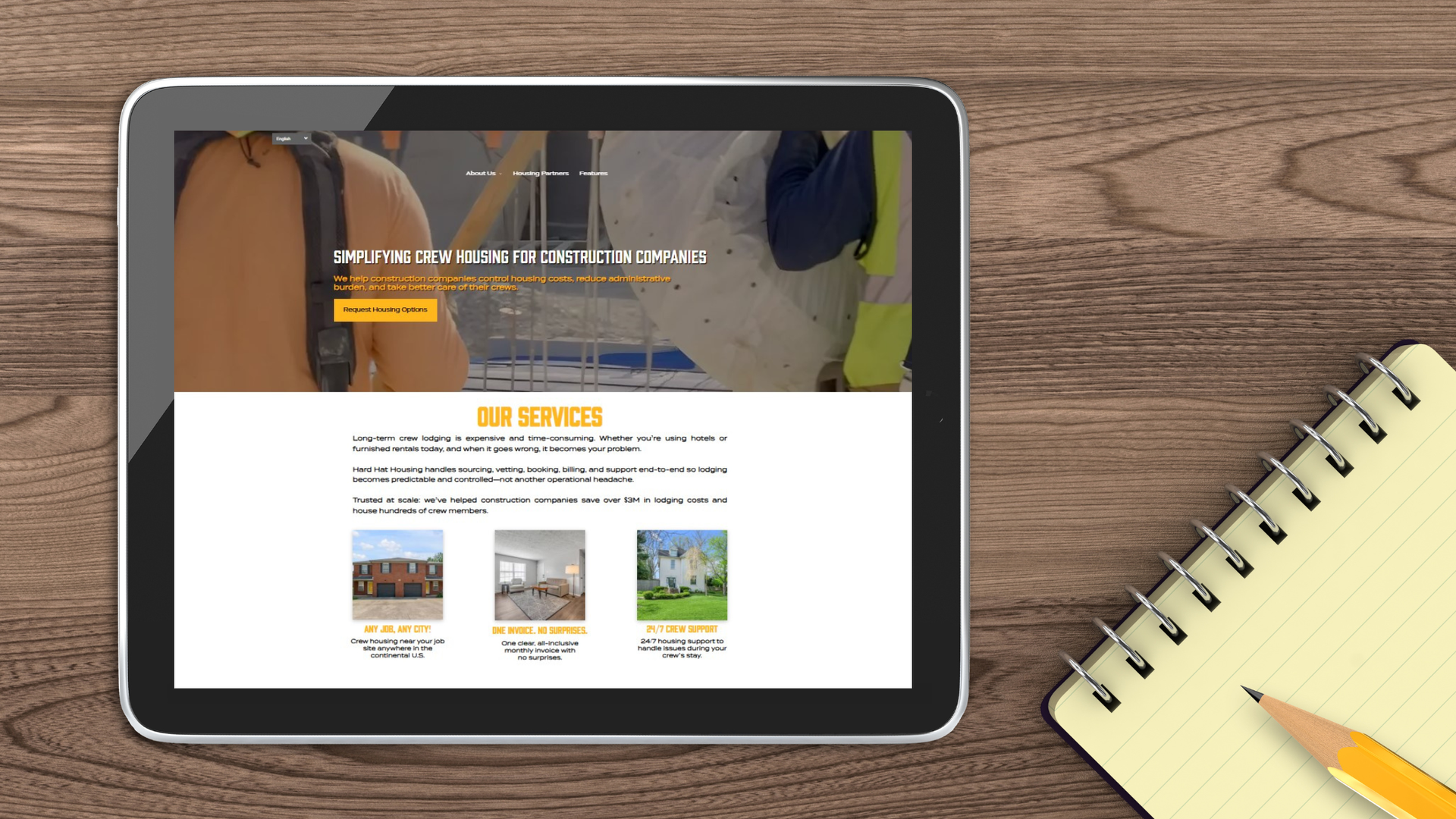
At Hard Hat Housing, we work with homeowners who've made the shift to longer crew stays and felt the difference firsthand — in their schedules, their stress levels, and their overall experience as property owners.
The Low-Churn Rental Strategy
How Fewer Tenant Changes Simplify Property Ownership — see how longer stays reduce turnover-related workload so you can see the operational difference in black and white.
Download the Free Guide