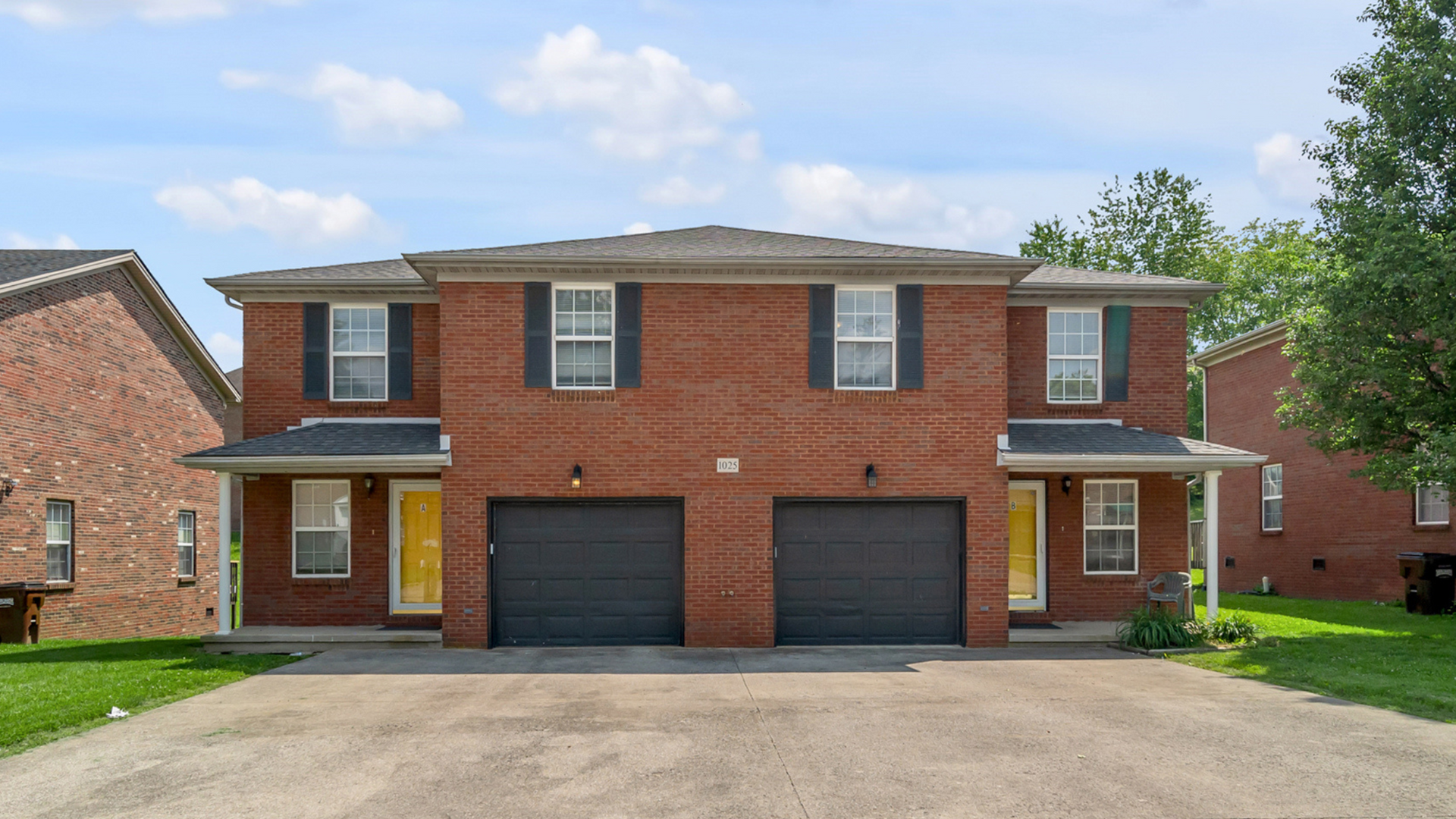

Every budget has a version of this moment: someone reviewing a line item — crew lodging, 90 days, 12 people — and deciding whether the number in front of them is real or optimistic.
If the housing is hotel-based, the honest answer is: it's optimistic. The rate on the approval form is the rate from day one. What actually gets paid at day 60 depends on demand patterns, local events, weekend pricing, and a dozen other variables the hotel controls and the company doesn't.
That's not a housing problem in the abstract. It's a forecasting problem. And at the decision level, forecasting problems have a way of becoming everyone's problem.
This article is for the people who have to approve crew housing decisions — or who need to make the case internally for a housing approach that's actually safe to put a number on.
The Approval Isn't Just About the Rate
When someone approves a housing budget, they're not just approving a dollar figure. They're approving a set of assumptions — about what the rate will be over time, whether the rooms will stay available, whether the crew will stay put, and whether the billing at the end of the project will match what was projected at the start.
With hotel-based housing, most of those assumptions are wrong. Not because the person who built the budget wasn't careful, but because the hotel model is structurally incompatible with the kind of cost predictability that a multi-month construction deployment requires.
Hotel rates are dynamic by design. They move based on occupancy levels, local demand, and revenue optimization models that have nothing to do with your project timeline. The rate a PM quotes in week one may bear no resemblance to what the property charges in week six — and nobody sends a memo when it changes.
That rate risk doesn't just affect the lodging line. It affects the credibility of every budget projection that depends on it.
What Cost Instability Actually Costs
It's worth being specific about what happens when housing costs aren't stable across a project.
The most obvious effect is a budget overrun on the lodging line itself. A 20–25% rate increase on a 12-person crew over 60 days can add tens of thousands of dollars that weren't planned for. That money has to come from somewhere — and in construction, it usually comes from somewhere that matters.
The less obvious effects are harder to quantify but no less real. When housing costs are unpredictable, the people managing the project spend time managing the housing instead of managing the project. Someone has to track the rate changes, negotiate with the property, find alternatives when something goes wrong, and explain to leadership why the lodging line is running over. That administrative burden doesn't show up in the housing budget — it shows up in PM hours, in late Friday calls, and in the general friction of running a project where something is always slightly on fire.
There's also the downstream effect on the crew. When housing becomes unstable — a relocation, a rate dispute, a room quality issue — crew morale absorbs the impact. And crew morale is directly connected to retention, performance, and the kind of daily consistency that keeps a project on schedule.
What "Stable" Actually Requires
For housing costs to be genuinely stable across a multi-month project, three things have to be true simultaneously — and most hotel arrangements can only deliver one of them at a time.
All three of these — locked rate, guaranteed availability, clean billing — are standard features of structured mid-term crew housing. None of them are standard features of a hotel block booking.
The Decision Framework
For leadership-level approvals on multi-month crew deployments, the housing decision comes down to a simple question: what would it take for this line item to move?
With hotel-based housing, the honest answer is: not much. A conference in town. A weekend. The property hitting 75% occupancy. Any of these can trigger a rate adjustment that changes the number. The lodging line is soft by default, and anyone reviewing the budget carefully will recognize it as such.
With structured mid-term housing, the rate is locked for the project duration. The rooms are committed. The billing is clean and predictable. The lodging line is a real number — one that can be defended, forecasted against, and relied upon when other variables on the project shift.
That distinction matters more than it might seem. On a long project, every budget line that holds firm gives leadership more flexibility to absorb the lines that don't. A stable housing cost is one less variable to manage — and in construction, reducing variable count is always worth something.
Why This Is a Leadership-Level Decision
Housing is often treated as an operational matter — something the project manager handles and leadership reviews at the summary level. That framing works fine on short projects or small crews. It breaks down on multi-month deployments where housing cost has a material impact on margin.
At that scale, the housing decision has the same profile as any other significant cost commitment: it affects forecast accuracy, it carries financial exposure if it goes wrong, and it benefits from being structured at the outset rather than managed reactively once it's already a problem.
The companies that treat mid-term crew housing as a strategic input — rather than a logistical afterthought — tend to have tighter margin control on long projects. Not because they find dramatically cheaper accommodations, but because they eliminate the cost variability that compounds quietly over time when housing isn't managed intentionally.
A well-structured housing approach doesn't require more budget. It requires locking the budget you've already committed to — and building around a number that will hold.
Making the Case Internally
If you're the person who needs to bring this to leadership for approval, the argument isn't complicated.
The current approach — hotel-based housing on a multi-month project — carries rate risk, availability risk, and administrative overhead that don't appear on the original quote but do appear on the final invoice. Structured mid-term housing eliminates those variables. The rate is fixed. The rooms are committed. The billing is clean. The number you put in the budget is the number you'll pay.
That's not a premium offering. That's what cost control looks like applied to a line item that's often left uncontrolled.