
It's April 1st, which means someone, somewhere, is getting pranked. A fake resignation letter. A coworker's desk wrapped in foil. Maybe a "the office is closed today" sign on the door. Funny stuff. Harmless. You know what's not funny? Calling your hotel contact on week three of a six-week project — crew settled in, work in rhythm — only to hear: "We're going to need those rooms back by Friday."
That's not a prank. That happens. And when it does, there's nothing to laugh about.
This is the part of the hotel conversation that doesn't come up during booking. You hear about rates and availability up front. What you don't hear about — until it's a problem — is what happens to that availability when something more valuable comes along.
Hotels Aren't in the Business of Keeping Your Crew Comfortable
Here's the thing about hotels: they're not built for construction companies. They're built for travelers — mostly business travelers and tourists who book a few nights at a time. Short stays, high turnover, flexible demand. That's the model.
When a construction company puts ten crew members in a hotel for 45 days, they're doing the hotel a favor in one sense — they're filling rooms that might otherwise sit empty. But the moment something better comes along, the math changes.
A convention block. A corporate buyout. A local event that drives regional demand through the roof. Any of these can shift the hotel's calculus fast, and your crew goes from "valued long-term guests" to "people we need to relocate."
Hotels are not obligated to hold your rooms indefinitely. Most standard booking agreements include provisions that allow properties to move guests under certain conditions. If you've never read the fine print carefully, now is a good time to start — especially if you're booking extended stays.
What Availability Risk Actually Looks Like on a Job Site
"Availability risk" sounds abstract. Let's make it concrete.
Your crew is three weeks into a pipeline project. They've figured out the commute, they know where to get breakfast, they're sleeping well, and work is on pace. Things are good.
Then the hotel calls. There's a regional conference in town next weekend. They oversold the block. They need your rooms. They've arranged alternative accommodations at another property — it's about 40 minutes farther from the site, and the rate is higher because it's peak period now.
Your site super spends half a day managing logistics that have nothing to do with the project. Crew morale takes a hit — they've just lost the routine they built. The commute adds 80 minutes to their day. Fatigue goes up. Focus goes down. And you're eating a higher lodging rate for the back half of the project that you didn't budget for.
That's one scenario. The other is that they find you alternative rooms at the same rate — but in a property that's significantly worse. Crew starts grumbling. You start fielding complaints. Suddenly you're HR, facilities manager, and travel coordinator all at once.
Neither outcome has anything to do with how well you planned the project. It has everything to do with the fact that you were using a housing model that was never designed to serve you.
The Market Doesn't Care About Your Project Timeline
Hotel availability is driven by market demand. Full stop.
Conferences get booked. Local events get announced. Competing construction projects pull labor into the same market. Seasonal travel patterns shift. And properties respond to all of it in real time — adjusting availability, repricing rooms, pulling back inventory they'd previously committed.
Your 60-day project doesn't factor into any of that.
This is what makes hotels structurally unreliable for extended crew deployments, regardless of what the property looks like or how good your initial rate was. The building doesn't care about your schedule. The revenue manager doesn't know when your pour is happening. You are a line item on their occupancy report, and when something more profitable replaces you, you're gone.
Relocation Has a Real Operational Cost
Companies tend to track lodging costs at the rate level — what they're paying per room per night. That's the number that shows up in the budget. What doesn't always show up is the cost of disruption when something goes wrong.
Consider what relocation actually involves:
A project manager or office administrator has to find replacement housing — fast. That means calls, comparisons, negotiations, and decisions made under time pressure. It's not a 20-minute task. On a 12-person crew, it can consume an entire workday.
Crew members have to pack, move, and resettle. That's time and energy they weren't planning to spend. If the move happens mid-week, it affects productivity the day of and often the day after.
The new property may be farther from the site, which adds commute time — and fatigue — for every remaining day of the project. If the project runs six more weeks, that's 42 days of longer commutes multiplied across your crew.
And the new rate is almost certainly higher, because you're now booking under pressure rather than in advance.
None of this shows up in the original lodging budget line. It shows up later — in productivity, in overtime, in PM time, and in crew morale that's harder to measure but very real.
Stability Isn't a Luxury — It's a Productivity Input
There's a reason companies that do a lot of long-duration crew deployments eventually stop using hotels for extended projects. It's not because hotels are bad. It's because hotels aren't built for what construction companies actually need.
What construction companies need is stability. The same rooms, in the same place, for the duration of the project. A known rate that doesn't move. Housing that stays secured when a conference comes to town, when demand spikes, when the weekend hits and the property could get more money from someone else.
Mid-term crew housing is built around that premise. The availability is committed for your project window — not subject to reallocation based on what comes along. The rate is agreed in advance and stays there. The crew doesn't get moved. They don't have to adjust. They just go to work.
The downstream effect on the project is real. Crews that sleep in the same place for the duration of a project are more rested. They're less stressed. They build a routine, and routine drives performance. You're not managing housing disruptions at 7 a.m. on a Wednesday because you have other things to manage.
If Your Crew Is in Hotels Right Now, Ask This Question
How confident are you that those rooms will still be available in three weeks?
If the answer is "probably" or "I think so," you have availability risk. And the longer the project runs, the more of that risk you're carrying.
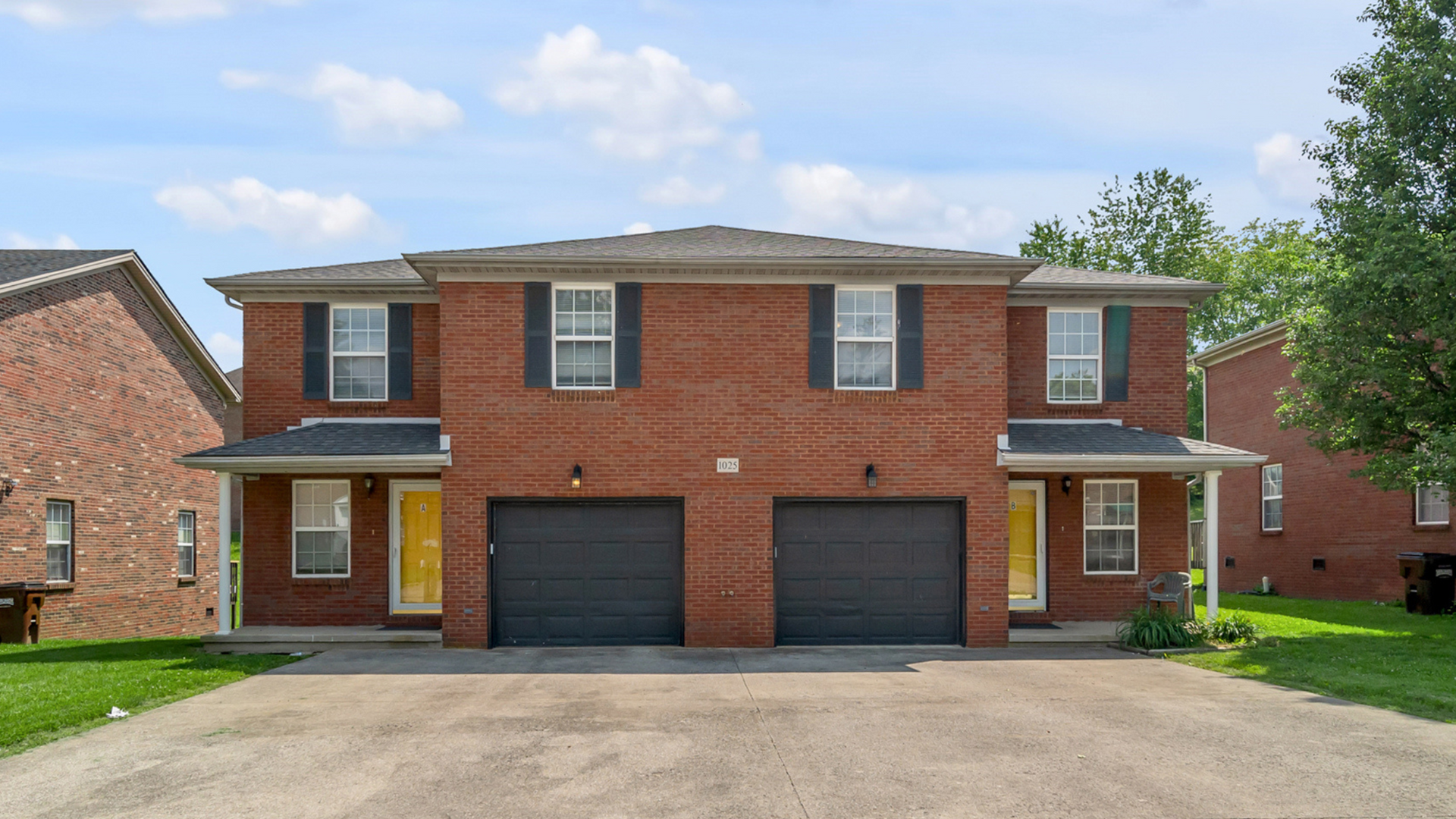
The good news is that it's a solvable problem. Mid-term crew housing exists specifically because the hotel model doesn't work for extended deployments. The availability is contractually committed. The rate is locked. You know where your crew will be sleeping for the duration of the project — and that stability has a measurable impact on the work.