
Booking a hotel for two nights is easy. You find a property, check availability, confirm the rate, and move on. The whole thing takes fifteen minutes.
Booking accommodations for ten crew members on a 60-day project is a different task entirely. Not just bigger — structurally different. The variables multiply, the decision points compound, and the margin for error increases every week the project runs.
Most construction companies figure this out the hard way, usually mid-project when something goes sideways. This article is about why that complexity is predictable — and what it looks like at each stage of a deployment.
The Problem With Treating Housing as a Transaction
The instinct to handle crew housing like a simple booking is understandable. At the start of a short project, it works fine. You call a hotel, get a rate, put people in rooms. Done.
That approach starts breaking down somewhere between the two-week and four-week mark, and it breaks down completely by month two. The reason is simple: hotels are designed for short-stay transactional relationships. The longer your crew stays, the more you're asking a short-term system to carry long-term weight — and eventually it buckles.
How Complexity Compounds Over Time
Rate drift, billing friction, rotation logistics
Hotel rates shift unless locked in writing. Someone is now reconciling nightly charges across multiple rooms every week. Crew rotation means managing check-ins, room availability, and property notifications — on top of the actual work.
At 30 days this is annoying but manageable. Most companies absorb it. The problem is what happens next.
Budget gaps, morale strain, availability risk
Every 30-day variable has compounded. Rate drift is now a real budget gap. Crew morale has eroded — no kitchen, a long commute, a laundry situation that doesn't work. Workers who were stoic at week two are less stoic at week six.
Availability risk climbs too. The property that had rooms at the start has had two months to fill up. Crew displacement becomes a real possibility.
Full operational drag
The layers have stacked: rate overruns, admin burden, morale impact, turnover risk, at least one disruption that required emergency coordination. The PM who was supposed to be managing the project has been partially managing the housing instead. The true cost — management time, morale, attrition risk — becomes visible. None of it showed up in the original lodging quote.
The Variables That Multiply With Duration
Understanding the specific variables that compound helps you manage them before they manage you.
The longer the stay, the more opportunities for the rate to shift — demand cycles, weekend pricing, local events. A rate that isn't contractually locked is a rate that will move.
Room availability at month three is not guaranteed by availability at month one. Hotels make decisions based on current demand, not your project timeline. Extended stays require contractual availability commitments.
Staggered arrivals, phased mobilizations, personnel changes — each one requires a confirmed room, a check-in plan, and someone to manage the transition.
On an extended stay with a multi-person crew, monthly invoices become complex documents requiring reconciliation. Every discrepancy takes time to resolve.
The longer people are away from home, the more their housing conditions matter. Quality and consistency directly affect recovery between shifts — and whether crews come back for the next project.
Why This Matters Before the Project Starts
The best time to address duration-related housing complexity is before the project begins, not after week four when the first problems surface.
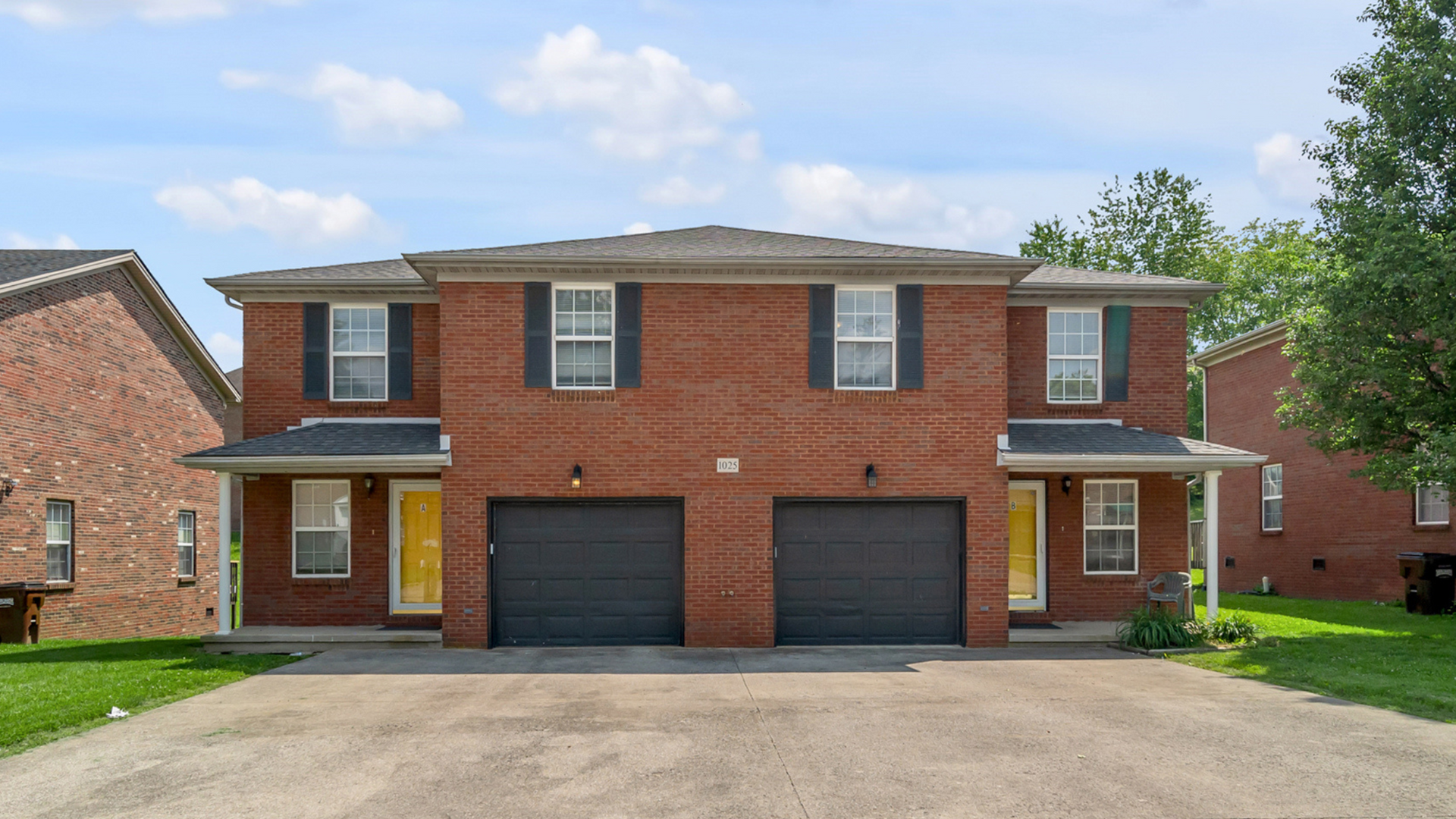
Companies that manage this well don't just find better hotels. They change the framework entirely — moving to mid-term crew housing that's purpose-built for extended deployments. Locked rates for the project duration. Committed availability. Functional living environments with kitchens, proper space, and consistent quality. Clean, predictable billing with a single point of contact.
That's not a more expensive solution. It's a differently structured one — designed for the complexity of long projects, rather than a short-stay model that wasn't built to carry it.