
How to Handle Housing for a 9-Month Infrastructure Project
Managing construction accommodation for a nine-month infrastructure project is a strategic task, not an afterthought. Without a solid housing plan, you risk exhausted crews, surprise costs, and even losing key workers before the project ends. Long-term crew housing comes with unique challenges, from securing leases that match project timelines to keeping far-from-home workers comfortable and productive. This article breaks down common pitfalls of multi-month crew lodging and explores smart solutions to keep your team safe, happy, and on budget for the entire project.
Common Pitfalls of Mid- to Long-Term Crew Housing
When crew housing is handled haphazardly, problems can snowball. For example, scrambling for crew lodging at the last minute often leads to
inconsistent housing. Crews may have to move from one motel to another mid-project when a booking falls through. These mid-stream housing shakeups are disastrous. If a 10-person crew loses a single workday relocating to new lodging, that’s roughly $3,000 in wages gone. Not to mention a blown schedule. And yes, hosts
do sometimes cancel multi-week reservations on short notice, leaving teams stranded. Relying on consumer vacation platforms without a backup can upend a project overnight.
Another pitfall is
sacrificing crew comfort for short-term savings. Some companies try to save money by doubling up workers in shared hotel rooms or picking a “cheap” motel an hour away. But fatigue and long commutes carry hidden expenses. A roommate’s snores or a noisy location will rob your team of sleep, and fatigue is a proven safety hazard. Accident rates are 18% higher on evening shifts and 30% higher at night, with 12-hour days linked to a 37% higher injury risk. Insufficient rest isn’t just a health issue; it shows up as mistakes, rework, and injuries on site. Long daily drives are another productivity killer. At about $0.82 per mile in vehicle costs, even a 40-mile round trip for 10 workers can burn over $7,000 in a month on fuel and wear. And that doesn’t include the value of lost time, every extra hour on the road is an hour of lost productivity or sleep. In short, cutting corners on housing, whether through risky bookings, far-off locations, or crammed quarters, will backfire via delays, burnout, or attrition.
Benefits of Locking in Dedicated Housing for Multi-Month Projects
Securing
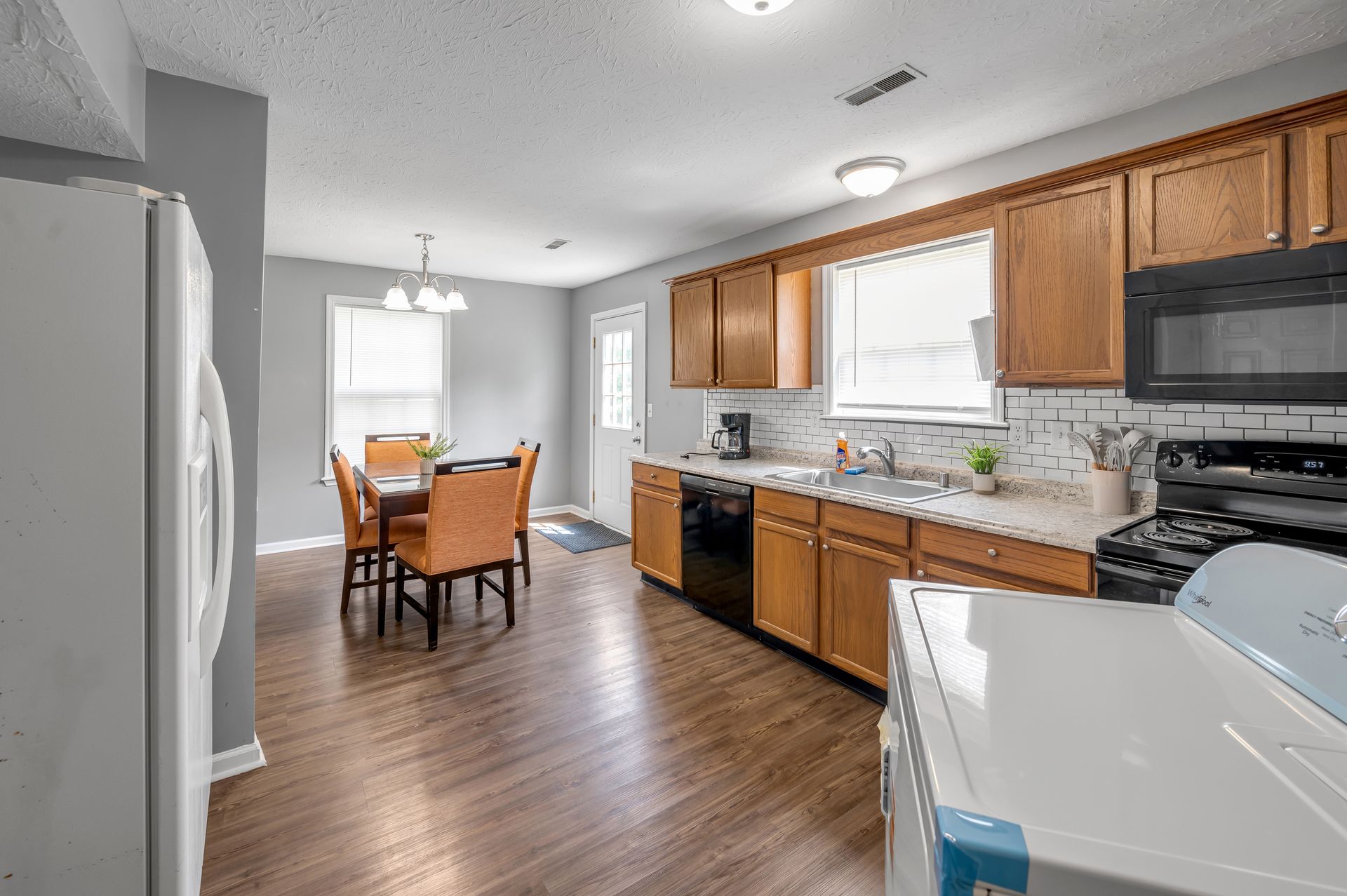
dedicated crew housing for the full length of a project is a game-changer. Instead of week-to-week rentals or juggling hotel blocks, you lock in a stable “home base” where your team can unpack and settle. The benefits start with consistency: your crew isn’t worried about where they’re sleeping next week, so they can focus on work. Morale and comfort improve dramatically when workers have a real house or apartment rather than a transient hotel room. They get private bedrooms for quiet sleep, a kitchen to cook real meals, and living space to relax off the clock.
One superintendent described the difference: living in hotels “gets old quick,” but switching to a crew house with a kitchen, laundry, and a living room was a “game changer” for his team’s quality of life. Indeed, a clean, home-like environment where they can cook a meal or call family makes them feel valued and recharges them for the next day’s work.
Dedicated housing also reduces mid-project disruptions. With one long-term lease or contract, you’re not at the mercy of weekly check-outs or a sudden “we need those rooms back” cancellation. You can negotiate crew-friendly terms up front – for example, the option to extend if the project runs long, or a grace period for early move-out if you finish ahead. This way your crew isn’t bouncing around and your schedule stays on track. In short, investing in a dedicated, near-site crew house for the duration of the project gives you control and continuity. Your team works safer and smarter when they’re not living out of suitcases or spending half their free time commuting. For example,
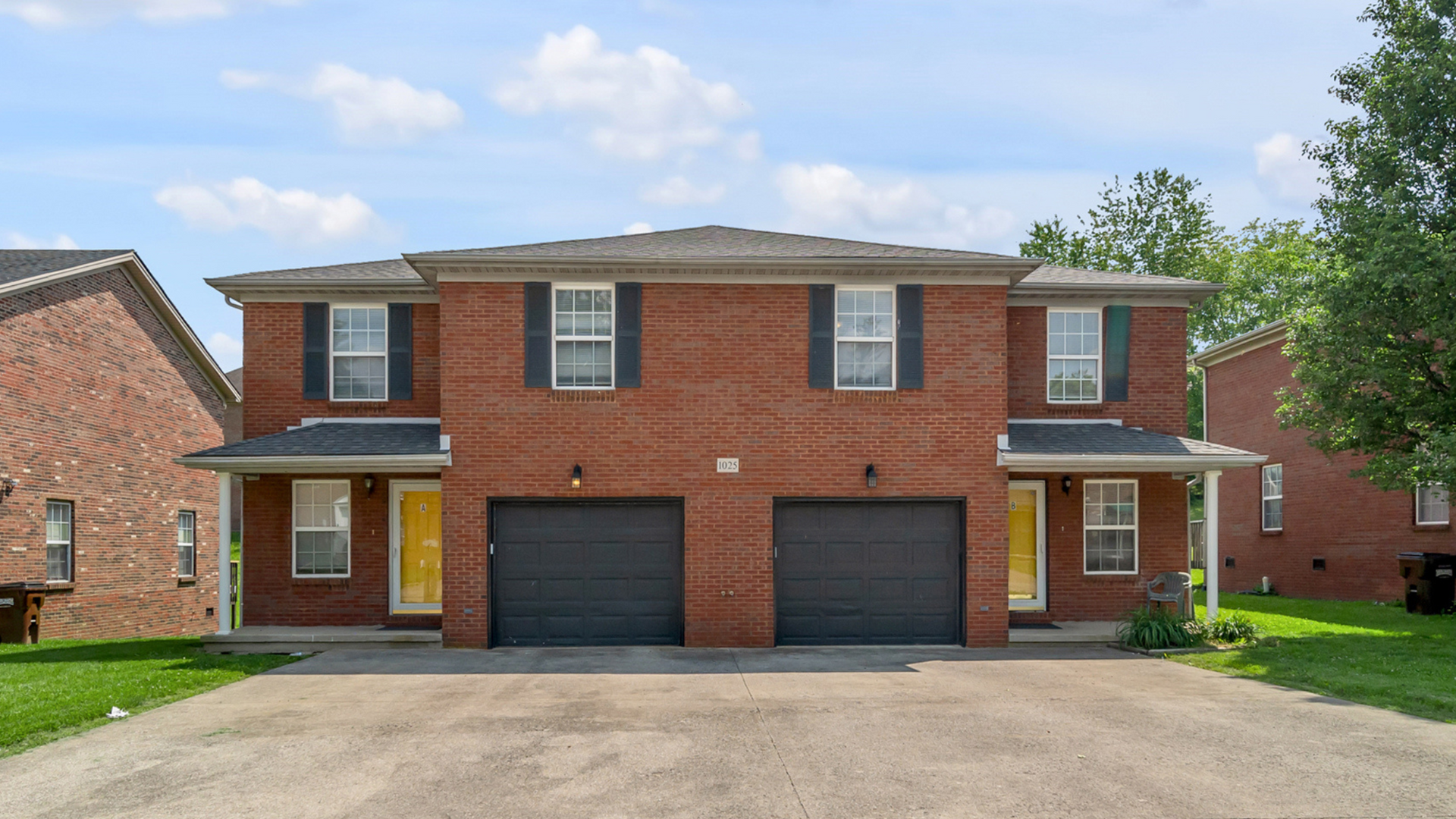
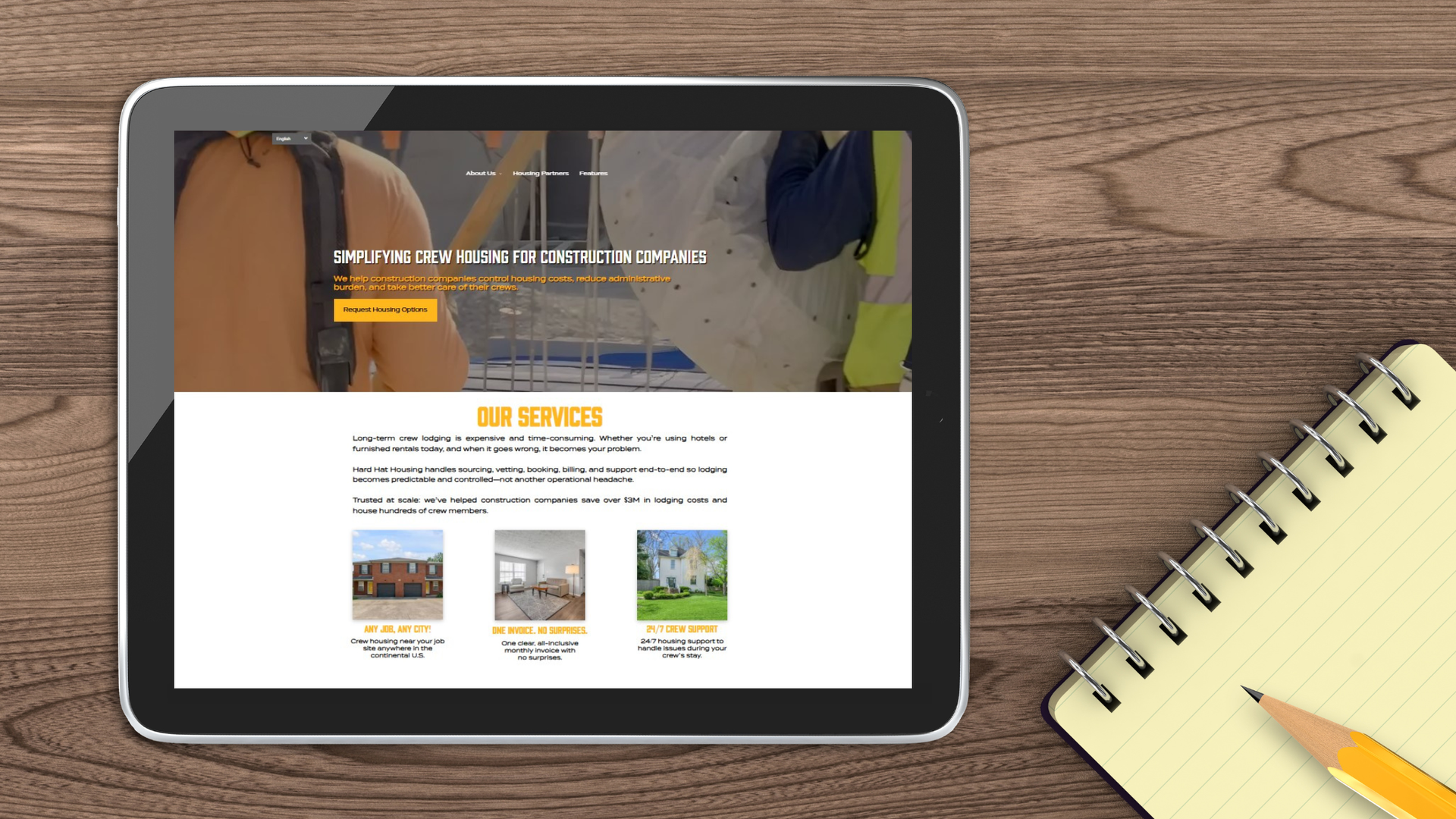
Hard Hat Housing specializes in turnkey crew lodging, providing fully furnished houses or apartments near project sites (with kitchens, laundry, and private rooms) so your crew stays comfortable and close to the job.
Cost Planning and Flexibility Strategies
Multi-month projects demand
careful cost planning for housing. It’s critical to budget realistically for nine months of lodging, which means using current market data, not last year’s estimates. Many companies peg their crew housing stipends to outdated figures that don’t reflect current prices. For instance, a lodging cap of about $110 per night often falls short of actual hotel and rental costs. If your budget is set too low, you’re pushing crews toward cut-rate properties, long commutes, or room-sharing to make ends meet. That approach will show up later as higher turnover or missed deadlines. Instead, do your homework on local housing costs and set a
defensible budget that accounts for comfortable, close-by accommodations. Hotel rates have risen recently, so plan accordingly and avoid basing your numbers on wishful thinking. When negotiating, focus on value-adds that protect your project rather than a rock-bottom price. You might not get a huge discount, but you can ask for value-adds like included housekeeping or flexible extension terms that safeguard your schedule.
A nine-month infrastructure project will test every aspect of your planning, and housing is no exception. The difference between a smooth, on-budget build and a delayed, overrun project can boil down to how well you handle crew lodging. By anticipating pitfalls and securing dedicated, near-site housing, you avoid costly surprises and keep your team focused on the job. Thoughtful housing choices also boost productivity and safety, and they show respect for the people building your project, which pays off in loyalty and quality. In construction, taking care of your crew’s housing is taking care of your business.