
Fighting Burnout With Better Beds: Housing as Mental Health
Burnout is plaguing the U.S. construction industry, but one cause often flies under the radar: where and how crews rest after hours. We talk about tight deadlines, safety hazards, and physical strain on the job, yet rarely about the dingy motel rooms or crowded bunkhouses many workers return to each night. It turns out that the quality of their beds, privacy, and amenities can make the difference between a resilient team and one on the brink of exhaustion. When crew housing is subpar, mental health suffers. And when workers can’t recharge, the entire project pays the price.
Recent data paint a sobering picture.
A 2025 national survey found nearly two-thirds of construction workers had experienced anxiety or depression in the past year, up sharply from the year before. Construction also faces a serious mental health crisis, for example,
it has the second-highest suicide rate of any U.S. industry. Clearly, something is wrong. Long hours and high-pressure projects are part of the equation, but experts note that work-related factors like lack of support, extended travel, and poor living conditions also play a major role in mental distress. One often overlooked factor is where workers sleep at night, and improving crew accommodation may be key to turning these trends around.
Housing Conditions: The Overlooked Factor in Burnout
For many traveling construction crews, "home" is a budget motel room or a makeshift dorm shared with too many roommates. We’ve heard of laborers finishing a 10-hour shift only to face a 5 a.m. alarm after a night on a flimsy mattress in a noisy room. Some crews even drive an extra hour to far-off lodgings because it’s the only option in town. When housing is an afterthought, the workday stress never really ends. There’s no true "off switch" when you’re cramped in a loud, crowded space away from home.
It’s no surprise such conditions breed fatigue and mistakes. Sleep deprivation and stress build up night after night, directly fueling burnout. For a construction crew, an exhausted operator or ironworker isn’t just less productive, they’re a safety risk. Over time, this constant exhaustion erodes morale and mental resilience, causing even veteran workers to hit a breaking point.
Why Rest and Privacy Matter for Mental Health
Quality rest is not a luxury; it’s a necessity for mental well-being. Chronic sleep deficiency warps how we think and feel.
Studies show it impairs decision-making and emotional control, and is linked to higher risks of depression. Anyone who’s worked on too little sleep knows the irritability and fog that follow. Over weeks on a job, that fog can turn into anxiety, anger, or hopelessness.
Restoring mental health on the road also means giving workers some breathing room and basic comforts. Even a little privacy goes a long way, sharing a room with one trusted coworker is far better than sleeping in a noisy bunkhouse of six. And being able to do normal things like cook a real meal or video-call family back home can profoundly reduce stress.
Experts note that the isolation from family during long assignments is a major risk factor for anxiety and depression, so amenities like a kitchen and reliable internet aren’t luxuries at all, they’re lifelines that help keep workers connected and human. In short, better housing conditions–quiet rooms, decent mattresses, internet access, laundry facilities–directly support better mental health by allowing crews to truly rest and maintain a life outside of work, even when on a remote job.
The Industry Response: Making Crew Accommodation a Priority
The good news is the industry is starting to recognize these issues. In the past year or two, construction companies, trade unions, and even federal agencies have launched initiatives to tackle mental health in construction. There’s new training, awareness campaigns, and support programs. Still, one practical area needs more attention: where workers live after their shift. Forward-thinking contractors are realizing that better crew housing must be part of the solution to keep teams safe and productive.
This is exactly where
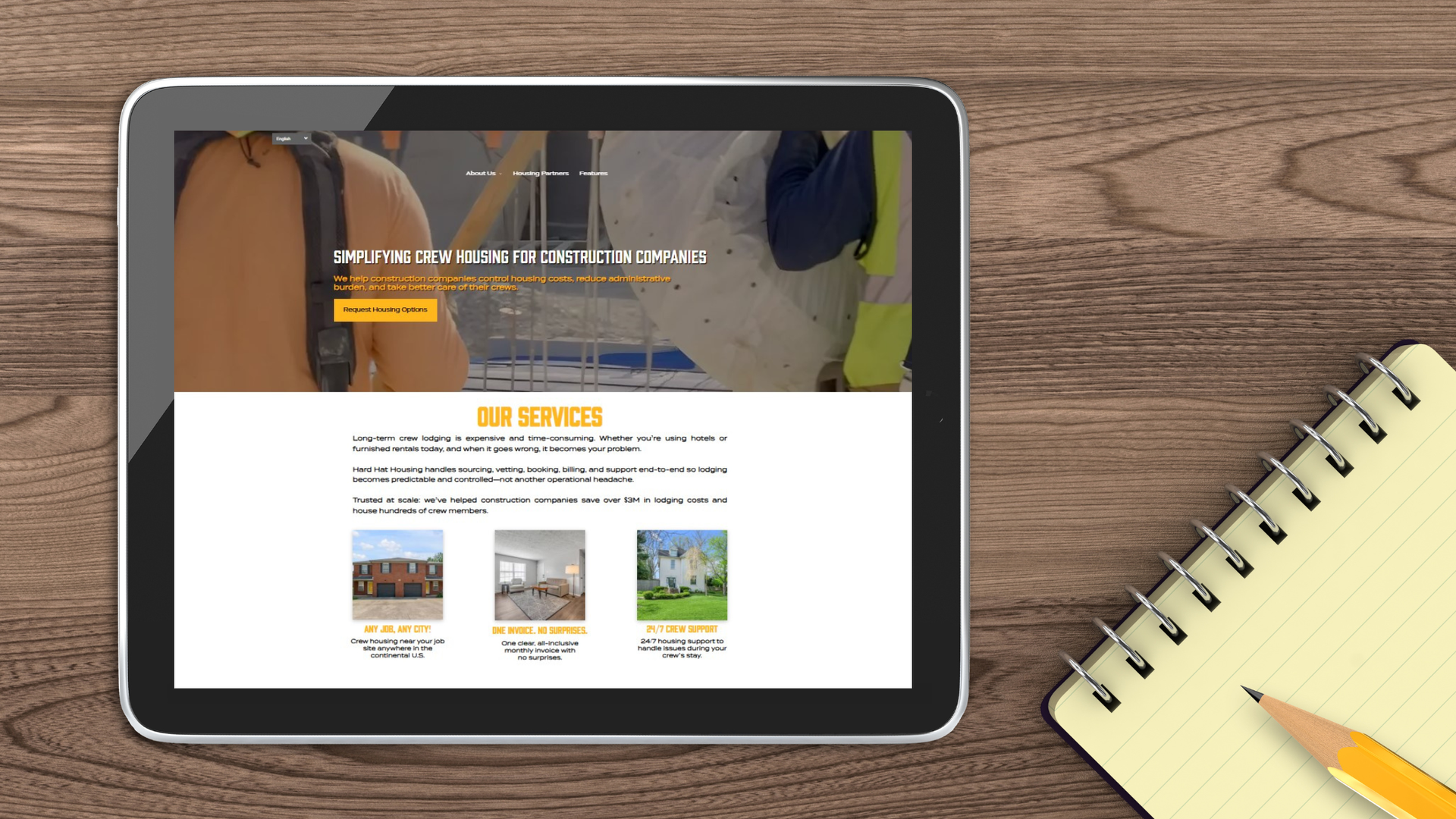
Hard Hat Housing fits in. We specialize in comfortable,
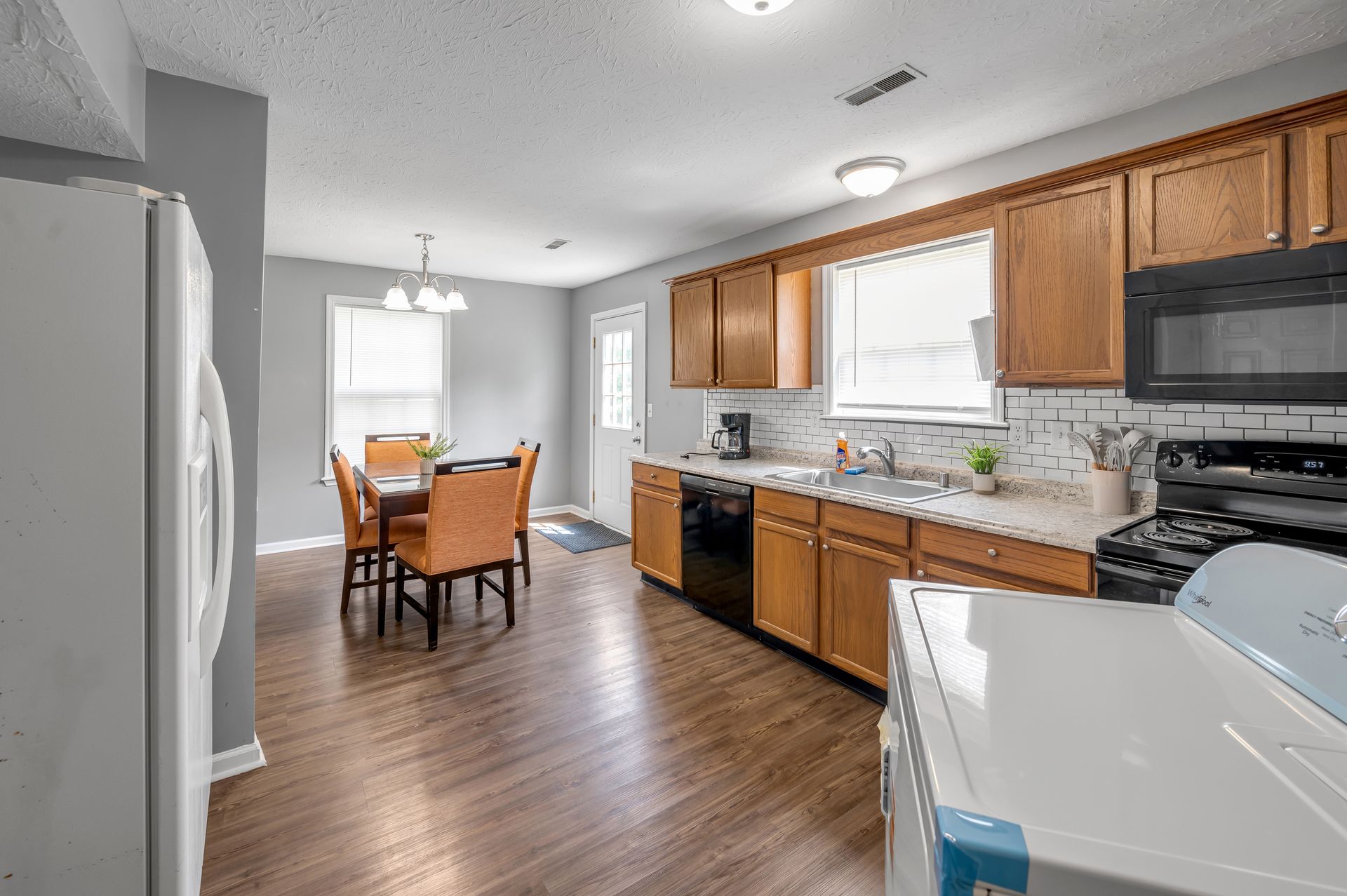
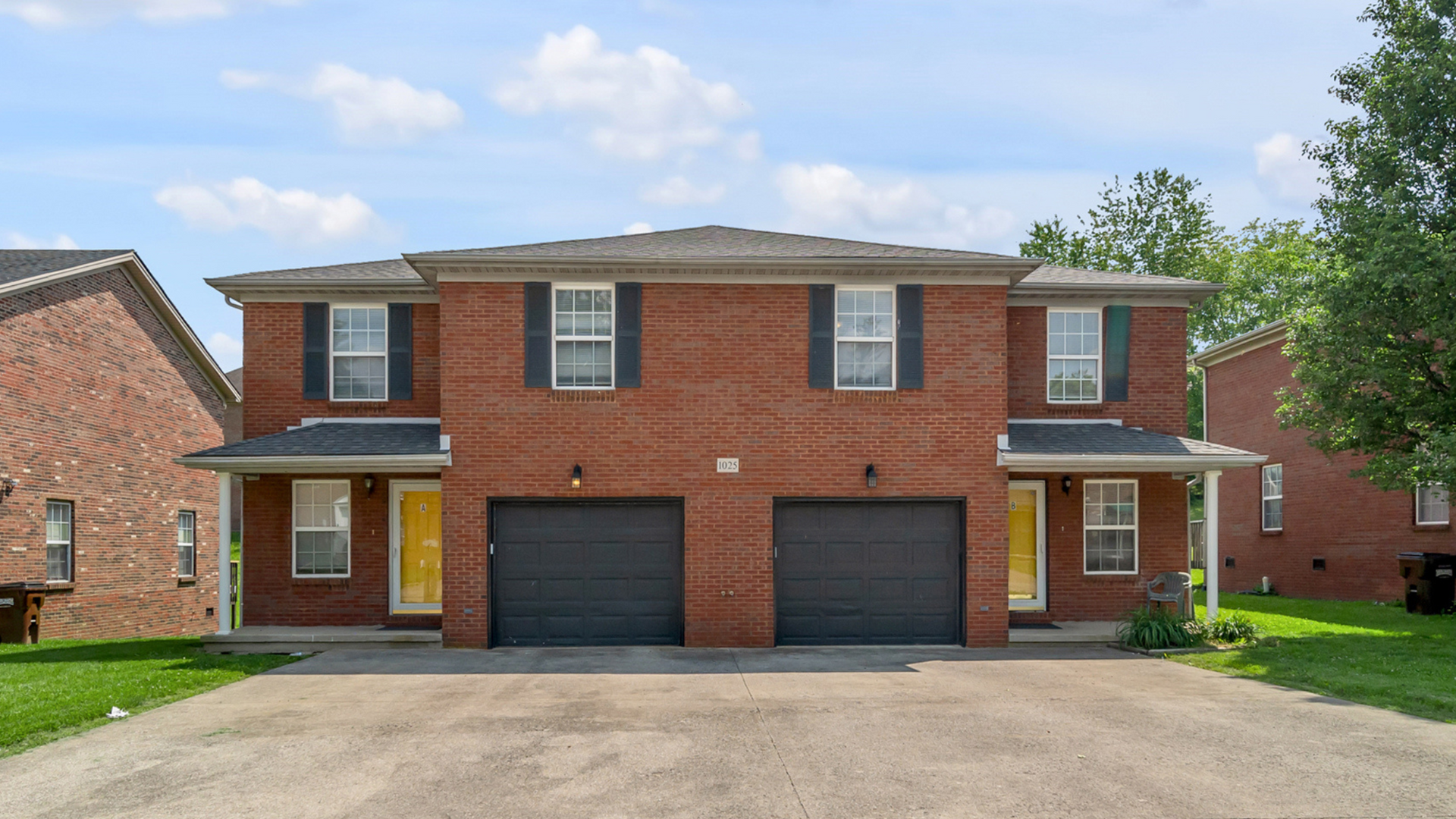
sleep-first crew lodging designed around workers’ needs. Our rentals provide real homes-away-from-home – private or semi-private bedrooms, full kitchens to cook proper meals, on-site laundry, and reliable Wi-Fi. We’ve seen first-hand how these simple upgrades make a huge difference. When crew members can get quality sleep, eat well, and video-chat with loved ones, their morale soars. They stay healthier, and they’re less likely to quit a job early from sheer exhaustion. By investing in proper housing for crews, companies end up with a more stable, focused workforce, and it shows in safer, more efficient projects.
Better Beds, Better Bottom Line
Beyond the human cost, there’s a strong business case for prioritizing crew accommodation. Fatigued workers are slower, make more errors, and get injured more often. All of which can derail a project timeline.
One analysis even found that about 13%
of workplace injuries are directly tied to fatigue. In fact,
fatigue-related lost productivity is estimated to cost U.S. employers around $136 billion
every year. In construction, mistakes and delays from burnout can eat into already thin profit margins.
Offering quality housing can also help contractors attract and retain skilled workers in a tight labor market. In an industry facing persistent labor shortages, providing comfortable housing can set your company apart when recruiting talent. More importantly, it’s simply the right thing to do. The people who build our communities endure tough days on the job deserve a decent place to recharge at night. When workers feel respected and well-rested, they bring more energy and focus to the site. In the end, better crew housing is a win-win: crews stay healthier and projects finish safer and faster.
Construction burnout doesn’t have a single cause or a single cure. But it’s clear that housing is a critical piece of the puzzle. Giving crews a quiet, comfortable place to recharge after work is a practical way to safeguard their mental health and safety, just as we invest in hard hats and harnesses for their physical safety. America’s builders face intense pressures on the job, so the least we can do is make sure their off-hours help them recover.
At Hard Hat Housing, we’ve seen that fighting burnout can start with something as simple as a better bed. Give your crew the rest and respect they deserve, and you’ll see the difference in their morale, in their safety, and in the success of your projects.
Ready to take the next step?
Reach out to Hard Hat Housing today to learn how our tailored crew housing solutions can keep your construction teams rested, healthy, and focused on building greatness.