
How Convenient, Near-Job-Site Housing Saves Time and Money
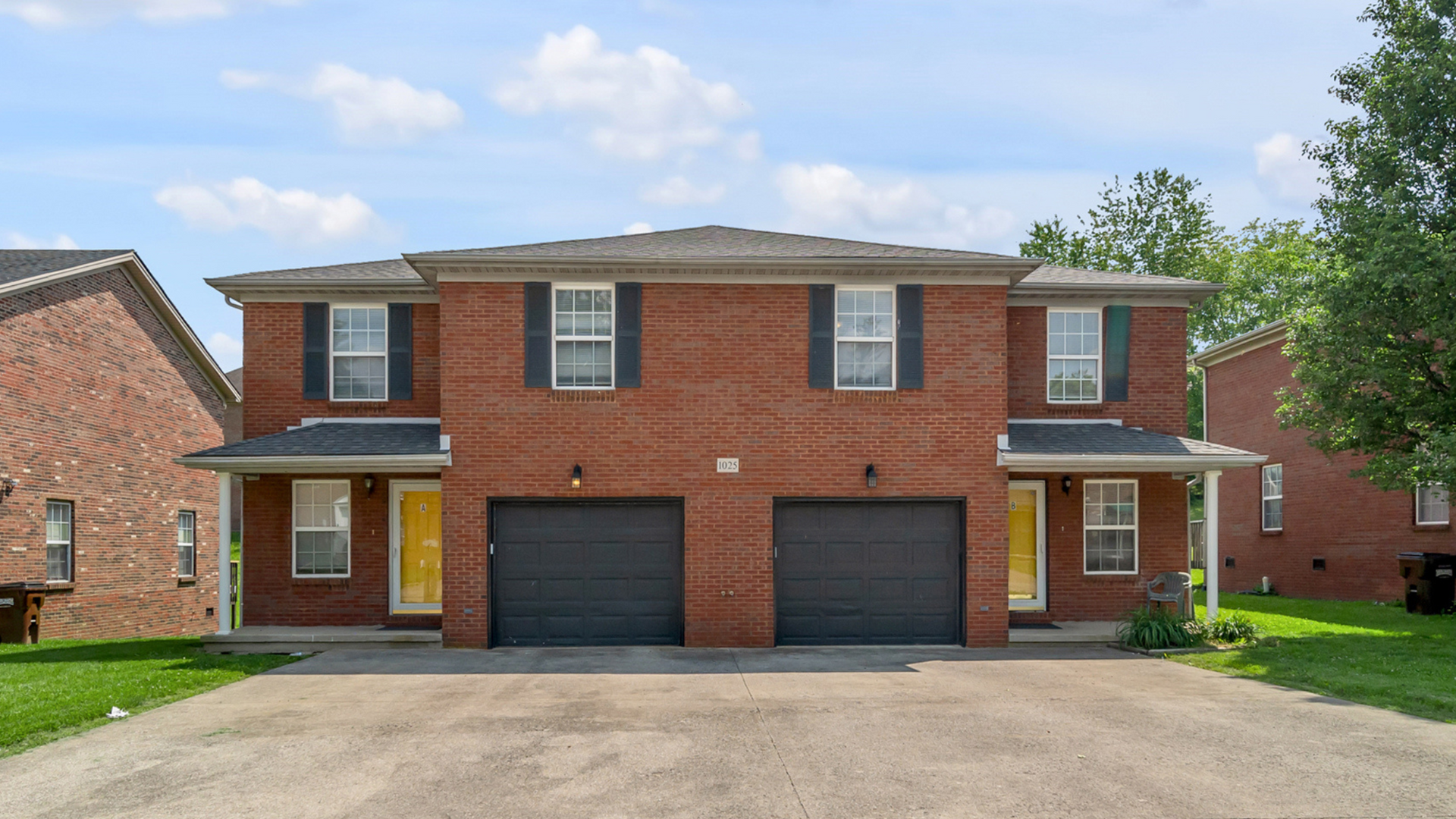
Finding the right housing for your construction crew can make a huge difference in overall productivity and cost efficiency. Placing your crew in accommodations close to the job site might seem like a simple choice, but its benefits are extensive. It’s not just about the proximity; it’s about improving their daily routine, saving money, and making their lives easier.
When your crew spends less time commuting, it means they have more time to rest and prepare for the day. This can lead to better job performance and a happier, more focused team. Plus, less travel means fewer transportation costs, translating into significant savings over the course of a project.
Saving Time with Proximity to Job Site
Housing your construction crew near the job site can save them a lot of time. When workers live closer, they spend less time traveling to and from work. This means they can get more sleep and have more time to relax, which can make them more efficient on the job. Instead of battling traffic or dealing with long commutes, they can use that extra time to rest and recharge.
A shorter commute also reduces the chances of delays due to traffic jams or vehicle problems. By cutting down travel time, you ensure that your crew arrives on time every day, ready to start their tasks without feeling drained. This timeliness can help keep the project on schedule, reducing the risk of costly delays.
Another advantage is more downtime for the crew. They can spend their evenings and mornings however they like, whether that’s cooking a healthy meal, exercising, or just unwinding. This contributes to a better work-life balance, which can lead to higher morale and lower turnover rates. A happy crew is more likely to stay with the project until it’s done, reducing the need to hire and train new workers.
Financial Benefits of Reducing Commute Costs
Reducing commute times also saves money. With fewer miles to travel, your crew spends less on gas. Less driving also means less wear and tear on vehicles, which lowers maintenance and repair costs. These savings can add up quickly, especially on long-term projects.
Carpooling is more effective when the job site is nearby. Workers can share rides easily, cutting down on fuel costs even further. This is not just good for the wallet but also for the environment, which can be a plus for companies looking to go green.
Additionally, a shorter commute can reduce the number of work hours lost to delays. Traffic accidents or road construction can lead to unexpected lateness. By minimizing these risks, your team can maintain consistent start times and productivity, ensuring that project timelines are met and budgets stay intact.
Enhanced Productivity from Reduced Travel Fatigue
When your crew doesn't have to spend a lot of time traveling, they are less likely to feel exhausted before they even start their workday. Long commutes can be physically and mentally draining. By staying close to the job site, workers can avoid this fatigue, leading to higher energy levels and better focus on the job.
Being well-rested and less tired means your crew can work more efficiently and safely. Reduced travel fatigue helps in preventing accidents and errors, which can slow down project progress and increase costs. A more alert and energetic workforce is crucial for maintaining high standards of work and meeting project deadlines.
Shorter commutes also mean more time for workers to invest in personal activities that rejuvenate them. Whether it’s spending time with family, exercising, or pursuing hobbies, having extra time can significantly boost morale and job satisfaction. This, in turn, reflects in their work quality and productivity, leading to smoother and faster project completion.
Additional Amenities That Boost Convenience and Savings
Near-job-site housing often comes with various amenities that make life easier for your crew, adding to both convenience and cost savings. Fully furnished rentals mean that workers don’t need to spend money on furniture or other essentials. The inclusion of utilities in the rental cost simplifies budgeting and eliminates any surprise expenses.
Monthly cleaning services keep the living space comfortable and hygienic without your crew needing to spend their own time or money on it. This is especially important for maintaining a pleasant living environment, which directly impacts their overall happiness and effectiveness at work.
Access to full kitchens allows workers to prepare their own meals, which is healthier and less expensive than eating out regularly. Cooking at home can save a lot on meal costs, and it lets workers enjoy their favorite foods, enhancing their sense of well-being. Additional perks like in-unit laundry and high-speed internet further add to convenience, making day-to-day living stress-free.
Conclusion
Convenient, near-job-site housing offers a multitude of benefits that extend beyond just saving time and money. By choosing to place your construction crew in close proximity to their work site, you enhance their quality of life and boost their productivity. Shorter commutes contribute to less travel fatigue and lower transportation costs, ensuring that the crew is both more efficient and cost-effective.
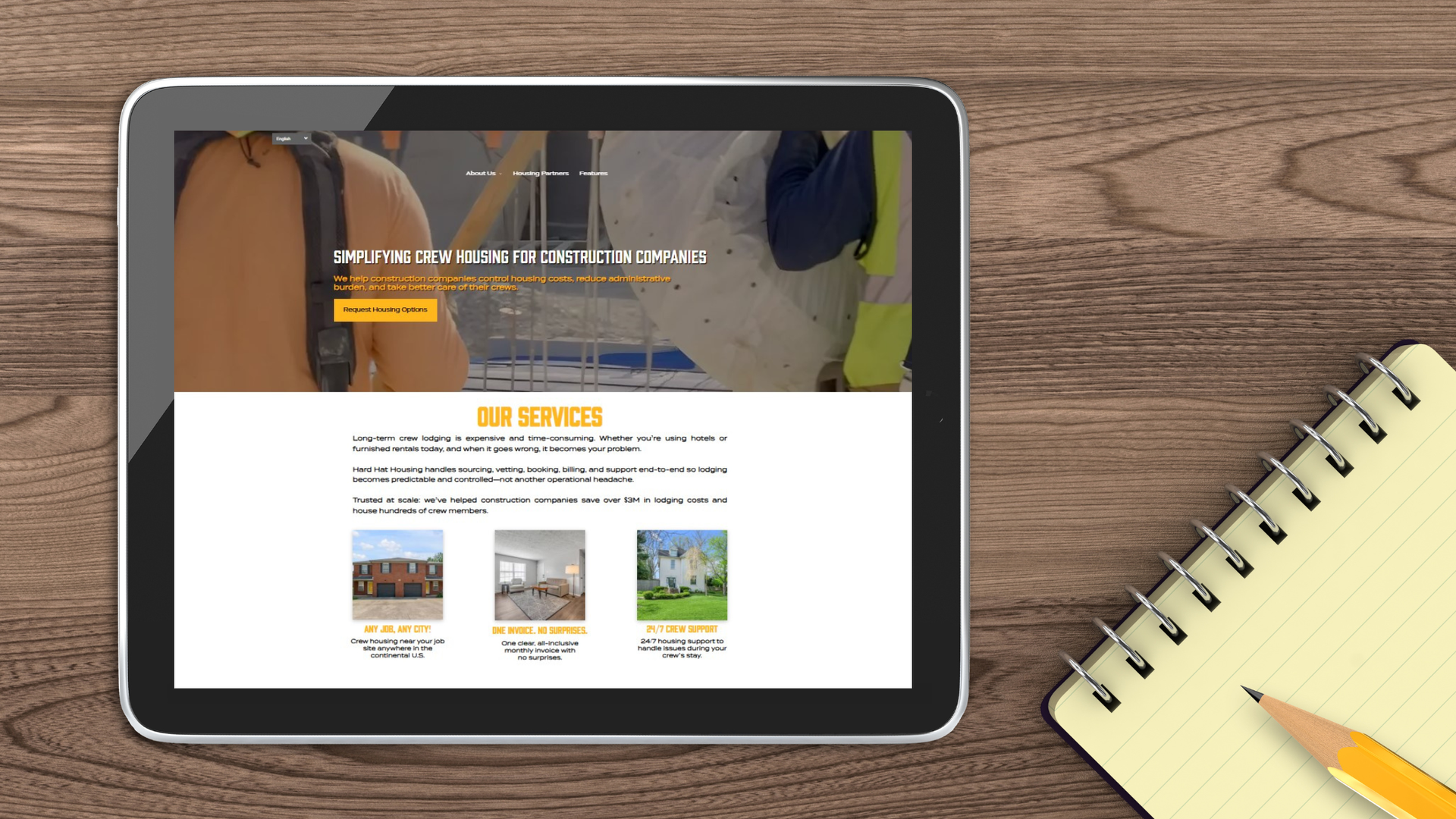
Ready to maximize the efficiency and well-being of your construction crew? Contact us at Hard Hat Housing today to learn more about how our
construction site housing solutions can make a difference for your next project. Let's ensure your team is comfortable, happy, and ready to work at their best!