The 3 Types of Construction Housing (And When to Use Each)
For construction managers, deciding on crew housing is a strategic choice that can affect your budget, productivity, and crew morale. The challenge is that no one housing type fits all situations. A hotel might be convenient but expensive; a private rental can offer comfort but takes more coordination; and an on-site RV can save commute time but might strain your crew's patience and comfort.
Choosing poorly can lead to drained budgets, tired crews, or low morale, while choosing well helps keep your project on schedule and your team happy. Below, we compare three common crew housing options—hotels, private rentals, and RV housing—and discuss when to use each for the best outcome.
1. Hotels and Motels
Hotels and motels are often the “default” option for housing crews, especially for short projects or when other options aren’t readily available.
Pros:
- Easy to book: Widely available in most towns with instant online reservations.
- Flexible stays: Nightly or weekly bookings are simple to extend or shorten as needed.
- Amenities included: Typically comes with housekeeping, Wi-Fi, and sometimes free breakfast.
- No setup required: Crews can move in immediately with no lease agreements or utility hookups.
Cons:
- Expensive long-term: Nightly rates add up quickly for multi-week or multi-month projects, straining the budget.
- Poor rest: Crewmembers often have to share rooms; noise and lack of privacy in hotels can lead to bad sleep.
- No kitchens: Eating out for every meal is costly and not the healthiest option.
- Parking challenges: Hotel parking lots may not accommodate large trucks, trailers, or heavy equipment.
- High turnover: Frequent check-ins/check-outs and changing neighbors can be disruptive for crews trying to establish a routine.
Best For:
Short-term projects (a couple of weeks or less) or emergency accommodations when you need something quick and there's no time to secure other housing.
2. Private Rentals (Airbnb & Furnished Finder)
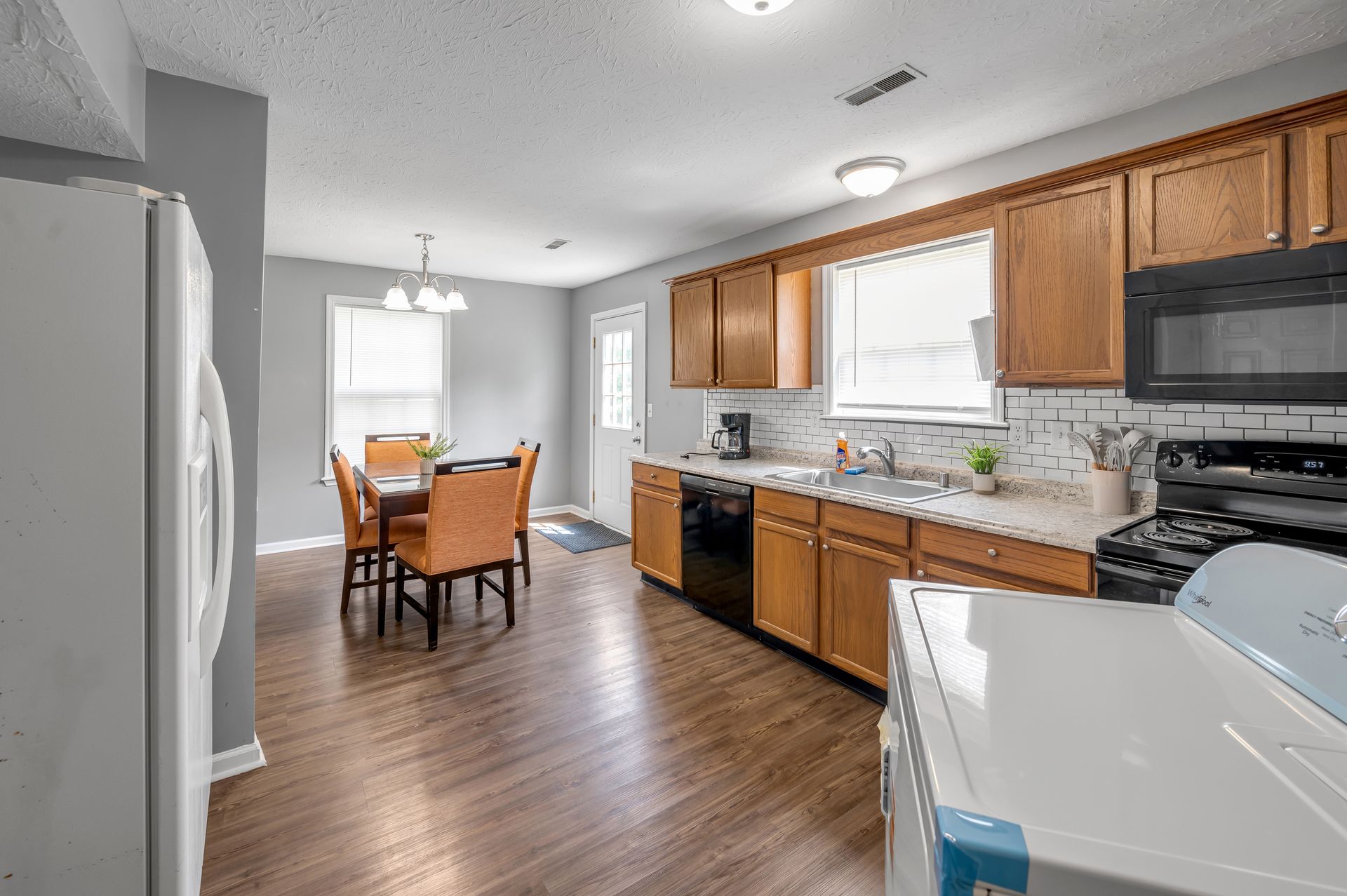
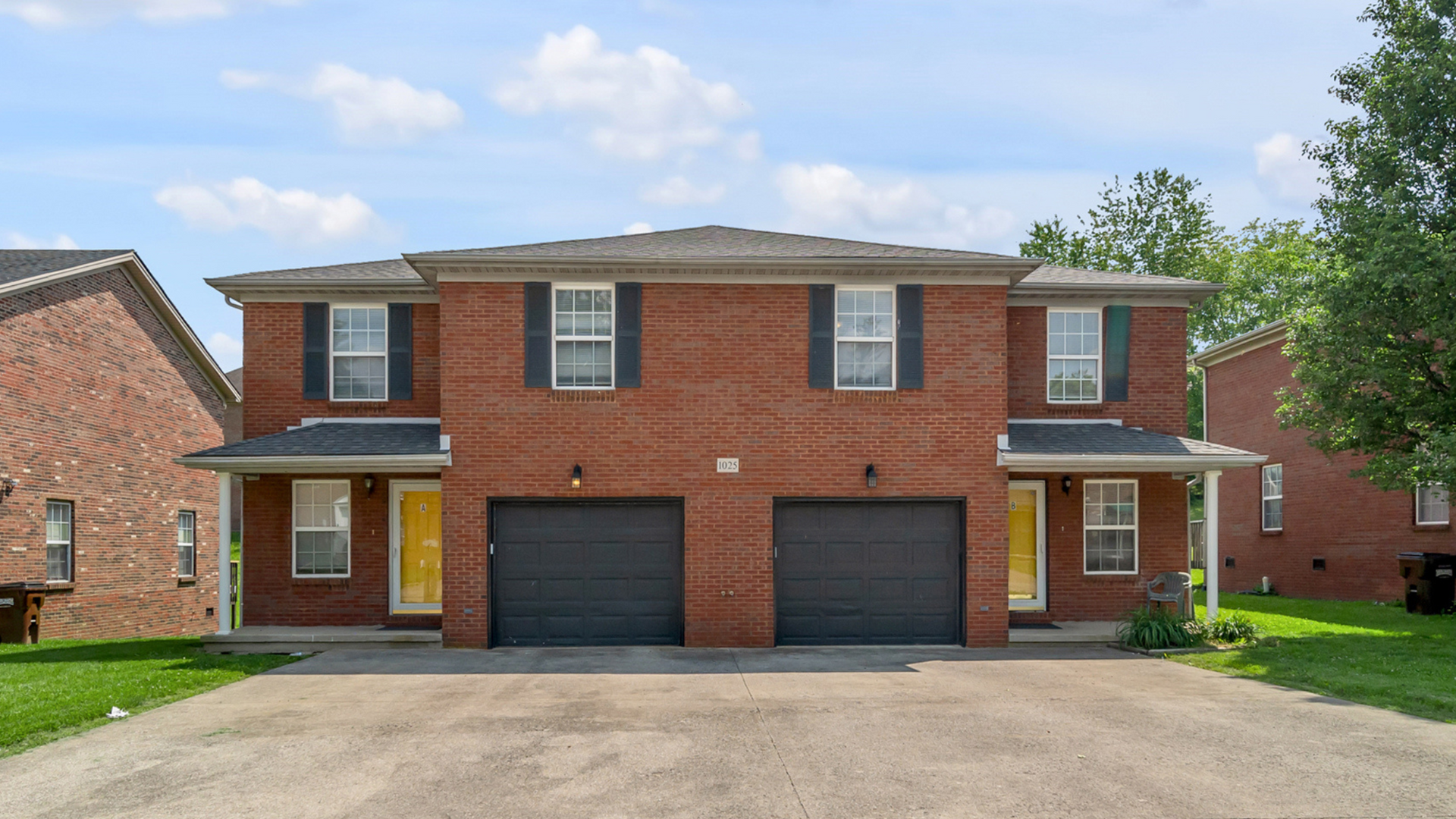
Private rentals—whether it's booking a house or apartment through Airbnb, Furnished Finder, or similar platforms—offer a more home-like stay for crews and can be very effective for longer projects.
Pros:
- More space and privacy: Rental houses and apartments give your team multiple bedrooms, bathrooms, and living areas, so everyone isn’t crammed into one room.
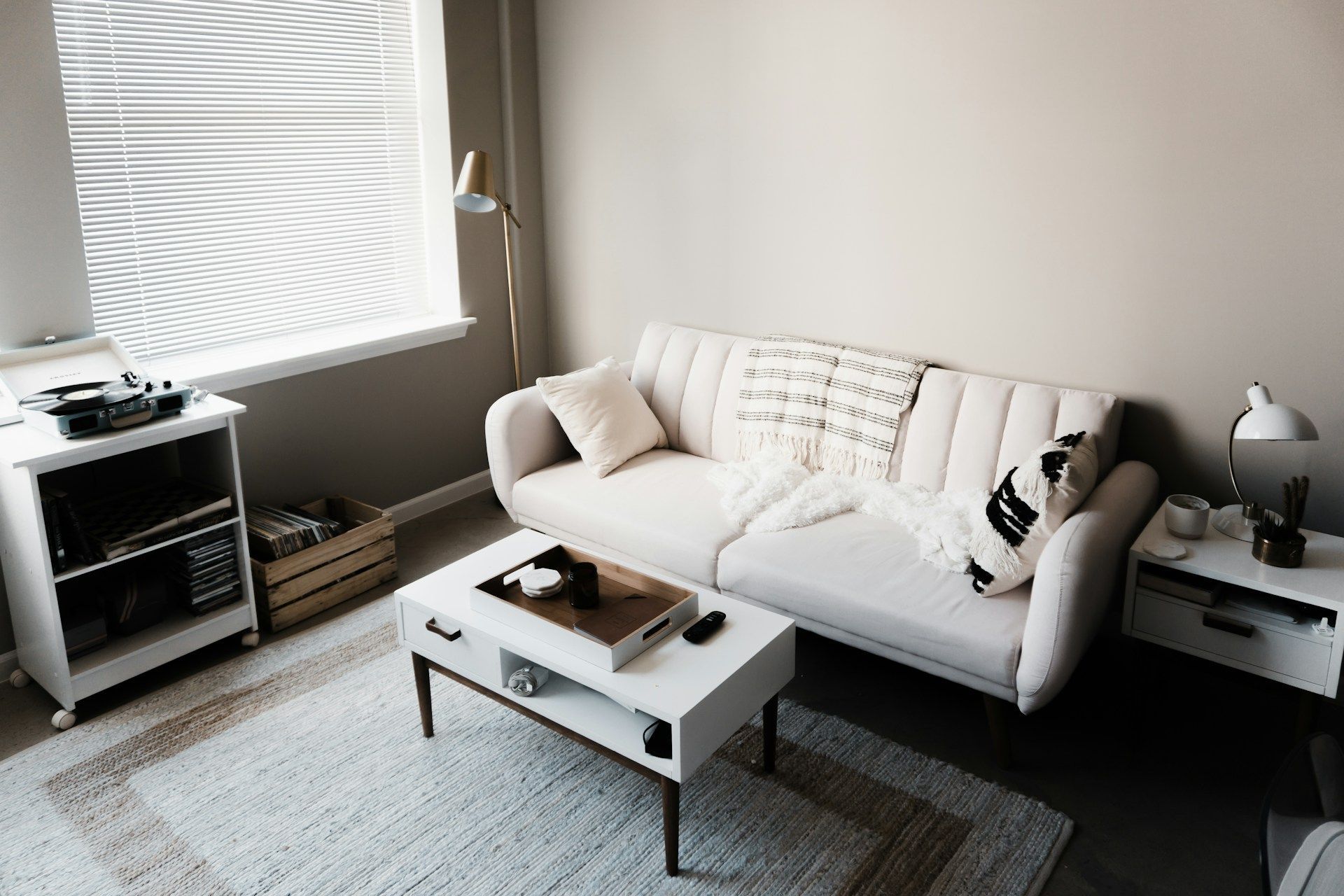
- Home comforts: A furnished home feels more normal and relaxing than a hotel room, which boosts morale during long stays.
- Kitchen access: Crews can cook their own meals, saving money on dining out and promoting healthier eating.
- Cost-effective for long stays: The monthly rate for an entire house or apartment often comes out cheaper per person than extended hotel stays.
- Scalable for larger teams: If you have a big crew, you can rent multiple properties in the area to house everyone comfortably.
Cons:
- Limited availability: It’s not always easy to find suitable houses or apartments close to every job site, especially in remote locations or high-demand urban areas.
- Upfront effort: Searching for rentals, negotiating leases or terms, and setting up utilities or furniture can take significant time (though a partner like Hard Hat Housing can handle this legwork).
- Owner/host challenges: Some landlords are hesitant to rent short-term to a crew, and consumer rental hosts can cancel reservations or impose strict rules, creating uncertainty.
- Wear and tear: A group of workers living together will put heavy use on a property. The unit needs to be durable, and there’s a risk of damage or extra cleaning fees if the home isn’t used gently.
- Management burden: Without a housing partner to assist, coordinating multiple rentals—handling communications, maintenance issues, and move-out cleanings—becomes an added job for the project manager.
Best For:
Medium to long-term projects (generally longer than a month) where the crew benefits from extra space, comfort, and a stable home base.
3. RVs and Trailers
For some projects, especially at remote sites with no traditional housing available, crews might live on-site in RVs or travel trailers.
Pros:
- On-site living: Completely eliminates the daily commute, since the crew stays at the job location.
- Self-contained units: An RV provides beds, a small kitchen, and a bathroom all in one, covering basic needs under one roof.
- Mobility: The “housing” can move as the project moves, or be relocated to the next job easily if needed.
Cons:
- Cramped quarters: Very limited space leads to tight living conditions, which can result in poor sleep and low morale over time.
- Maintenance headaches: RVs require upkeep and can have mechanical or plumbing issues—dealing with repairs can interrupt work and add costs.
- Weather dependence: Conditions inside an RV can become uncomfortable (too hot or too cold) in extreme weather, even with AC or heaters running.
- Not a long-term solution: Living in a trailer for months on end is not practical; the lack of space and amenities wears on the crew, making RVs viable only for short stints.
Best For:
Remote or short-duration projects where no other housing options exist—essentially a last-resort solution when you need to put a roof over the team’s heads in a hard-to-service location.
Each of these housing options has its place. Hotels are handy for a quick stay or in a pinch, RVs can work for isolated or ultra-short projects, and private rentals often provide the best balance of comfort and cost for longer assignments. The key is matching the housing type to your project’s duration, location, and budget so your crew can perform at their best.
In many cases, a furnished rental home near the site offers the ideal mix of affordability and comfort—but organizing that on your own can be time-consuming. That’s where
Hard Hat Housing comes in. We take the hassle out of crew lodging by finding and managing move-in-ready rentals tailored to construction teams. When your crew sleeps well, feels secure, and has a place to unwind, they stay more productive and your project runs smoother.
Partner with Hard Hat Housing today at 859-249-8641 to keep your team happy, safe, and focused on the job.