
Watch a crew arrive on a job site at 6 a.m. and you can tell — usually inside ten minutes — what kind of day it's going to be.
You can see it in how fast they get geared up. Whether they're talking or just grunting. Whether the briefing actually lands, or whether half the crew is nodding along while their brain is still somewhere between the highway and last night's sleep. The first hour is an X-ray. It shows you exactly what kind of shape your crew rolled in on.
And the single biggest thing shaping that first hour isn't the project. It isn't the weather. It isn't even how experienced the crew is. It's where they slept the night before.
That's a harder truth than it sounds. Because most of the time, housing decisions get made in a conference room, based on price and proximity, with the assumption that a bed is a bed. But a bed isn't just a bed — not when your crew is going to spend eight to twelve weeks in it while doing some of the most physically demanding work on the planet.
Workday Readiness Is a Housing Problem
Here's what "workday readiness" actually means on a construction site: your crew shows up rested, alert, fed, on time, in the right headspace, and ready to do their job well from minute one.
That's the bar. And every piece of that bar — sleep, alertness, timing, headspace — traces back to where the crew spent the last twelve hours before the shift started.
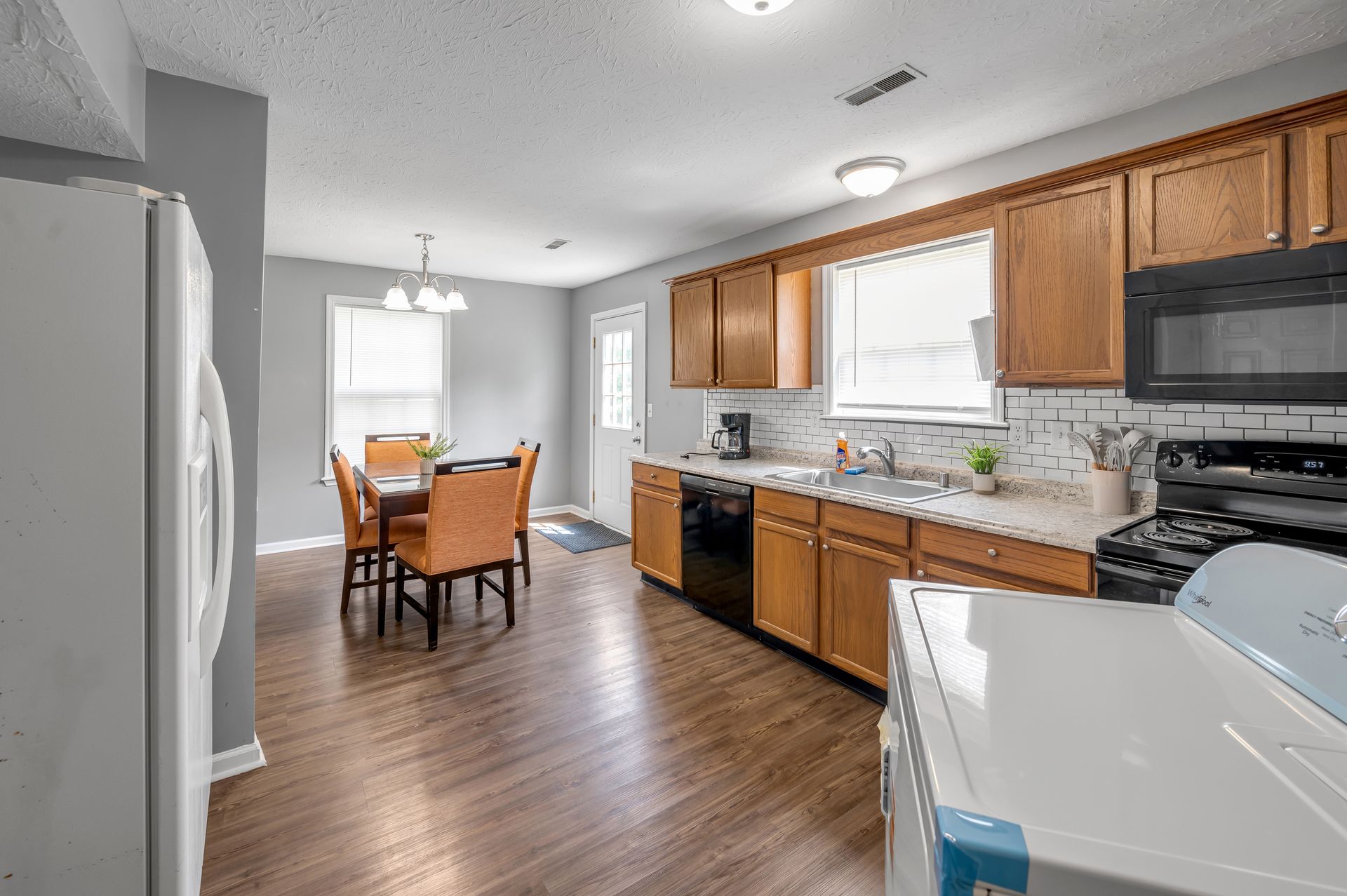
Think about what a construction crew member actually needs between shifts. They need to eat a real meal. They need a place quiet enough to fall asleep when they're exhausted but wired. They need a shower that works. They need to wake up, shower again, and get out the door without drama. They need to know the route to the job site, because figuring it out at 5 a.m. is a tax nobody should have to pay.
When housing delivers on all of that, you get a crew that walks onto the site ready to work. When it doesn't, you get a crew that spends the first hour of every shift catching up to the job — not actually doing it.
What Breaks When Housing Is Inconsistent
Inconsistent housing doesn't fail loudly. It fails in small ways that add up across a project.
The crew gets moved between three different hotels in five weeks because a block booking fell through. Now nobody knows which building has the laundry, which one has the decent breakfast, which route avoids the morning traffic. Every move is a reset. Every reset costs a day of rhythm.
Or the crew is in one property the whole time, but the AC quits in week two and management takes four days to fix it. People sleep four hours a night for four days. You don't see that on a P&L. You see it in the jobsite mistakes that pile up the following week.
Or the property is fine, but the Wi-Fi is unreliable, so your foreman can't pull up drawings from his room at night. Or the neighborhood feels sketchy after dark, so nobody leaves the room for dinner, so everyone's eating gas station food for eight weeks. Or the property swapped their rooms at check-in and now two of your guys are doubled up when they weren't supposed to be.
Every one of these is survivable. None of them will kill a project on its own. But all of them chip away at the one thing that actually matters — whether your crew is ready to work at 6 a.m. the next morning.
The Productivity Math Most Teams Miss
Let's do the math that almost never gets done.
Say you lose thirty minutes of real productivity per crew member per day because housing is eating into recovery. That's a modest number — it's what tired, distracted people give up without even noticing. Take a 20-person crew on a 12-week project. That's 600 hours of lost productive time on a single job. At a loaded cost of $75 an hour, you're looking at $45,000 of productivity quietly bleeding out through the housing line.
And that's before you count the mistakes. The rework. The safety near-misses that turn into safety incidents. The foreman who spends an hour a day playing customer service for the hotel instead of running his crew. The guy who quits in week six because the housing was miserable and he's just done.
The irony is that the same company will spend a month negotiating a $2,000 discount on the housing contract — while leaving ten times that on the table every week in lost crew performance.
Cheaper housing isn't cheaper when it costs you the workday.
What Structured Accommodations Actually Deliver
When people hear "structured accommodations," it can sound like corporate-speak. What it really means is housing that's set up to do one job: get your crew to the next shift in working condition.
In practice, that's a few specific things.
One point of contact. Not a different front desk every week. Not a property manager who's also managing six other things. Someone who knows your crew, your project, and picks up when something breaks.
Vetted properties. Safe neighborhoods. Functional everything — the AC, the Wi-Fi, the hot water, the locks. These sound like givens until you've been on a project where they weren't.
Consistency across the project. Same rooms, same routines, same routes. The crew gets into a rhythm, and that rhythm holds for eight or twelve weeks instead of resetting every time someone's booking gets switched.
Billing that matches how projects actually run. Crews flex. Timelines shift. Housing should accommodate that without turning every change into a three-day fire drill.
None of this is fancy. It's just housing designed around how crews actually live and how construction projects actually run — instead of housing designed around a reservation system.
This Isn't About Comfort. It's About Output.
The conversation about crew housing sometimes gets framed as a comfort issue, which misses the point. This isn't about whether your crew deserves a nicer pillow. It's about whether they're going to hit full output in the first hour of the shift or spend that hour getting there.
Structured, well-managed housing isn't a perk. It's an input into productivity the same way good tools and good site logistics are inputs into productivity. You wouldn't buy the cheapest, least reliable generators on the market and expect the work to run smoothly. Housing isn't different.
The companies that figure this out don't have happier crews because they're softer. They have sharper crews because the housing system is doing its job — quietly, consistently, in the background — and the crew gets to show up to work instead of showing up to work already behind.
Your Next Move
If your crews are walking onto job sites already running at 80%, the first place to look isn't the crew. It's the housing.
We put together a short read specifically on this: the Workday Readiness & Housing Performance Guide. It walks through the specific accommodation standards that correlate with on-site output, what to look for when vetting a housing partner, and how to measure whether your current setup is quietly costing you performance.
It's built for project managers, operations leads, and anyone who's ever watched a solid crew underperform and wondered why.
Get the Workday Readiness & Housing Performance Guide
The accommodation standards that drive on-site output — and how to measure what your current setup is costing you.
Read the Guide →The first hour of every shift is telling you something.
This is how you listen.