
Why Furniture Matters in Construction Crew Housing
Furniture is more than just decor in construction crew housing. It's an essential part of creating a welcoming environment for teams working hard on demanding projects. Comfortable furniture helps workers relax and reduces the stress of their day-to-day tasks. This makes their downtime more enjoyable, which can improve their overall well-being.
The right furniture supports various needs. It offers versatility and meets preferences, whether crews need space to unwind alone or gather with others in shared areas. With the ability to rearrange or choose from different options, furniture caters to any situation crews might face.
Well-considered furniture choices aren't just about looks—they impact the efficiency and satisfaction of the crew. Such practical designs ensure spaces are used wisely and contribute to effective teamwork and smoother project execution. Balancing comfort and function can create an ideal home away from home for construction workers, ultimately benefiting the projects they work on.
Enhancing Comfort and Well-Being
The comfort of crew housing has a significant impact on physical health and fatigue levels. Imagine returning from a labor-intensive day to find a well-cushioned sofa or a supportive mattress waiting for you. These are not just pieces of furniture; they are essential elements that help reduce the weariness of physical labor. By choosing comfortable, quality pieces, construction companies invest in their teams' health and work-life balance.
Ergonomic furniture is a game changer. Beds with supportive mattresses allow construction crews to rest well, which is vital for their energy and focus. Chairs and sofas that support posture prevent aches and pains. This not only aids in physical recovery but also supports emotional well-being. By reducing physical discomfort, crews can enjoy quality downtime, leading to refreshed, more focused workdays.
Thoughtfully designed spaces contribute more than just physical benefits. A living space that feels welcoming and is pleasing to the eye can relieve stress and elevate mood. This ultimately boosts job satisfaction. A well-furnished environment promotes a home-like feel that can increase motivation and enhance the crew's overall experience.
Meeting Diverse Needs with Various Furniture Options
Construction crews have unique preferences, which require a variety of furniture options to meet their needs. Sofas, beds, dining sets, and more can cater to these diverse tastes. Providing a range of options ensures that every crew member finds comfort and utility in their living space.
Flexible furniture arrangements are key to accommodating varying crew sizes and functions. For instance, modular sofas or expandable dining tables offer the flexibility to adjust for different activities or gatherings. Such adaptability is crucial when dealing with multiple occupants or when rooms serve dual purposes, such as a dining room doubling as a meeting area.
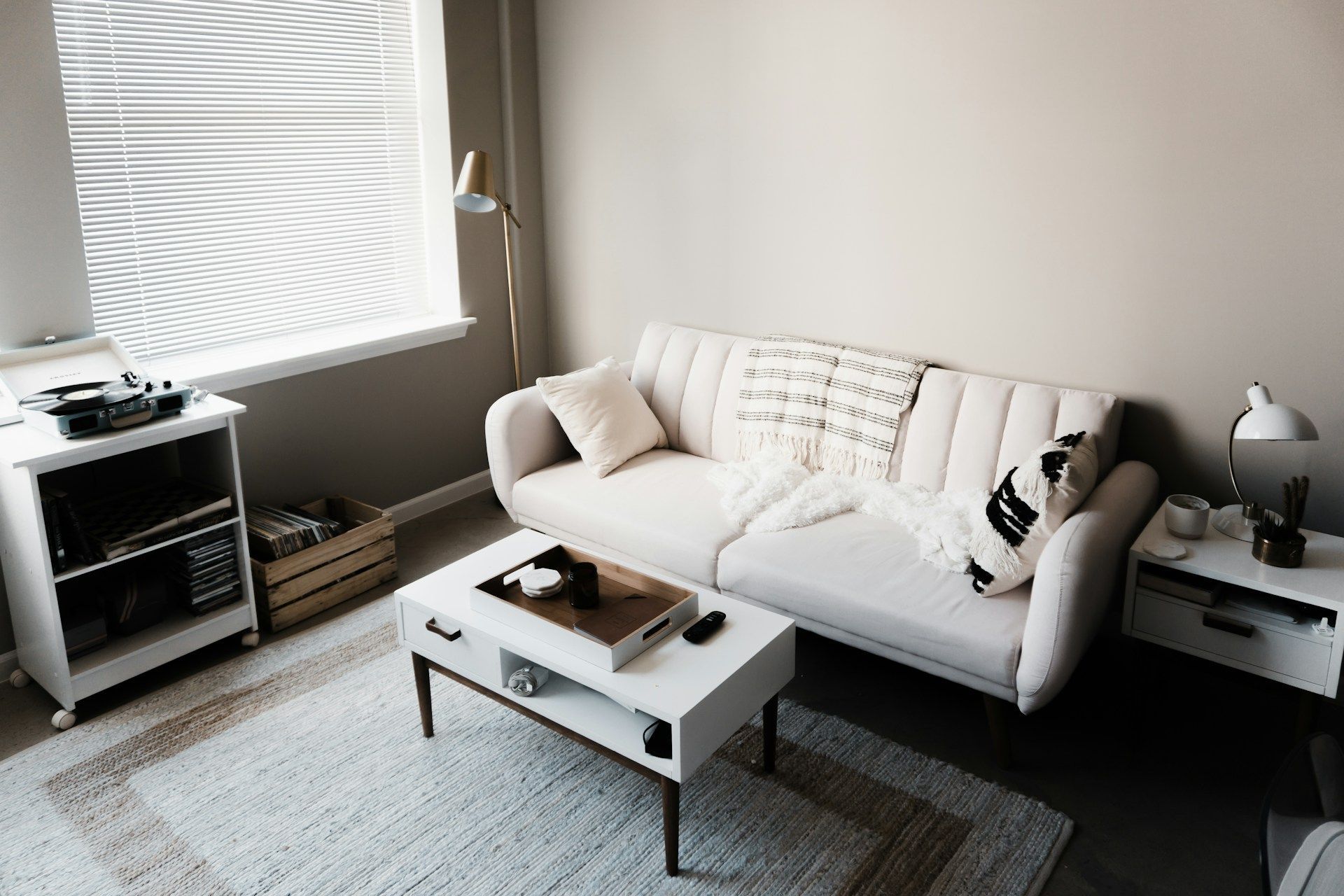
Multi-purpose furniture helps maximize space efficiency and fulfills various functions. For example, a sofa bed can serve as both seating and sleeping space, while storage ottomans provide extra compartmental space without cluttering the room. This type of furniture smartly manages smaller spaces, providing comfort and utility. By opting for versatile and adaptable furnishings, construction companies can enhance living conditions, making them more efficient and enjoyable for the workforce.
Facilitating Team Cohesion and Community
Creating social bonds among crew members is essential for a harmonious work environment. Communal furniture plays a key role in this process by fostering interaction. Comfortable sectional sofas or large dining tables invite groups to sit together, sharing meals or conversations that strengthen their sense of community. These moments are crucial for building trust and camaraderie, which translate into better teamwork on the job.
When spaces are equipped with the right furniture, communication flows more easily. For instance, living rooms designed with open seating and ample lighting provide the ideal backdrop for crew meetings or casual after-work discussions. Gathering spaces that encourage interaction help teams align on goals, resolve issues, and support one another.
Designated communal areas can significantly enhance the crew's living experience compared to individual spaces. Such areas provide neutral ground where all team members can gather, share experiences, and bond away from their work environment. This inclusive atmosphere fosters a stronger community feeling, making the crew's stay more enjoyable and productive. Shared environments lead to shared stories and tighter bonds, ensuring a more cohesive team back at the site.
Boosting Productivity Through Thoughtful Designs
Productivity in crew housing improves when spaces are well-furnished and designed with intention. A good night's sleep, aided by comfortable beds, renews energy and sharpens focus, leading to higher job performance. Crews are more productive when they return to well-furnished spaces that prioritize rest and relaxation.
A professional arrangement of furniture enhances focus by minimizing distractions. This means reducing clutter and placing furniture to ensure efficient movement and function within the living space. Clear pathways and organized areas allow crew members to focus on tasks without unnecessary interruptions or obstacles.
Strategic furniture placement can smooth out daily routines and enhance workflow. Consider placing a workspace in a quiet corner or locating dining areas near the kitchen for quick and easy meal setups. These thoughtful arrangements not only streamline operations but also promote an environment where crews are empowered to perform at their best.
Conclusion
In today's demanding construction landscape, providing well-thought-out housing solutions is a necessity. Carefully chosen furniture does more than fill space; it helps foster comfort, community, and productivity among construction crews. Flexible and versatile furniture accommodates different preferences and needs, ensuring that crew members are both comfortable and well-supported in their living environments. Given the long hours and hard work crews put in, having a stress-free living area elevates their job satisfactions and leads to efficient project execution. This highlights the importance of integrated design and planning in crew housing solutions.
For construction companies seeking
affordable alternatives to hotels for contractors, Hard Hat Housing offers the ideal choice. Our properties are fully equipped to elevate the living experience with ergonomic and multi-functional furniture tailored to enhance well-being and community dynamics. Let us help you create the perfect home away from home for your hardworking crews, ensuring they're comfortable and ready to give their best work every day.